Sensing, reconnaissance, targeting support and the AI that interprets information.
AI analysis · Geospatial intelligence · Sensing · Threat intelligence
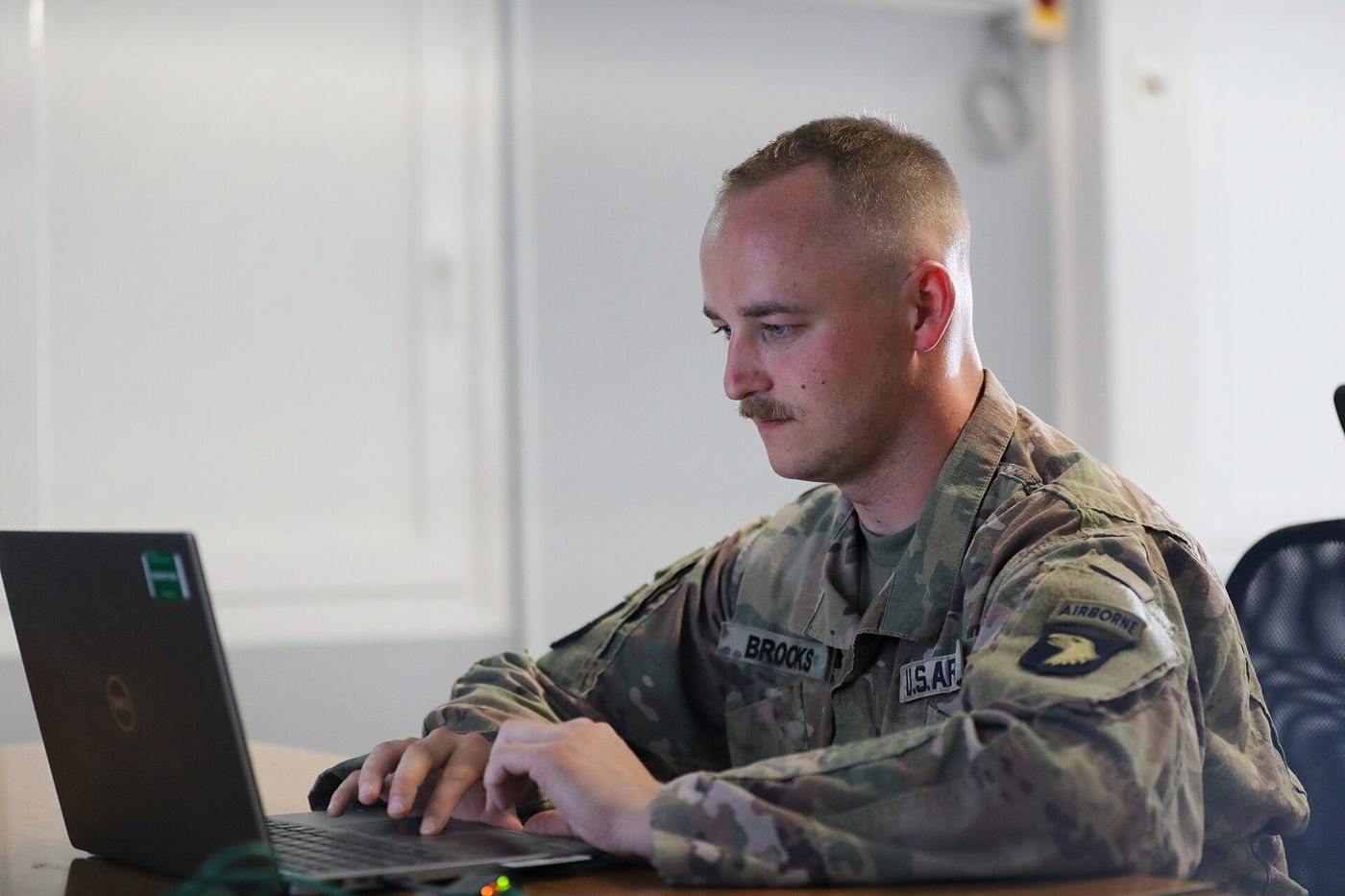
A soldier of the 101st Combat Aviation Brigade monitors mission systems while supporting Project Maven tools at Al-Asad Airbase, Iraq, 2025. U.S. Army photograph.
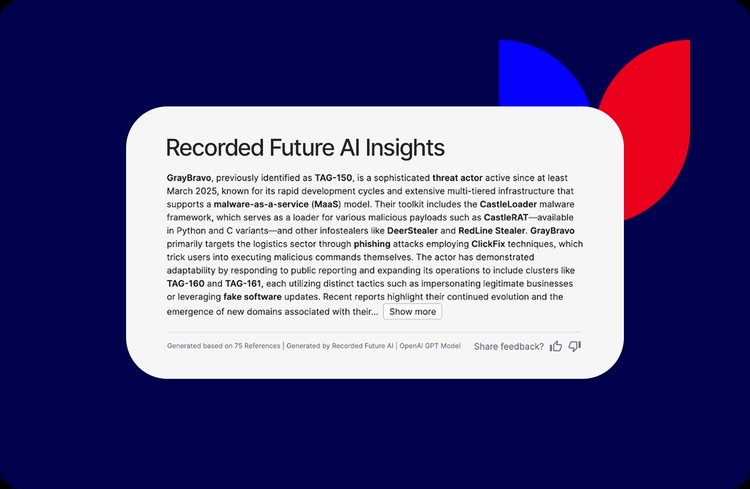
When software consumes threat intelligence directly, source quality becomes part of the control system. Retrieval access must stay separate from authority to act.
Almost all of the Defense Autonomous Warfare Group’s request sits in a reconciliation bill Senate appropriators have ruled out. A four-star command is planned anyway.
A presidential order to rewrite Directive 3000.09 is five weeks overdue. The AI that shaped this year’s targeting sits in software the directive may not cover.
Clean-spectrum demonstrations prove little. Autonomous systems should be judged on documented dependencies and tested behavior when links, GPS and assumptions fail, before the money flows.
Magnetic, visual, celestial and borrowed-signal navigation have all flown. Buyers still get percentage gains over drifting inertial units instead of error figures they can specify.
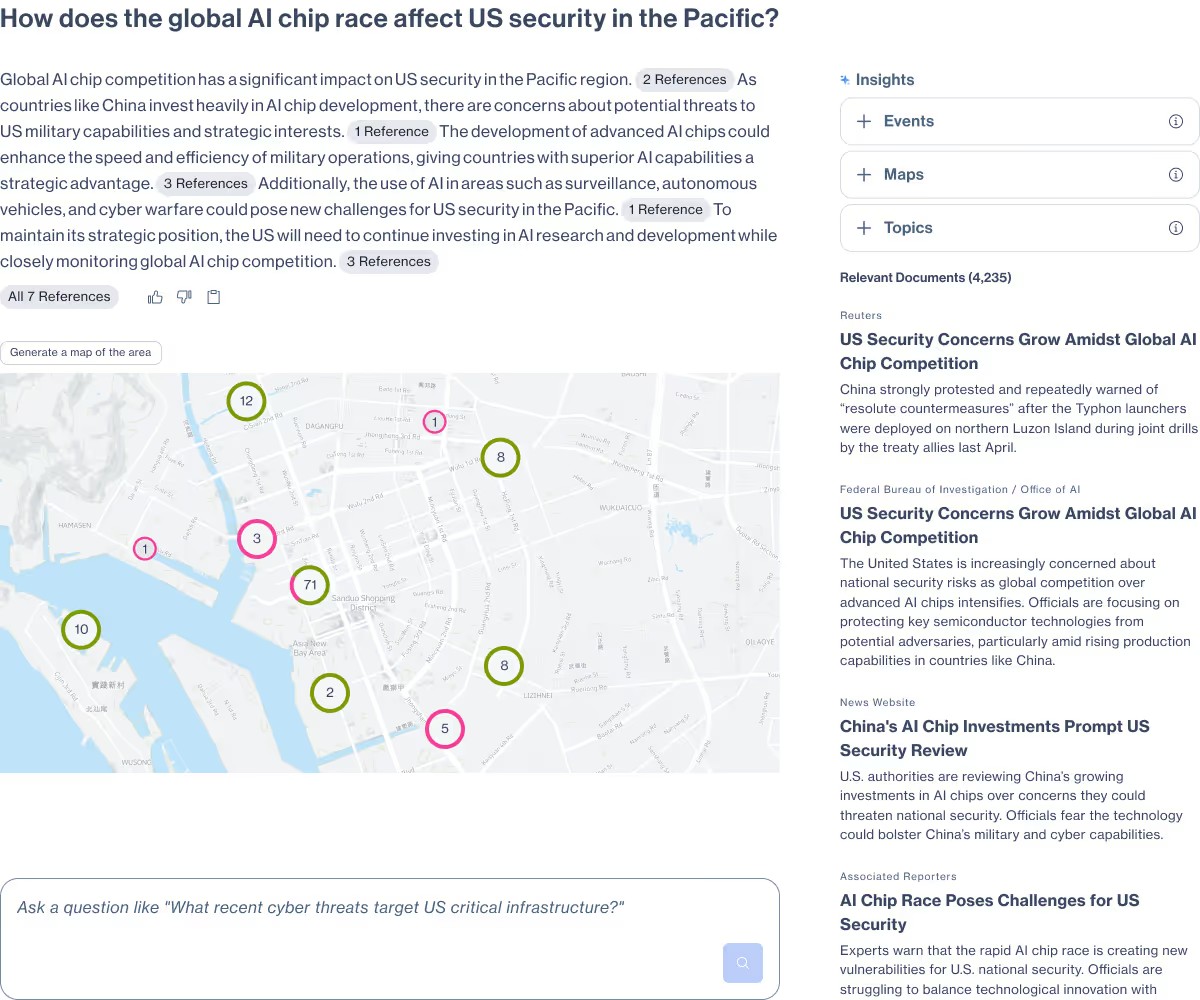
Maven’s user counts show demand, not accuracy. Program offices should label every AI claim by its evidence and contract for revalidation after each update.