The value of an Earth-observation satellite depends partly on who can ask it a question and use the answer. Humanitarian organizations and public-interest investigators may face barriers even when technically useful imagery exists. Common Space's selection of Satellogic addresses access and governance alongside the spacecraft itself. Our assessment is that this is a substantive institutional design choice, with its practical effect dependent on launch, collection priorities and the service delivered afterward.
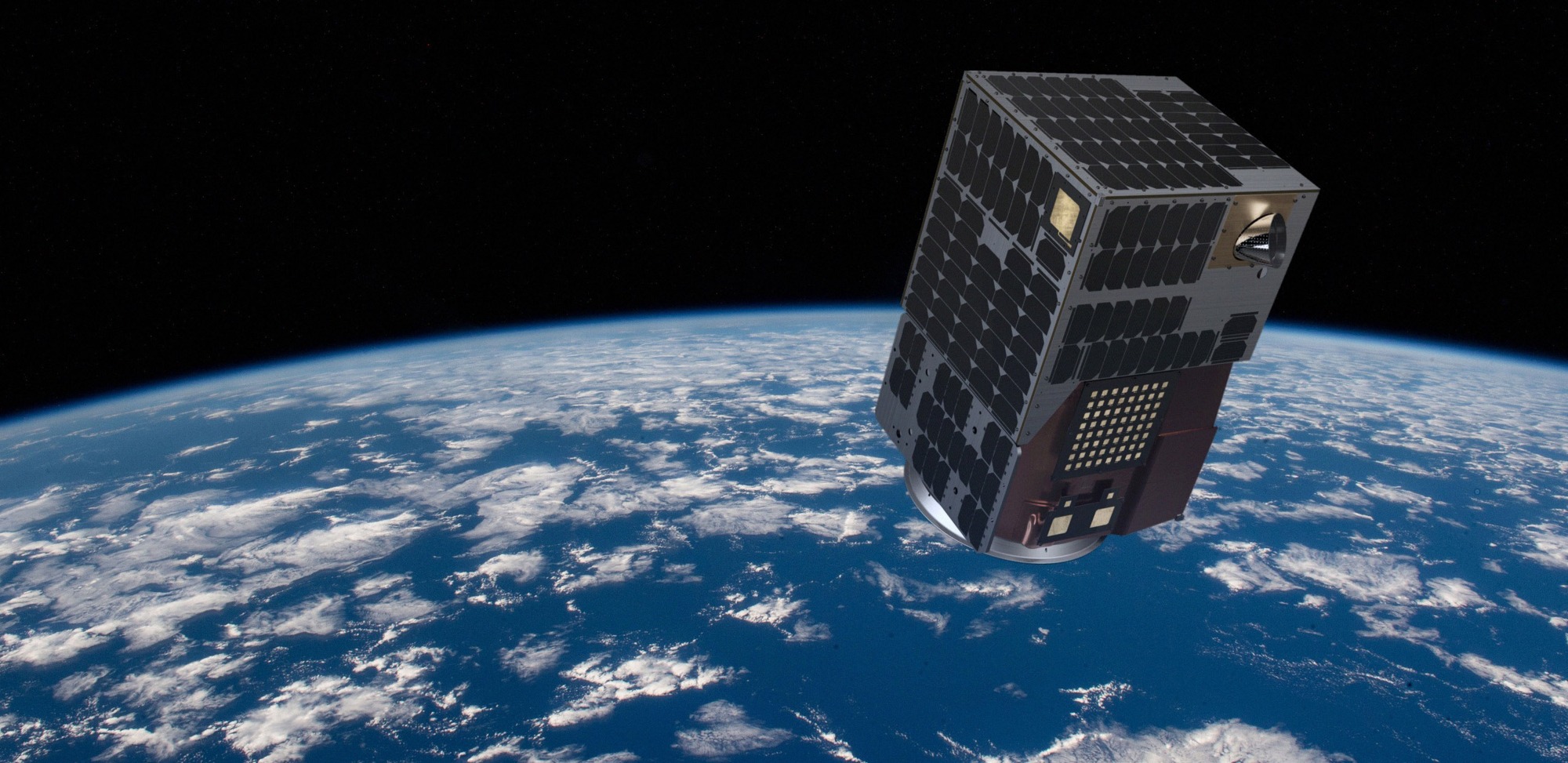
Satellogic's November 19 account says it will build a NewSat Mark V satellite and provide launch-related, ground-segment, mission and lifetime support services for Common Space. The mission targets a mid-2027 launch. The stated model combines community-informed tasking and openly licensed imagery, supported in part by paid private-sector membership. These are plans for a future service, not evidence that the dedicated satellite is already collecting data.
Access begins before the image exists
Licensing determines what a user can do with an image after collection. Tasking determines whether the image is collected in the first place. The proposed mission addresses both, which is why its governance deserves attention. An open archive can be valuable while still failing to meet an urgent information need if the relevant location was never observed at the required time.
Our inference is that a credible service will need a clear way to reconcile competing requests. Several users may have legitimate reasons to seek different collections within the same period. A community model does not remove that scarcity; it changes how priorities are discussed and made accountable. The resulting decisions should be understandable to members without implying that every request can be fulfilled.
A launch target is one milestone in a longer chain
The spacecraft partner gives the project a more concrete delivery path. The announcement also identifies mission support, which matters because a satellite's usefulness continues to depend on its ground and operating systems after launch. A successful launch would establish an important technical milestone. Commissioning, usable imagery and an accessible delivery workflow would establish subsequent, different ones.
The strongest objection is economic: a dedicated humanitarian mission still has to finance dependable infrastructure. The proposed membership model could help, but its sustainability cannot be inferred from the number of organizations expressing interest. Letters of support, membership income and an accepted service commitment are different evidence. They should not be combined into a single measure of demand or revenue.
Public-interest imagery still needs careful interpretation
Open licensing can make it easier for investigators to share and scrutinize a collection. It does not establish that a particular interpretation is correct. Capture time, processing history, viewing conditions and gaps between observations remain important. Users need those details to distinguish a visible change from a conclusion about the cause or intent behind it.
The initial customer experience should therefore be evaluated beyond the attractiveness of a sample image. How does an organization submit a request, learn whether it was accepted and receive the resulting data with sufficient context? What happens when conditions prevent a useful collection? An honest account of an unsuccessful request can be valuable evidence of a well-governed service, particularly when it prevents unsupported claims.
The next useful milestones are the mission's funded delivery arrangements, launch and commissioning, followed by actual collections serving the intended community. Common Space and Satellogic have made the architecture of access more explicit. The project will become consequential when the people facing an information gap can depend on the service, understand its limits and use its output as reviewable evidence.
Sources and media credits
Satellogic’s NewSat Mark V illustration accompanying the Common Space announcement; the mission is planned. Image: Satellogic
This analysis draws on the public sources linked in the text. Send corrections to [email protected].