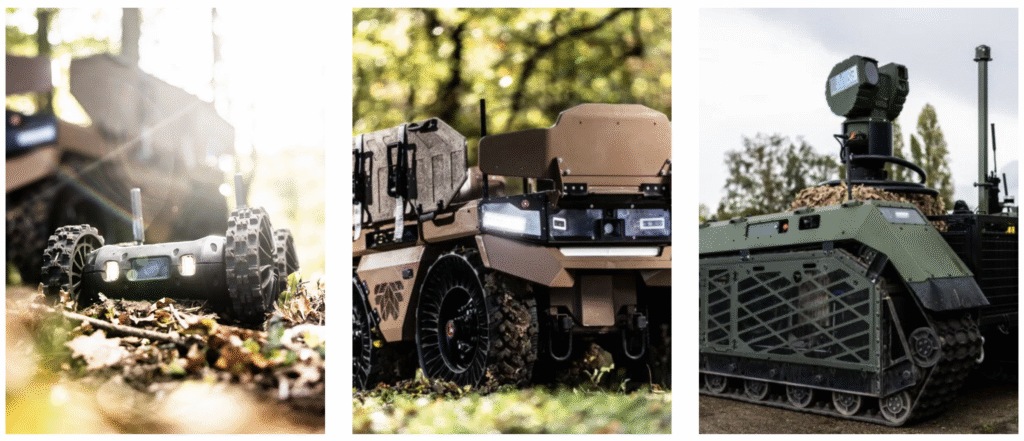
FireAnt moves the sensor network, leaving its qualification test ahead
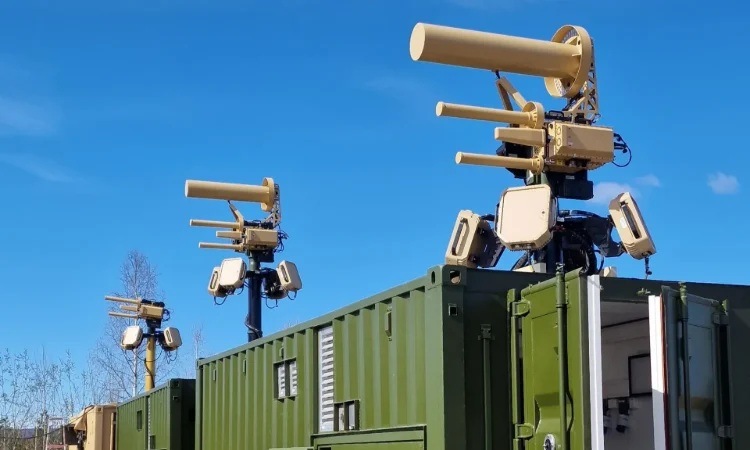
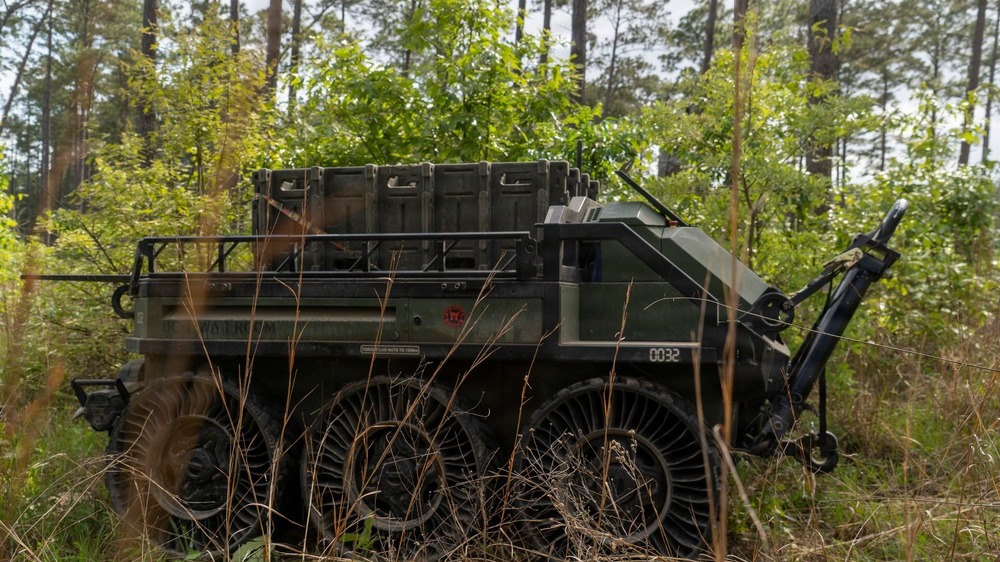
The Morocco demonstration extends a small ground robot’s role. Useful warning depends on the information chain after the sensors leave the vehicle.
Ground robots, autonomous vehicles and land operations.
Explore the stories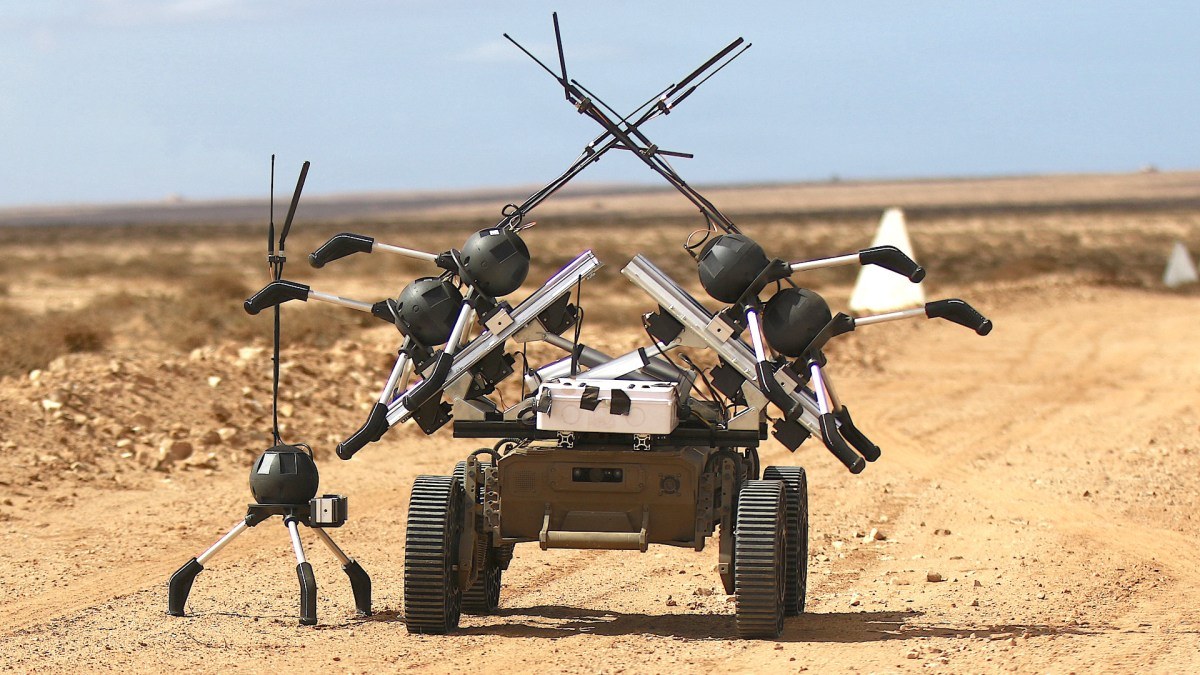
51 stories
The Morocco demonstration extends a small ground robot’s role. Useful warning depends on the information chain after the sensors leave the vehicle.
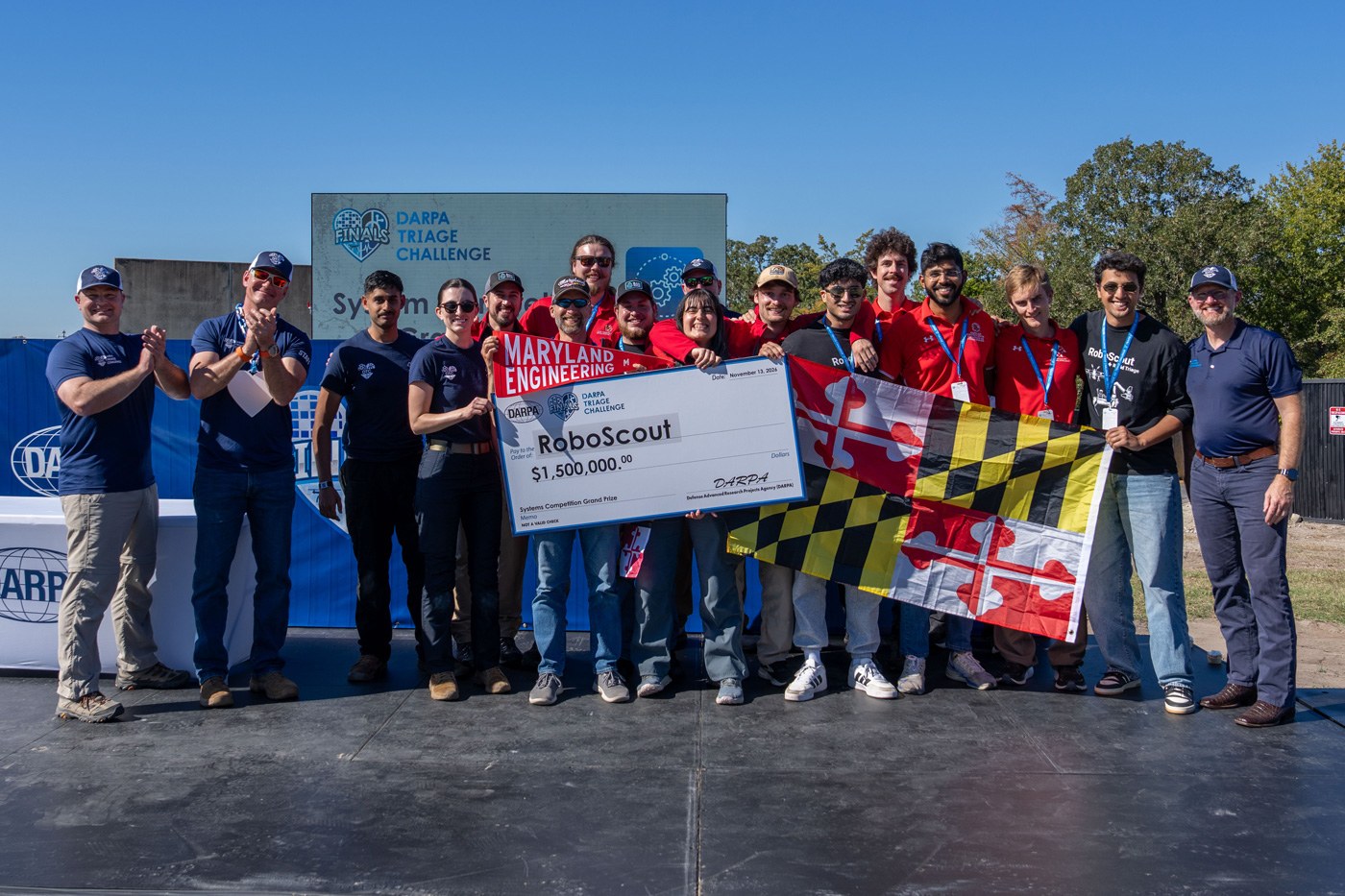
DARPA’s finals reward human-machine performance in simulated disasters. Adoption still requires evidence about the information medics receive and the work it changes.
Separates Foundation’s payload and weather demonstrations from evidence of dependable military logistics.
Read analysisExamines how the ground-and-surface fleet must complete fuel transfers reliably under one operator’s supervision.
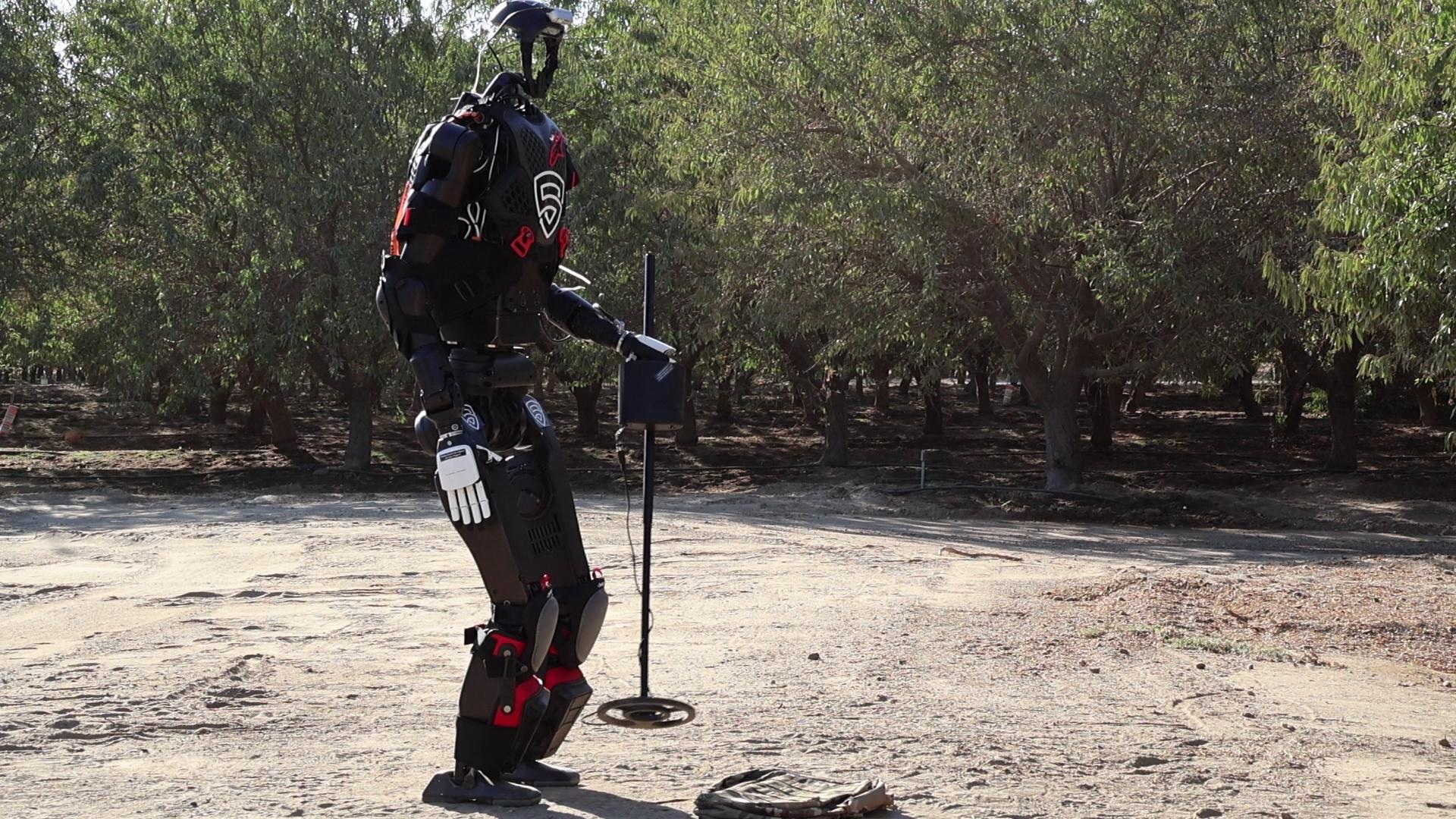
Read analysisHow robotic search could reduce soldiers’ exposure to explosive hazards while keeping EOD specialists in control.
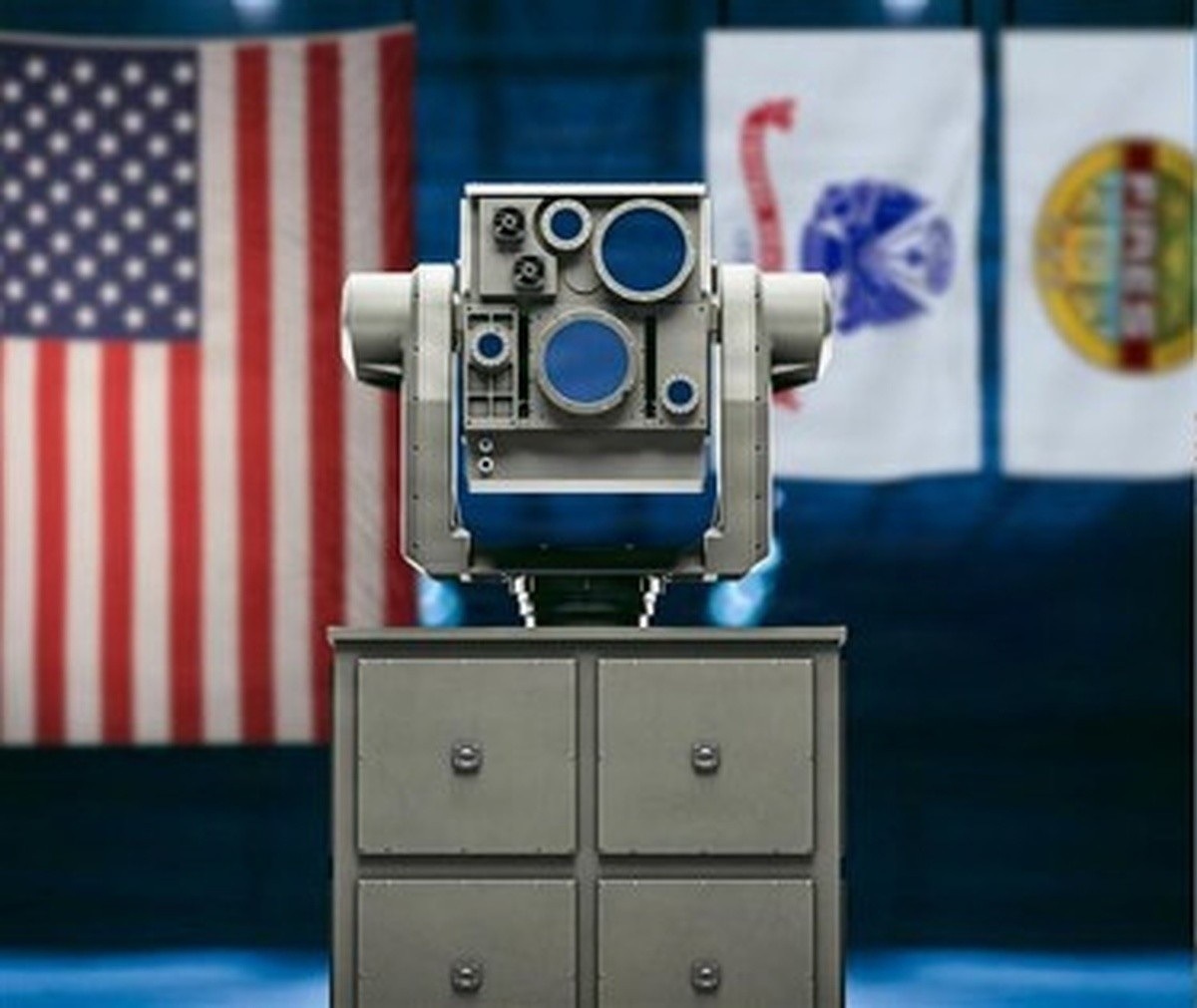
Read analysisThe November 2 subcontract announcement puts vehicle integration behind AV's mobile laser effort; sustained operating performance remains the key test.
Read analysisChess Dynamics' new support framework links field information, spares and obsolescence planning across existing and new systems.
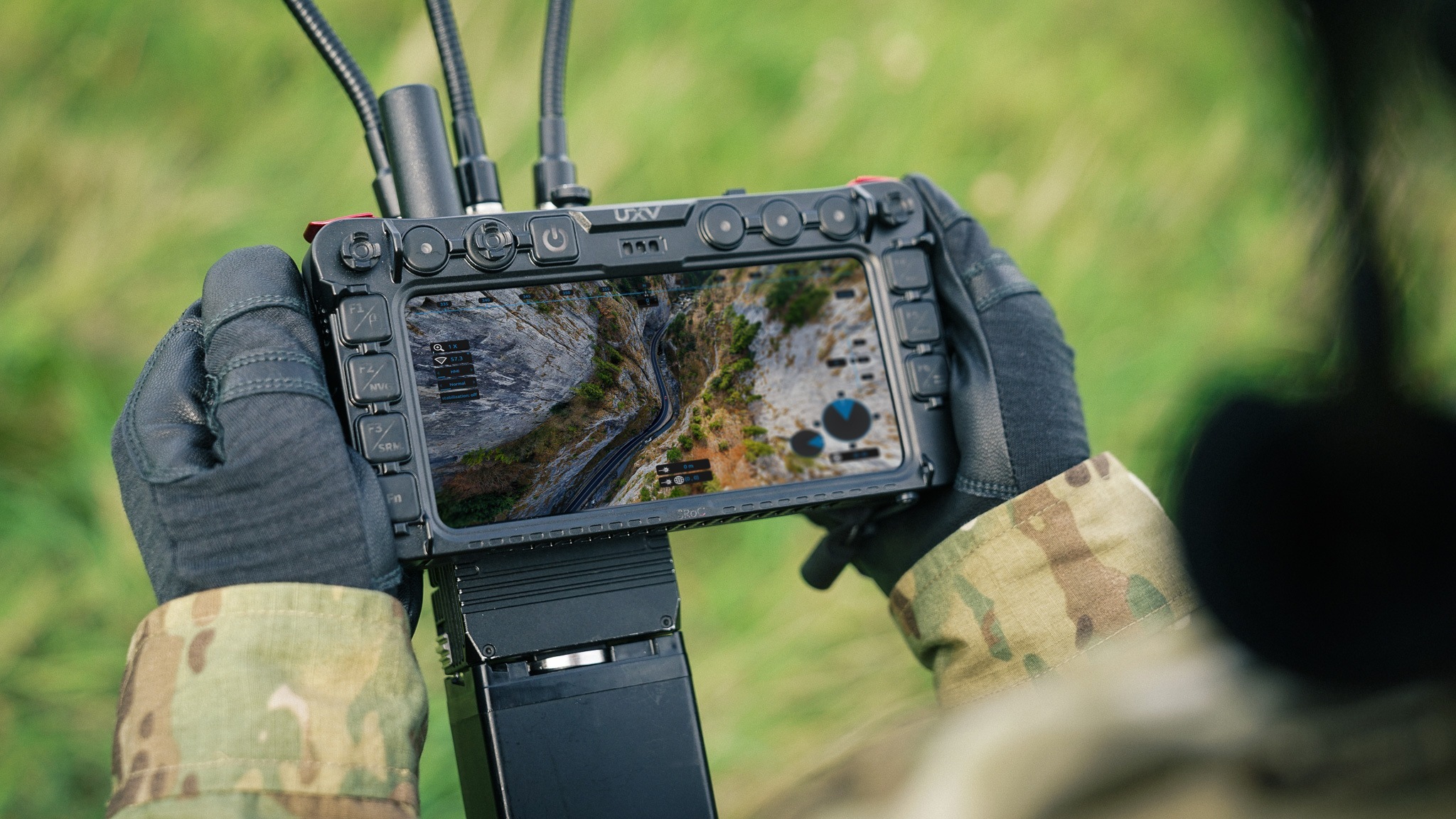
Read analysisThe October controller introduction describes modular interfaces; supported vehicle behavior still depends on the integrated system.
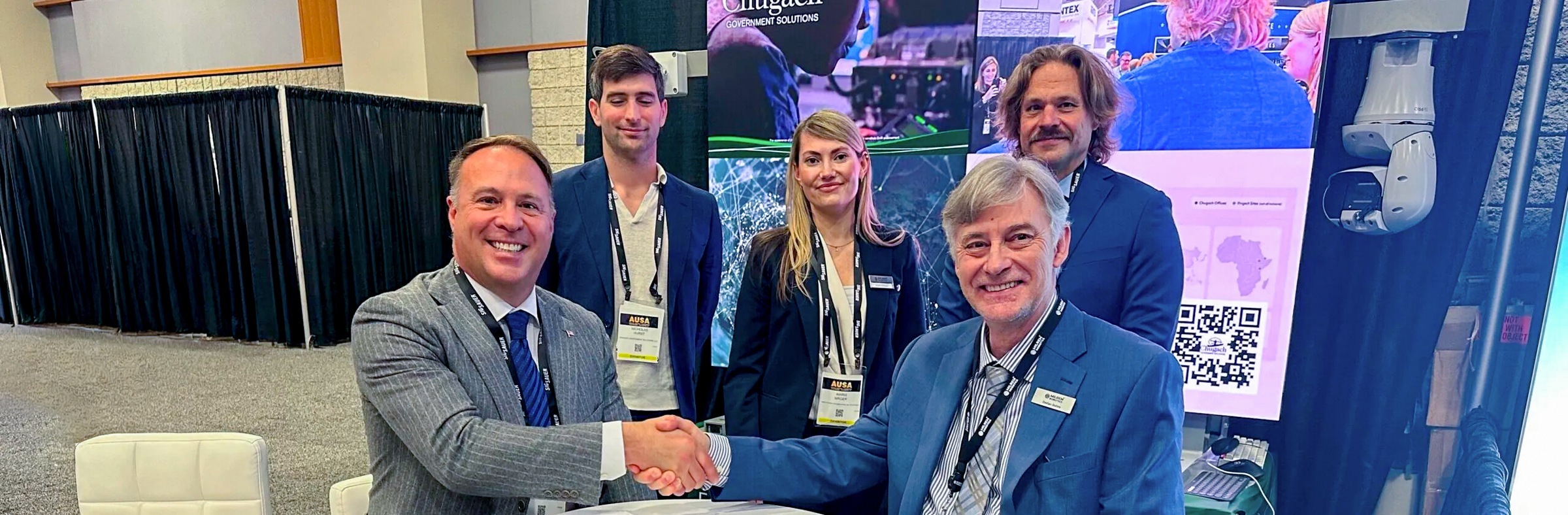
Read analysisThe October memorandum covers proposed assembly, integration and sustainment; orders and completed facilities remain separate evidence.
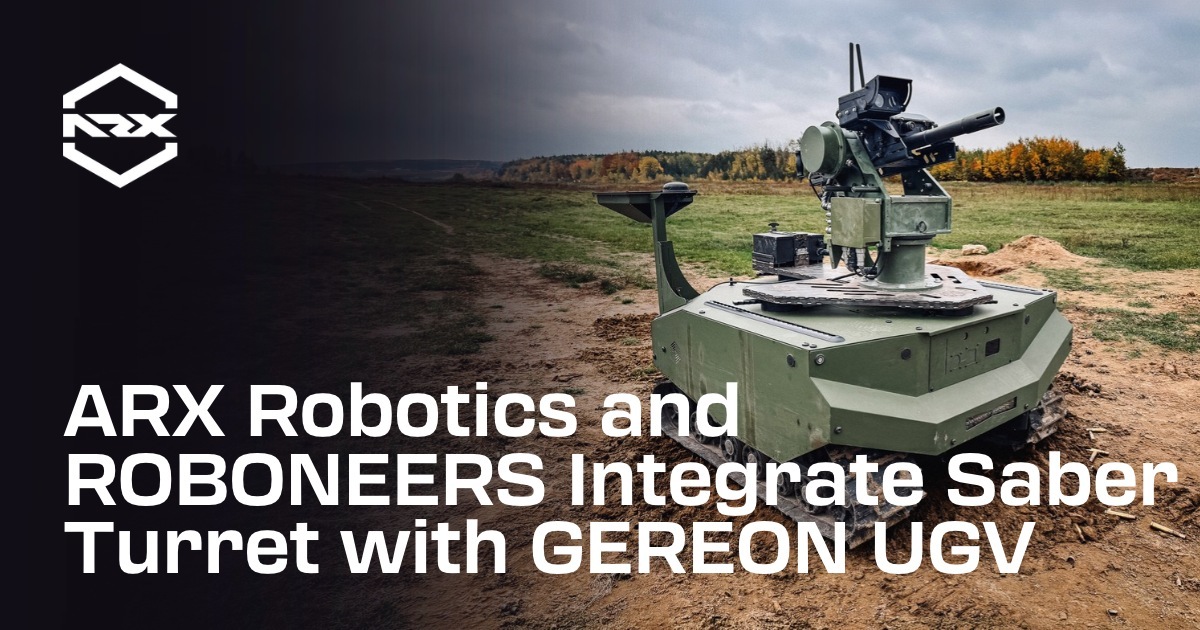
Read analysisThe October 29 update reports SABER–GEREON interoperability, with configurations and deliveries still scheduled rather than completed at scale.
Read analysisThe new counter-drone partnership sets an integration direction; forthcoming demonstrations will need to establish the combined system’s behavior.
Read analysisThe Army’s October account describes a four-vehicle experiment with human approval of engagements; operational reliability remains a separate question.
Read analysisThe September agreement is conditional and includes an earnout; the operational case depends on combining systems, not simply combining company counts.
Read analysisReported Ukraine missions establish an operational history, but they do not isolate lidar performance or validate the planned Rev8 integration.
Read analysisThe presentation places prototypes, program selections and fielded systems together; those labels describe different evidence.
Read analysisThe October launch describes a shared interface and offline applications; its value depends on preserving control and information across connected systems.
Read analysisThe October agreement covers integration and joint development; the public account does not quantify the performance of a combined configuration.
Read analysisThe cooperation agreement explores local production and sustainment; it does not establish a factory or a production award.
Read analysisThe proposed TerMIT manufacturing arrangement targets 2027; definitive agreements and a supported local configuration remain ahead.
Read analysisA memorandum covers local marketing, manufacture and sustainment; proposed teaming with other vehicles still requires demonstration.
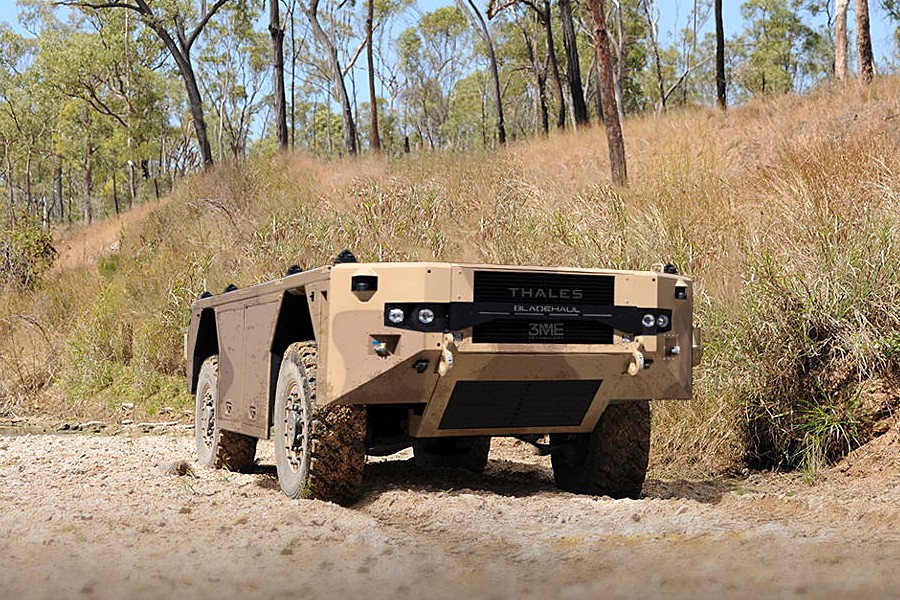
Read analysisThe Australian unveiling describes a container-capable uncrewed vehicle and future trials, with operational performance still to be shown.
Read analysisThe GDLS teaming agreement creates a route for Anura integration; safe interpretation and crew workload still need to be demonstrated.
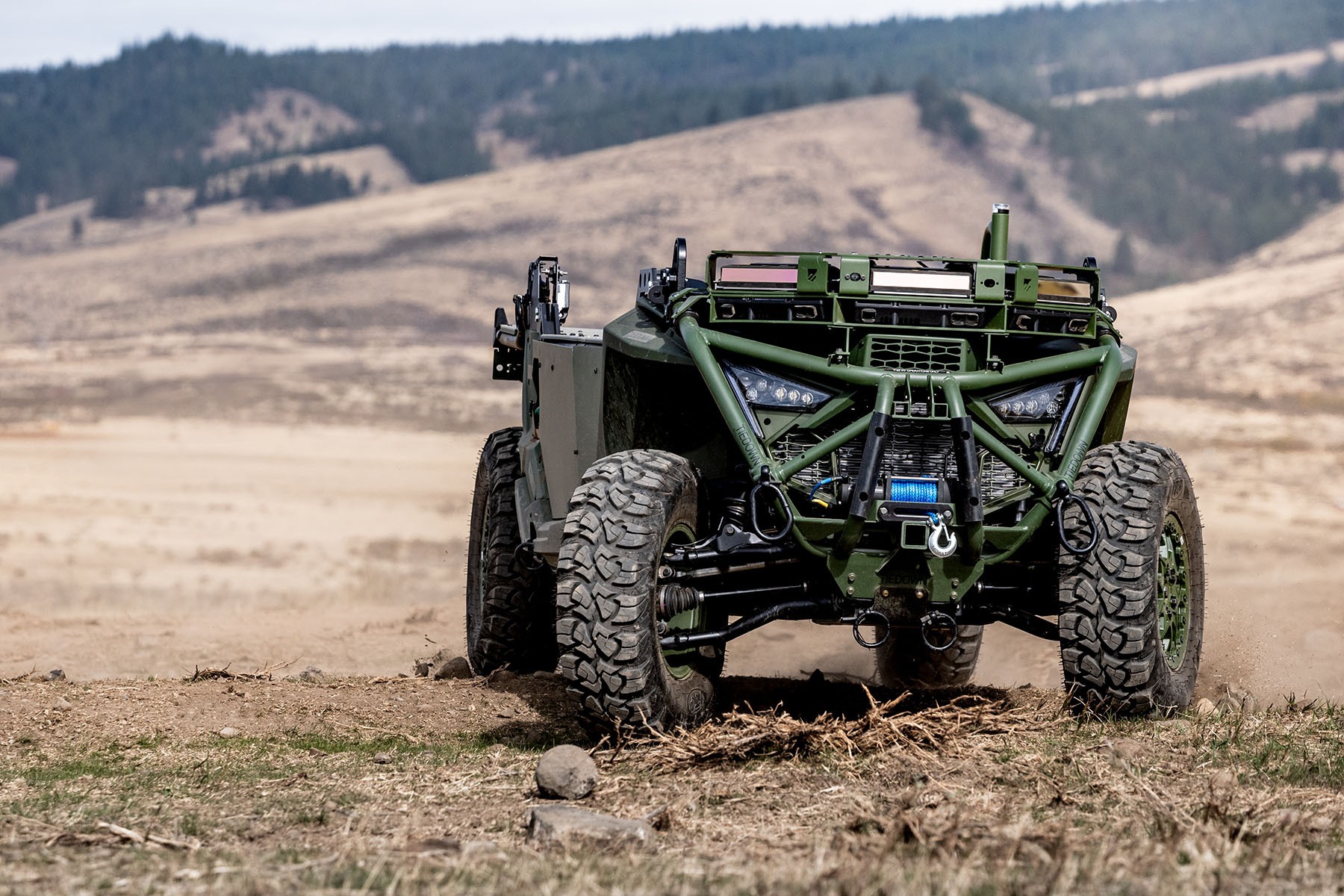
Read analysisThe MRZR-based vehicle couples familiar support infrastructure with an autonomy stack; payload integration and operational availability remain separate tests.
Read analysisGroundBreaker 1 moves from a reviewed solution brief to an October demonstration. The milestone opens an evaluation; it does not establish a prototype award or deployment decision.
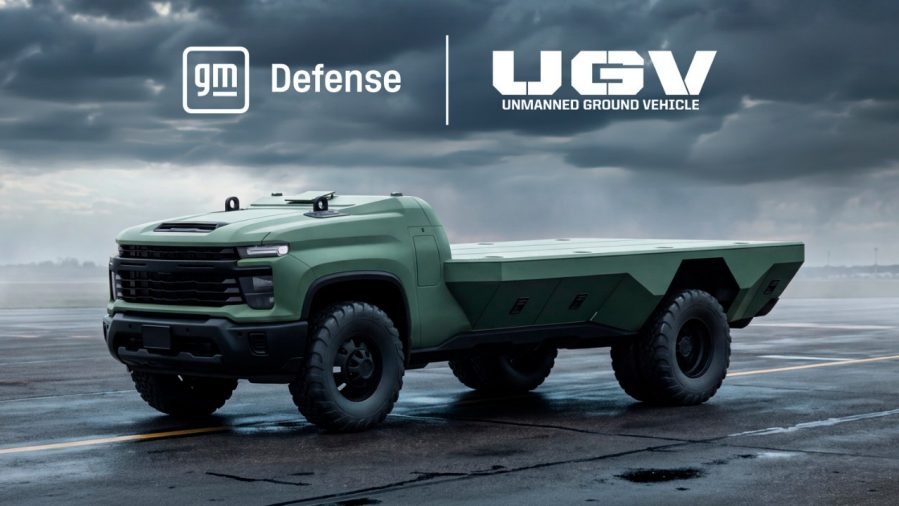
Read analysisThe Silverado-based concept points toward a familiar supply chain, but functional trials are targeted for 2027. Manufacturing scale and autonomous readiness remain separate questions.
Read analysisThe Army has selected a command for redesignation and outlined experiments in reconnaissance, breaching and other missions. The next test is whether formations can turn equipment trials into repeatable ways of operating.
Read analysisThe company says five systems earned “Jailbroken” status in Army experiments. The practical question is how much integration work that removes for the next team.
Read analysis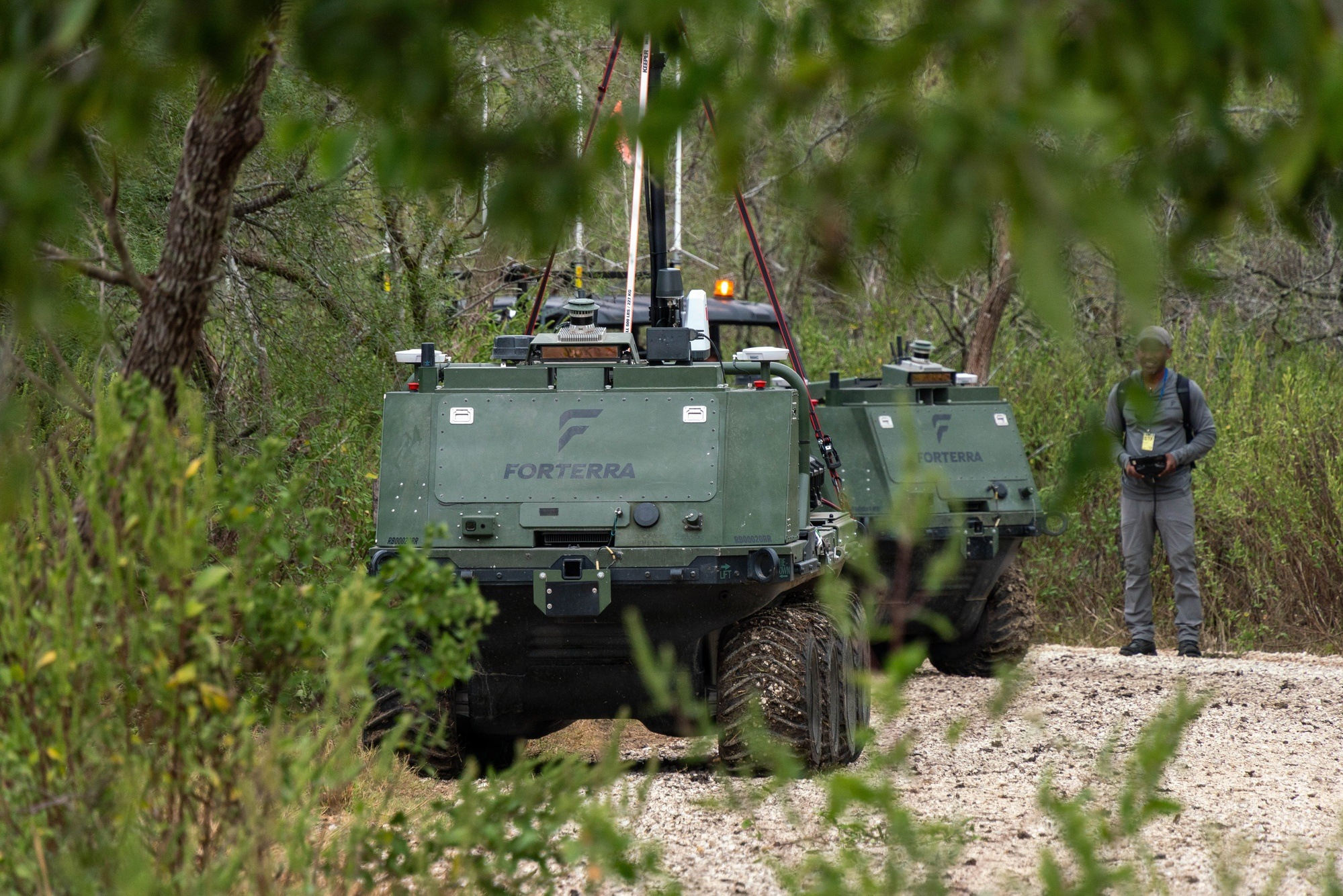 Video · hover to preview
Land
Reusing an Army vehicle may speed adoption. The difficult part is making the software, controls and maintenance fit the fleet already in service.
Read analysis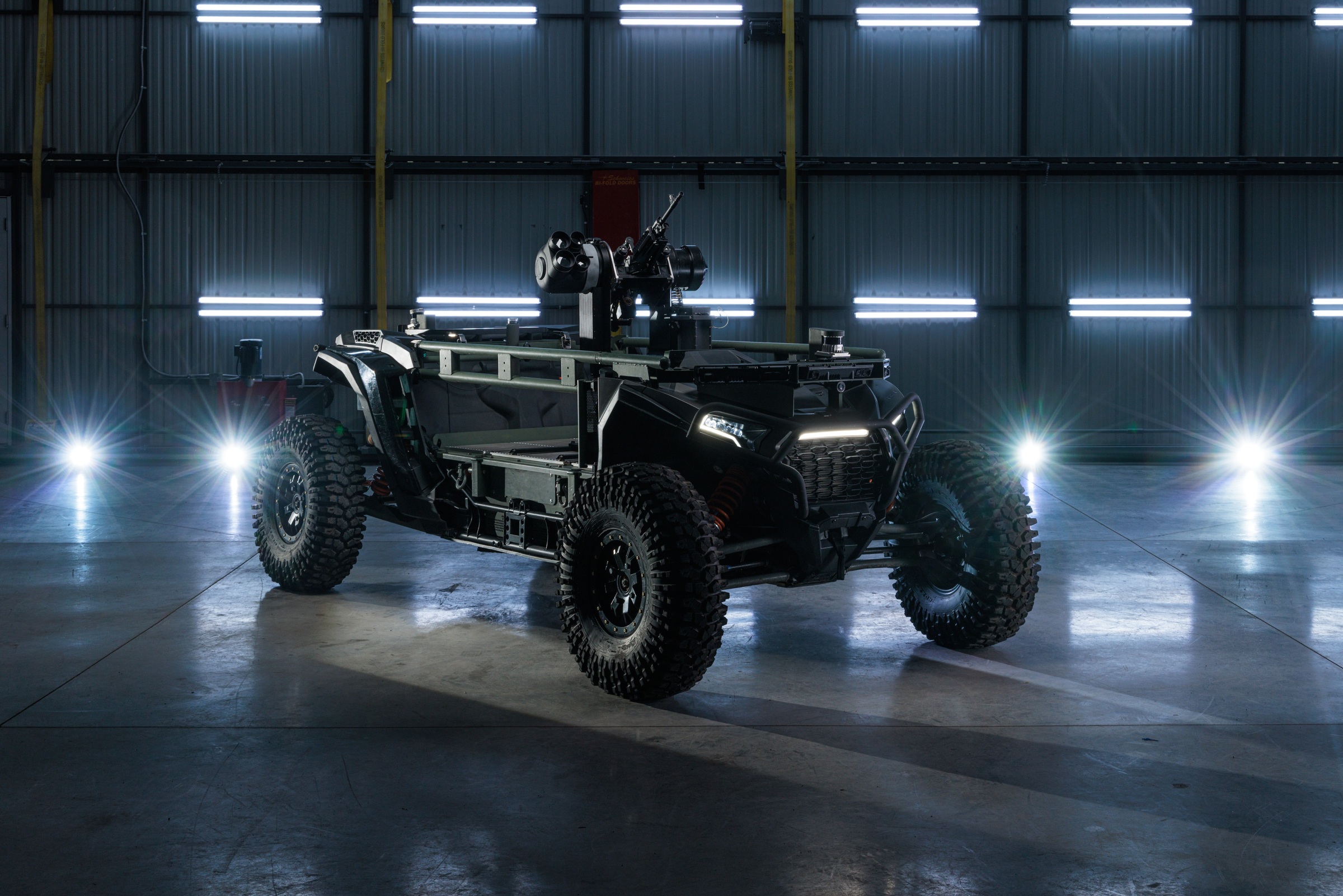 Video · hover to preview
Land
A vehicle designed for uncrewed work can allocate space differently. Its modular deck still needs evidence that the supported mission works end to end.
Read analysis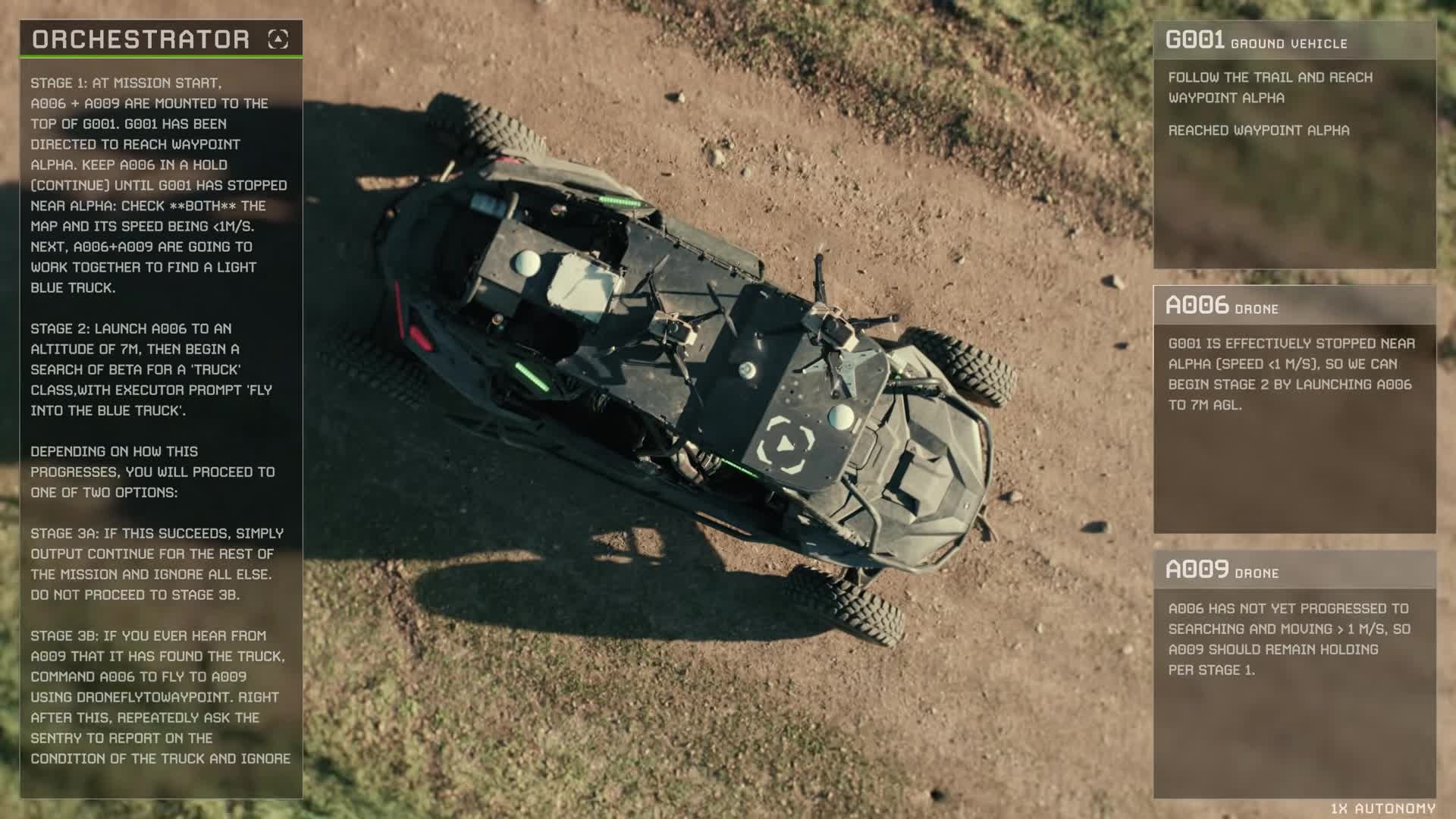 Video · hover to preview
Land
Giving a robot an instruction is easier than guaranteeing what the instruction means. The Army’s vehicle evaluation makes that boundary consequential.
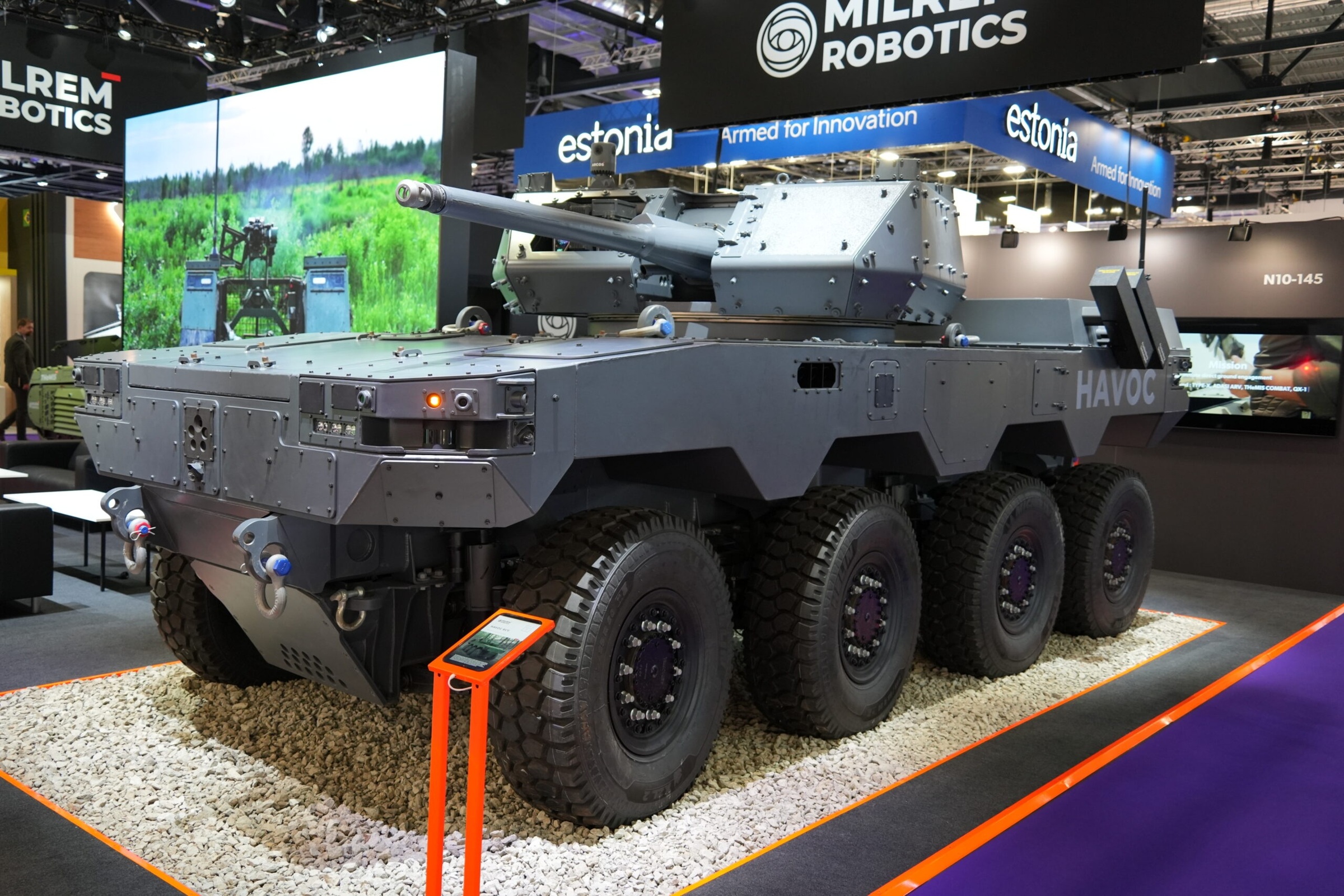
Read analysisA larger wheeled robot offers room for weapons and sensors. The meaningful capability is the combination, not the chassis alone.
Read analysisA larger robot fleet needs training and repair as well as vehicles. The Netherlands-led program links those functions to European production.
Read analysisPutting a counter-drone weapon on an uncrewed carrier could reduce exposure. Movement, cueing and engagement authority must remain connected.
Read analysis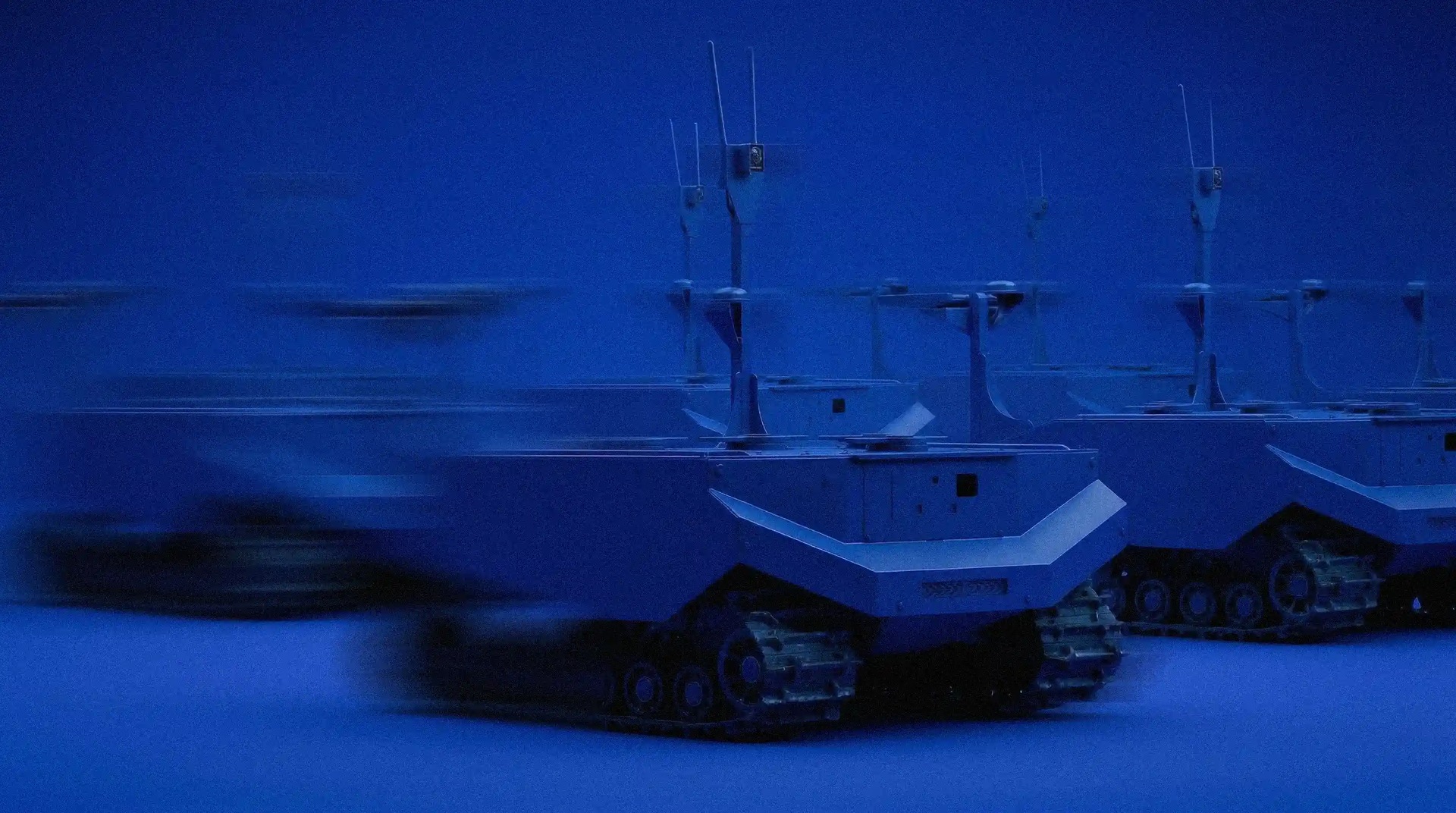 Video · hover to preview
Land
Moving work into Ukraine could shorten the path from a reported fault to a useful change. Configuration control determines whether that speed is repeatable.
Read analysis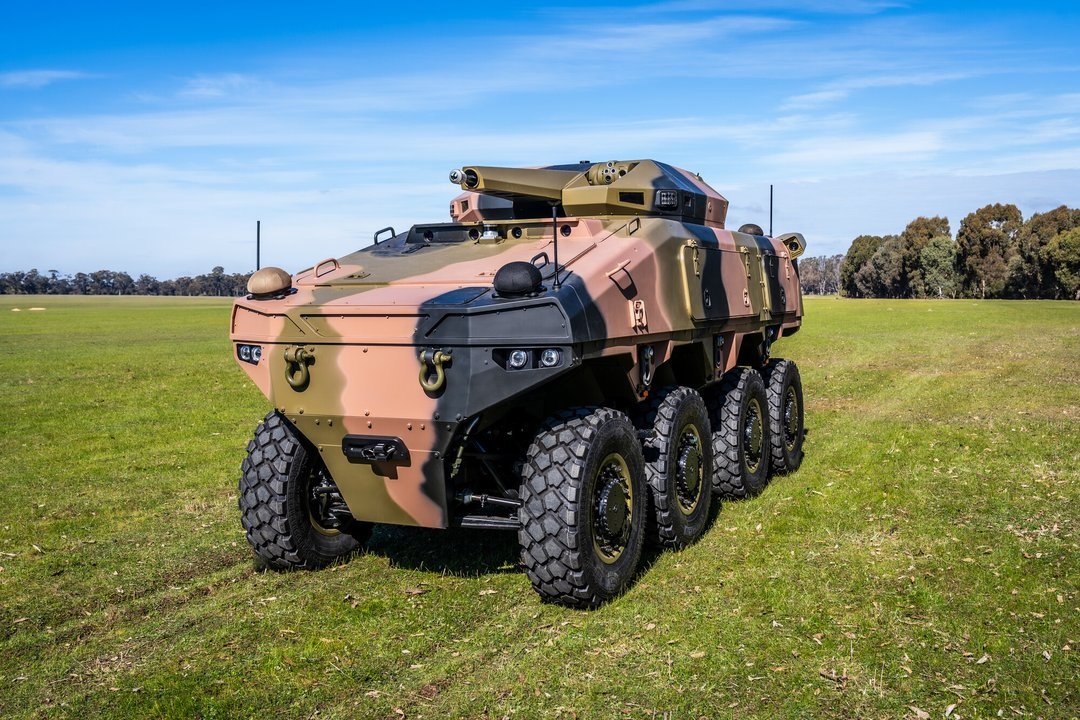 Video · hover to preview
Land
An autonomous chassis and an automated turret can reduce different burdens. Their safety and authority boundaries must remain distinct.
Read analysis Video · hover to preview
Land
A mature development process can help military autonomy. Road experience still needs new evidence for unstructured ground and military mission constraints.
Read analysis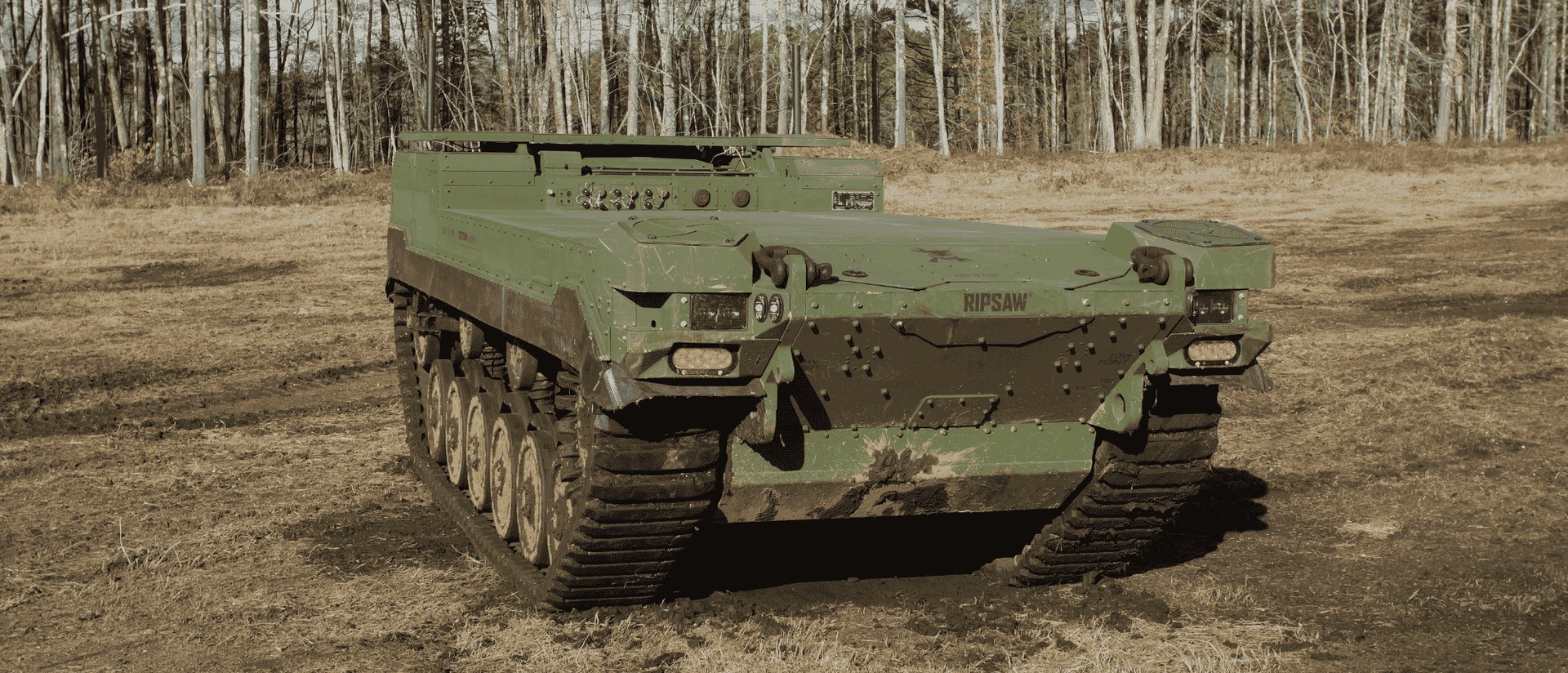 Video · hover to preview
Land
The export establishes a customer milestone. The longer-term value depends on whether the buyer can change mission equipment without reopening the whole vehicle.
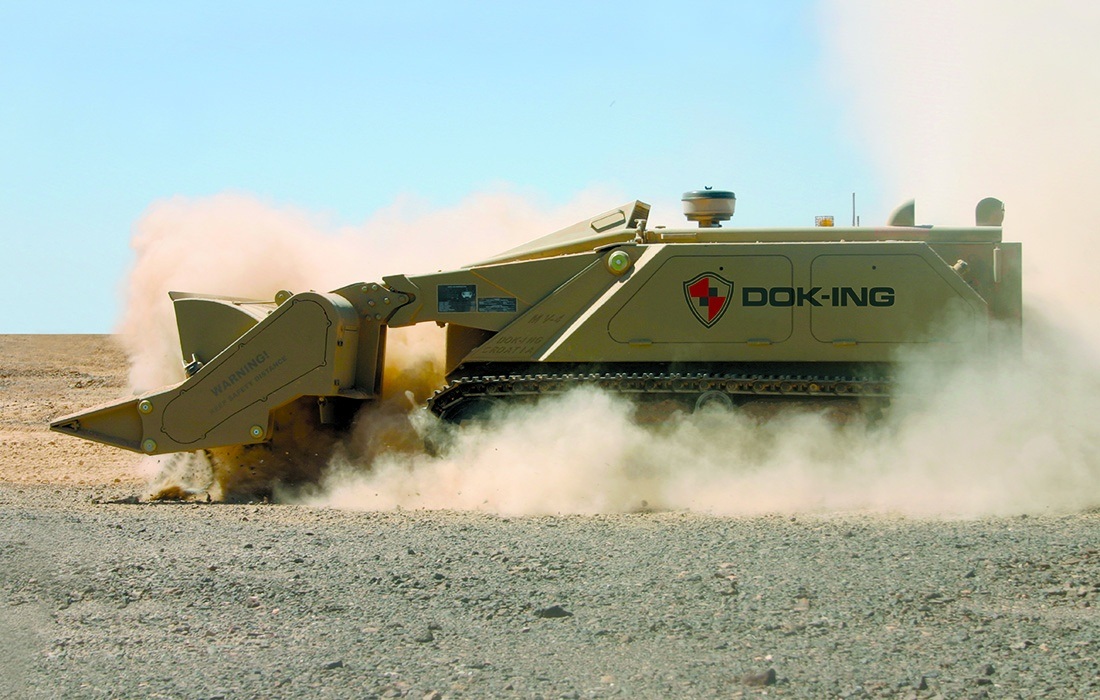
Read analysisRemote mechanical clearance can reduce exposure. The durable result is a verified area people can safely use.
Read analysis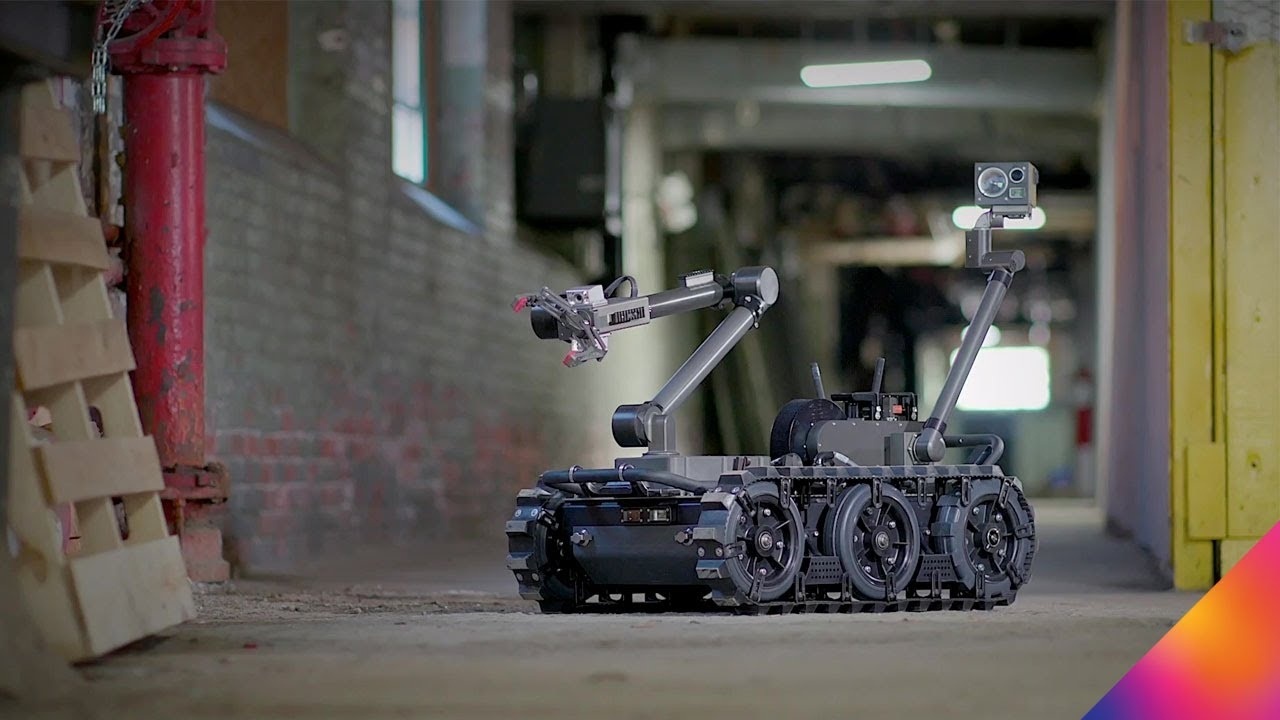 Video · hover to preview
Land
Established bomb-disposal robotics offers a grounded comparison for newer autonomy: useful standoff, a clear operator and a defined task.
Read analysis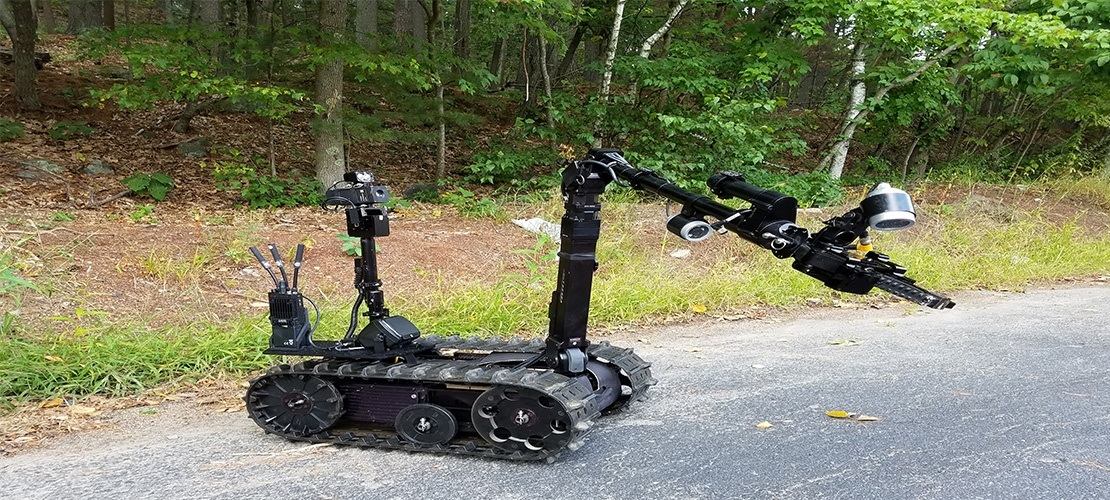 Video · hover to preview
Land
Common interfaces matter when a specialist can safely control a different configuration under pressure.
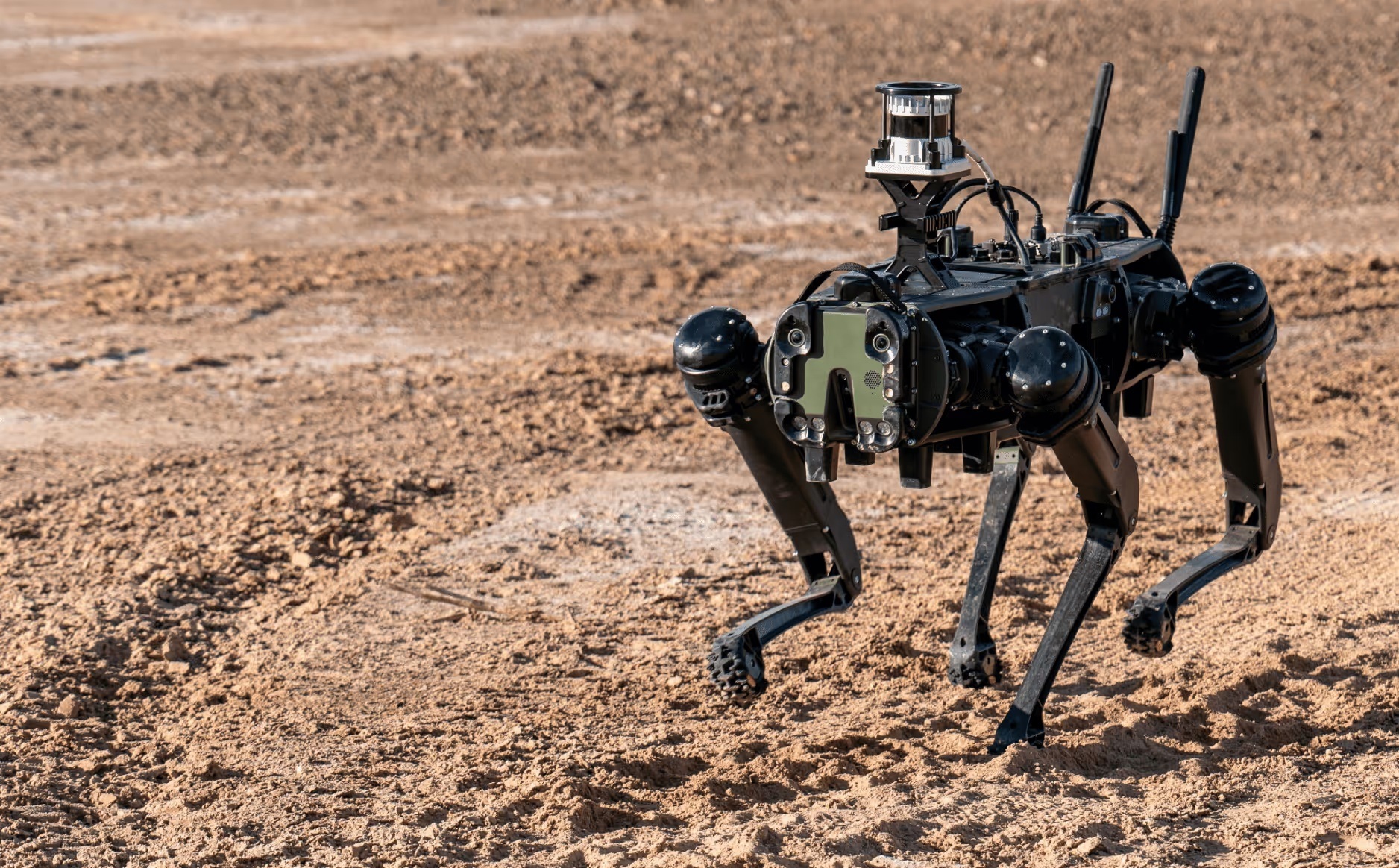
Read analysisA walking robot puts a sensor in another place. Security improves when its findings become timely, reviewable action.
Read analysisA shared architecture could connect national platforms. Its value appears in demonstrated handoffs and replaceable components.
Read analysis Video · hover to preview
Land
The California company says its software can teach an off-the-shelf humanoid different missions. Its orders and results have yet to be confirmed outside the company.
Read analysis Video · hover to preview
Land
Evidence from Ukraine and from the Army’s own training centers agrees on the drone-swept zone. The officials who redesigned brigades for it are gone.
Read feature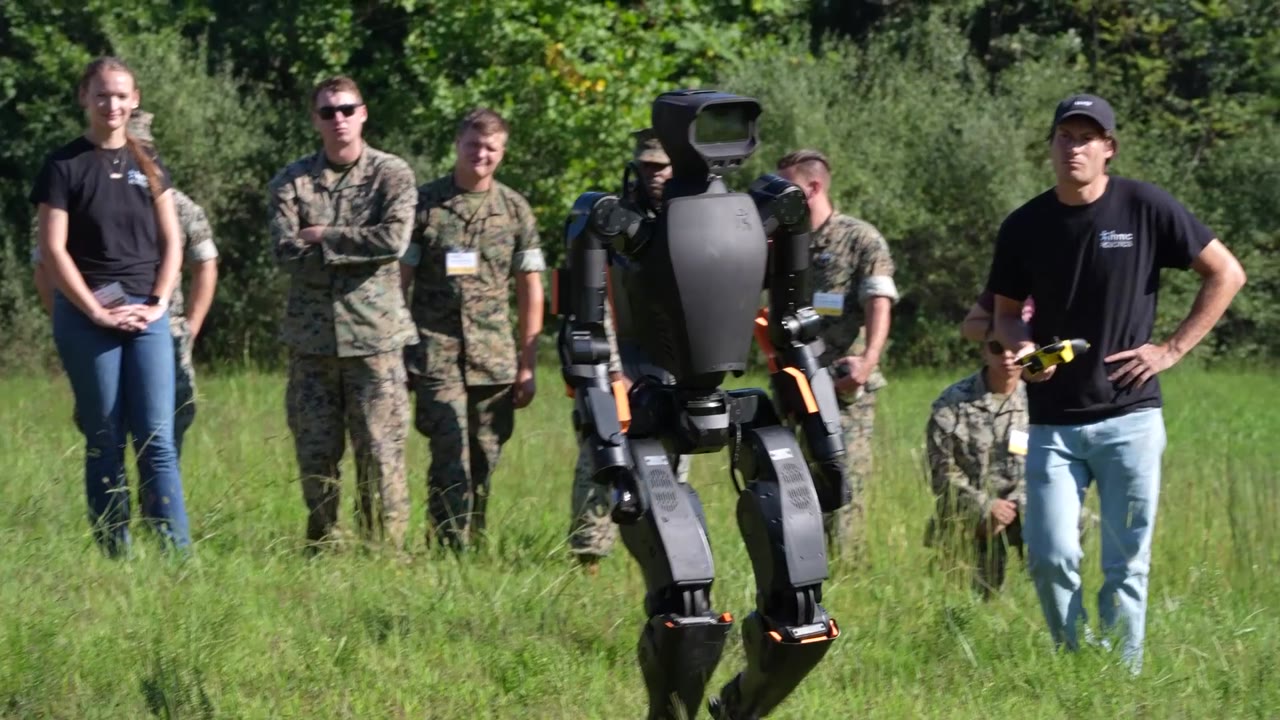 Video · hover to preview
Land
The Army’s humanoid contest picked one whole robot and four components. Company claims about orders and field trials remain largely unconfirmed.
Read analysis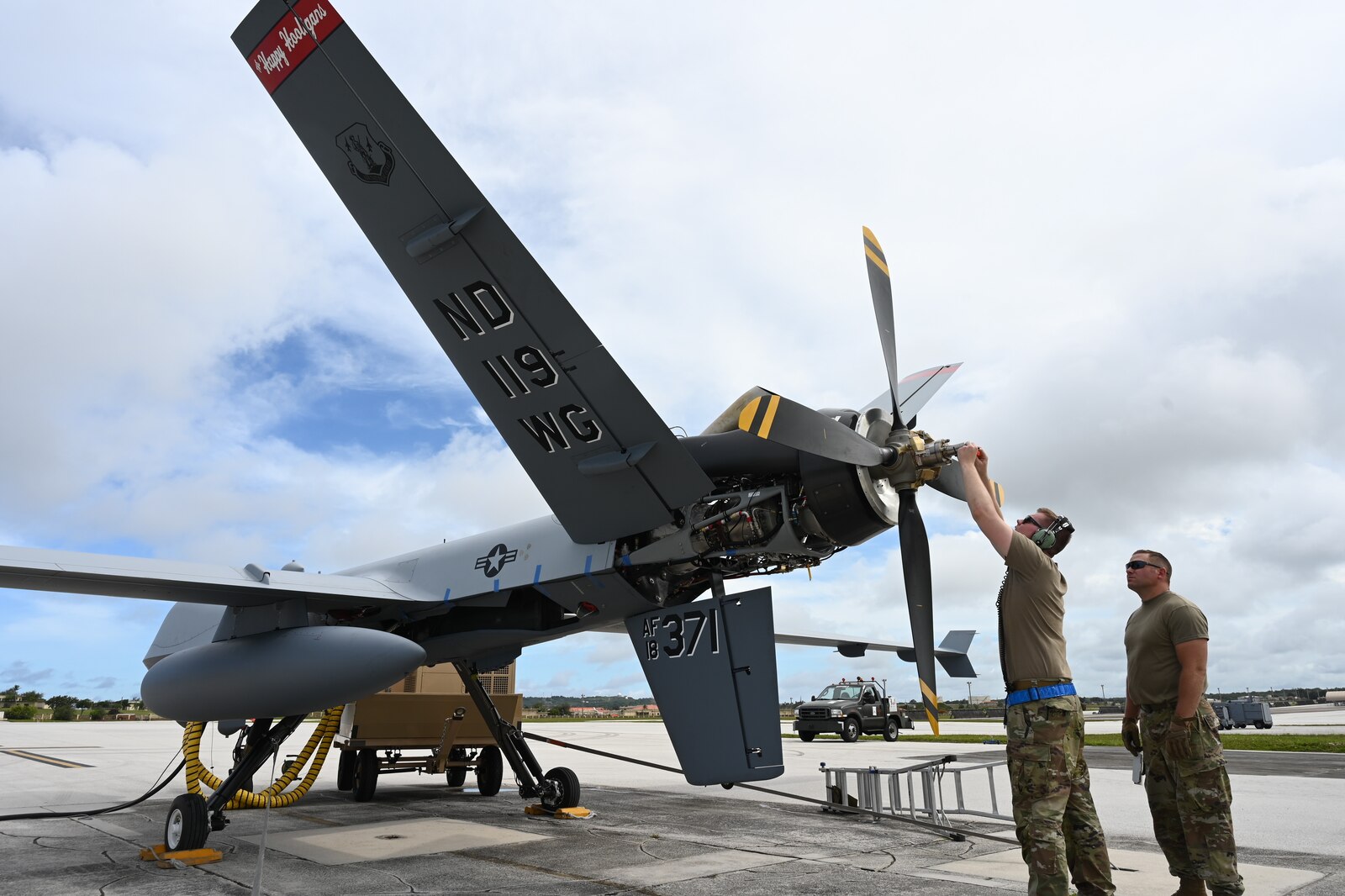 Video · hover to preview
Land
The Pentagon can now buy drones by the tens of thousands. It still cannot say how many units can crew and repair them.
Read opinion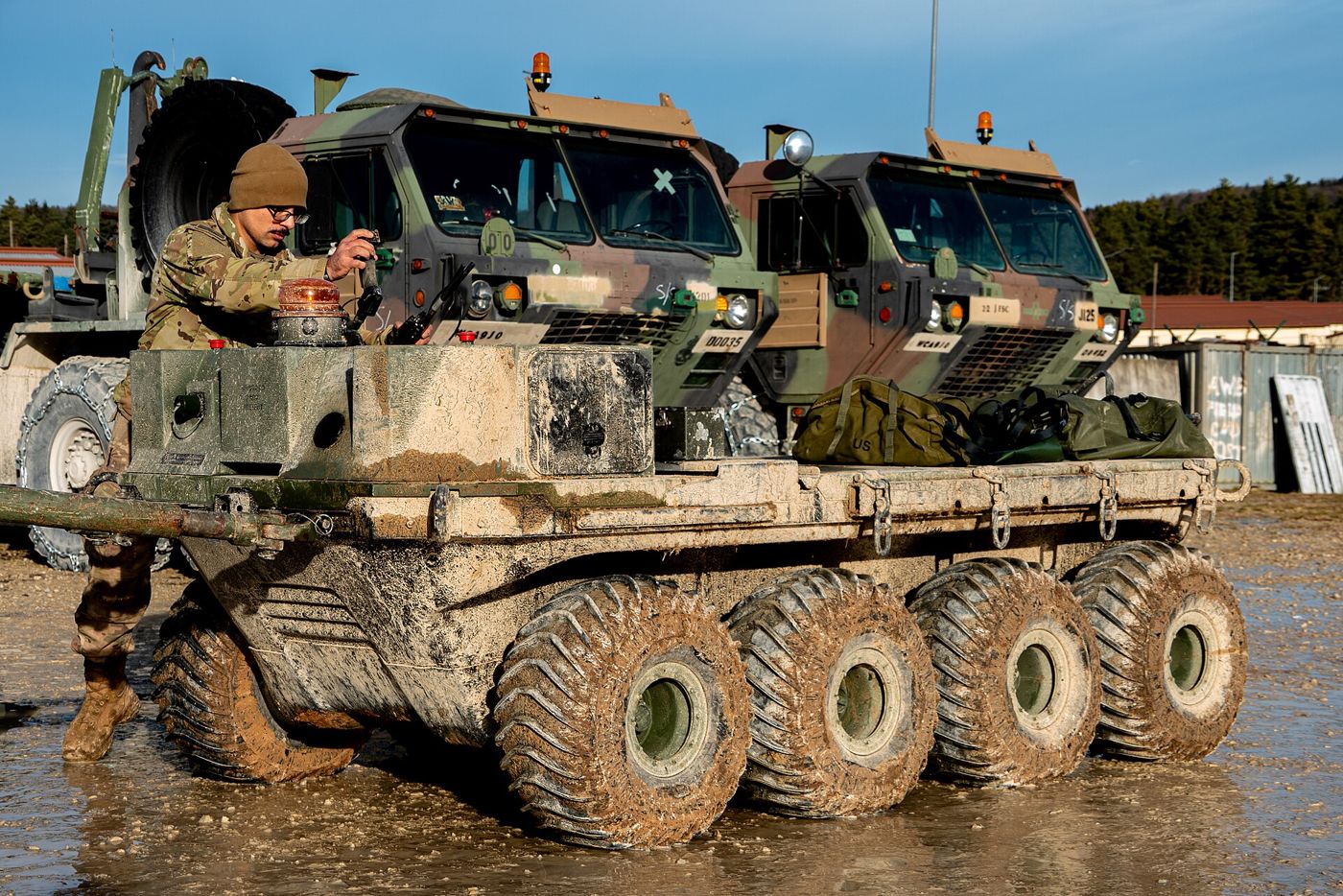 Video · hover to preview
Land
The Army is about to test logistics and casualty-evacuation robots again. Its assessments should count interventions, recoveries and maintenance hours, as Ukraine’s experience shows.
Read analysis Video · hover to preview
Land
The startup behind the Phantom robot cites $24 million in Pentagon contracts and trials in Ukraine. Published accounts and federal data differ on both.
Read analysis Video · hover to preview
Land
xTechHumanoid drew 103 proposals and nine live demonstrations at Quantico. The Army published winners but no task results, scores or fielding plans.
Read analysis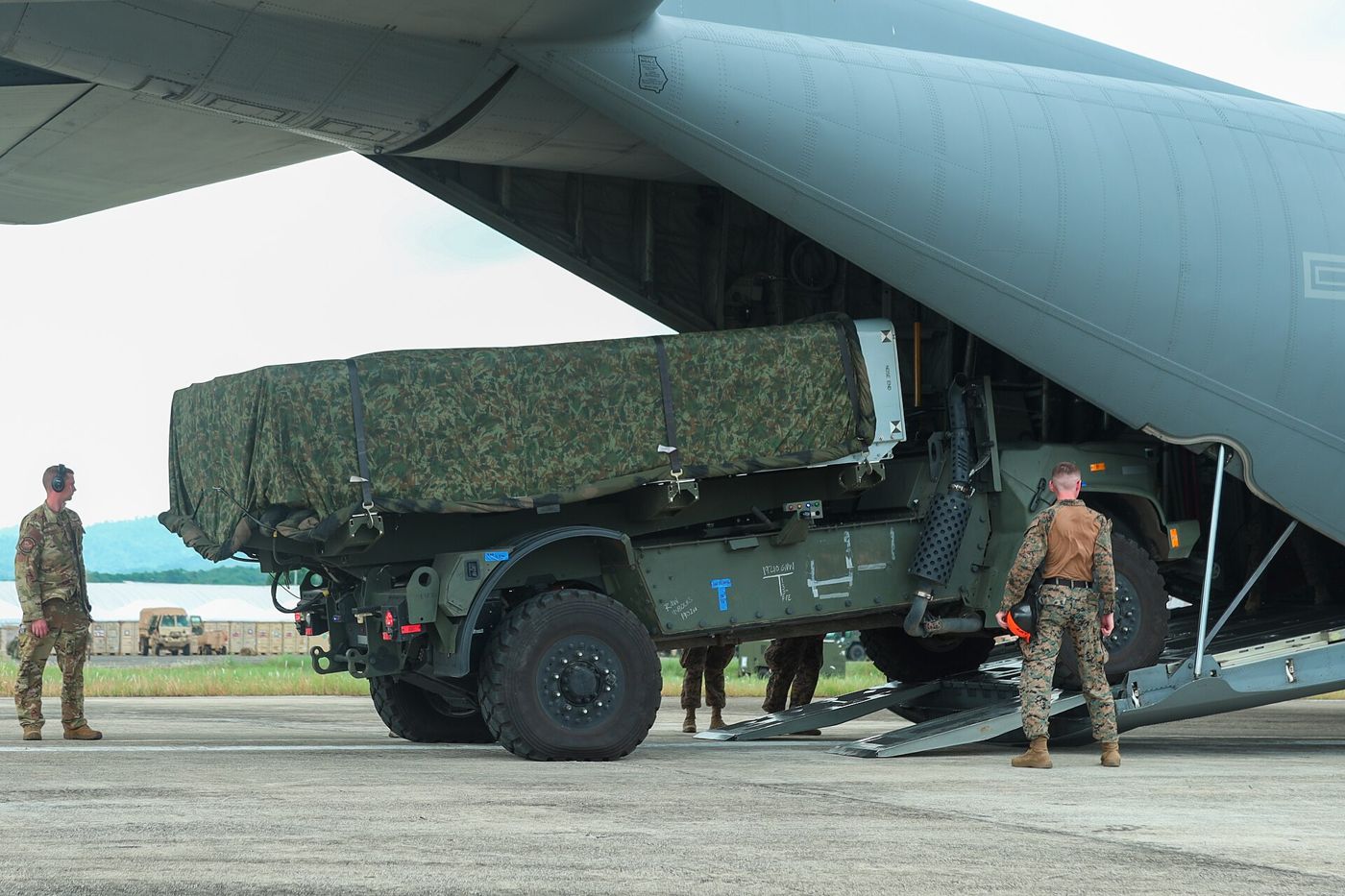 Video · hover to preview
Land
NMESIS reached two littoral regiments as a towed, tele-operated missile launcher. Autonomy is arriving afterward, under contract, and that ordering is the lesson.
Read analysis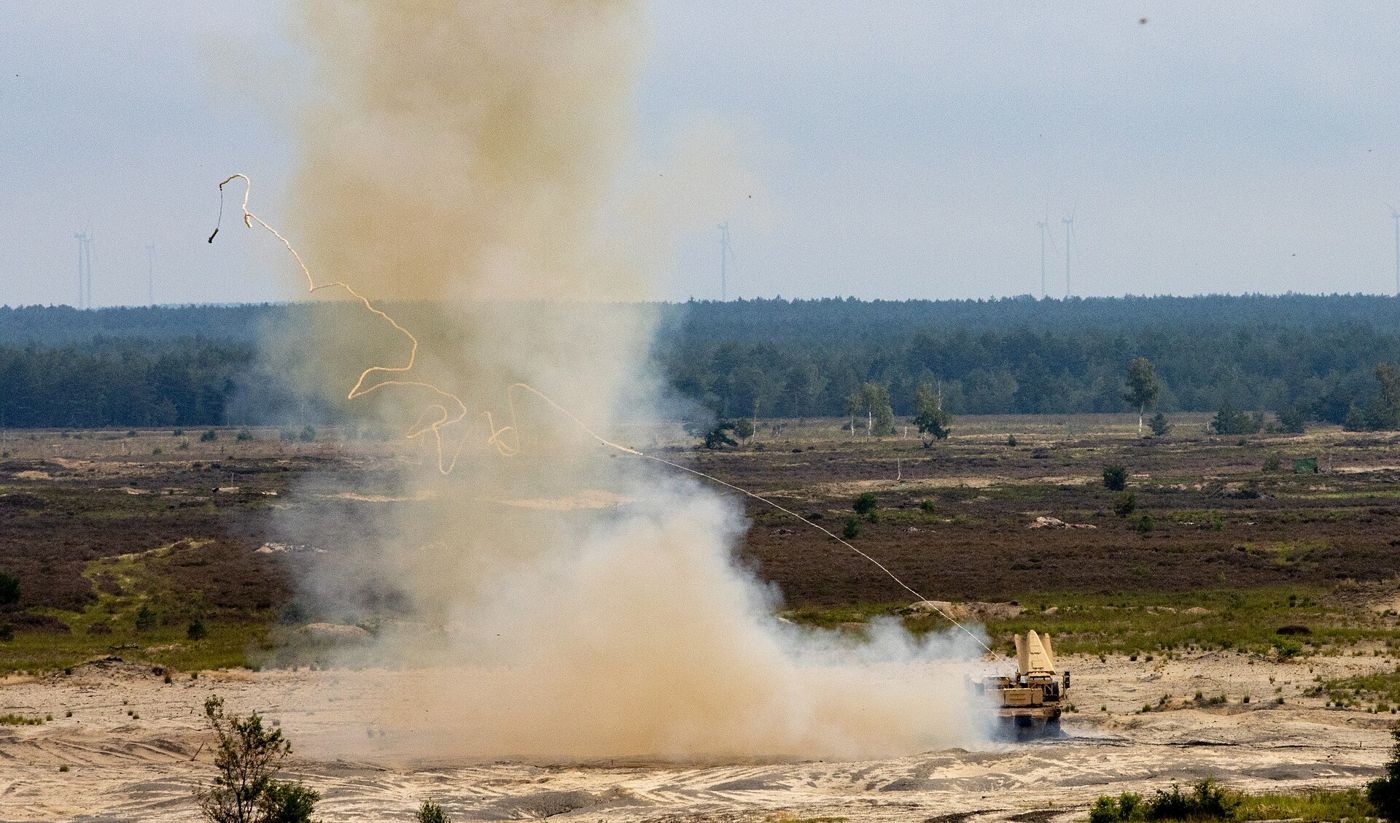 Video · hover to preview
Land
The Army picked four firms to prototype autonomous breaching. Ukraine’s 2023 failures show what a 2027 soldier assessment must prove before any production decision.
Read explainer