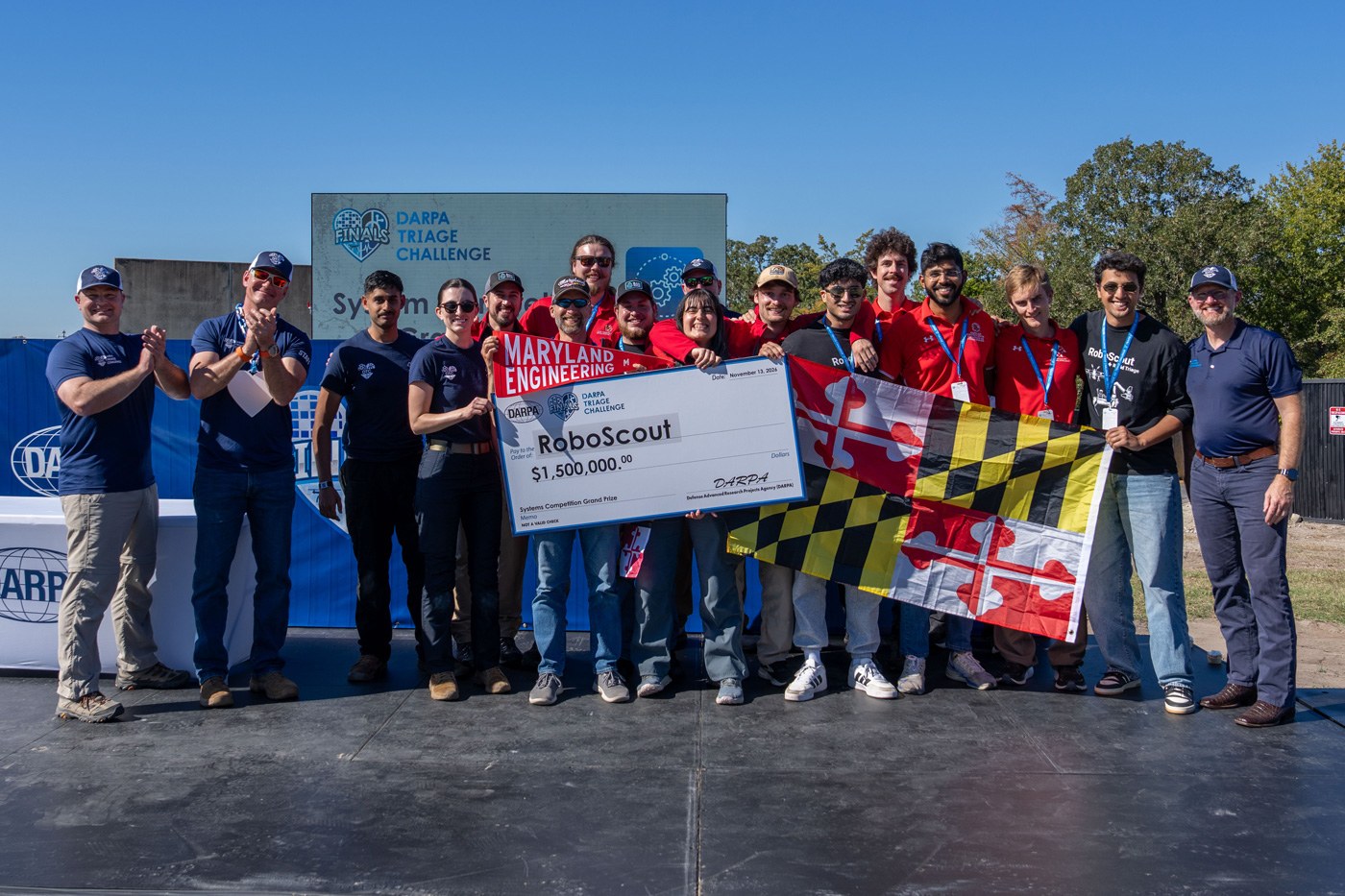
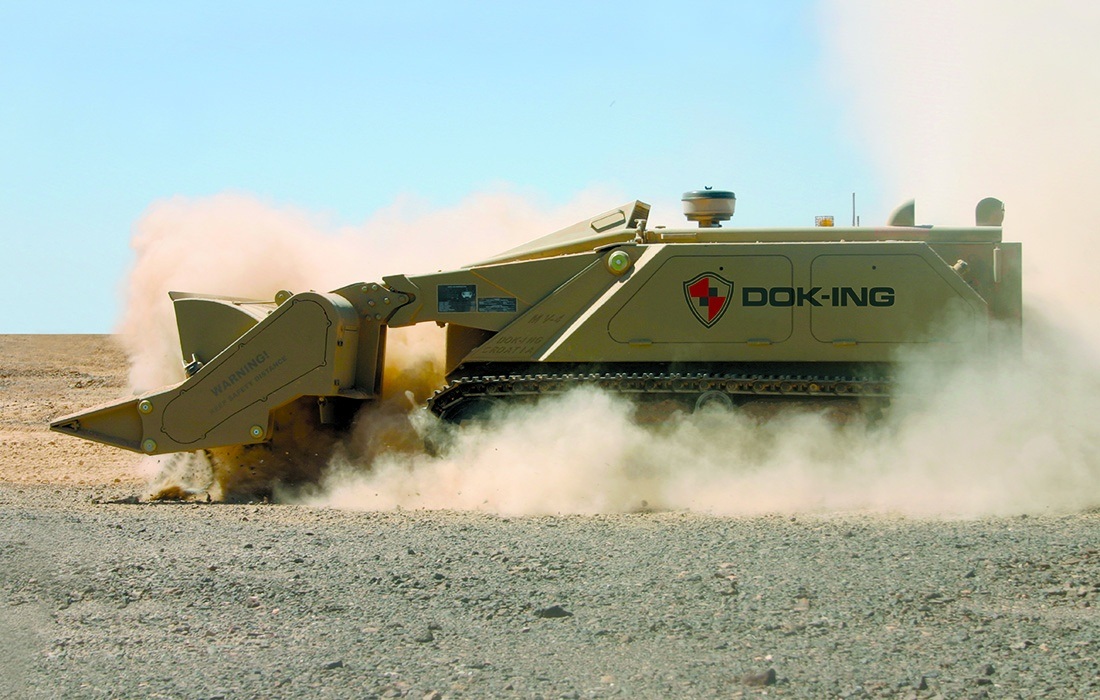
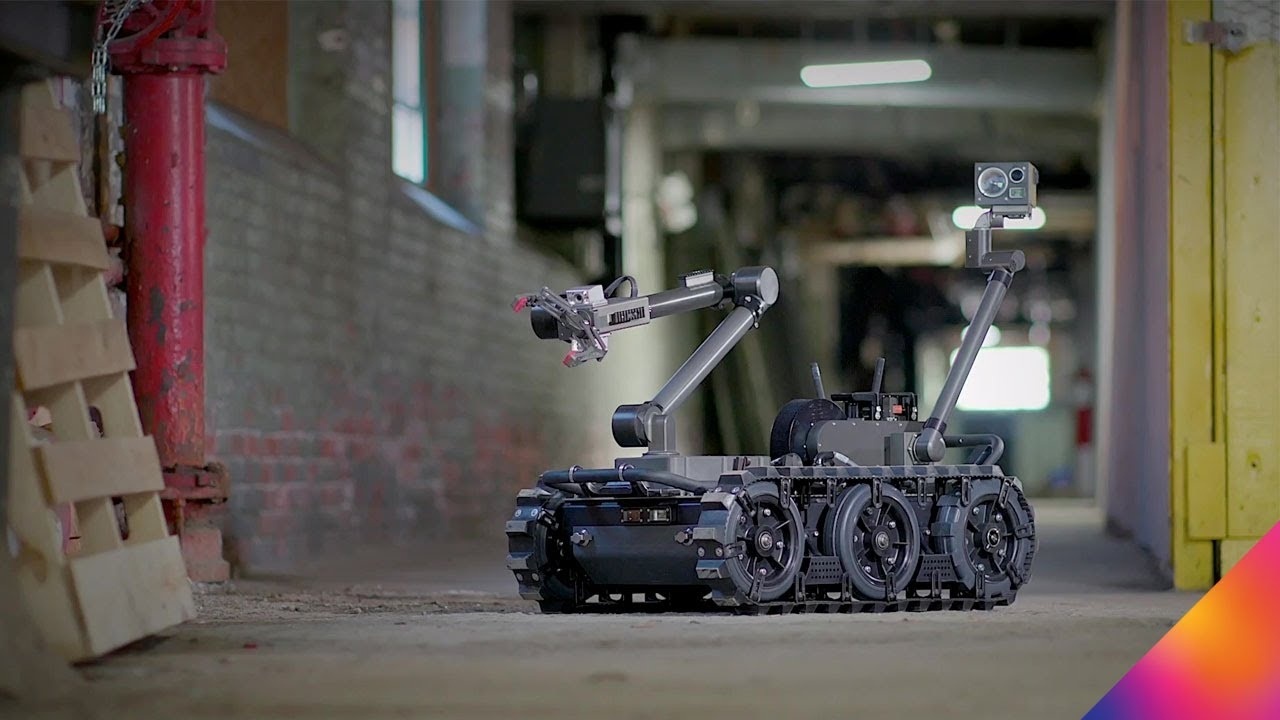
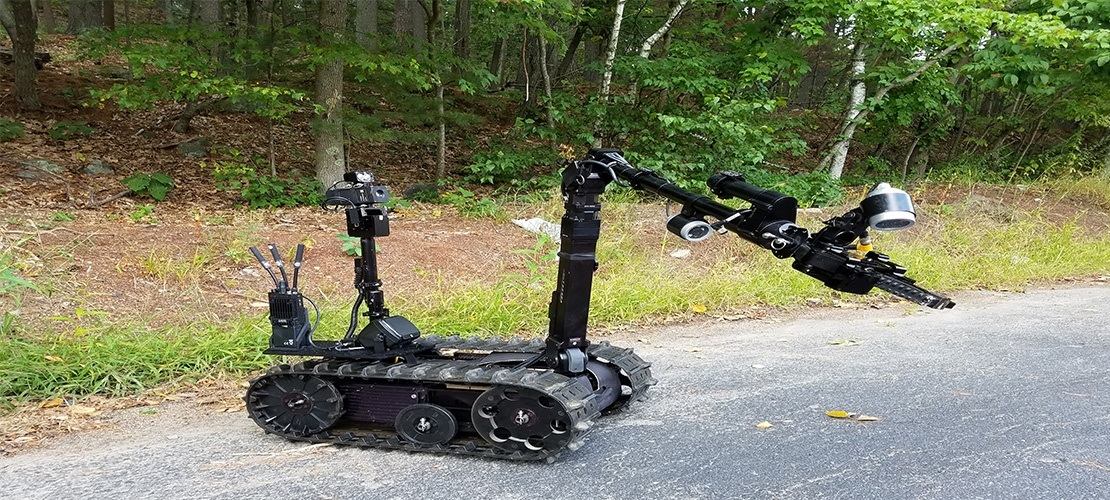
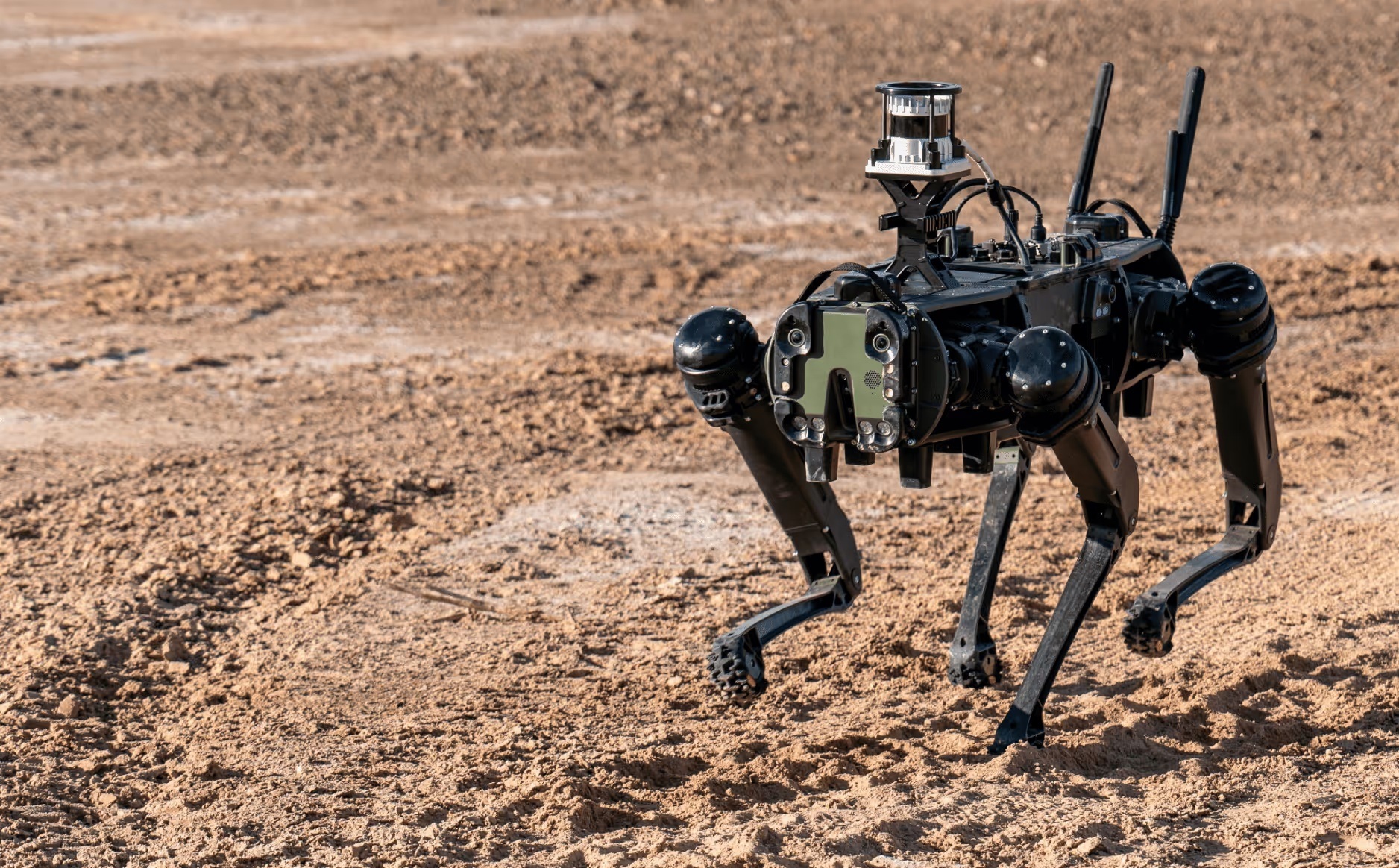
DARPA’s finals reward human-machine performance in simulated disasters. Adoption still requires evidence about the information medics receive and the work it changes.
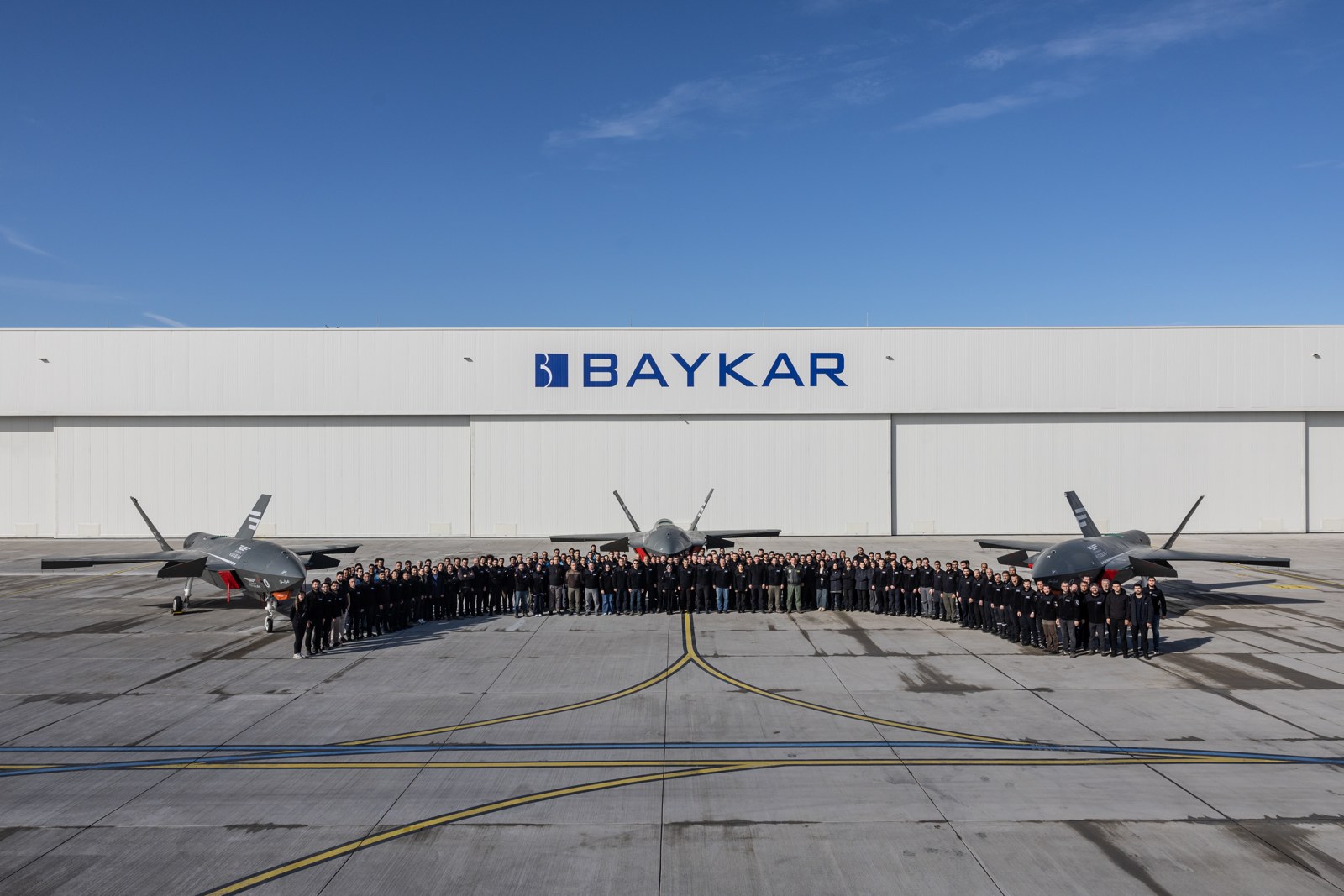
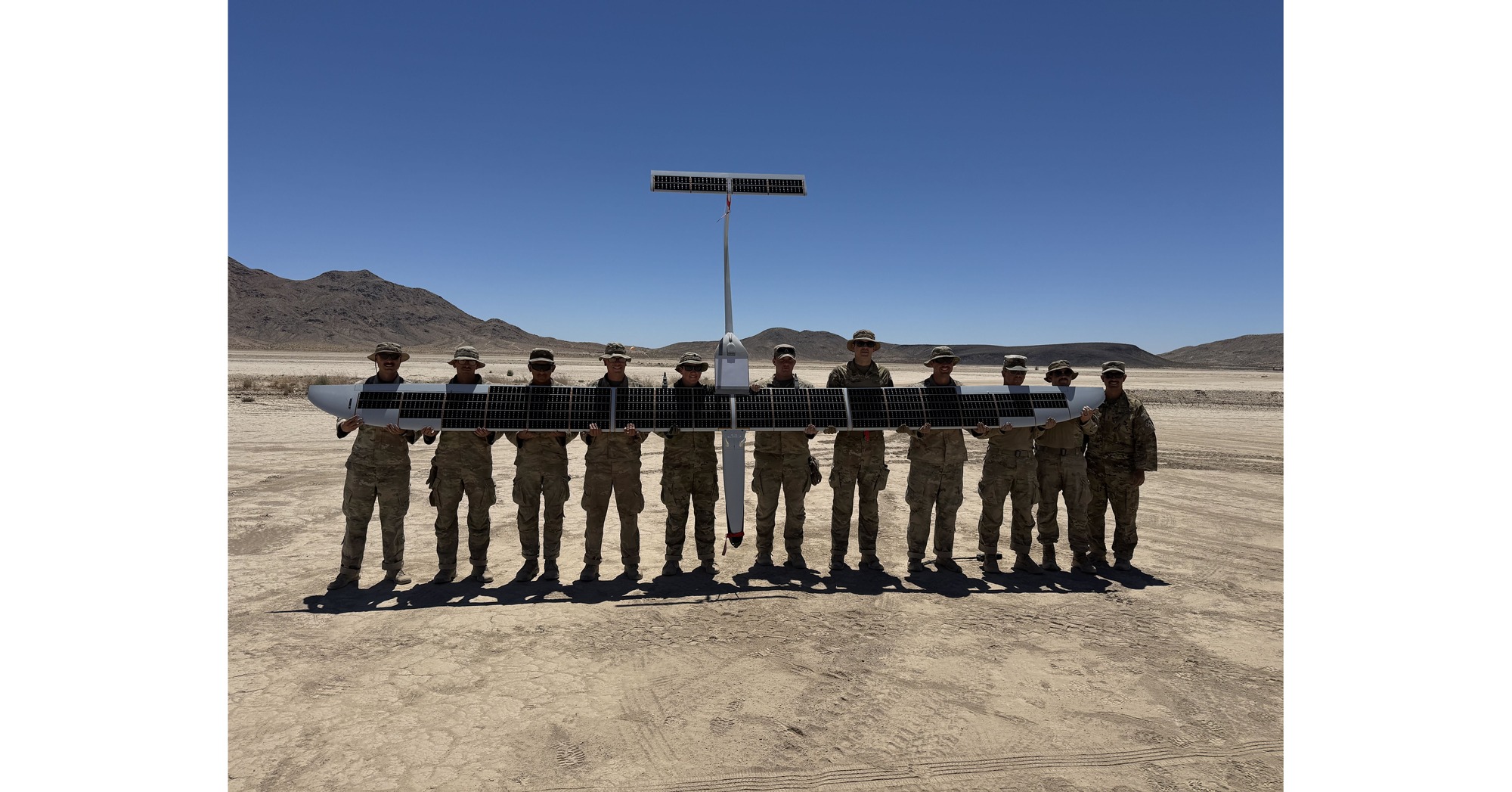
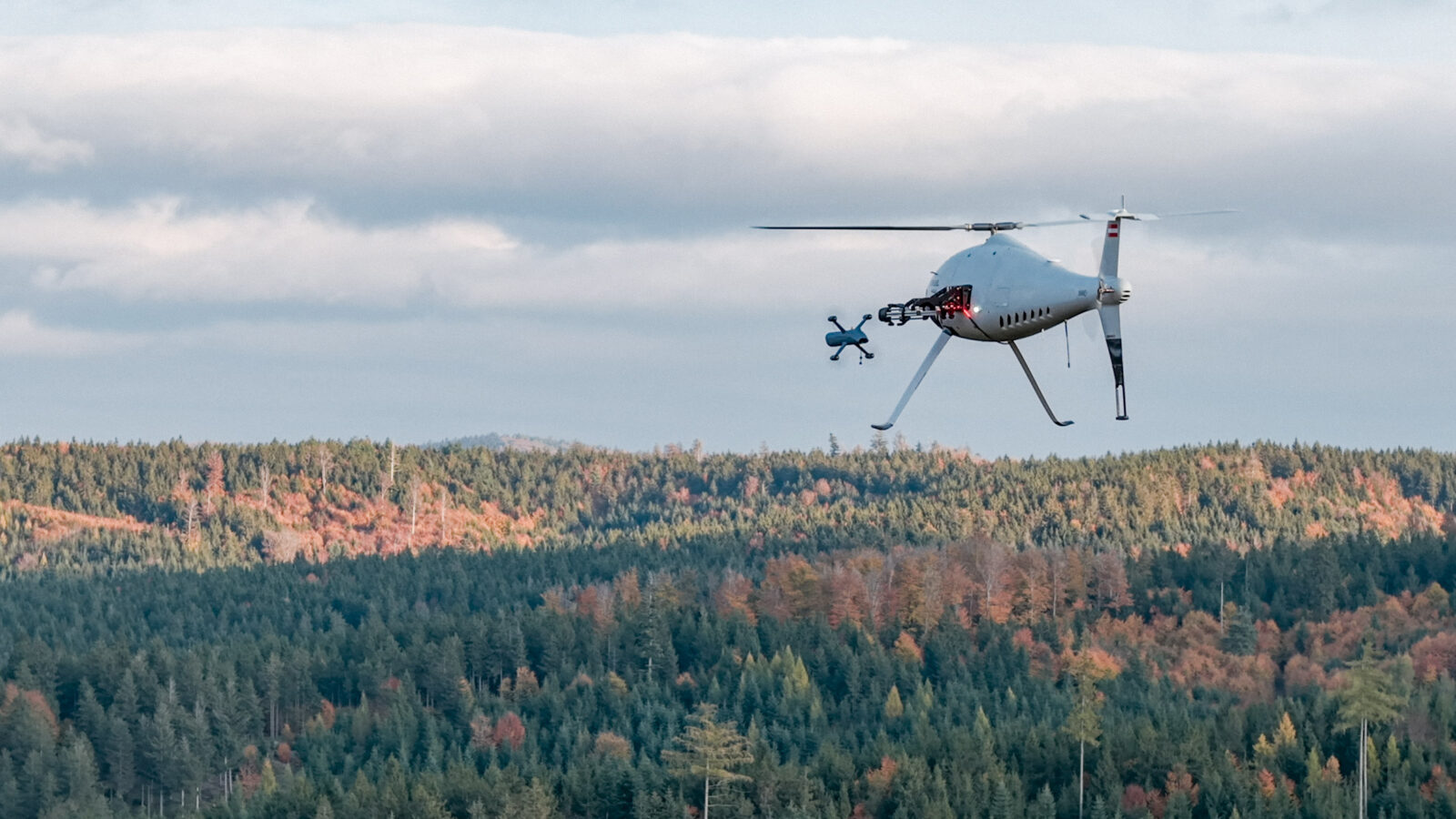
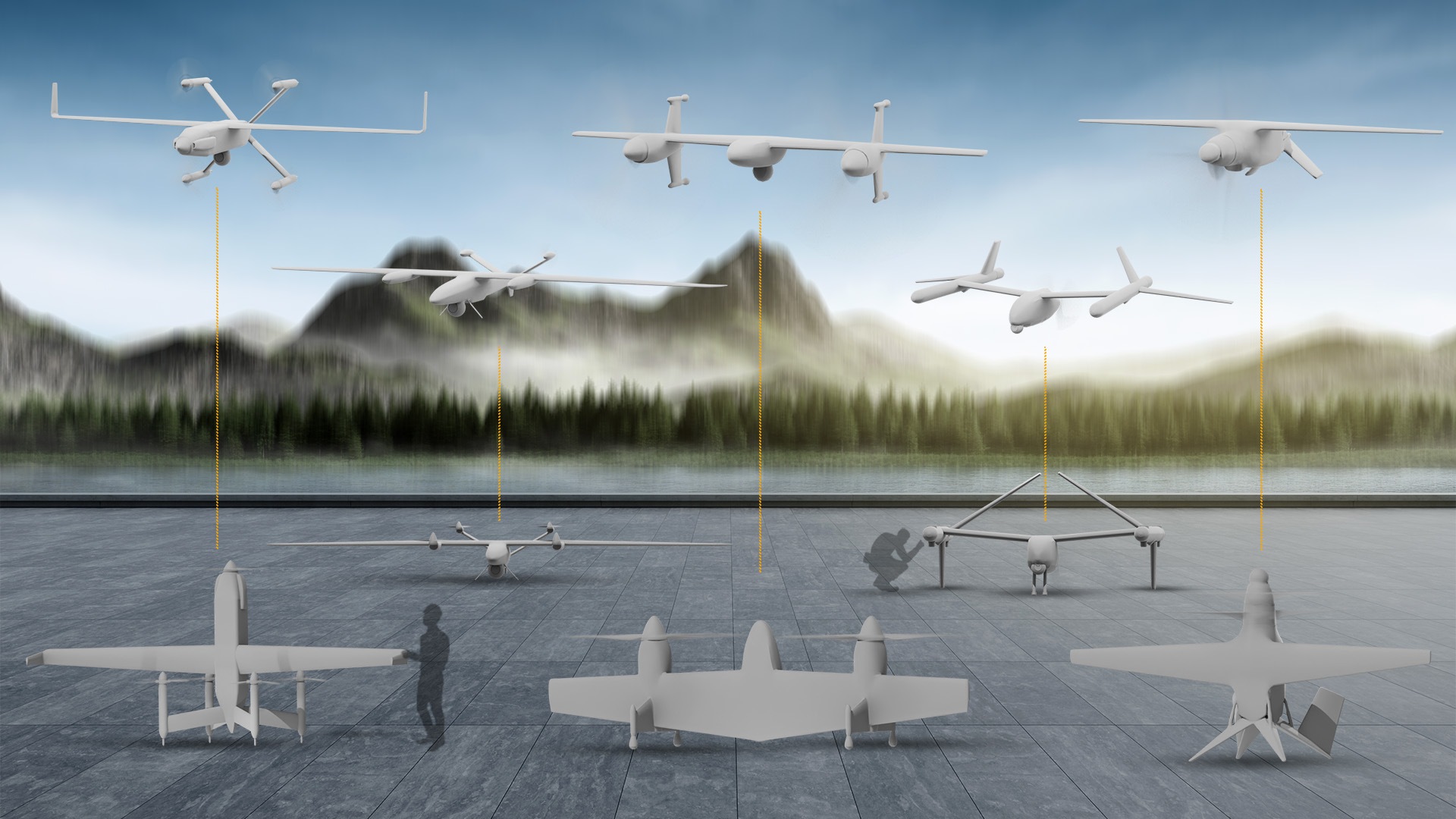
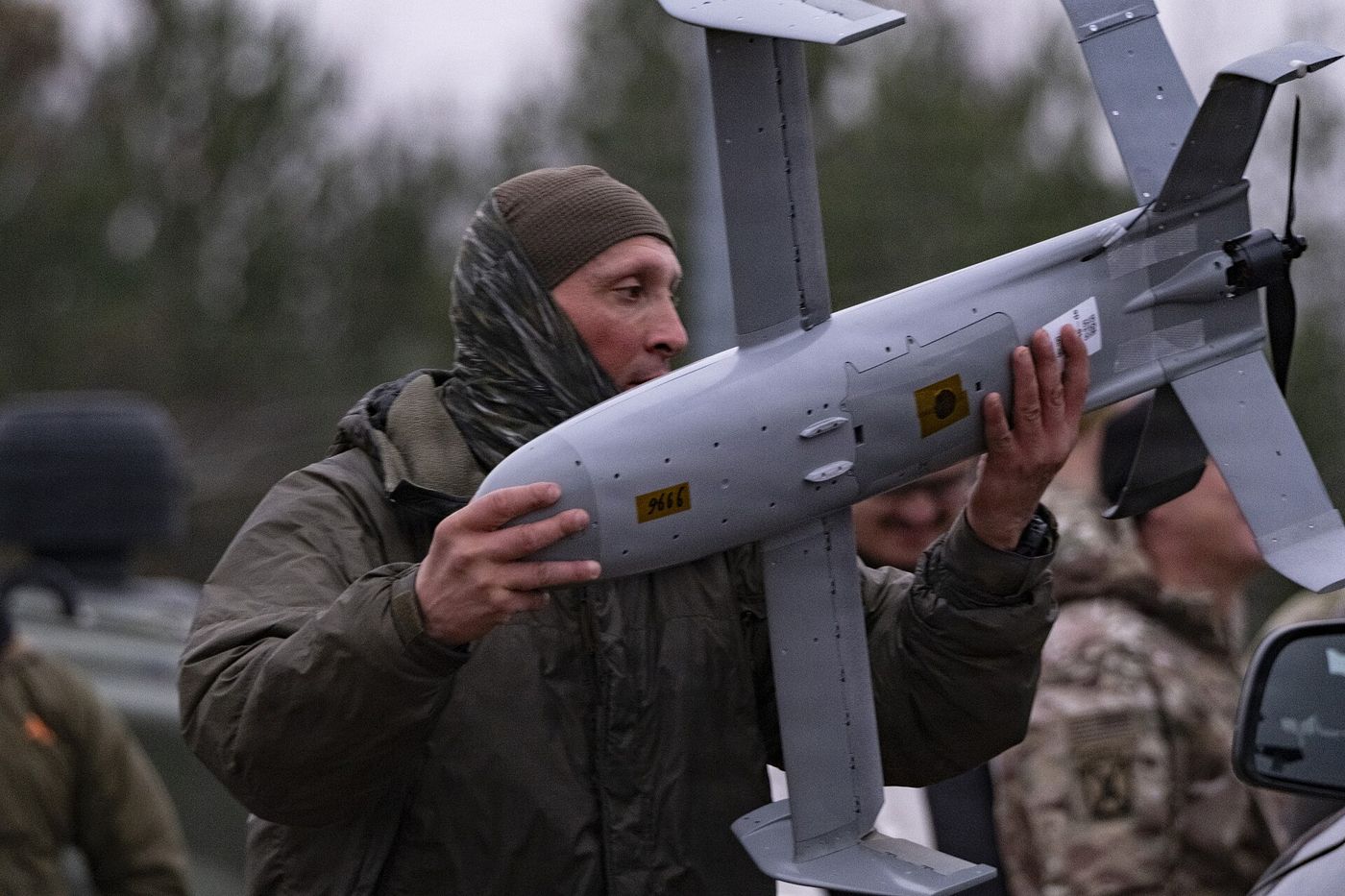
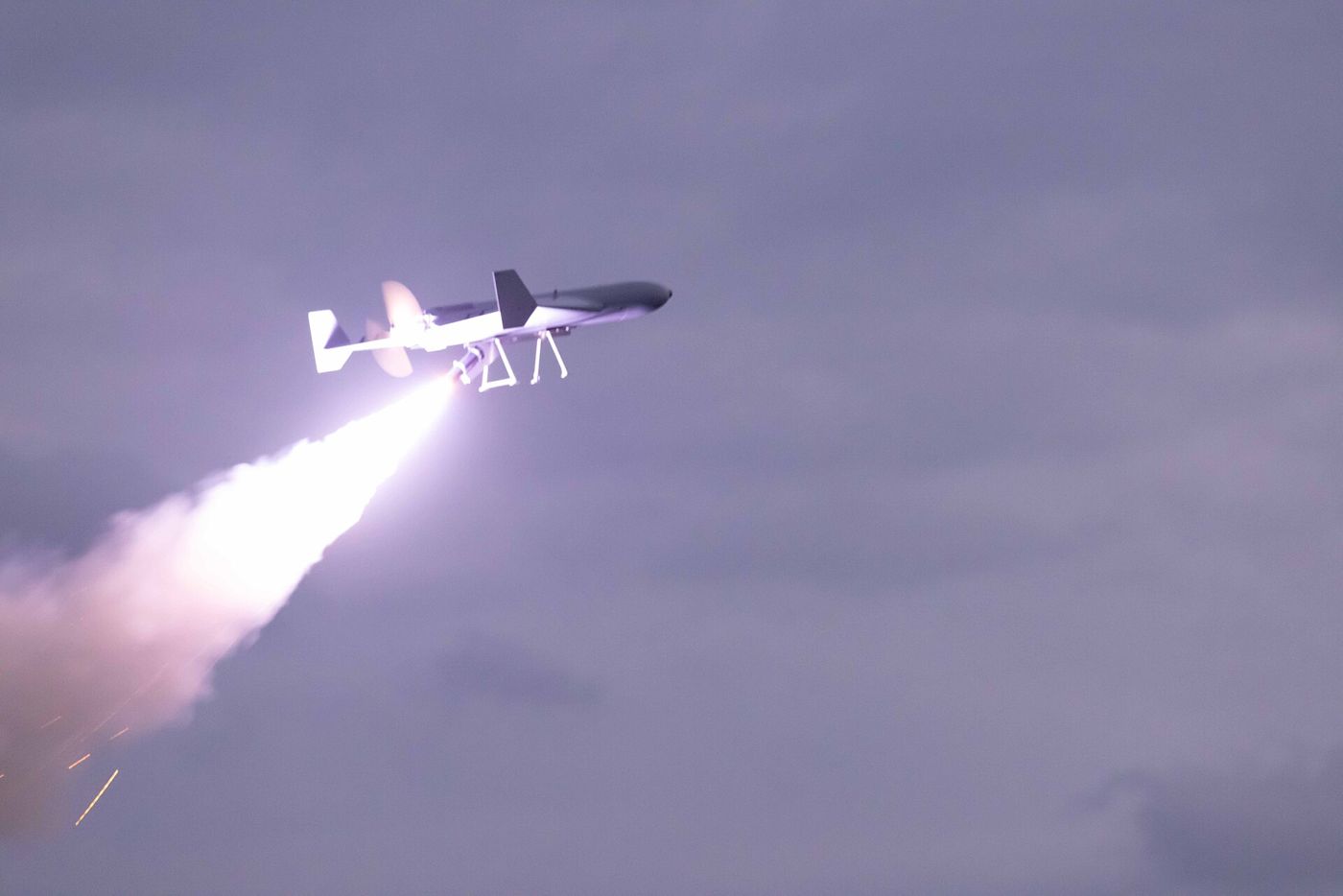
Baykar reports three accepted aircraft. The milestone establishes an initial handover while leaving mission availability and the human command role to be demonstrated.
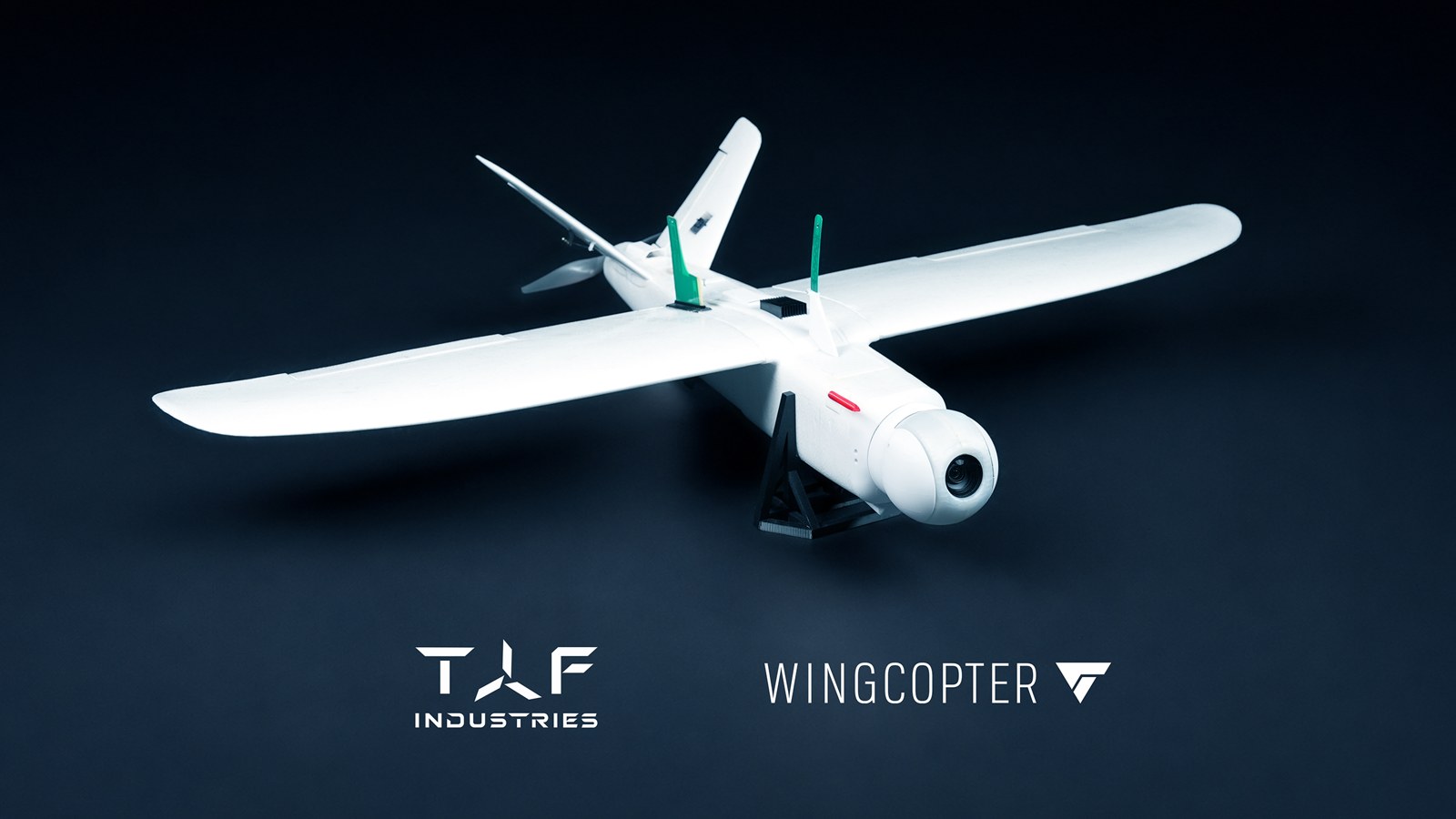
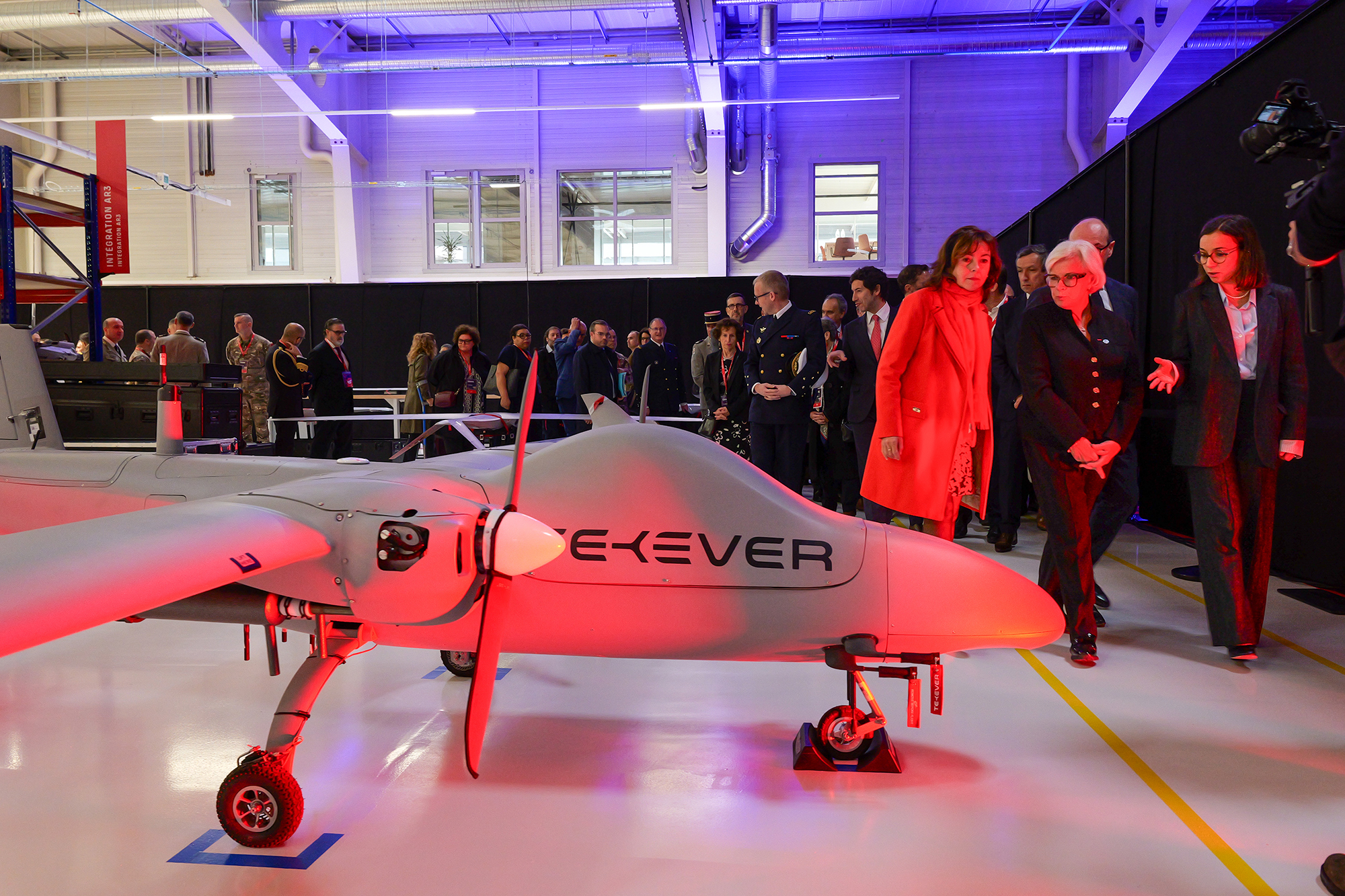
The announced €34 million commitment supports reconnaissance-drone production. Accepted systems and a repeatable support chain will determine its operational value.
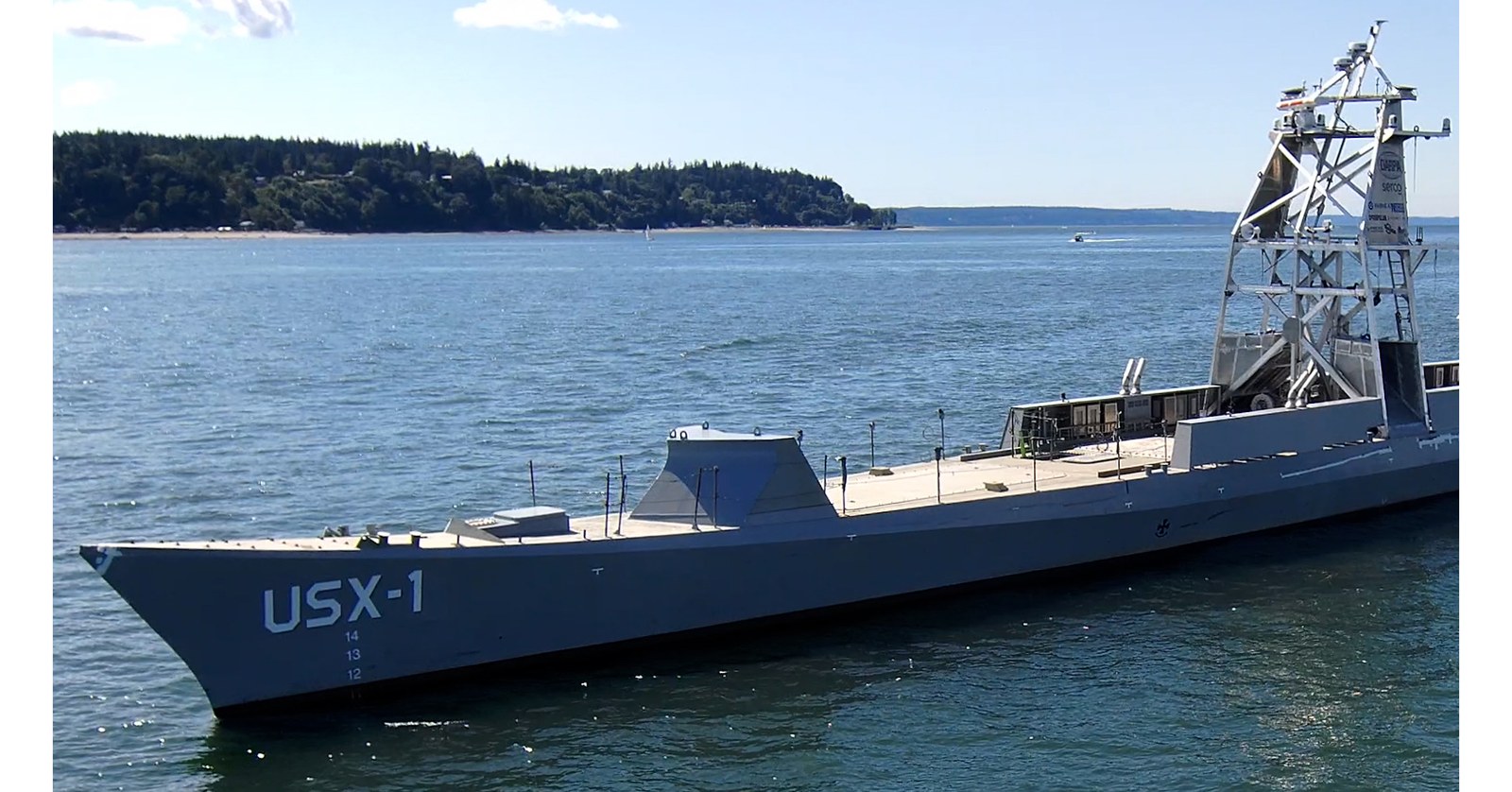
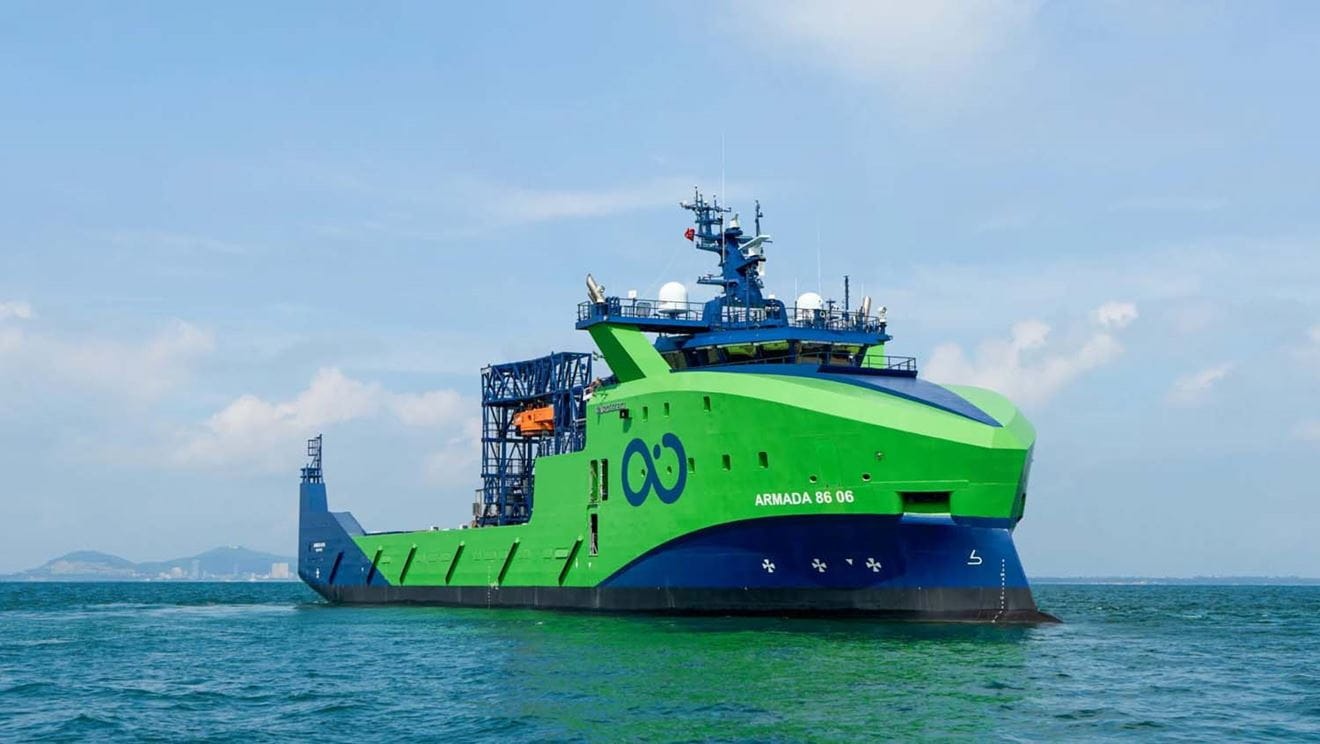
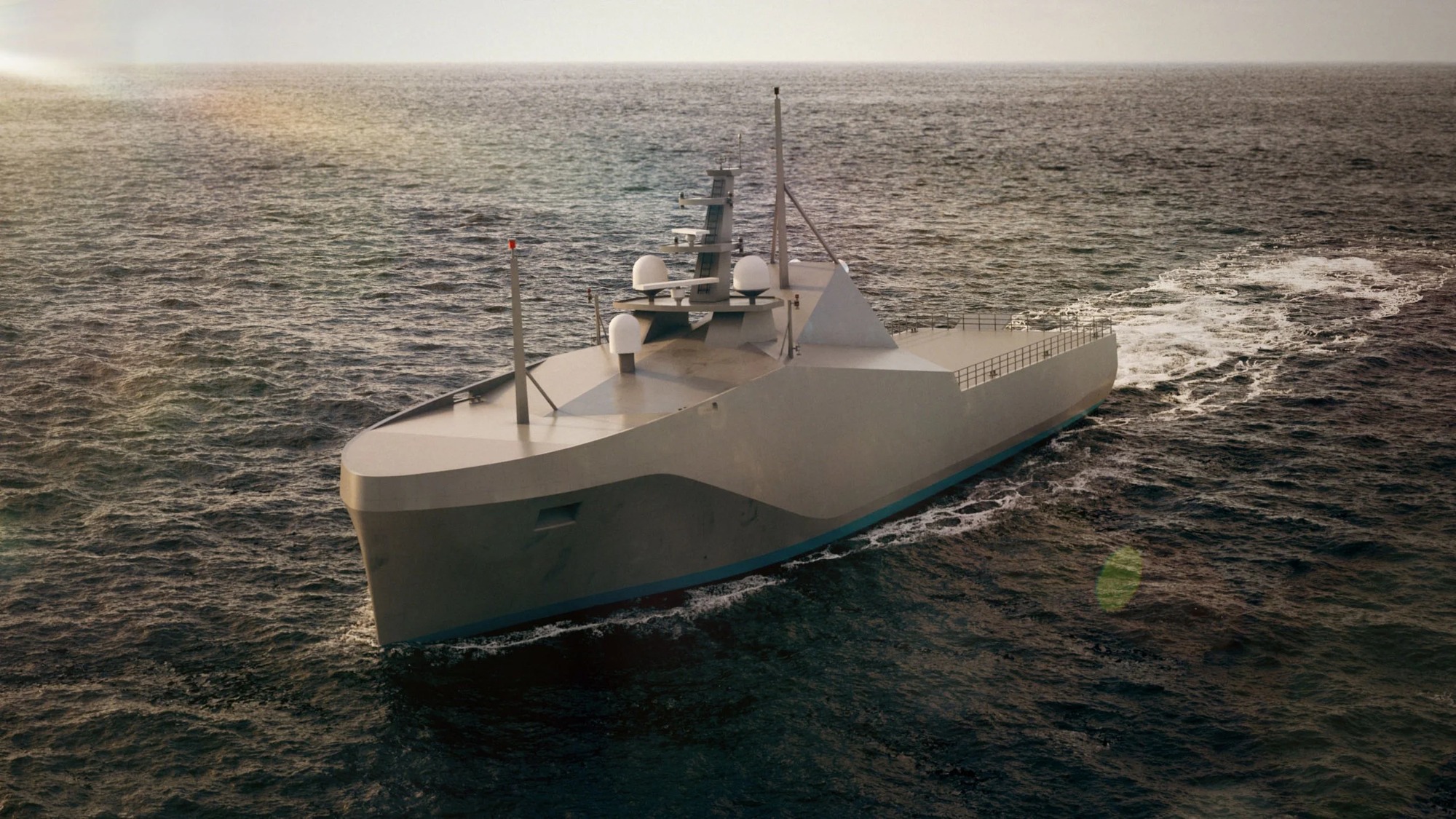
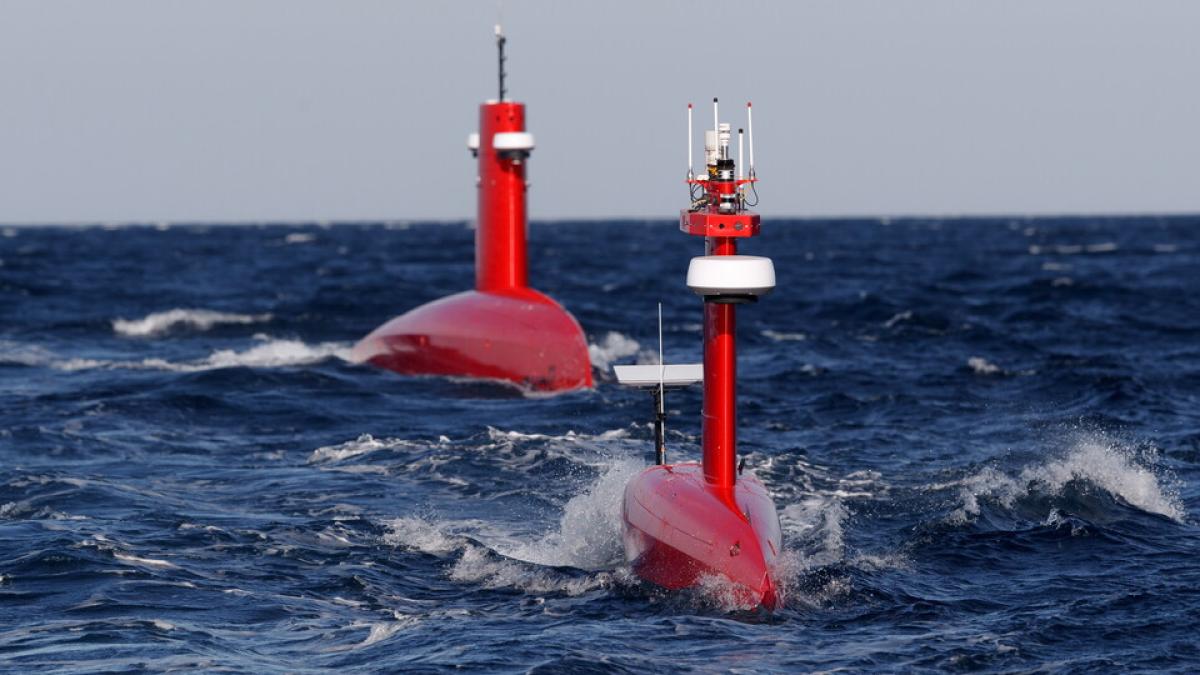
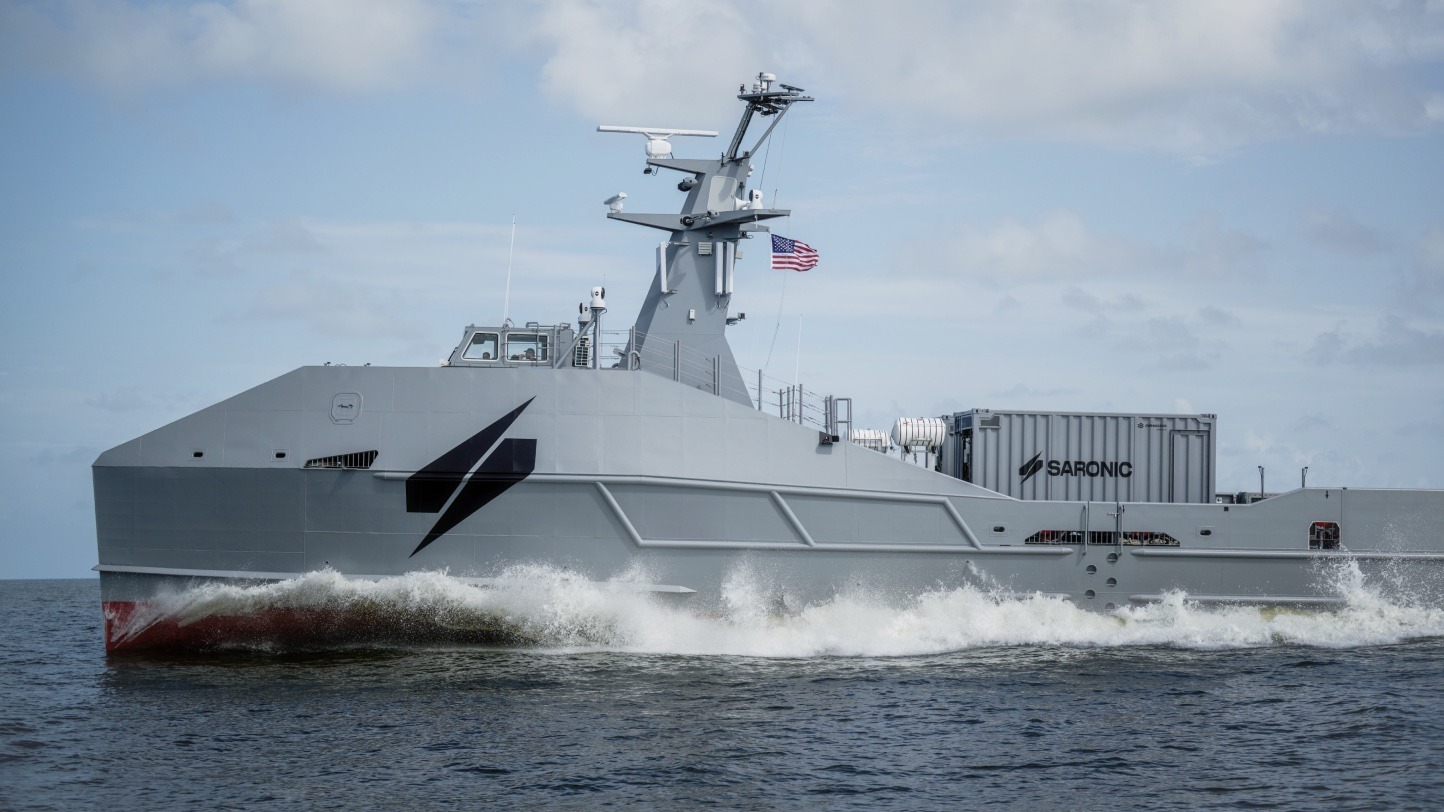
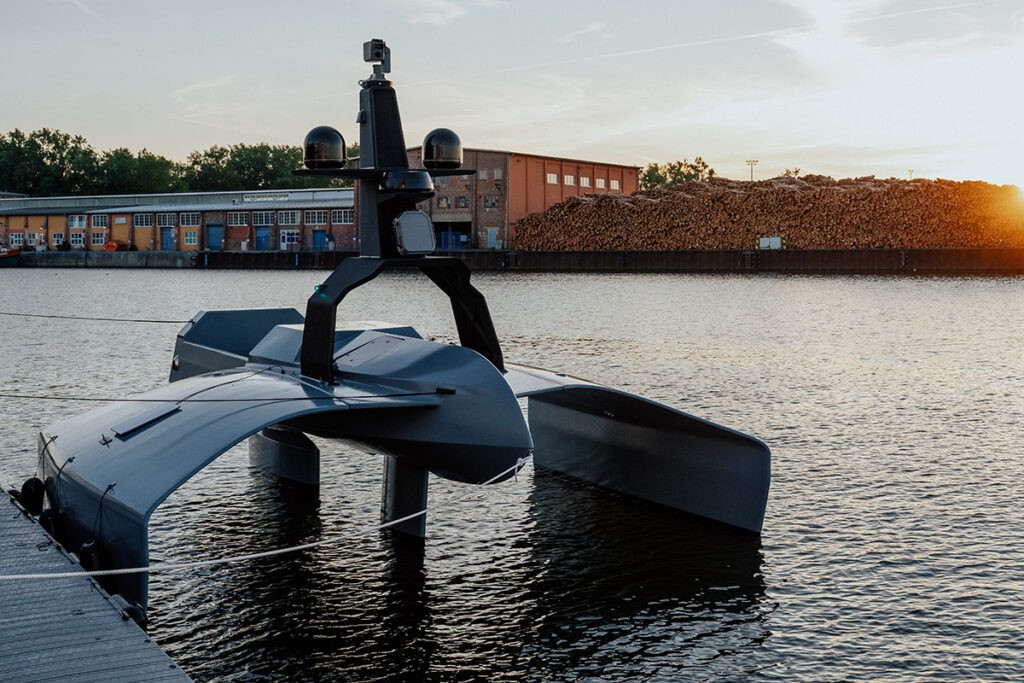
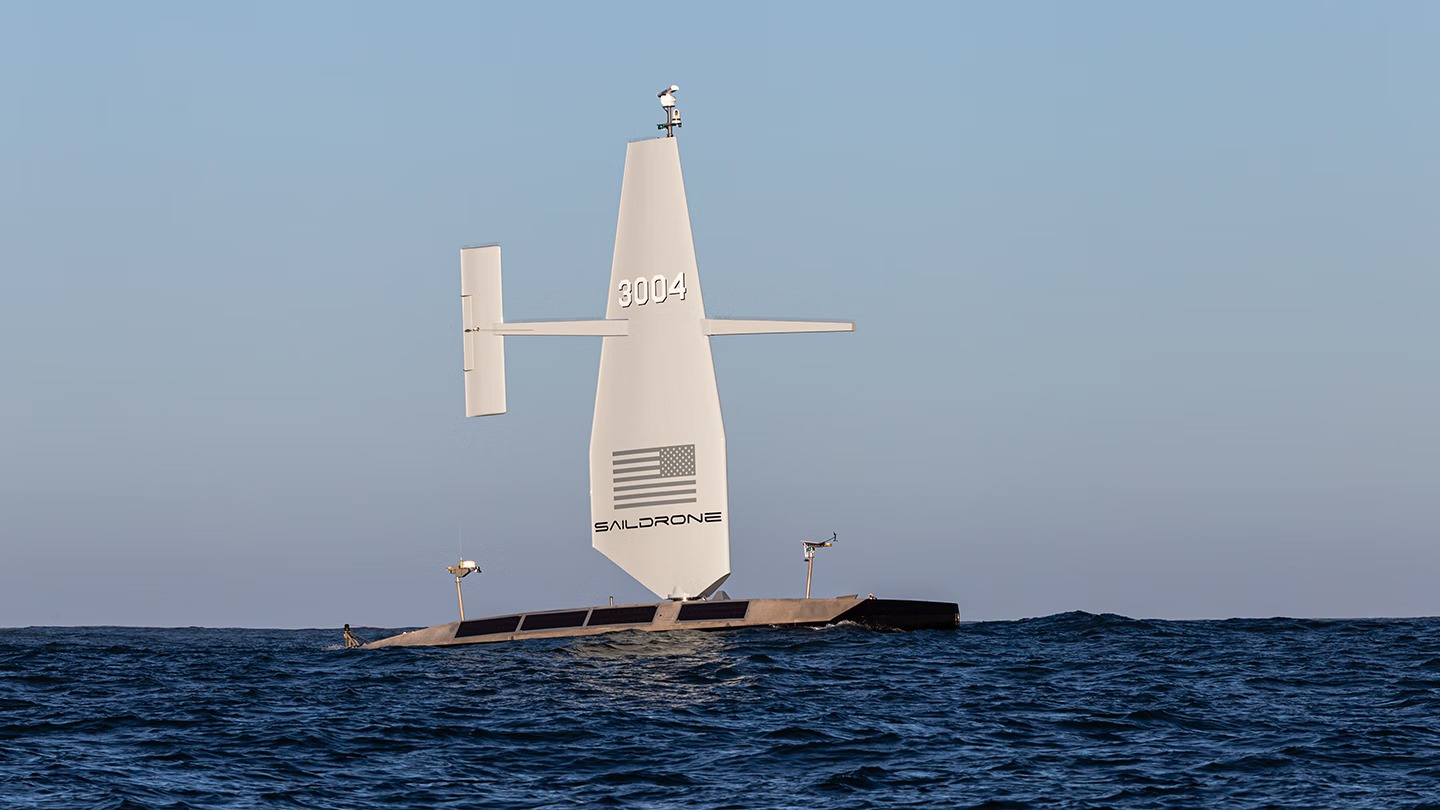
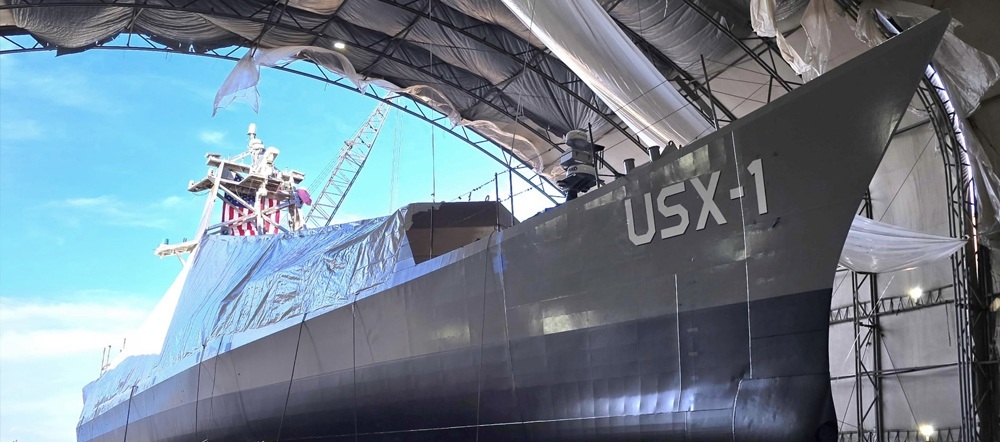
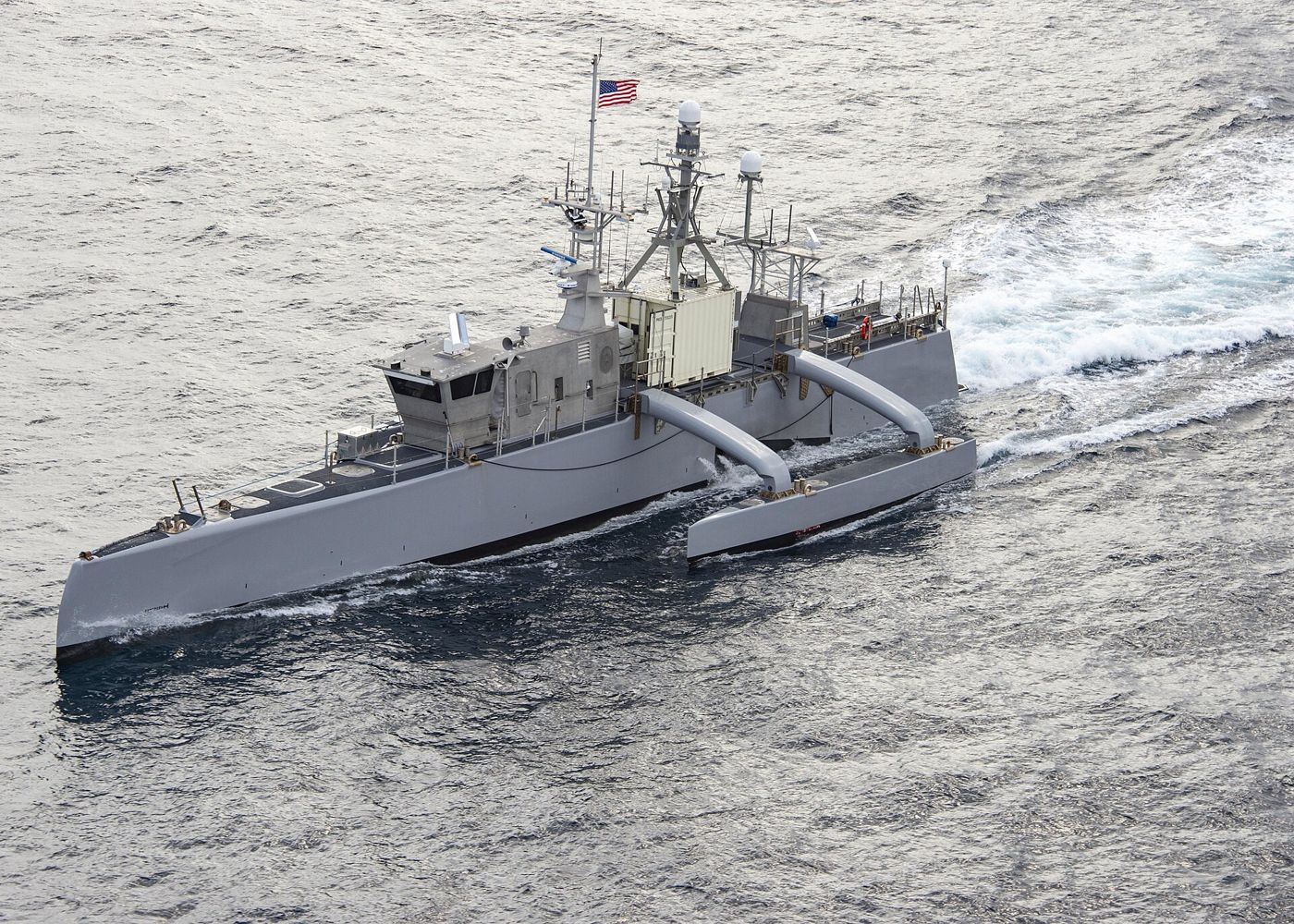
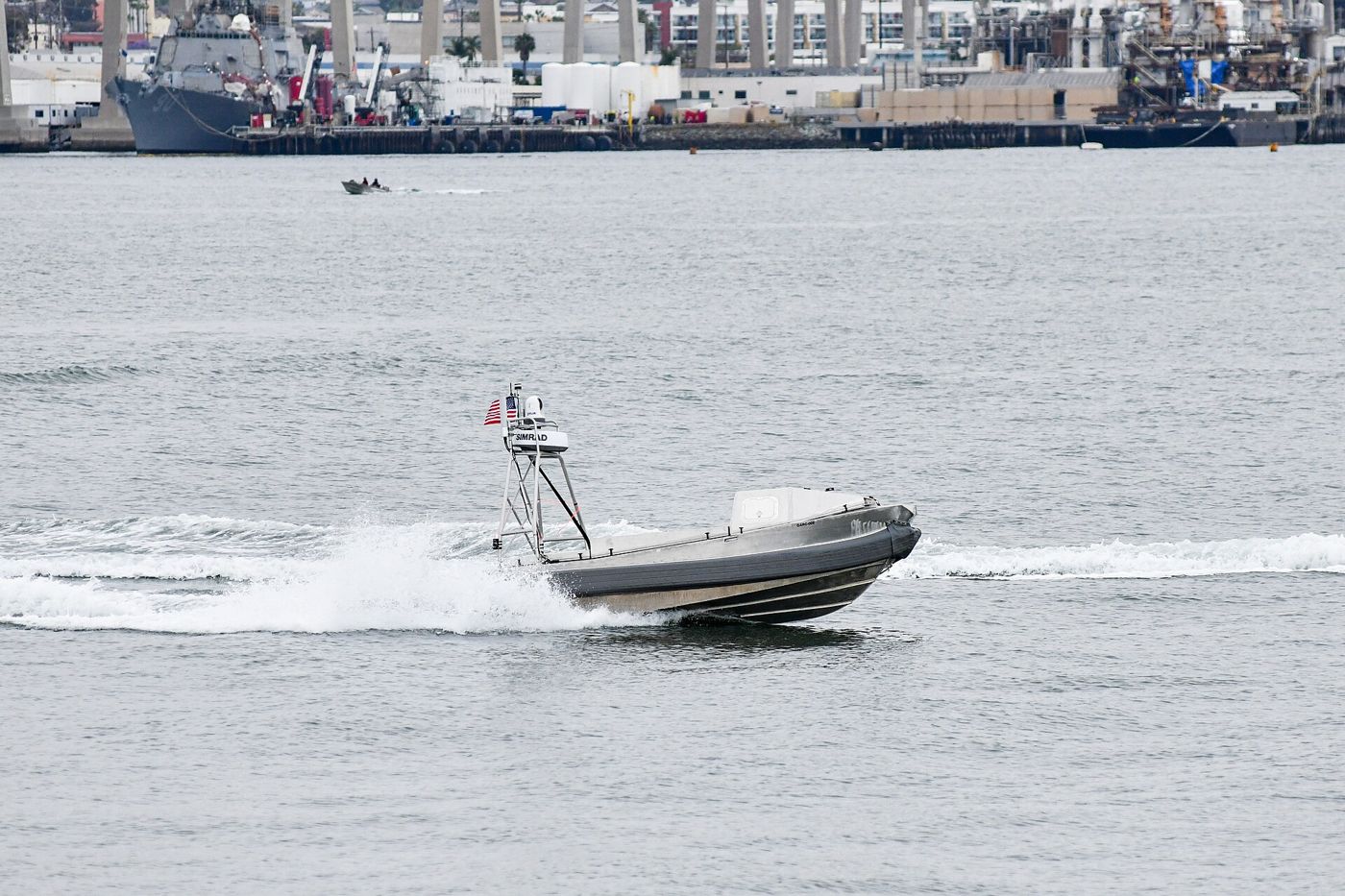
A crewless ship needs more than navigation. Its electrical system must recognize and contain problems that an onboard technician would ordinarily resolve.
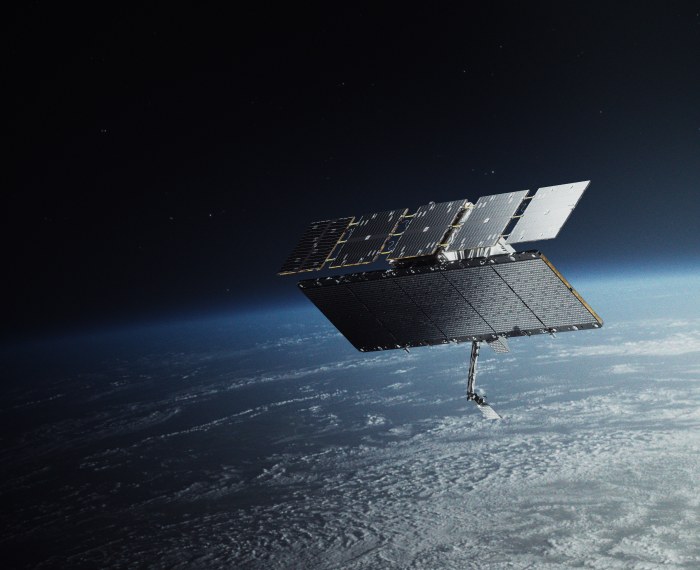
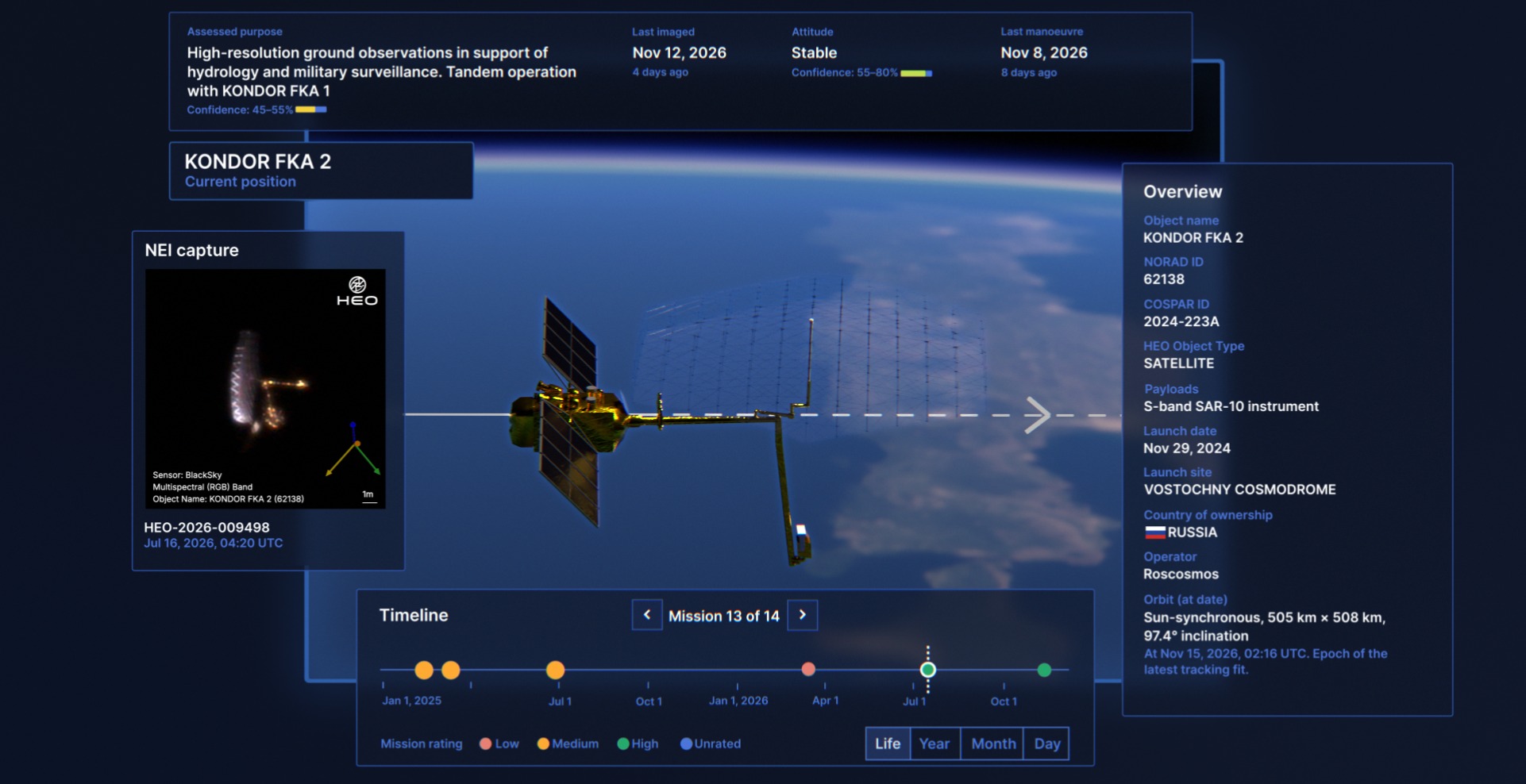
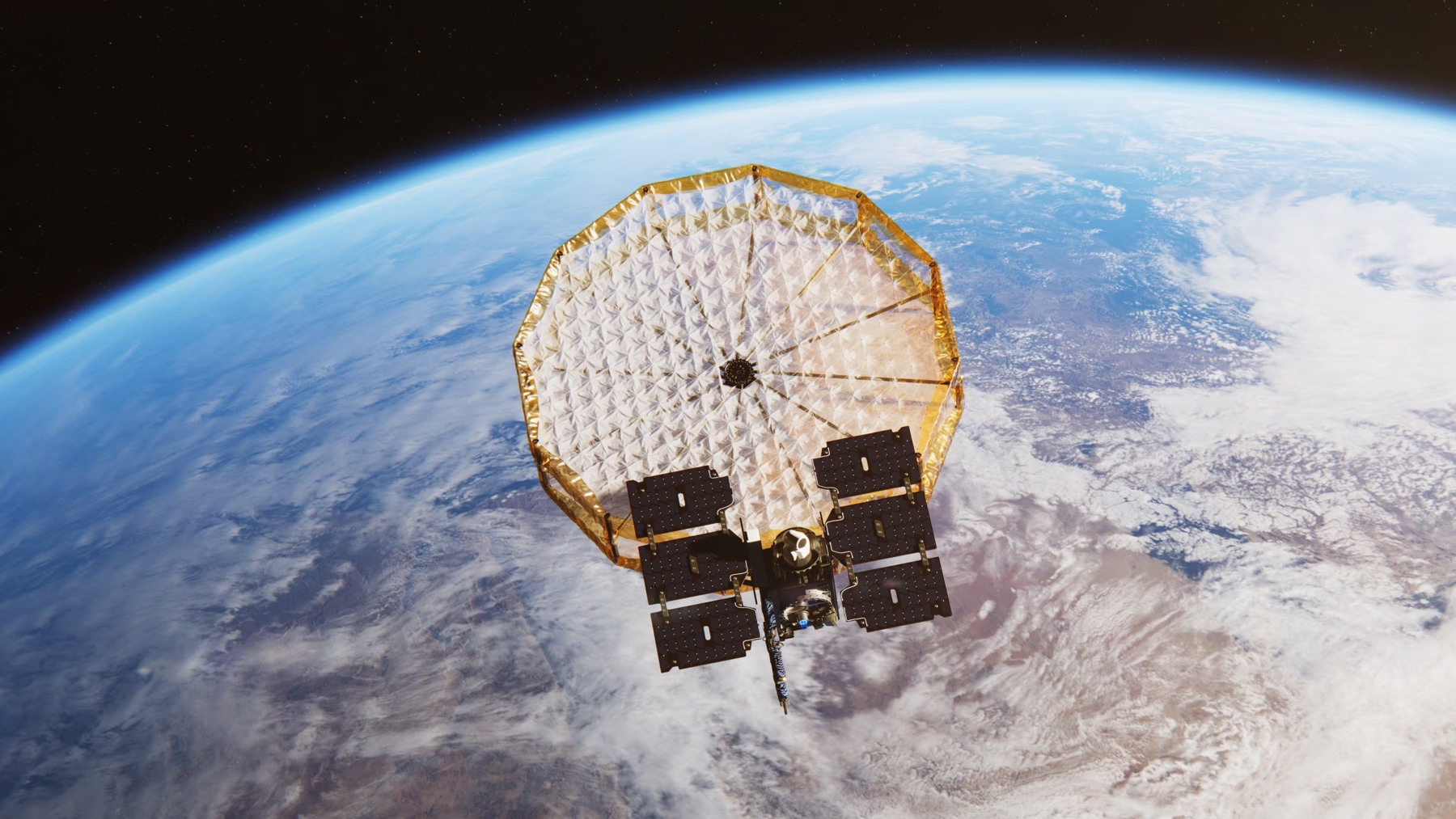
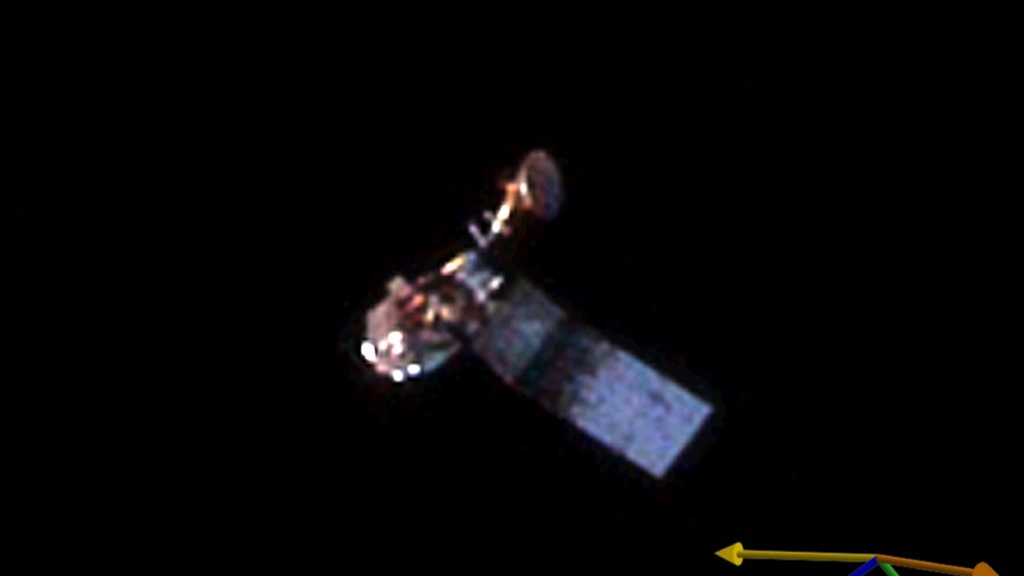
The planned SAR spacecraft combines sharper imaging with broader mission options. Its 2028 schedule keeps launch, calibration and delivered service central to the assessment.
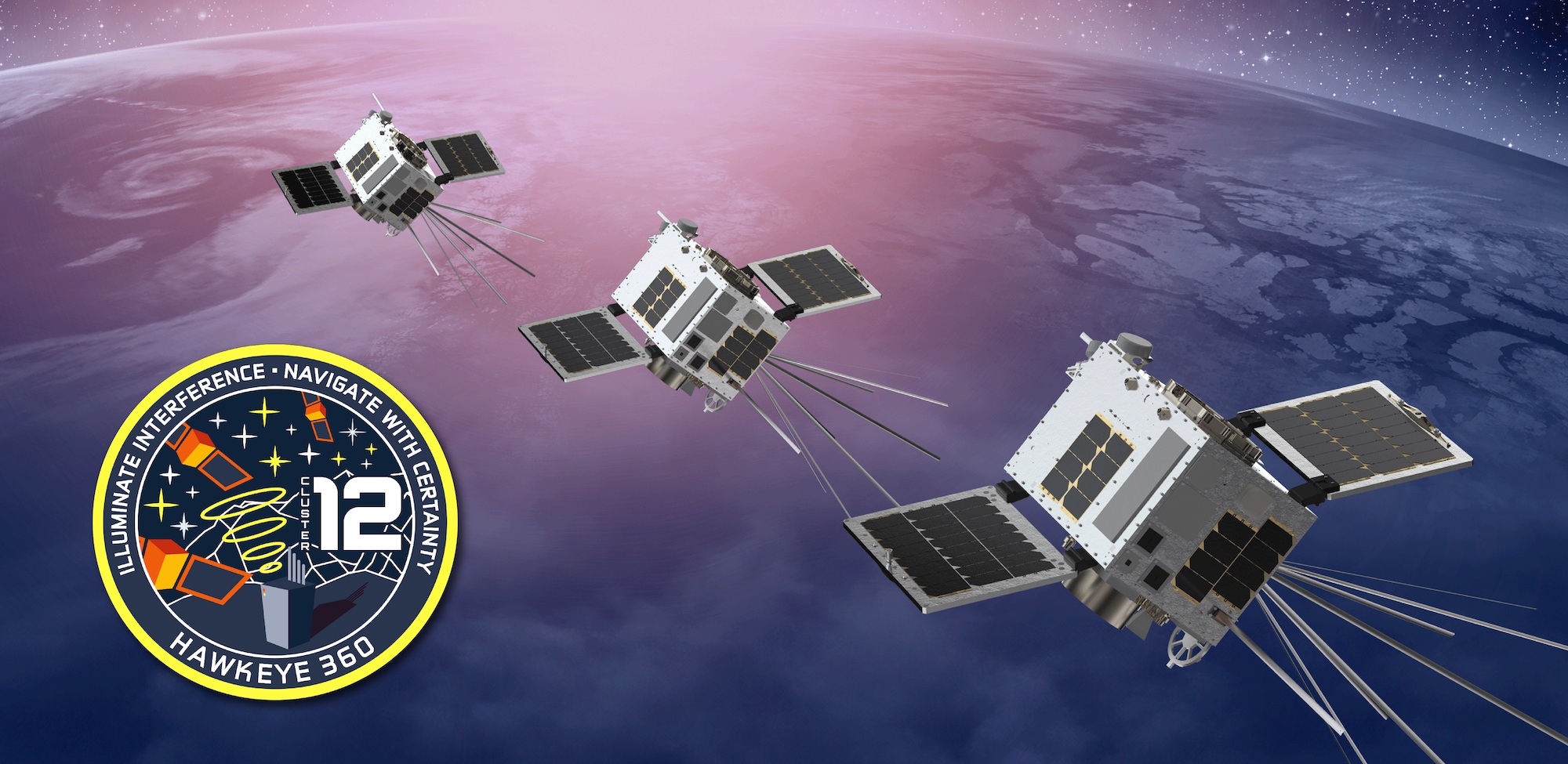
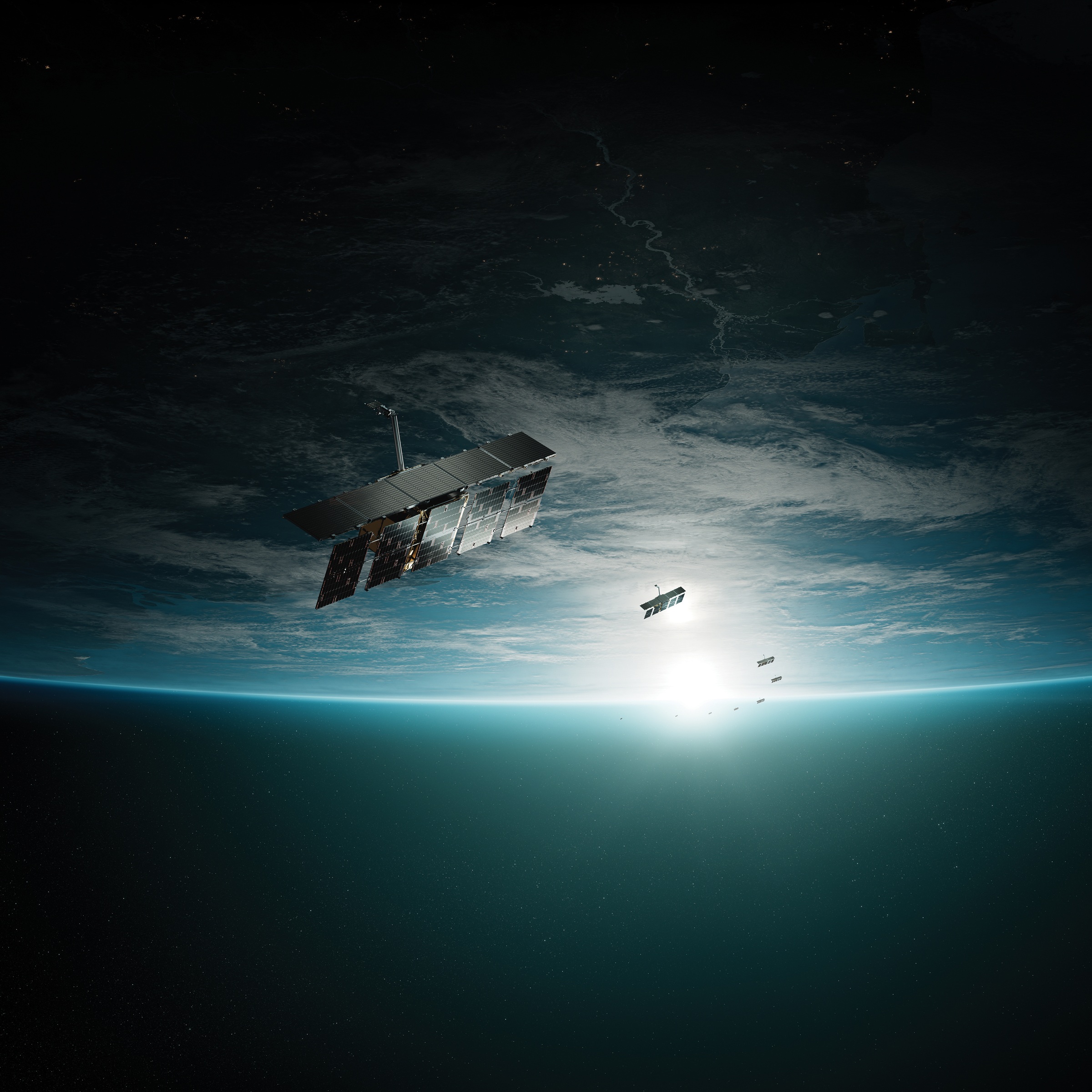
The supplier’s new satellite generation combines imaging changes with an onboard-AI roadmap. Each capability needs its own evidence and operating limits.
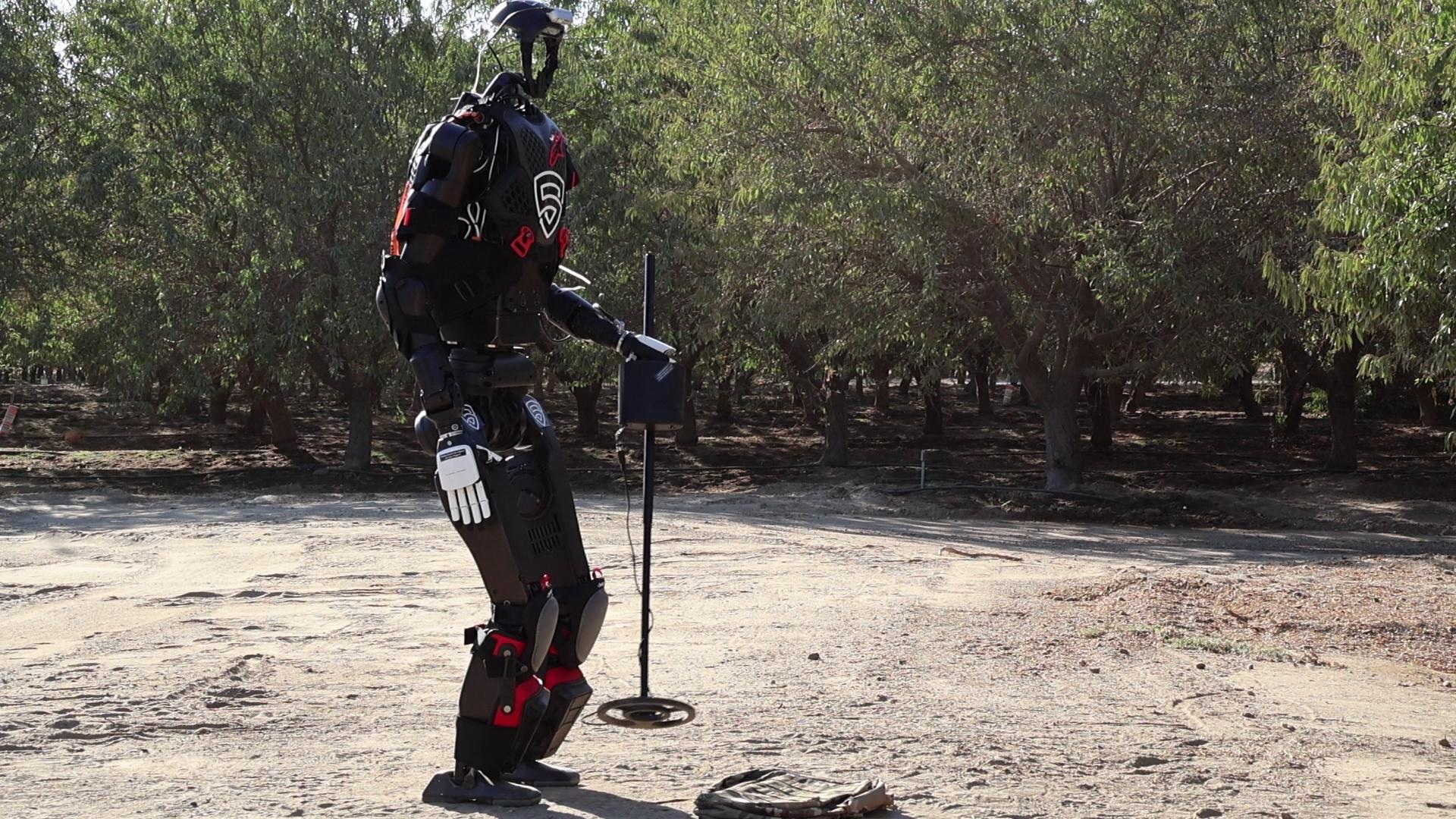
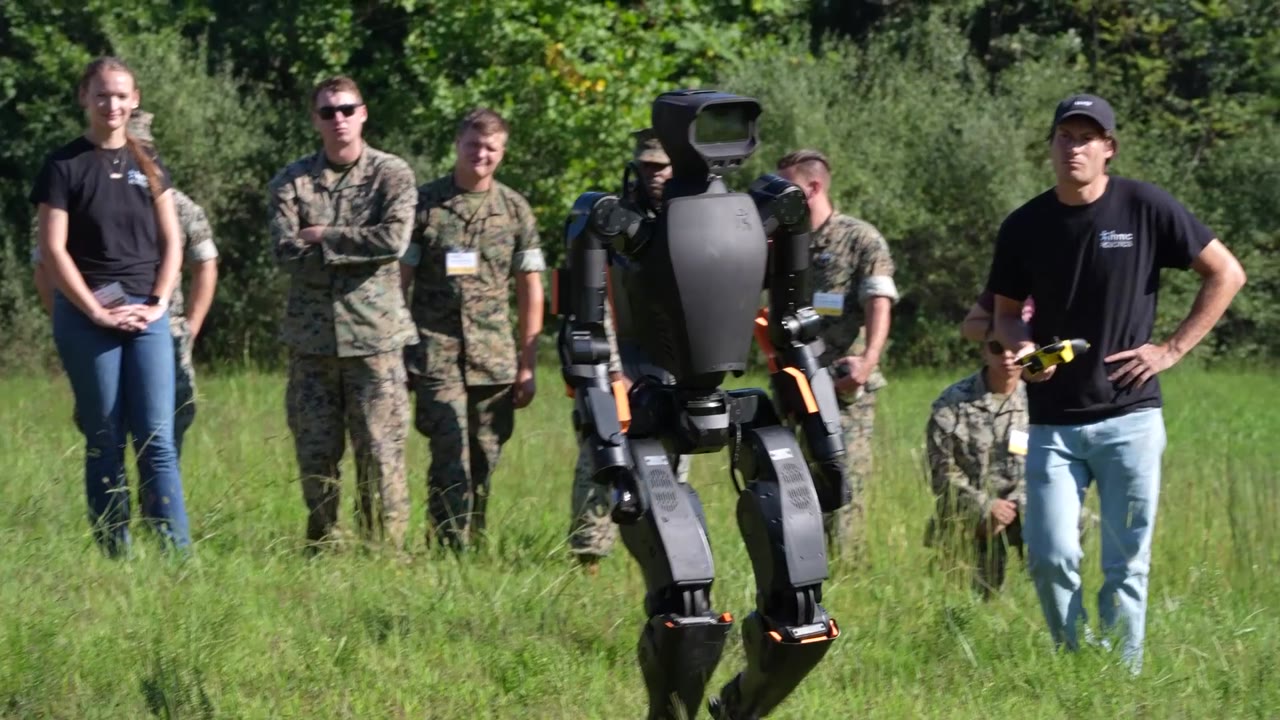
Military capability depends on people handling supplies, maintaining equipment, operating tools, and completing physical work. Humanoids offer a promising way to automate more of that workload with a common platform.
French production is underway. Accepted systems and dependable support will show whether the industrial commitment becomes usable intelligence capacity.
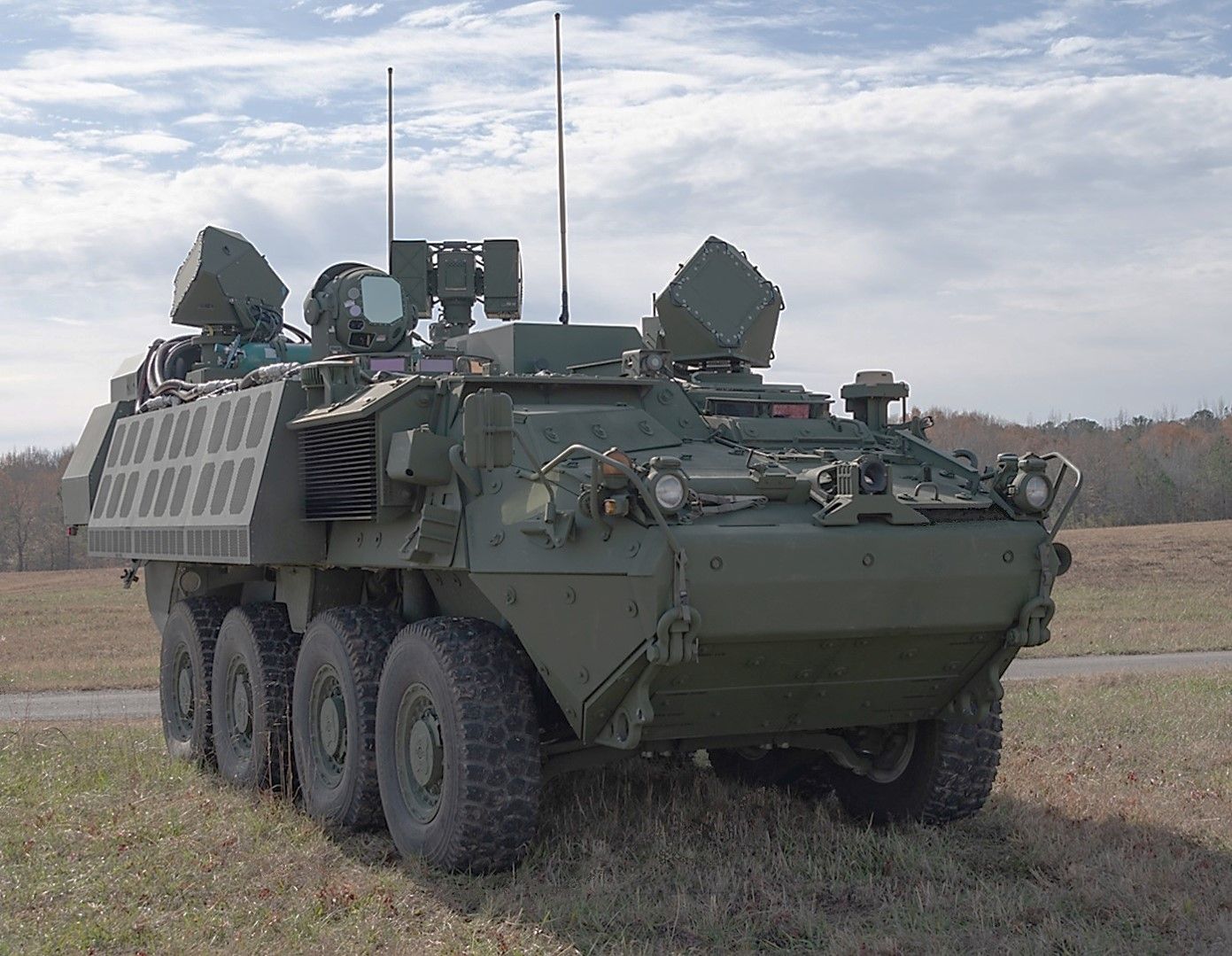
The November 2 subcontract announcement puts vehicle integration behind AV's mobile laser effort; sustained operating performance remains the key test.
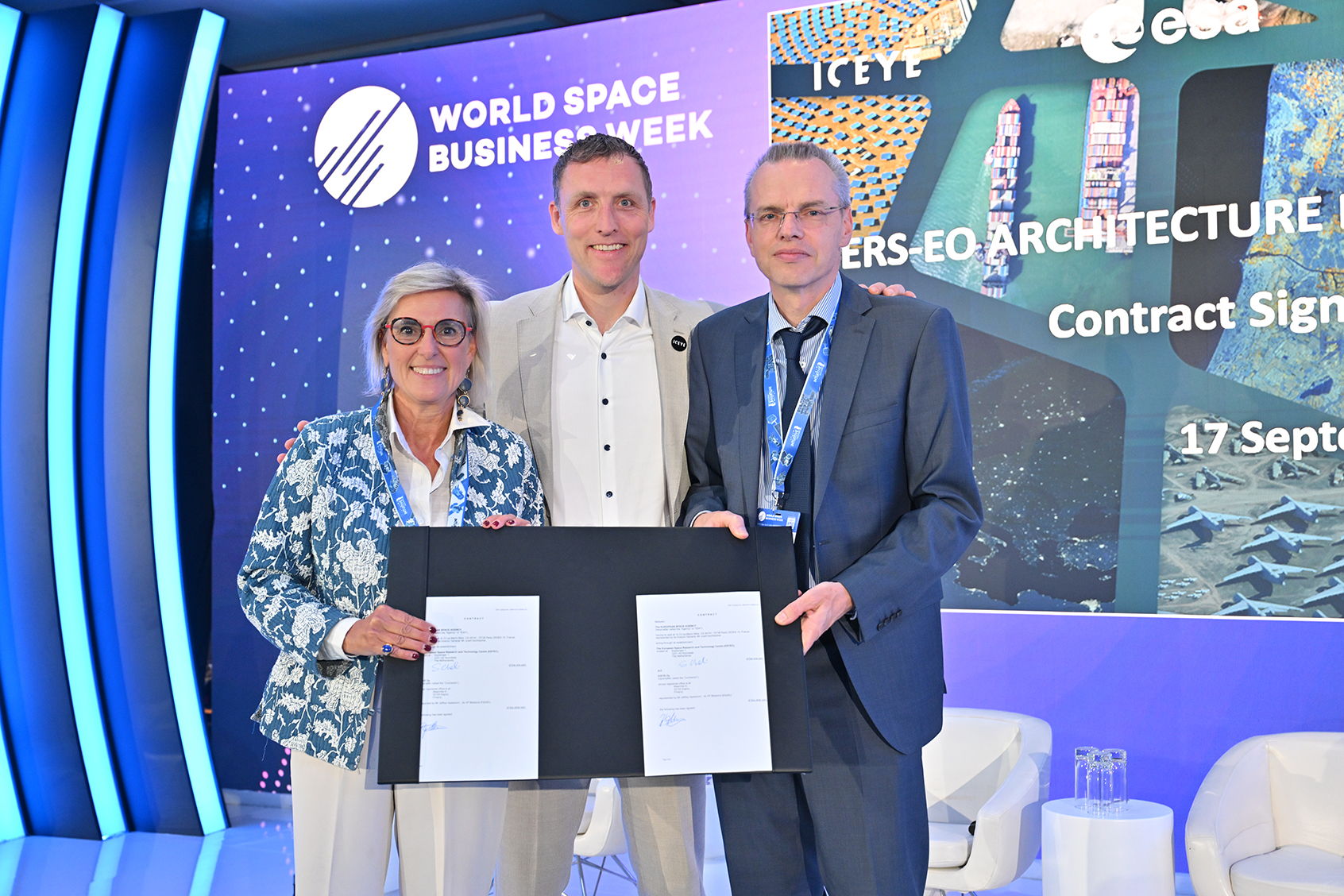
The integration makes archive and new tasking available through shared interfaces, while interpretation and collection timing remain separate constraints.
The new agreement includes an annual minimum and access to a growing fleet; collection opportunities remain different from completed intelligence products.
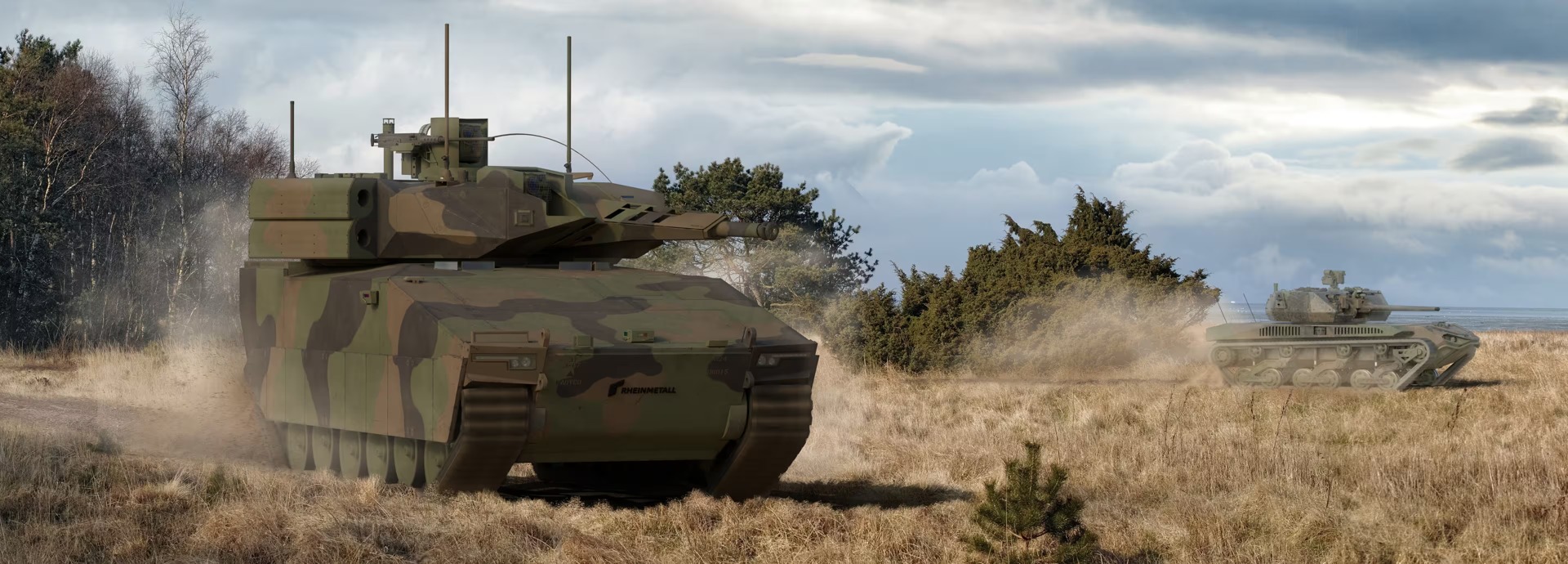
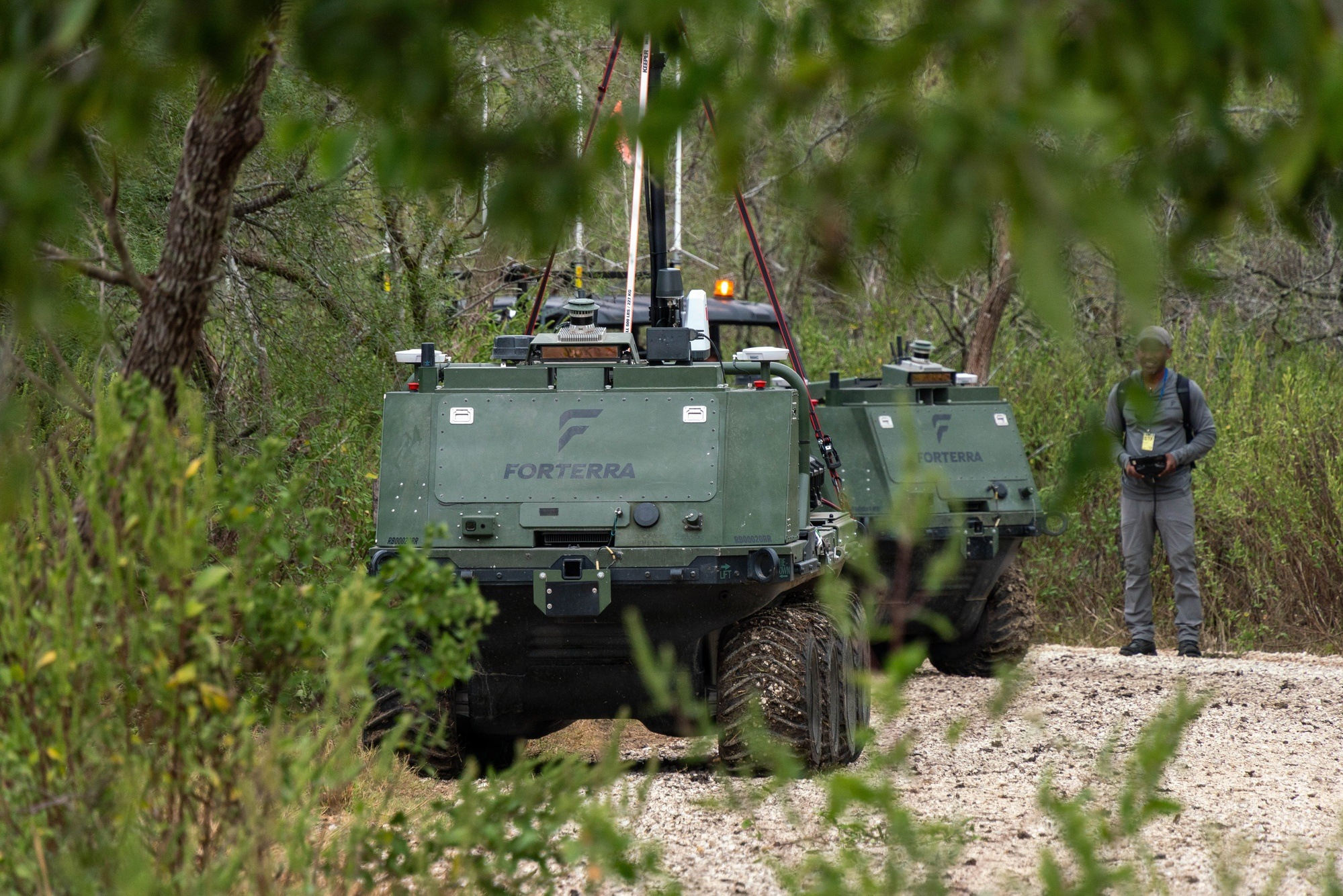
The Army’s October account describes a four-vehicle experiment with human approval of engagements; operational reliability remains a separate question.
The September agreement is conditional and includes an earnout; the operational case depends on combining systems, not simply combining company counts.
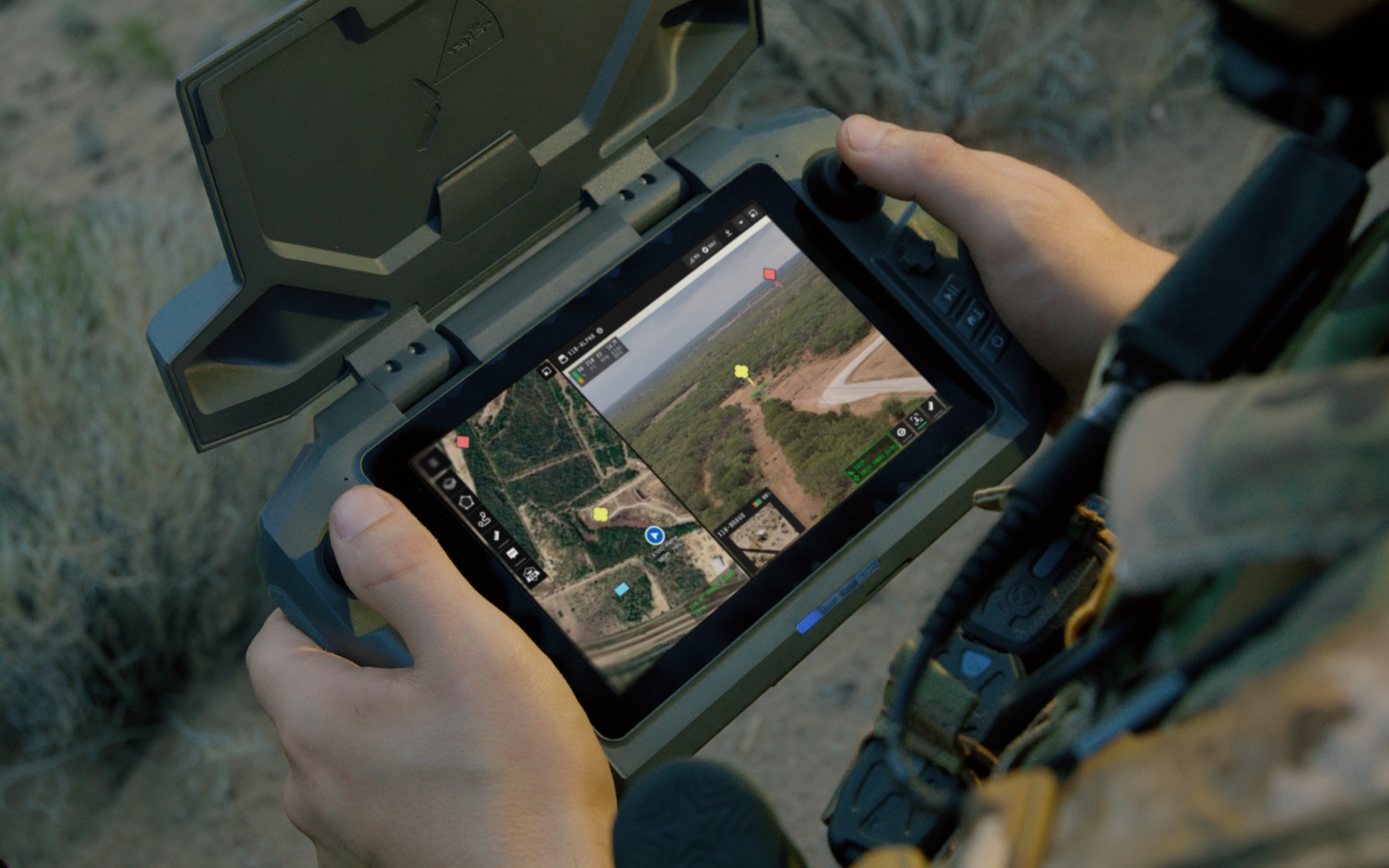
The October launch describes a shared interface and offline applications; its value depends on preserving control and information across connected systems.
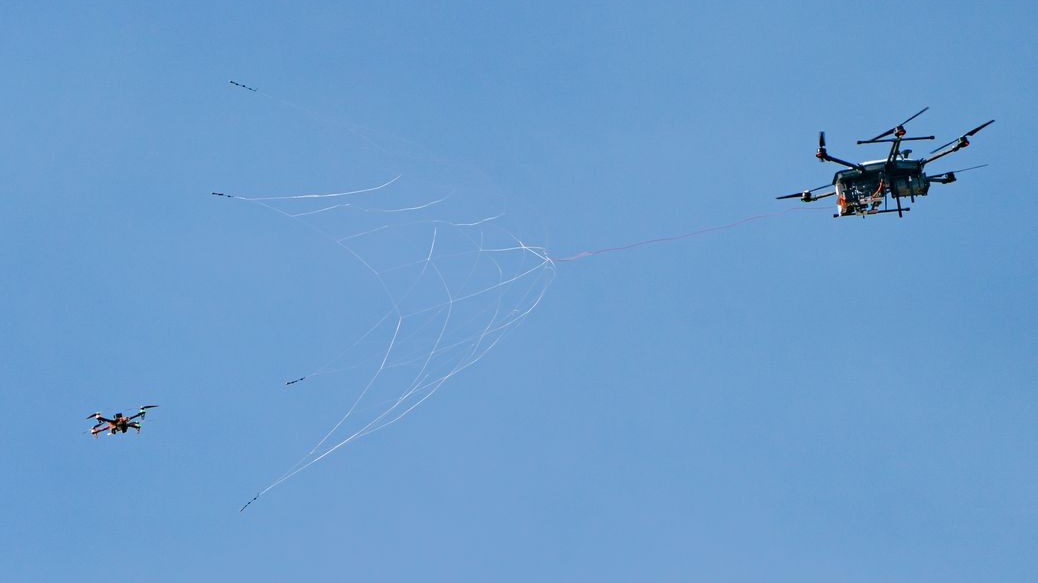
The supplier offers a reusable net-interceptor system and plans November demonstrations; public launch claims remain separate from independently measured protection outcomes.
Palladyne AI, Federal and Mossberg describe a joint development program; earlier autonomy demonstrations do not qualify the proposed integrated product.
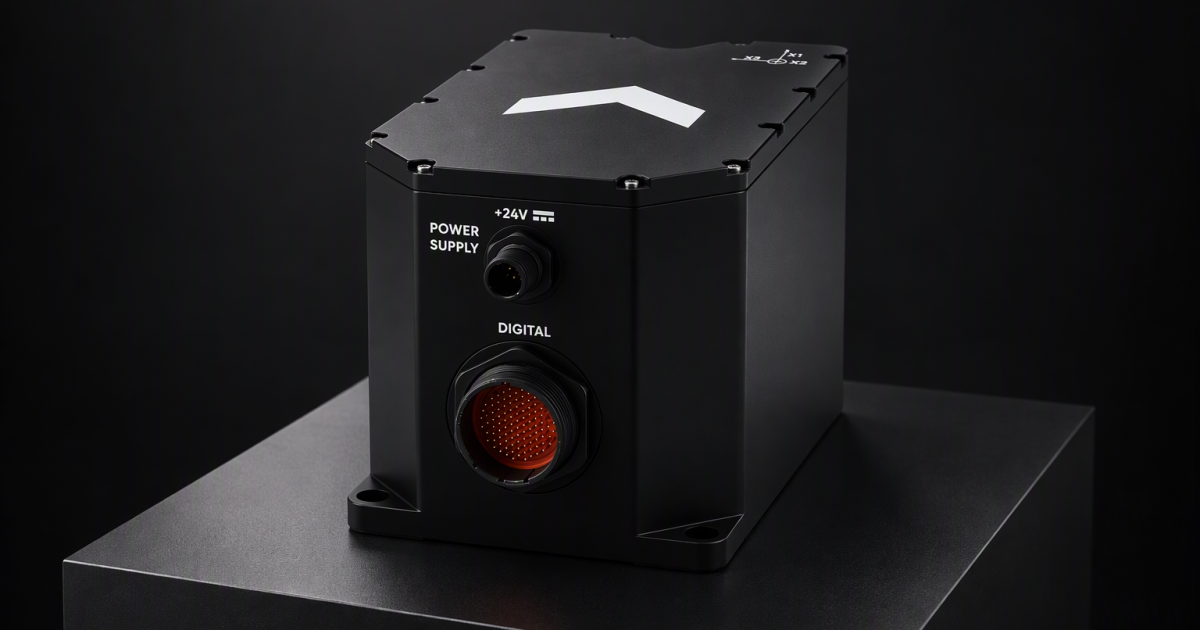
The compact inertial-system launch targets smaller naval platforms; its stated drift condition is a component specification rather than a complete mission result.
The August contract announcement identifies a customer and service category; it does not disclose the performance terms or guarantee continuous observation.
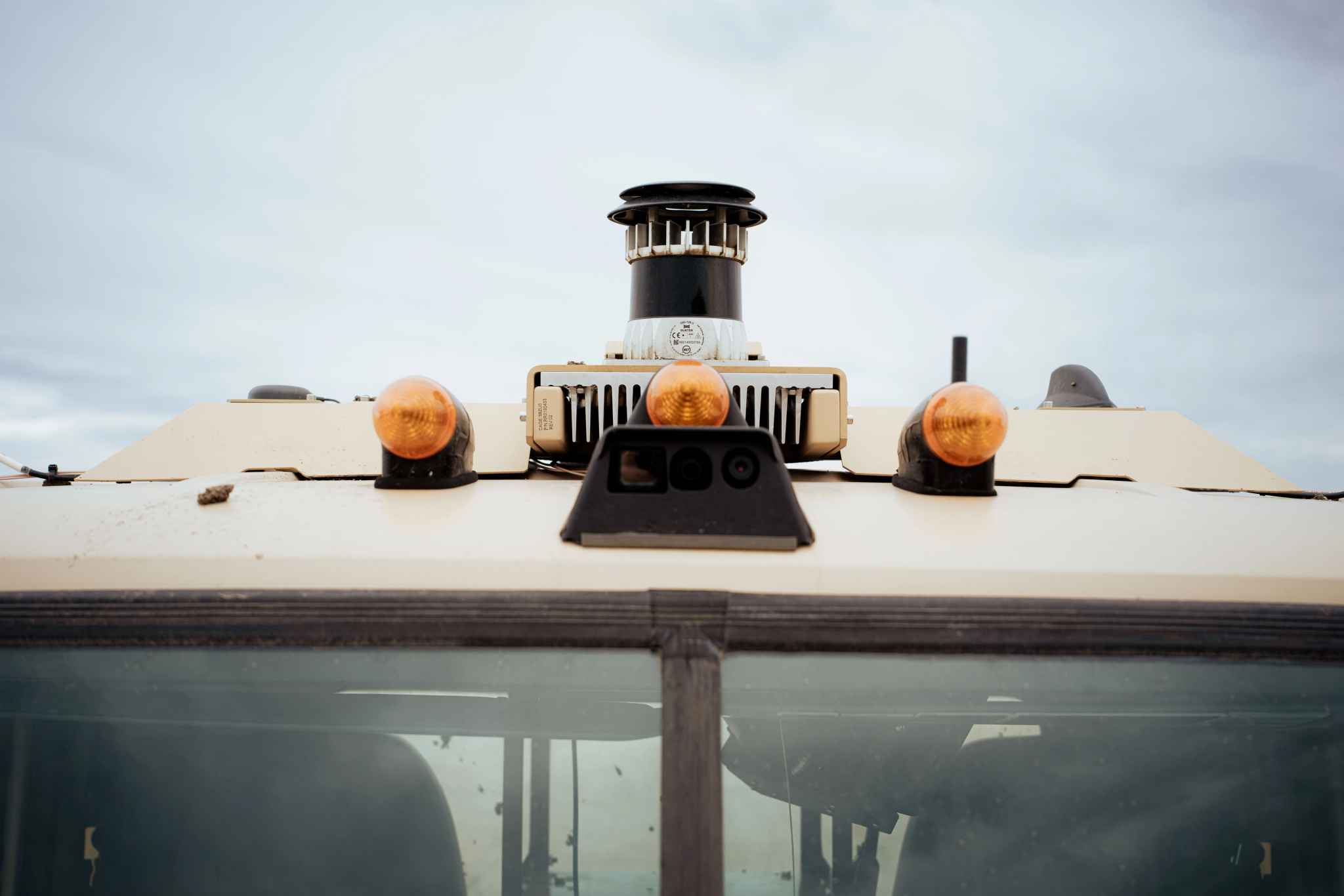
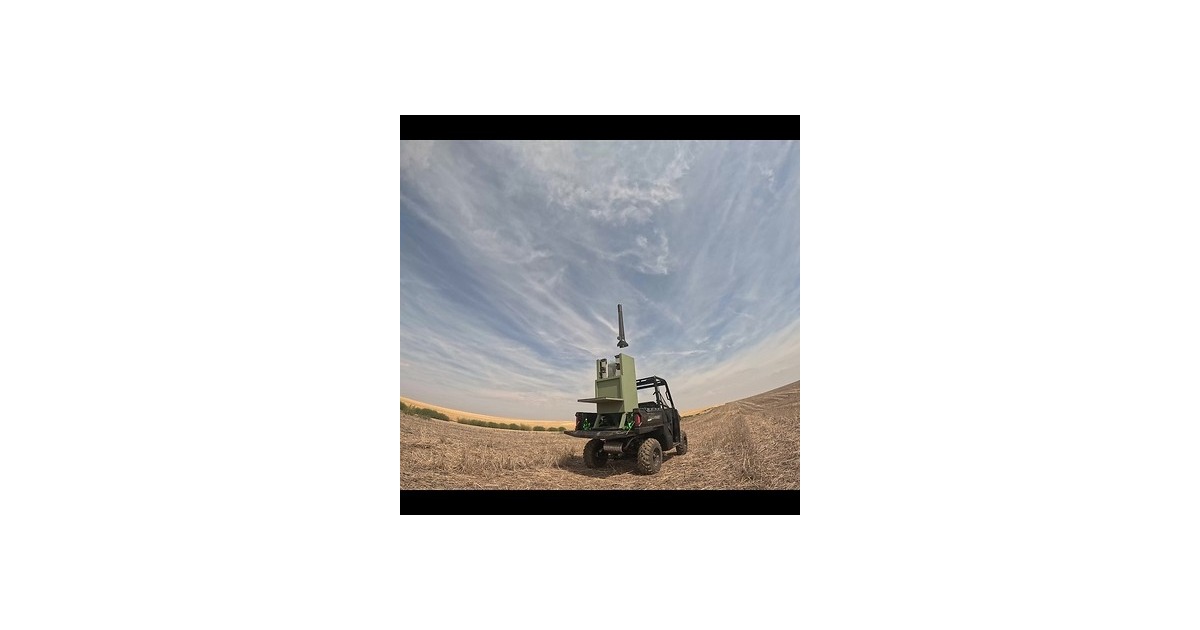
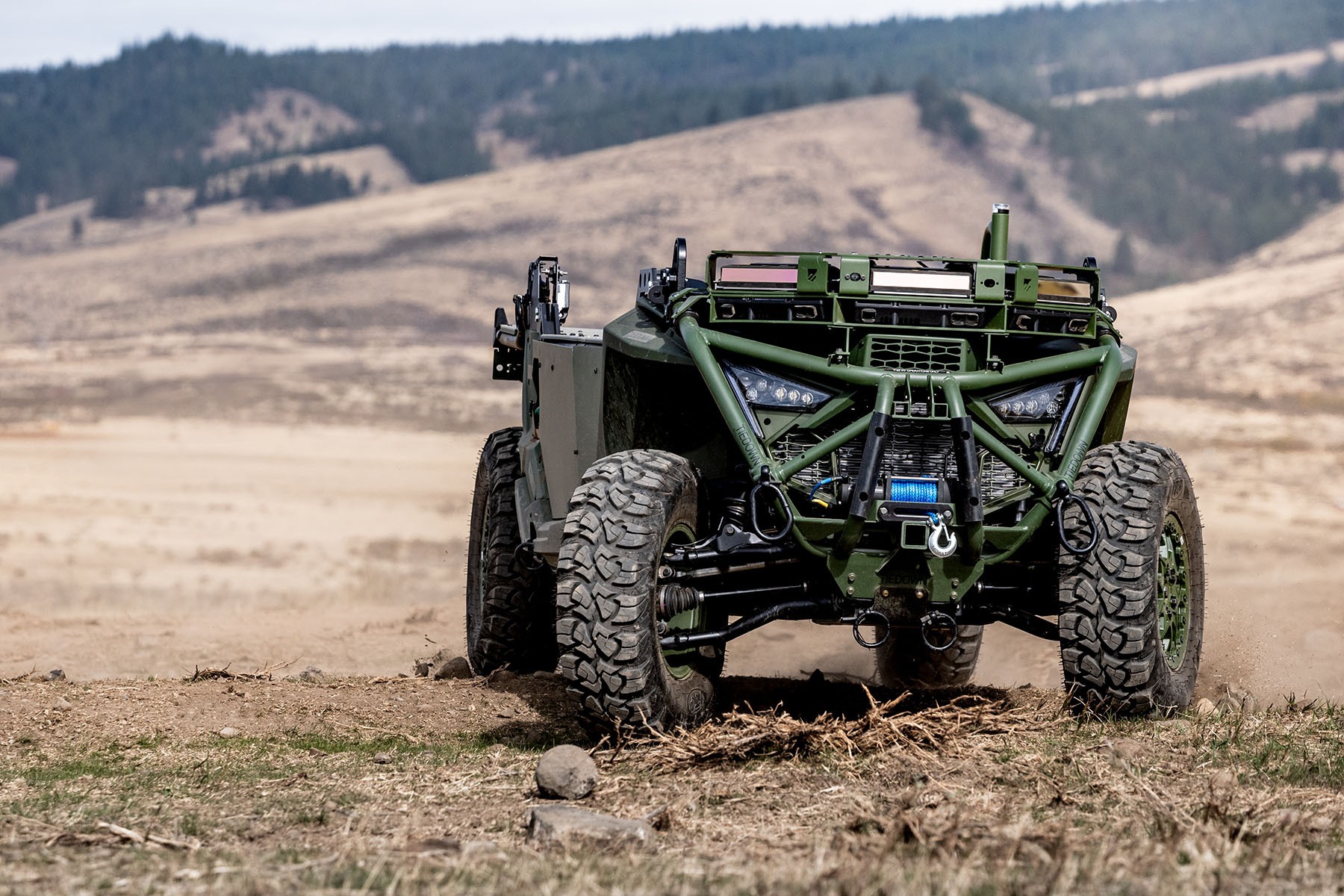
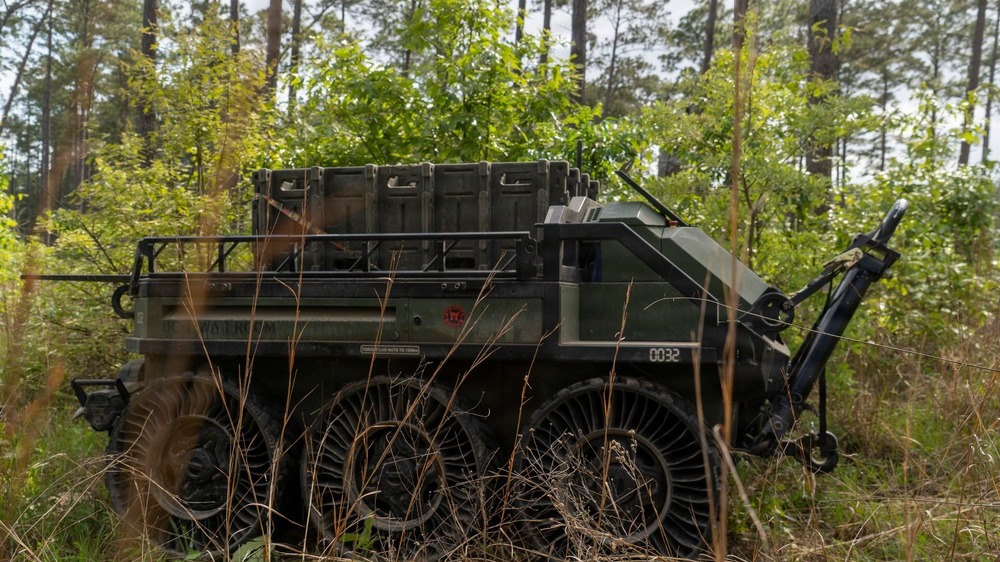
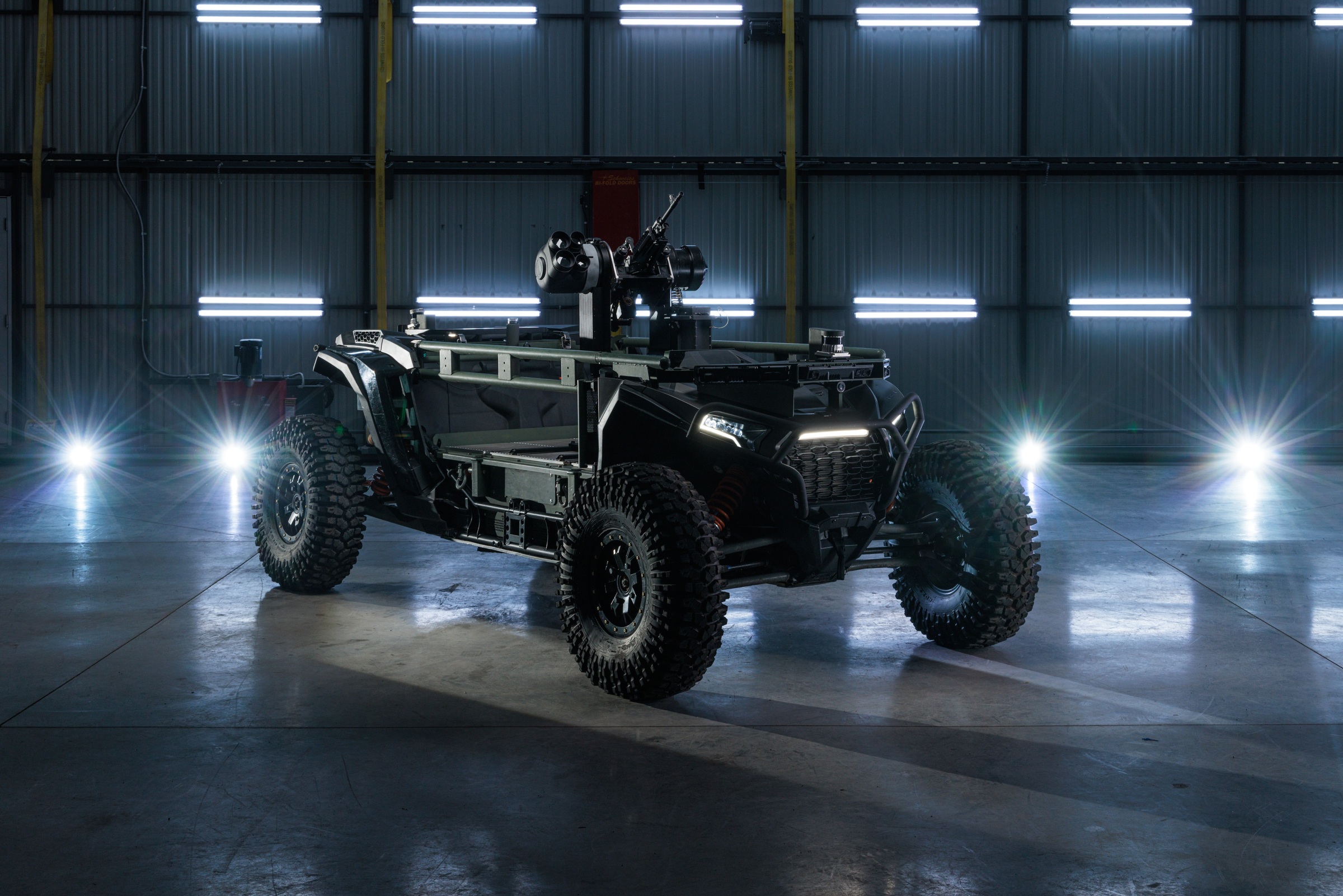
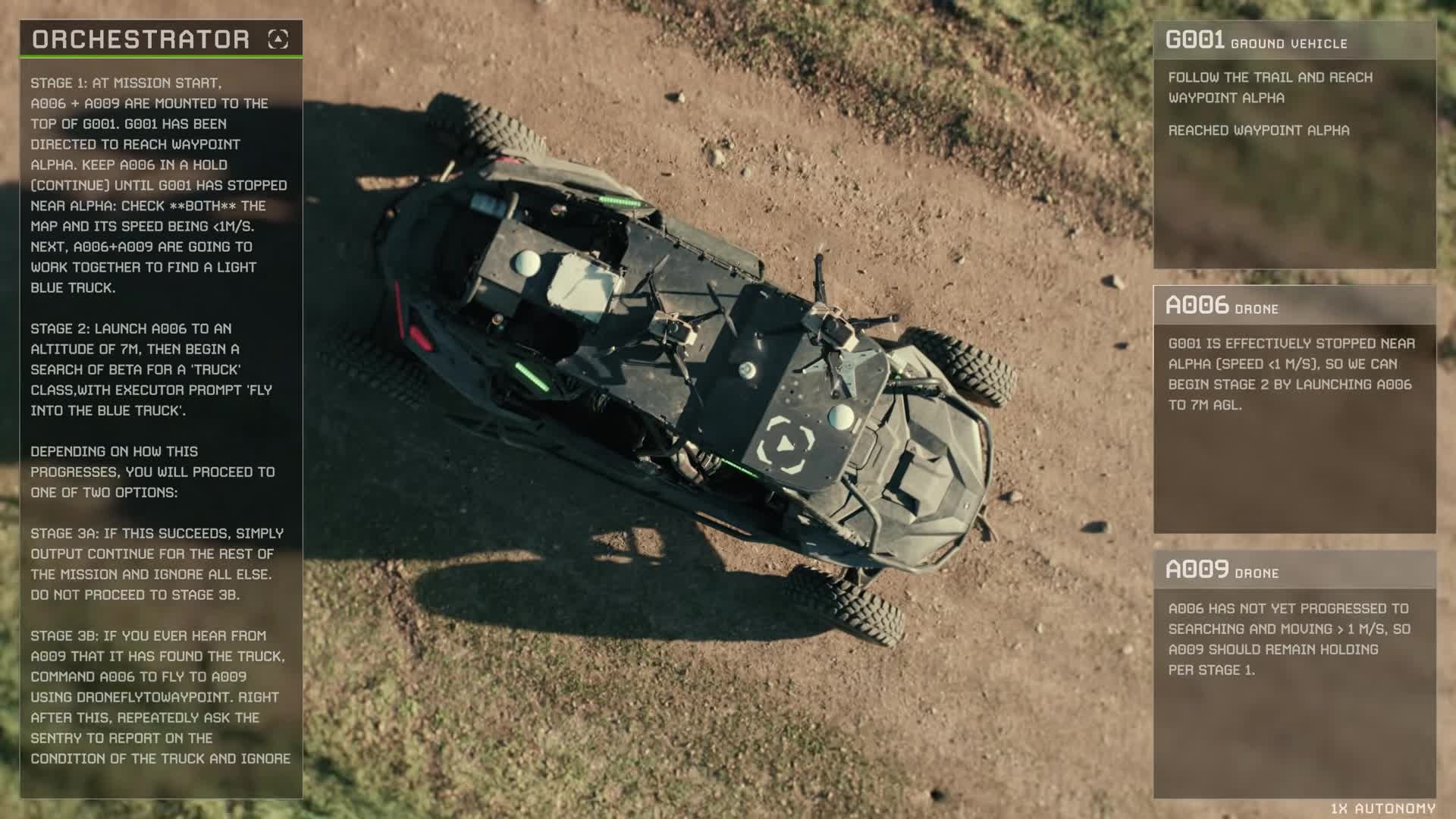
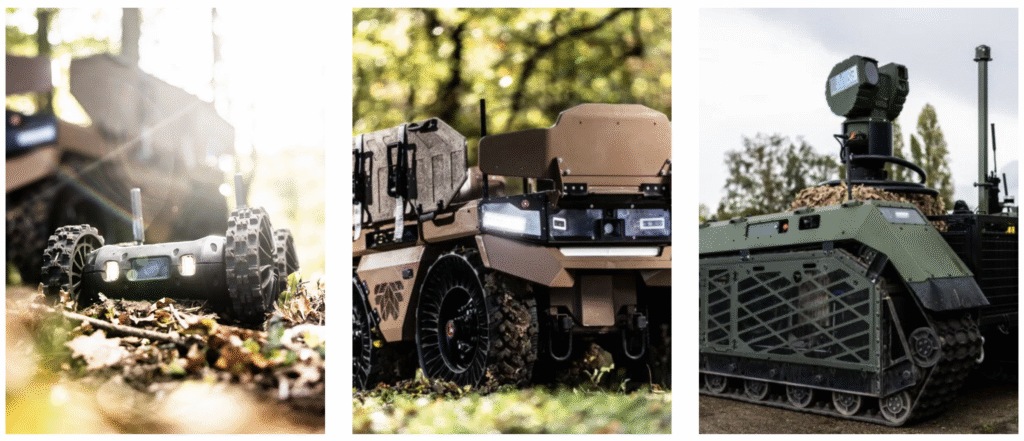
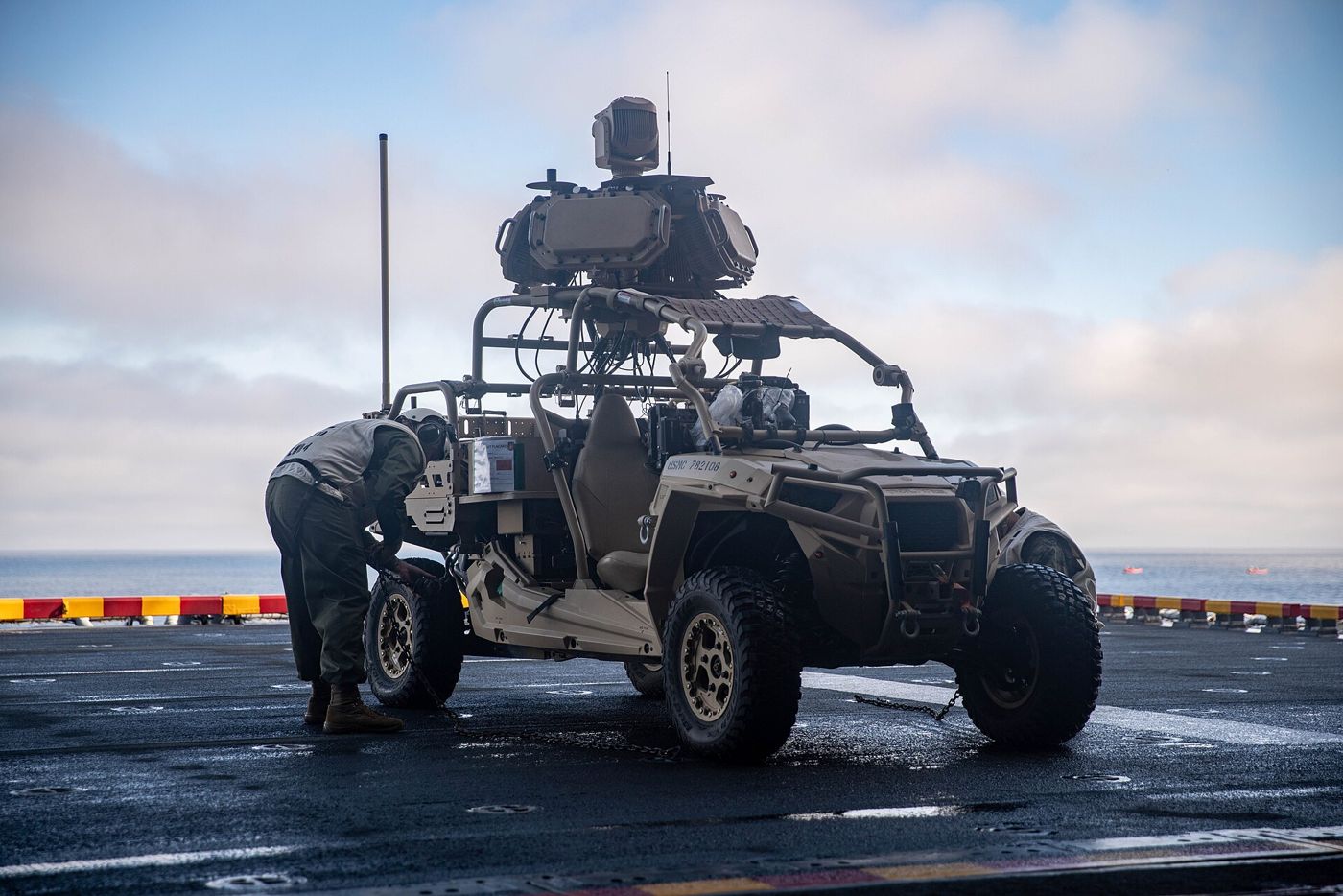
The MRZR-based vehicle couples familiar support infrastructure with an autonomy stack; payload integration and operational availability remain separate tests.
Their proposed government satellite networks target first launches in 2028. Owning infrastructure is one form of control; delivering resilient connectivity requires a separate operating record.
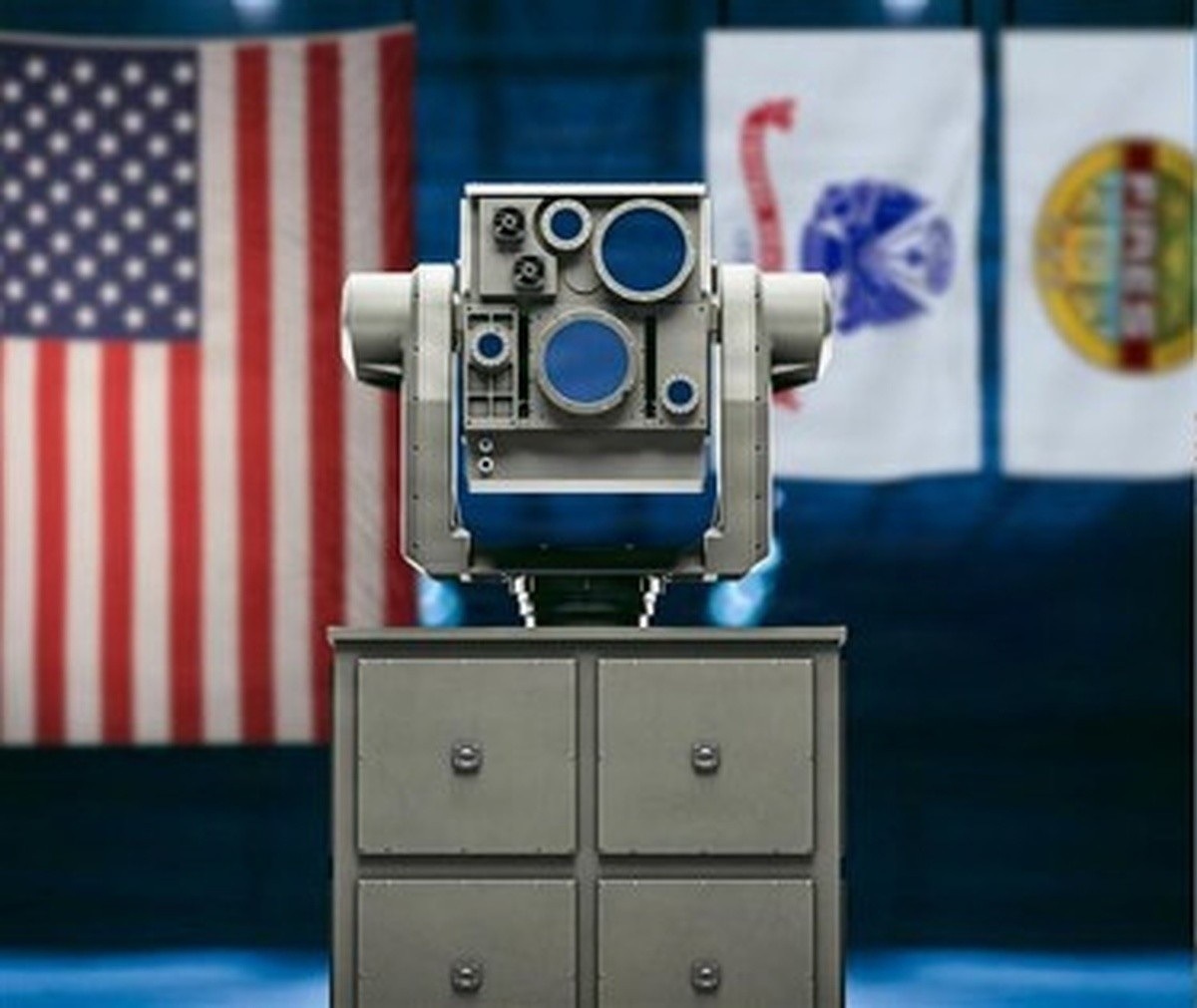
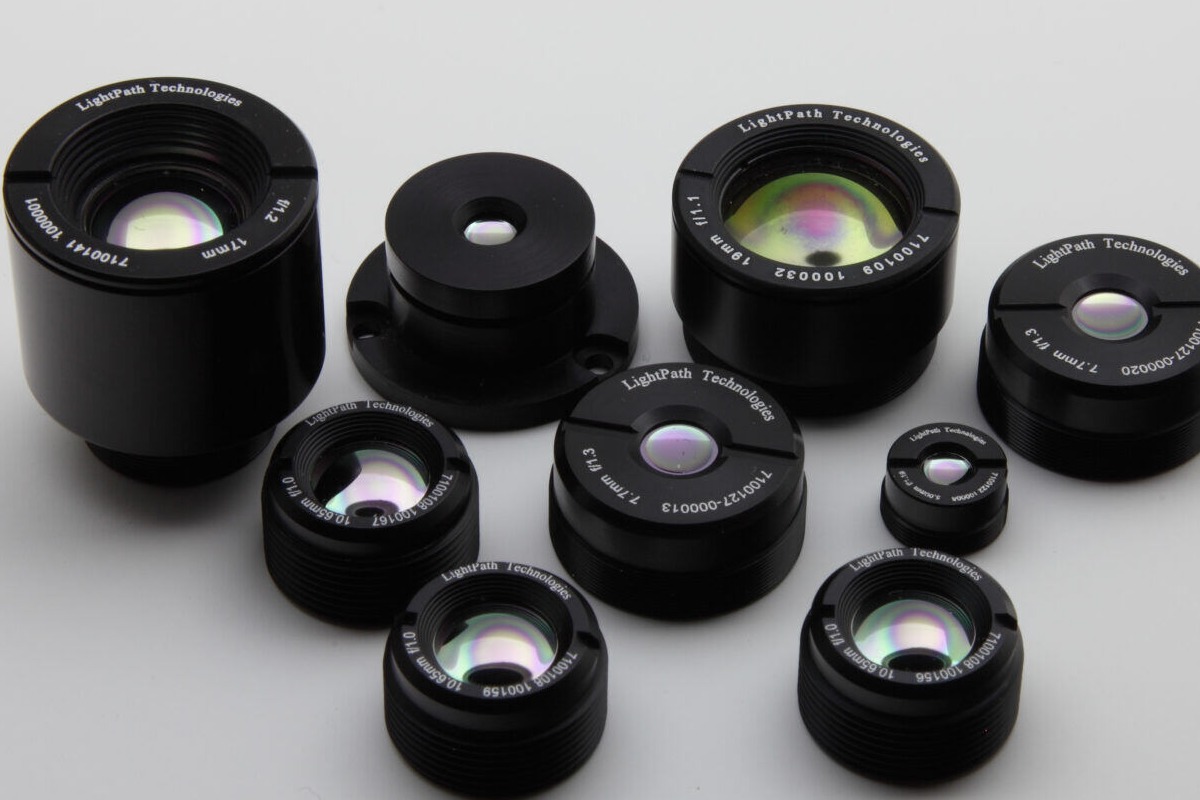
The Army initiative targets next-generation uncooled sensing. A component-level development award is progress toward integration, with field performance and production outcomes still to be shown.
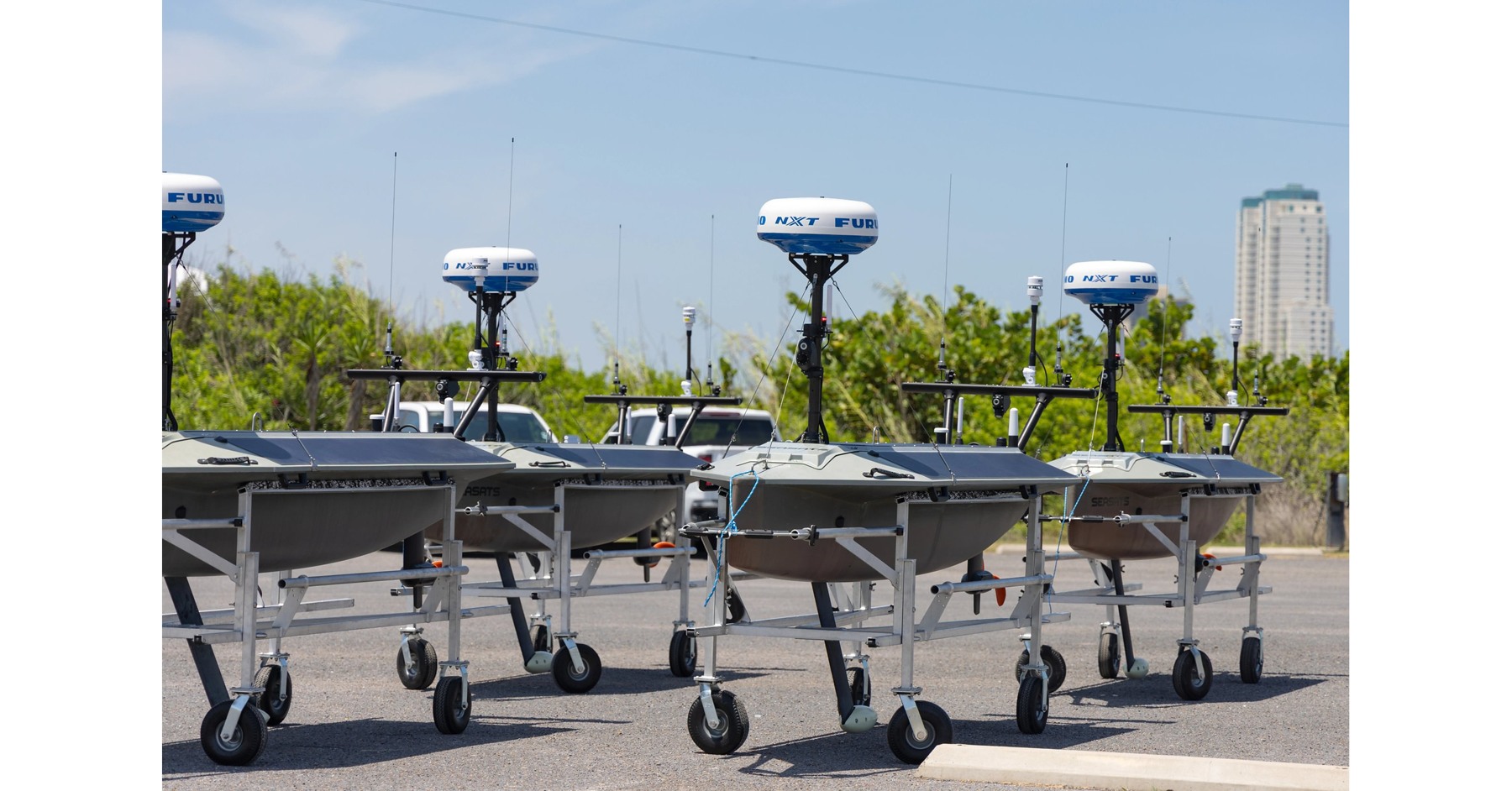
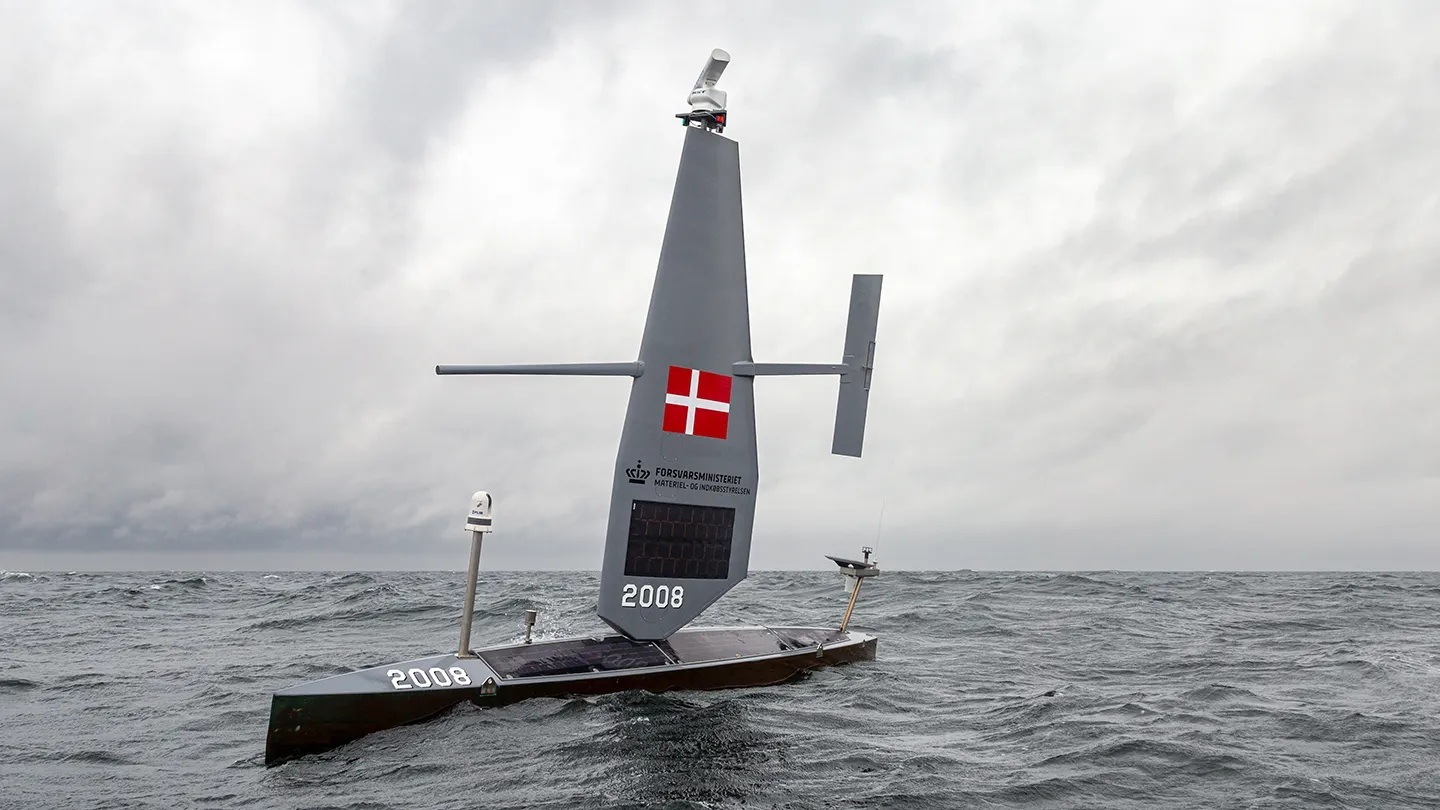
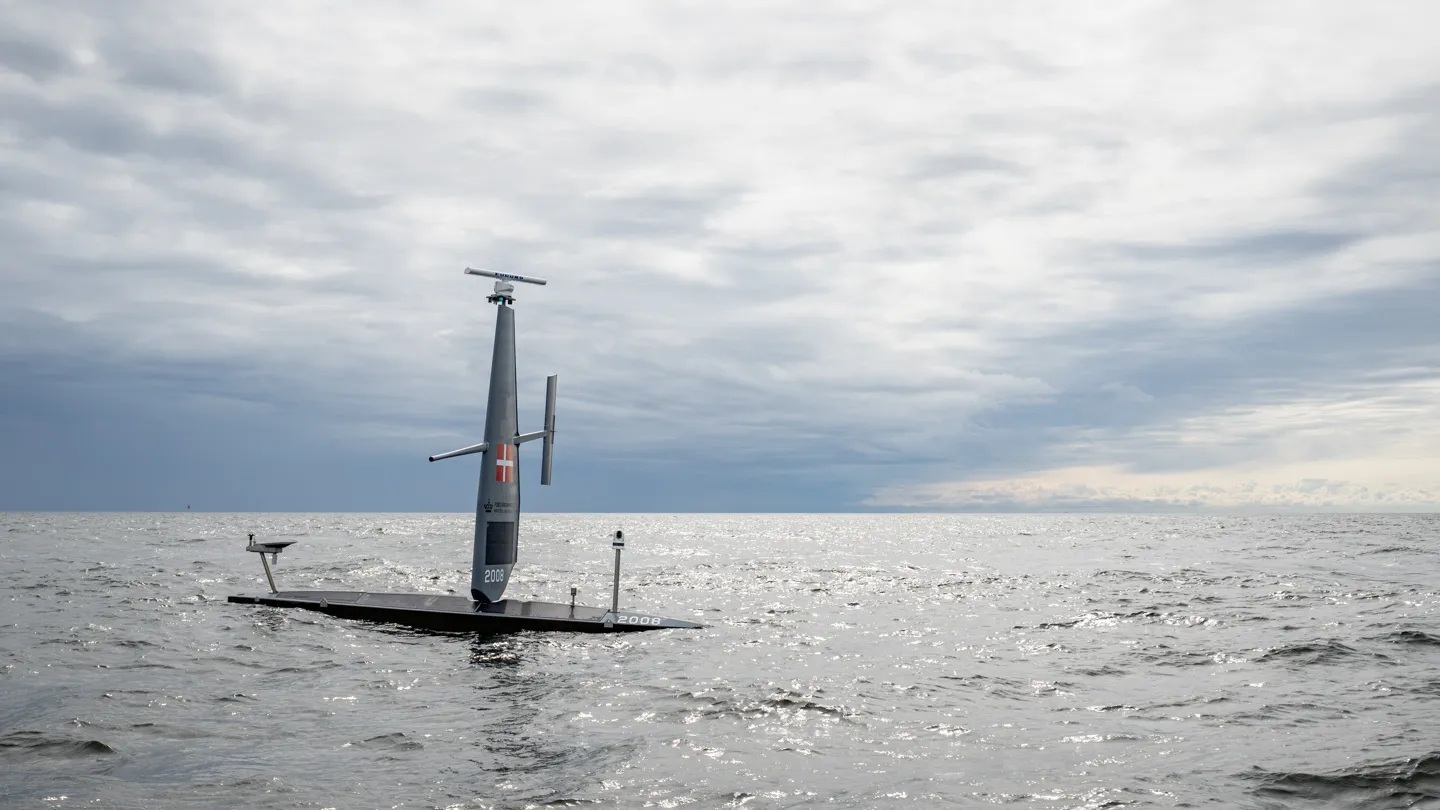
A $10 million Atlantic task order adds an uncrewed survey route. The meaningful result is usable, quality-controlled mapping, with operations scheduled across 2026 and 2027.
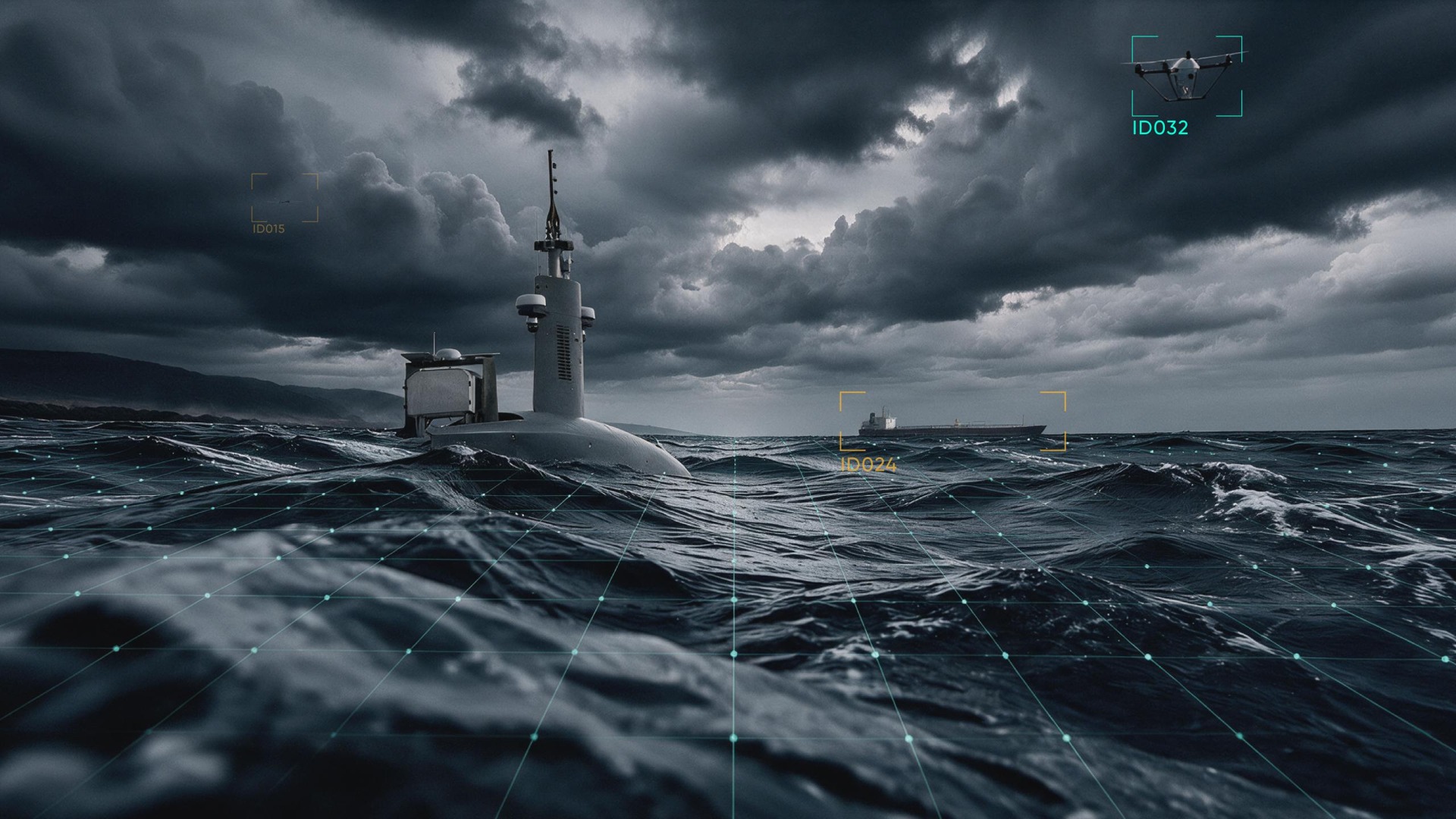
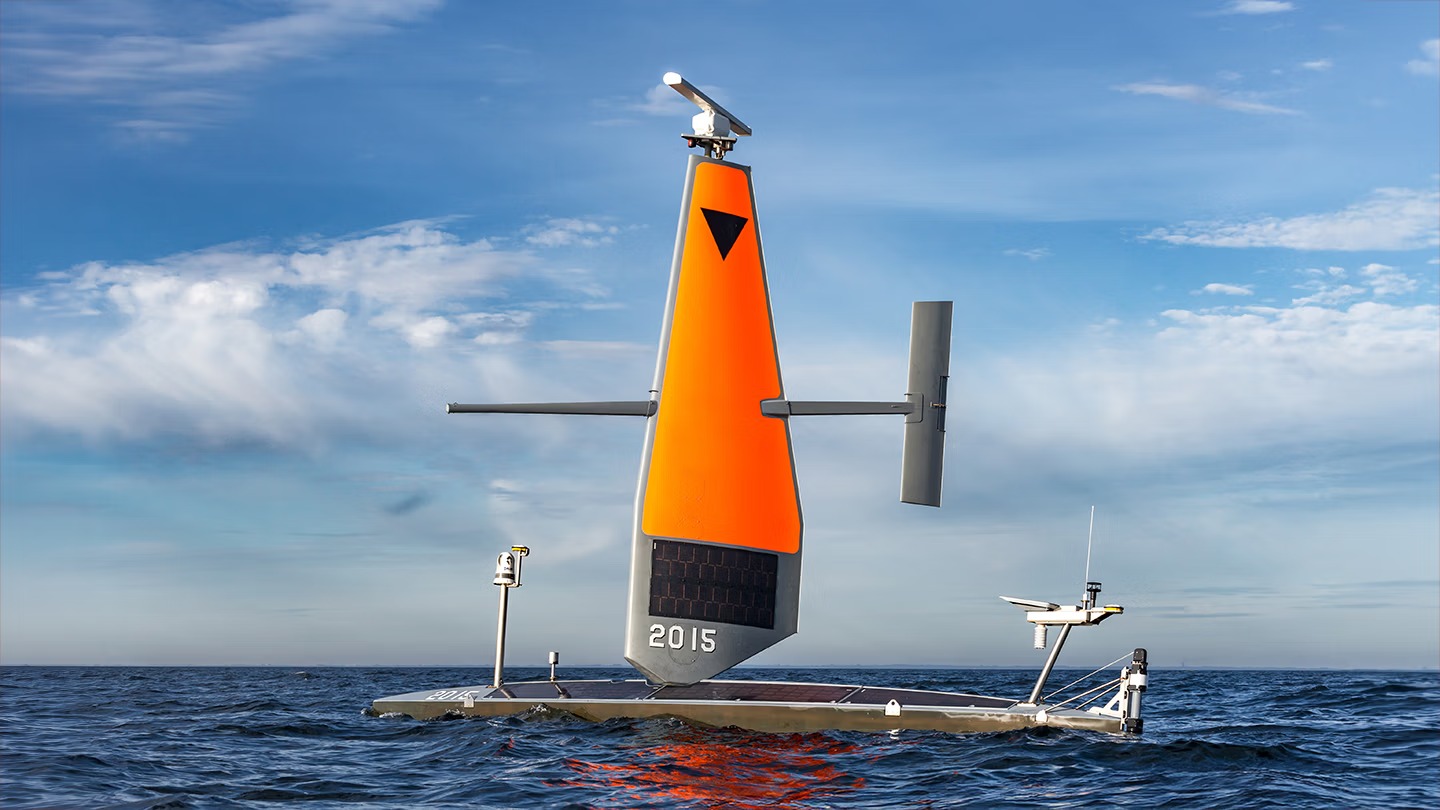
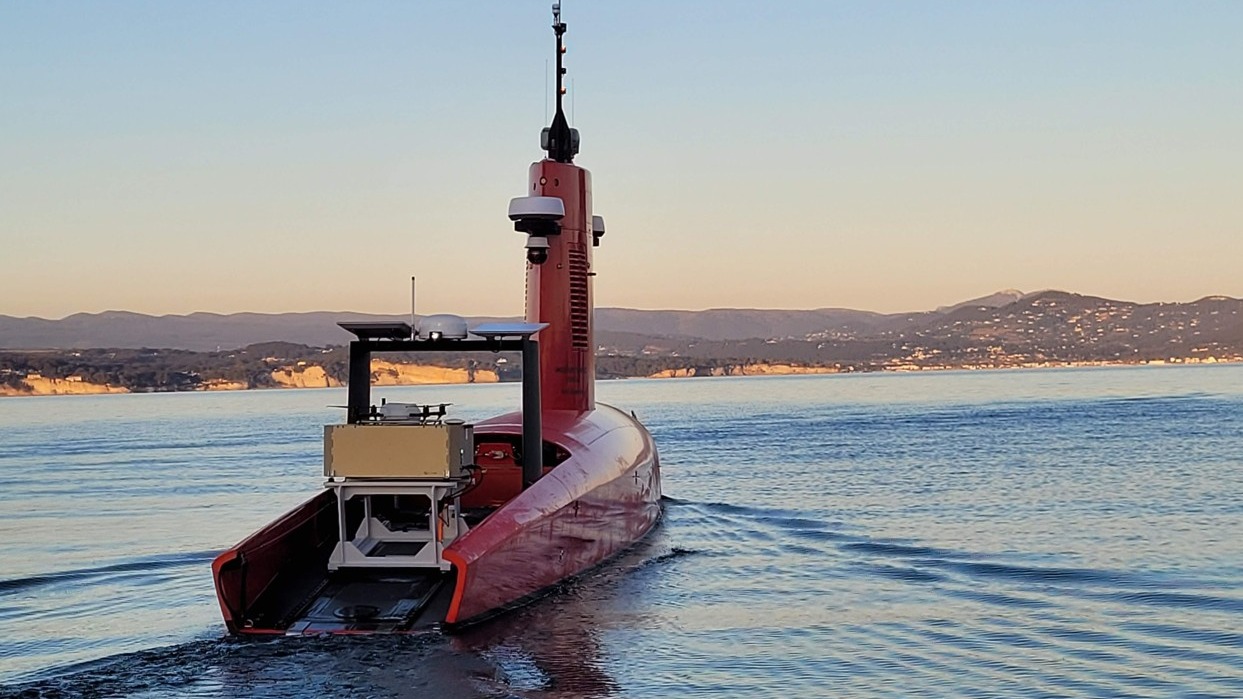
The July integration combines a DriX surface vessel with Khronos. A raised viewpoint is useful, but sustained maritime surveillance still depends on the combined system's operating limits.
The company describes changes for fielded equipment and a November command-system release. Reported classification gains need their test conditions before they can predict performance at a particular site.
The expanded agreement offers net capture and kinetic interception through a shared sales and integration route. Export approval, customer acceptance and operational evidence remain distinct gates.
GroundBreaker 1 moves from a reviewed solution brief to an October demonstration. The milestone opens an evaluation; it does not establish a prototype award or deployment decision.
The Silverado-based concept points toward a familiar supply chain, but functional trials are targeted for 2027. Manufacturing scale and autonomous readiness remain separate questions.
The Army has selected a command for redesignation and outlined experiments in reconnaissance, breaching and other missions. The next test is whether formations can turn equipment trials into repeatable ways of operating.
Anduril says its Baltimore County project combines private investment with a Navy contract tied to production outcomes. The industrial question is how planned floor space becomes accepted components for submarine builders.
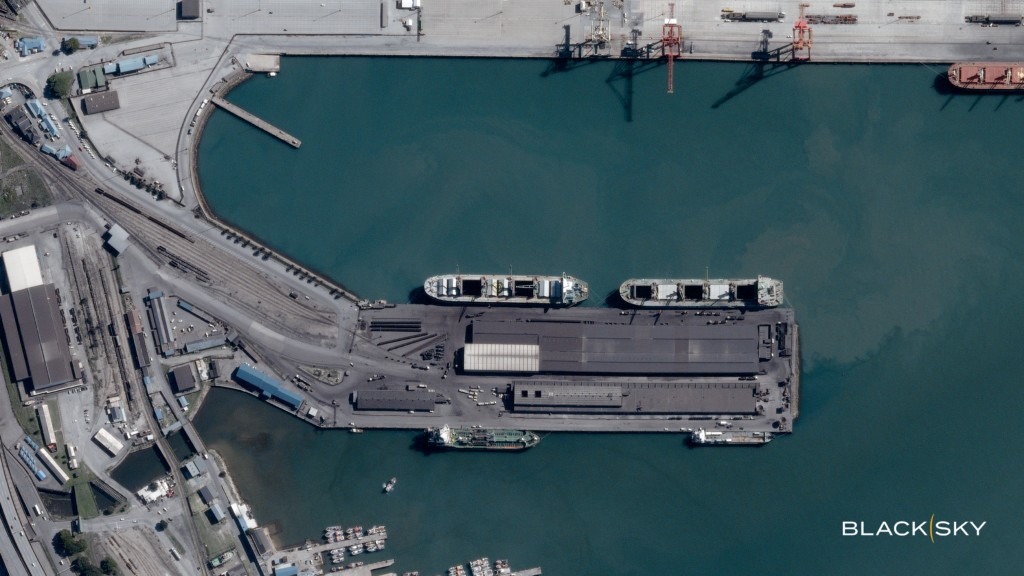
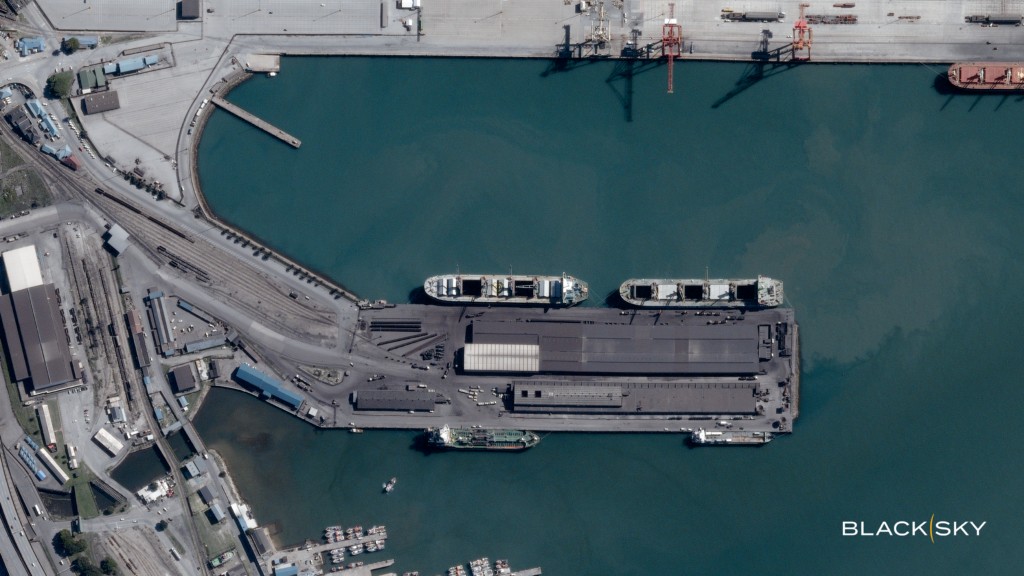
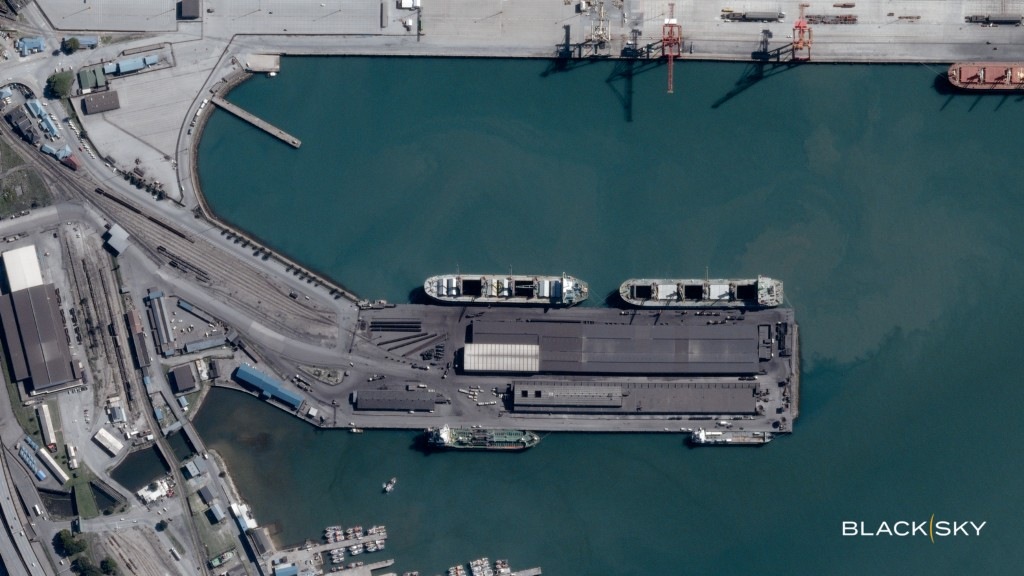
BlackSky reports a six-figure agreement with an unnamed international intelligence customer. The pilot creates a chance to assess collection and delivery in practice; it does not yet establish a longer-term service outcome.
The company says five systems earned “Jailbroken” status in Army experiments. The practical question is how much integration work that removes for the next team.
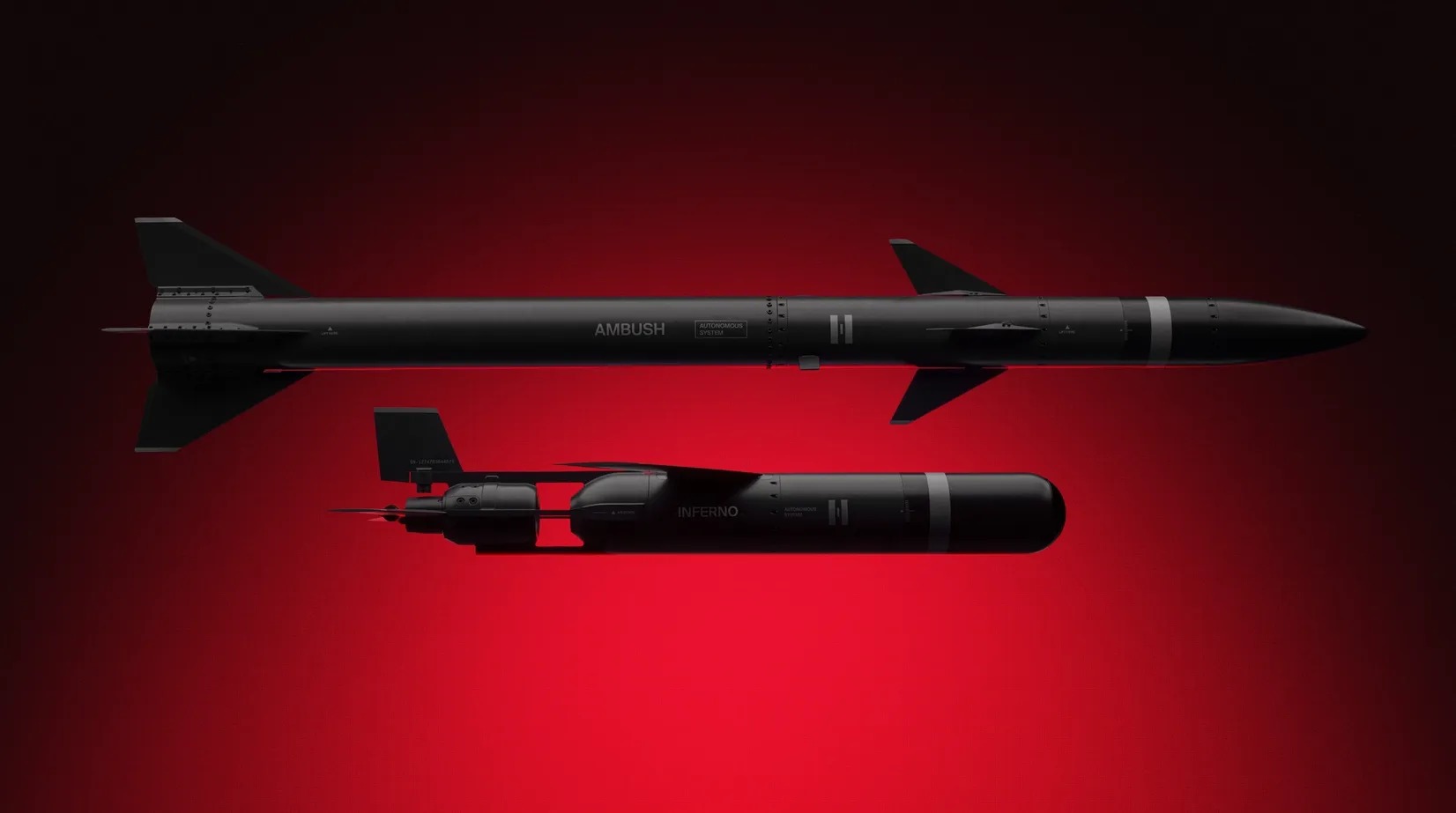
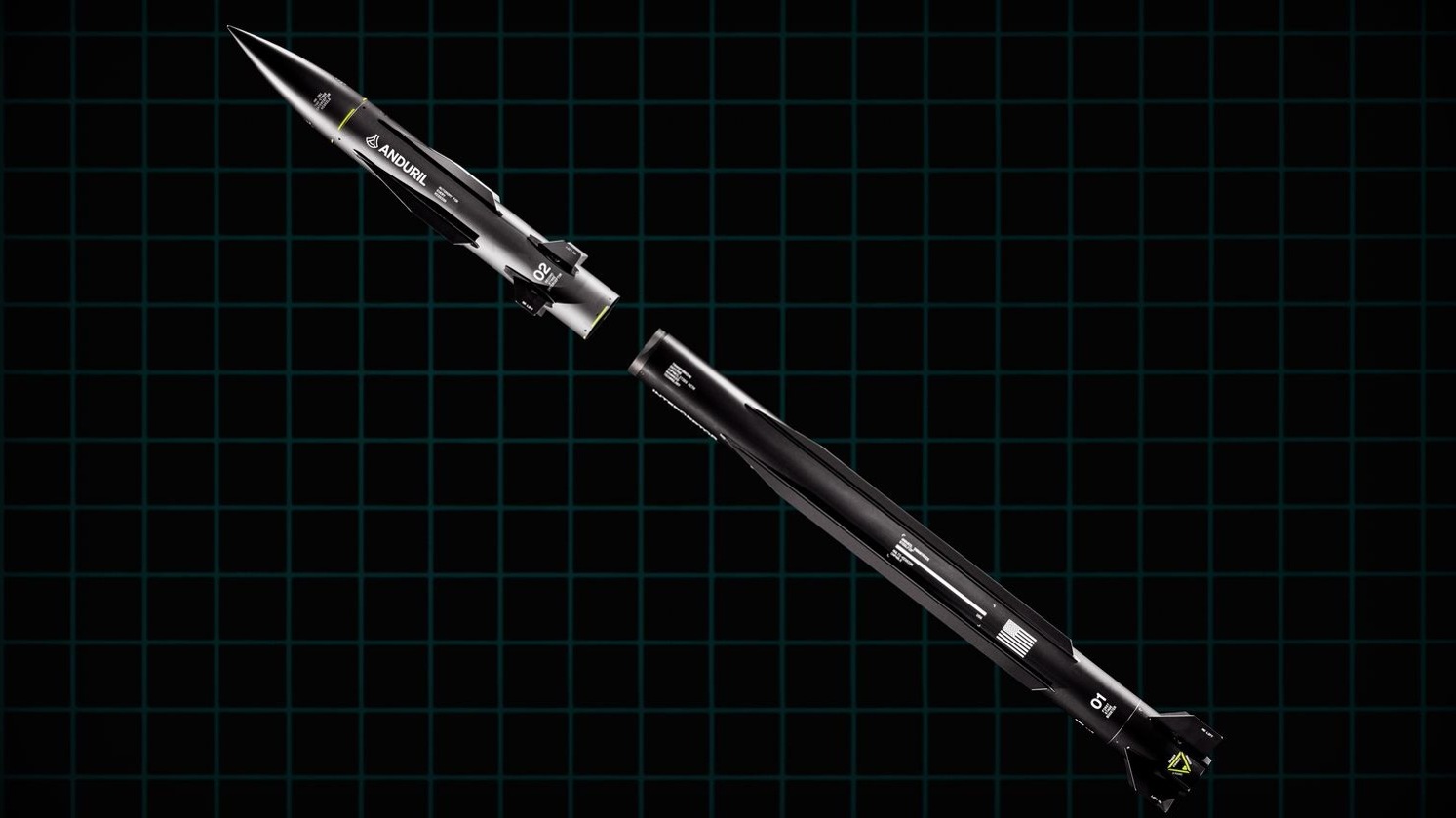
A common interceptor architecture could make future changes less disruptive. Anduril says flight testing starts next year, leaving performance and production economics to be demonstrated.
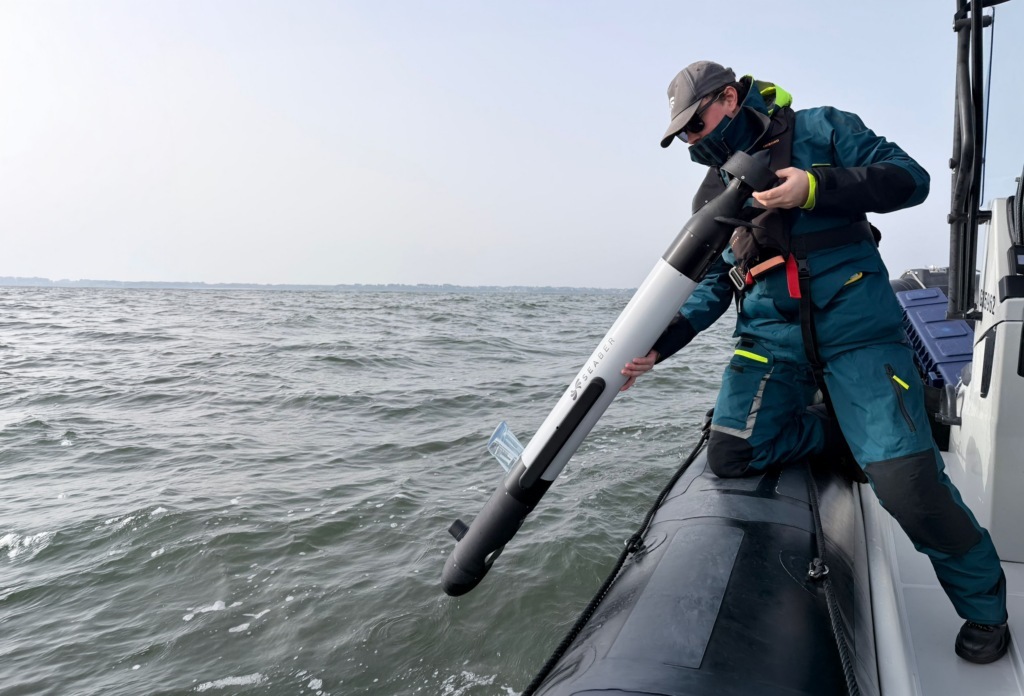
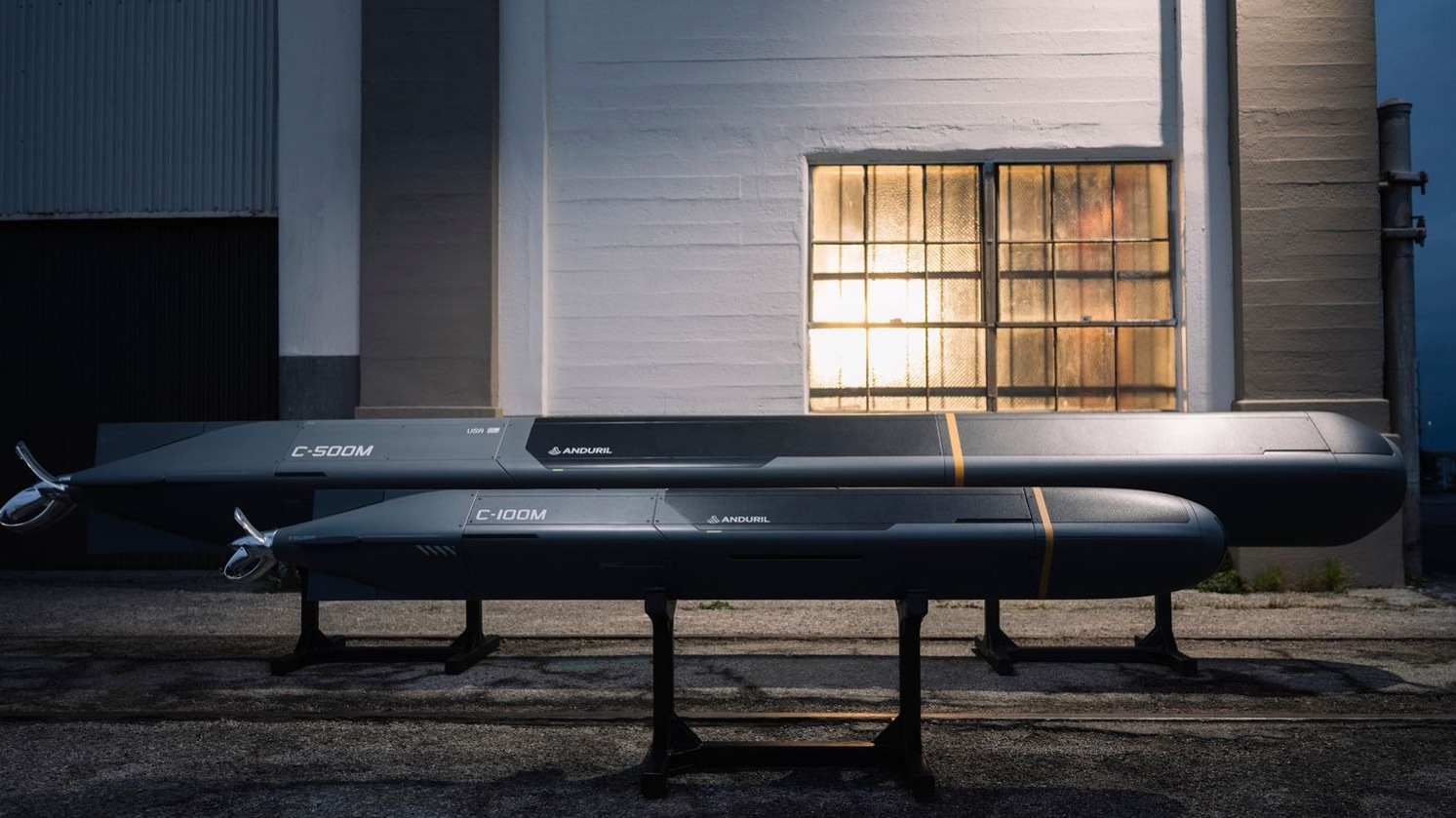
The company wants acoustic communications to connect larger autonomous formations. The decisive evidence will concern the network under load, rather than a single working link.
A renewed contract adds Gen-3 access to the partnership. More collection opportunities matter if the resulting assessments remain timely, traceable and appropriately qualified.
The supplier says initial units arrived within two months of a $106 million order. Delivery speed is one milestone; a supported capability available to a unit is another.
Onboard decision-making is the core vendor claim. The consequential question is how an organization proves the boundaries, reliability and human responsibility of an autonomous weapon before relying on it.
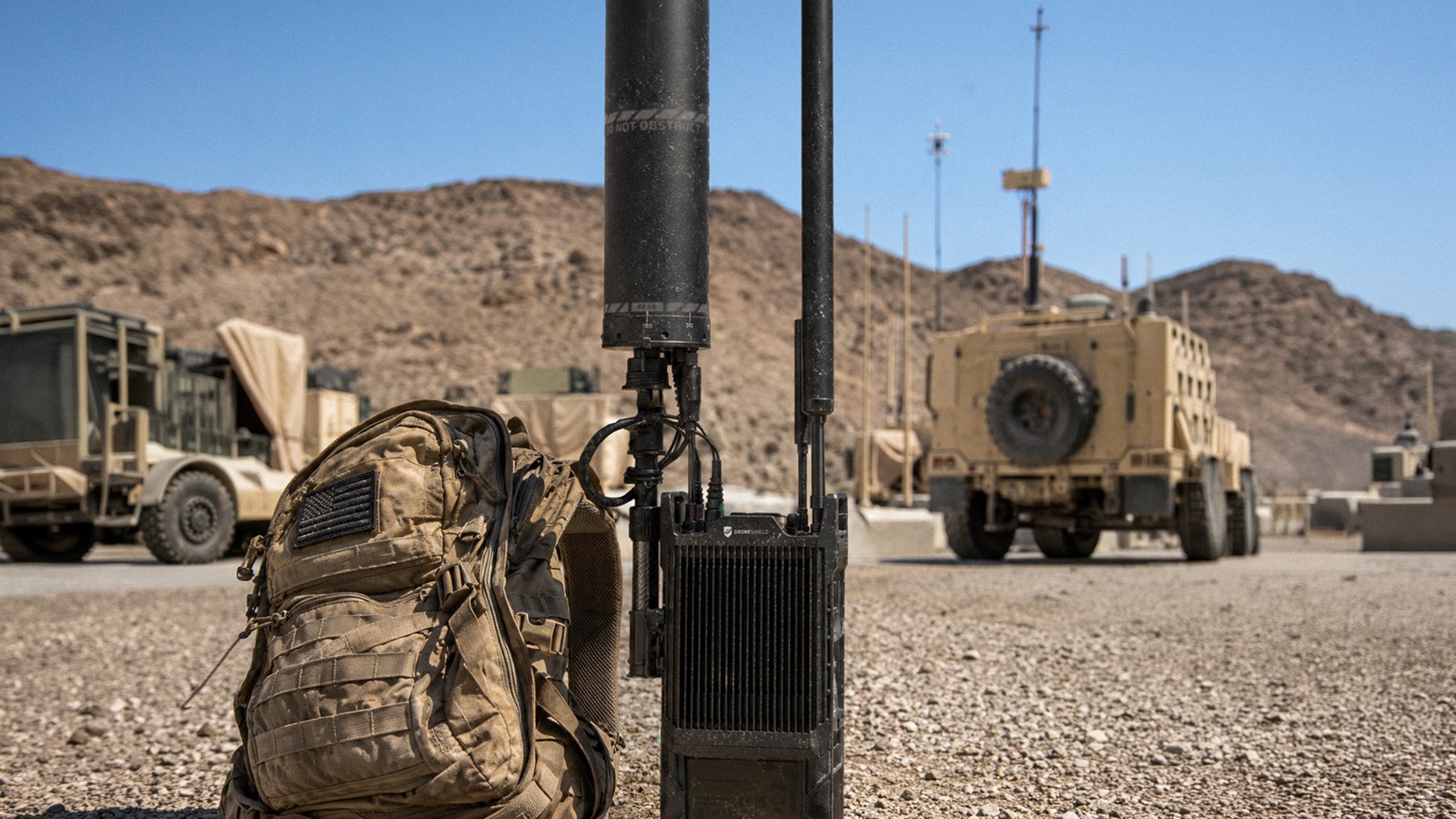
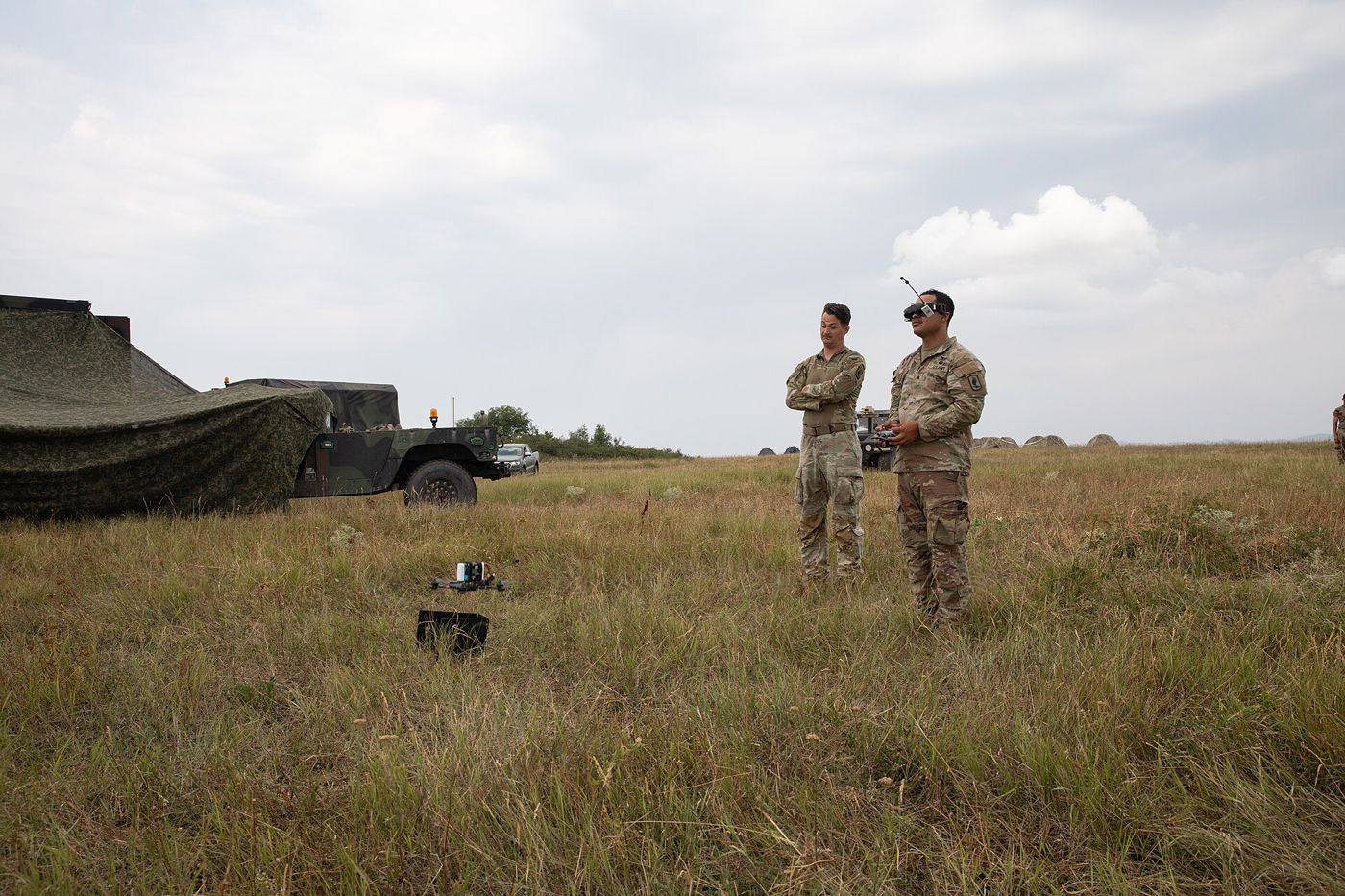
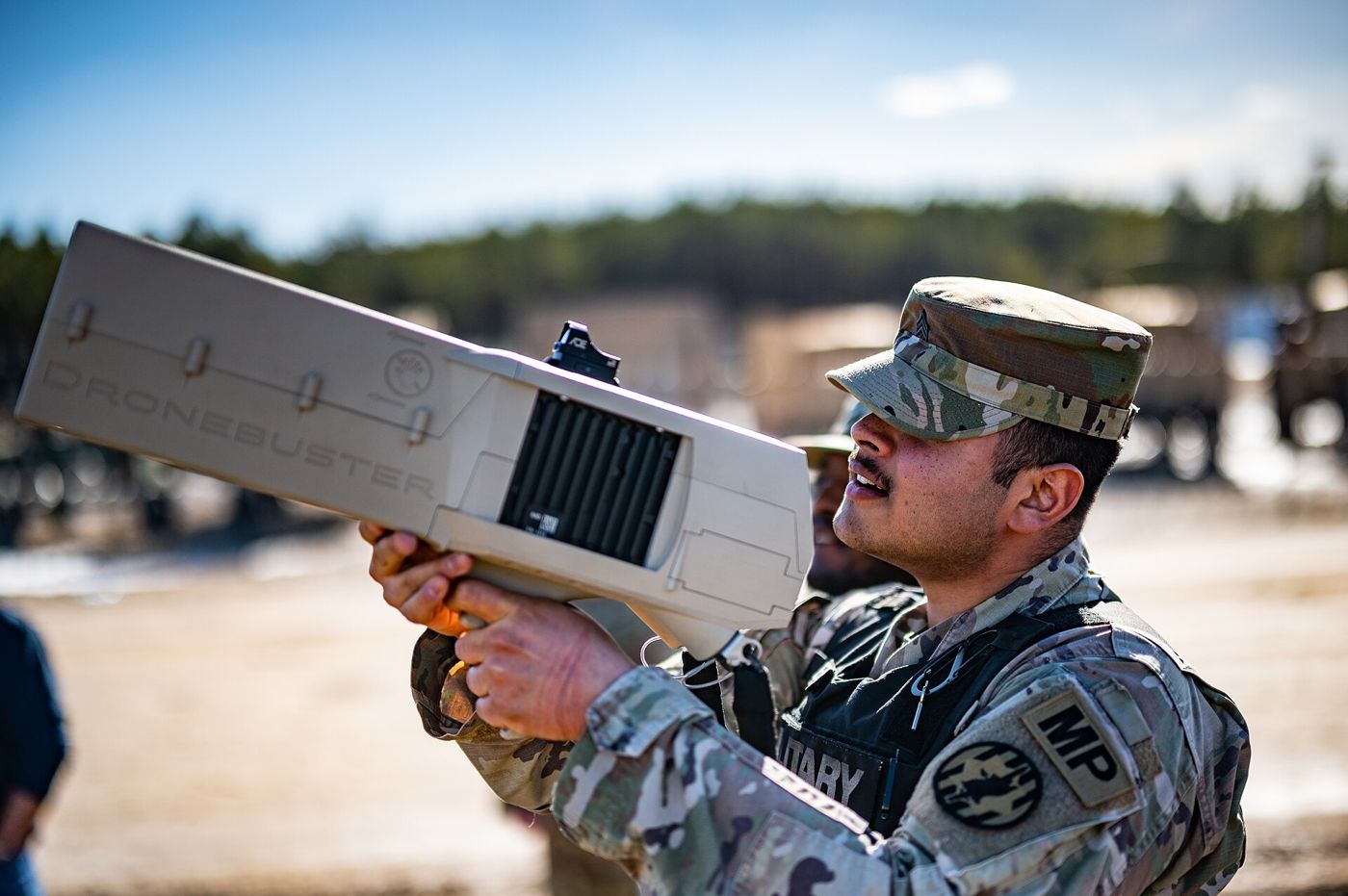
The Camp Atterbury announcement highlights a useful counter-drone problem: radio silence should not make a small aircraft disappear from the airspace picture. Demonstration claims still need operational evidence.
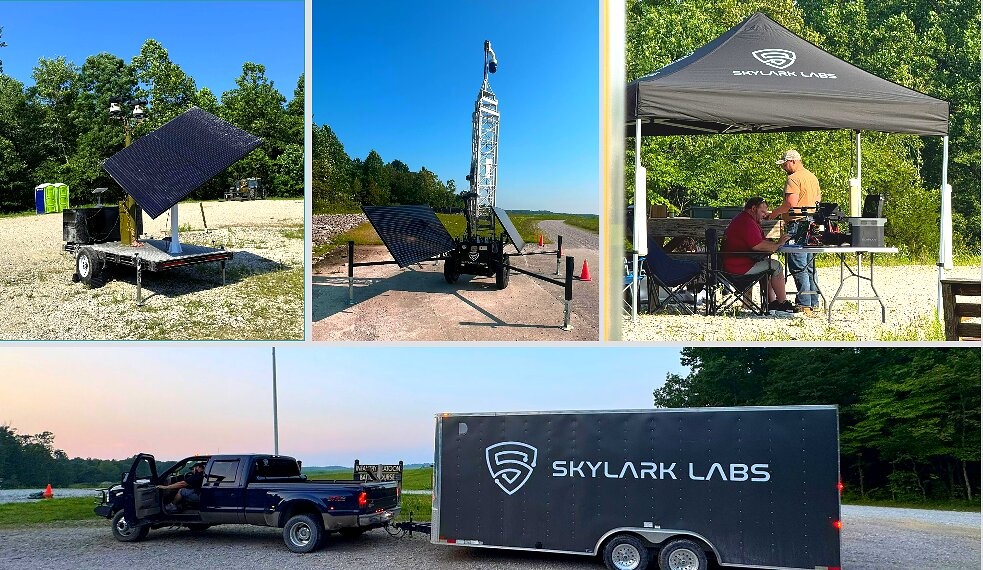
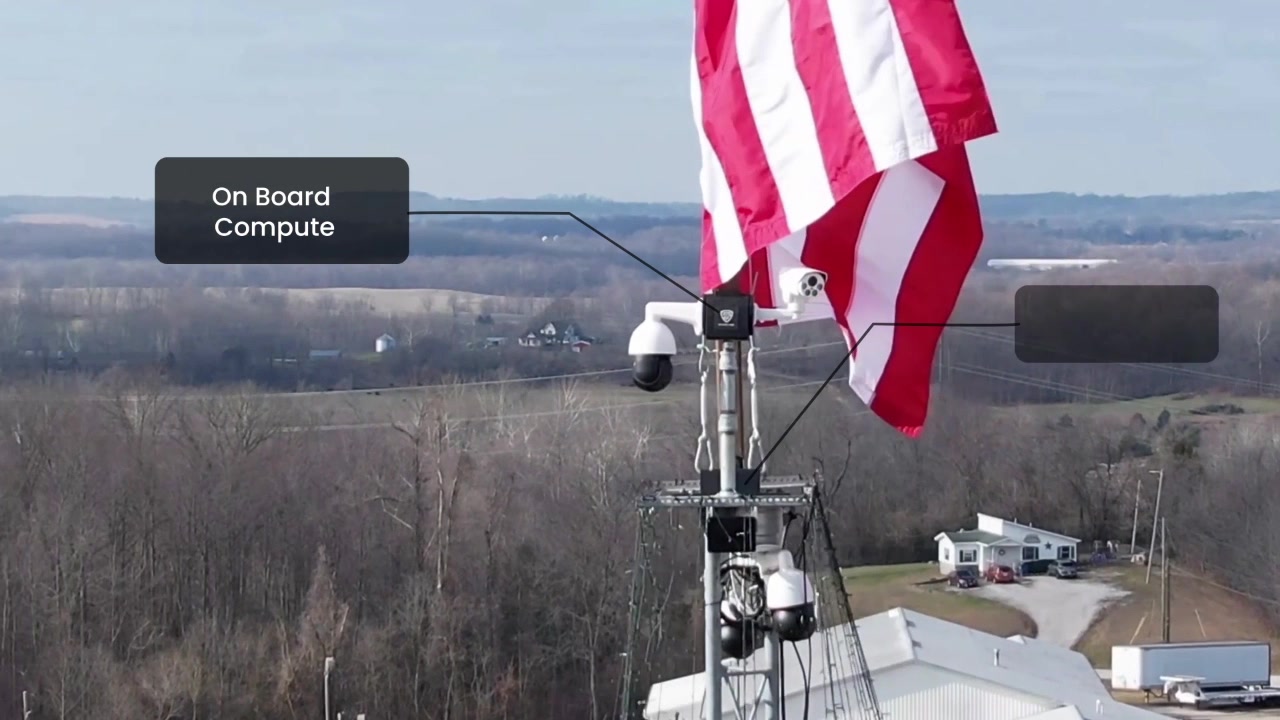
A relocatable sensor tower could reduce the burden of persistent watch. The harder test is turning detections into trusted decisions without overwhelming the people responsible.
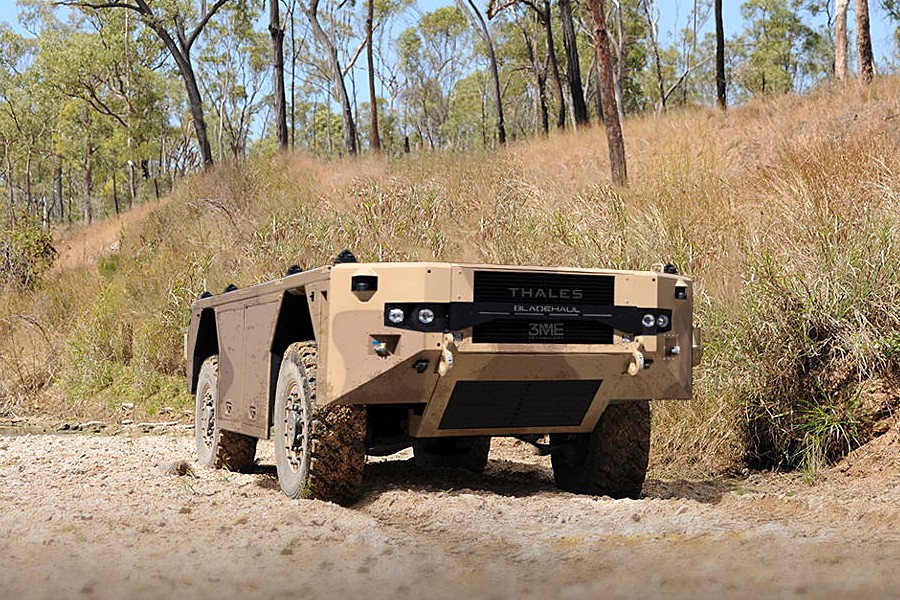
A vehicle designed for uncrewed work can allocate space differently. Its modular deck still needs evidence that the supported mission works end to end.
Moving work into Ukraine could shorten the path from a reported fault to a useful change. Configuration control determines whether that speed is repeatable.
A mature development process can help military autonomy. Road experience still needs new evidence for unstructured ground and military mission constraints.
The export establishes a customer milestone. The longer-term value depends on whether the buyer can change mission equipment without reopening the whole vehicle.
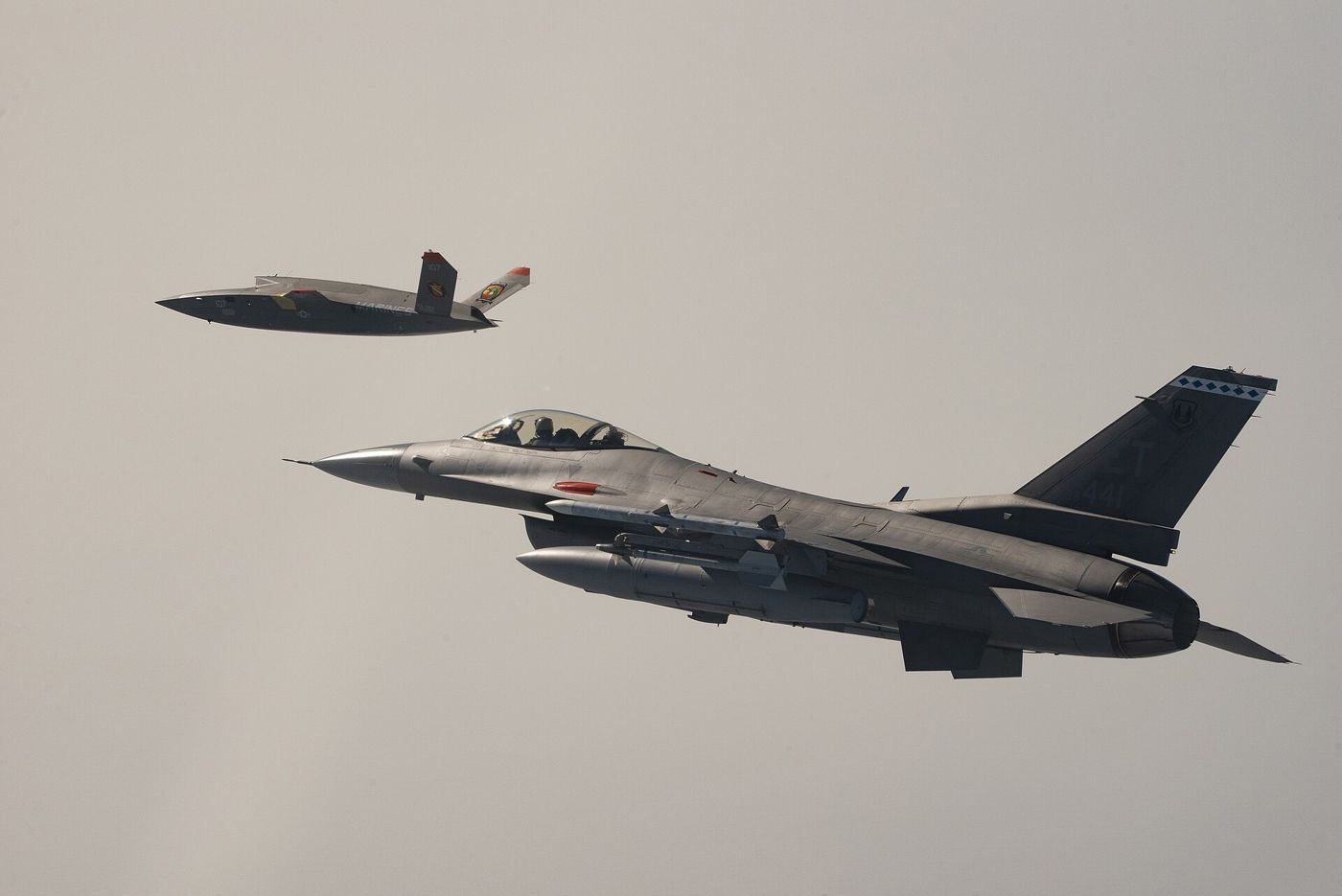
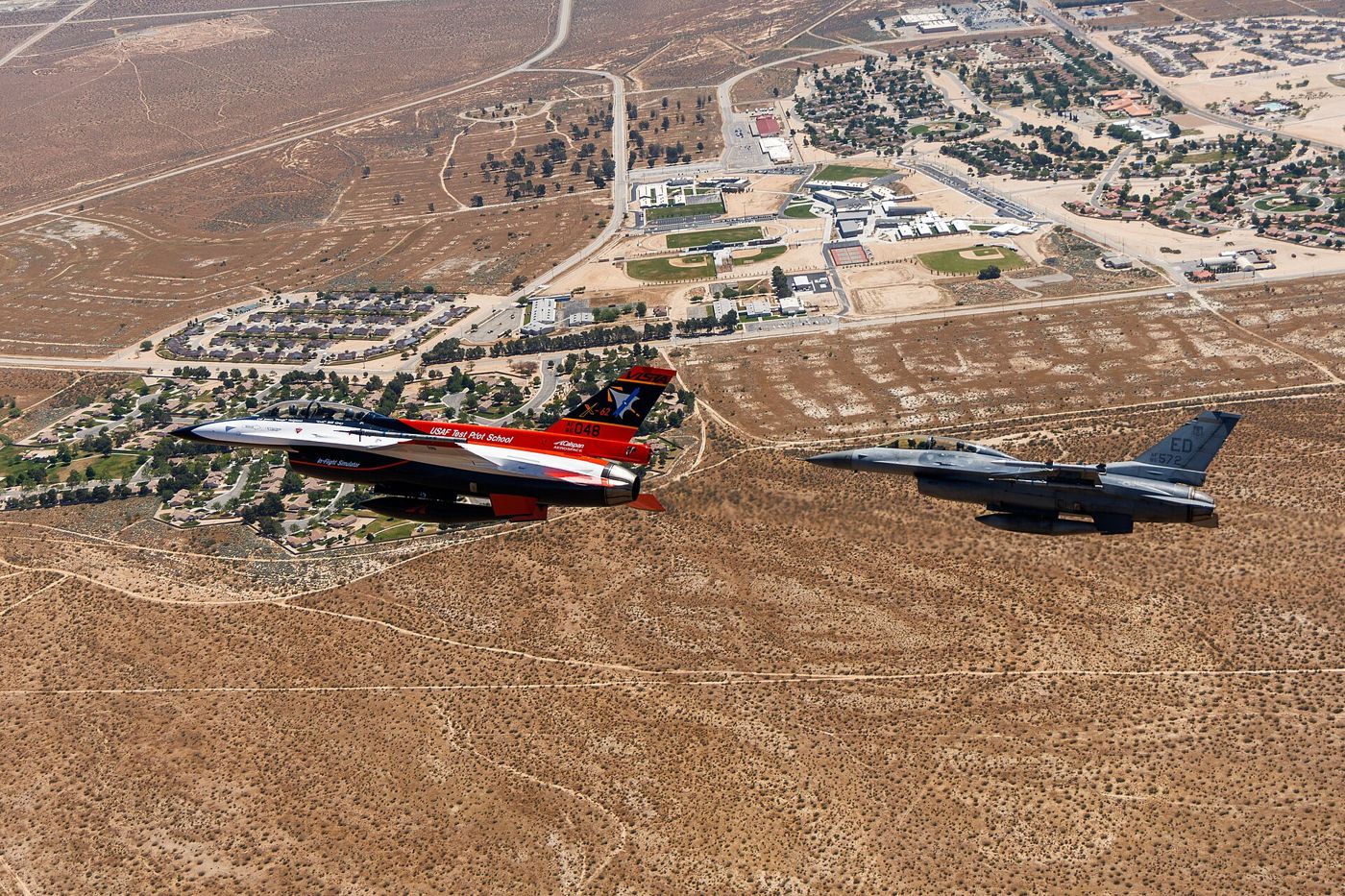
Australia’s test connects crewed aircraft and a drone through an authorized engagement. Repeatability in harder conditions remains a separate question.
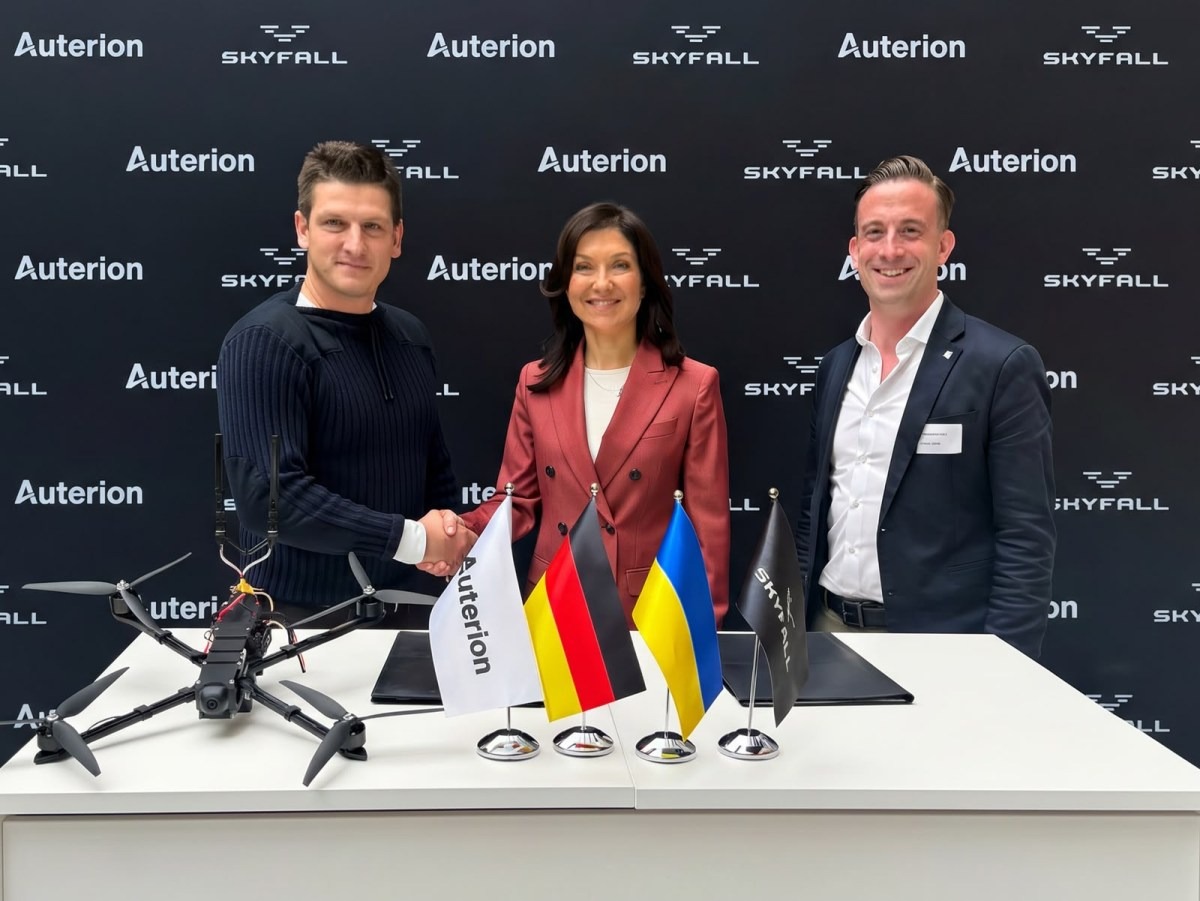
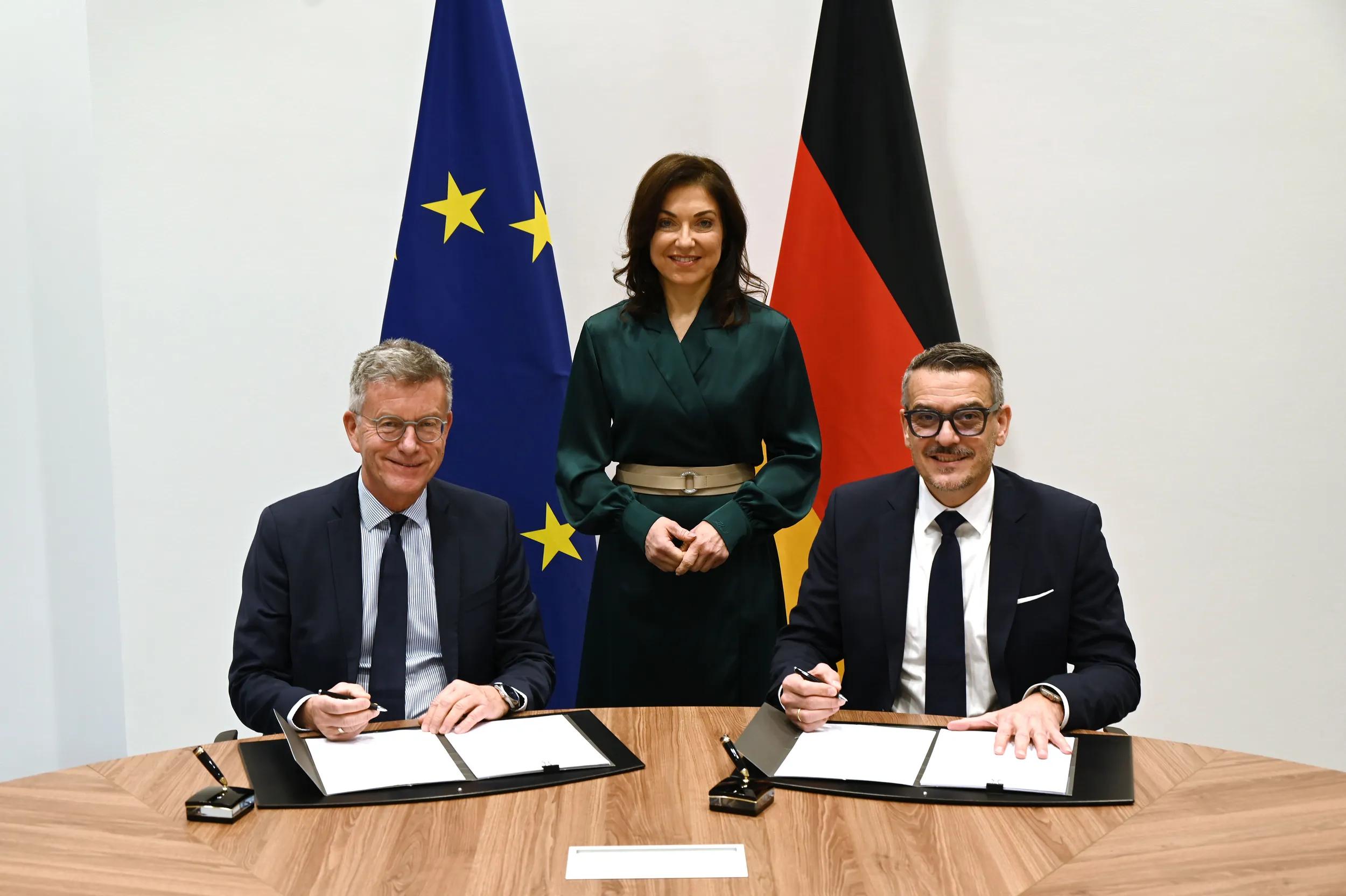
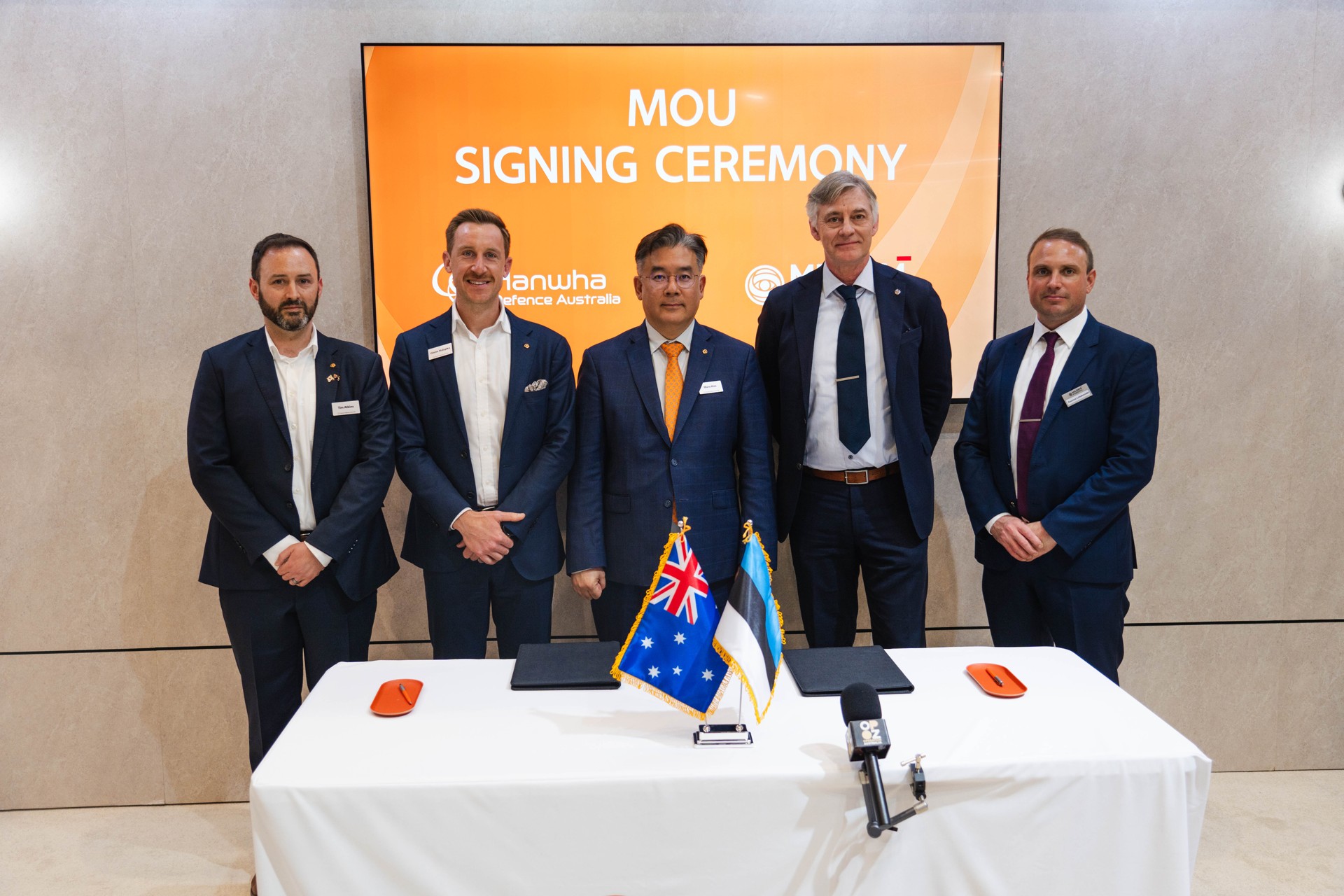
Local mission-system work could preserve national control. The agreement needs to become specific rights, responsibilities and validated configurations.
Australia’s five-year agreement links acquisition, maintenance and continued development. Those services determine what a delivered autonomous fleet can do.
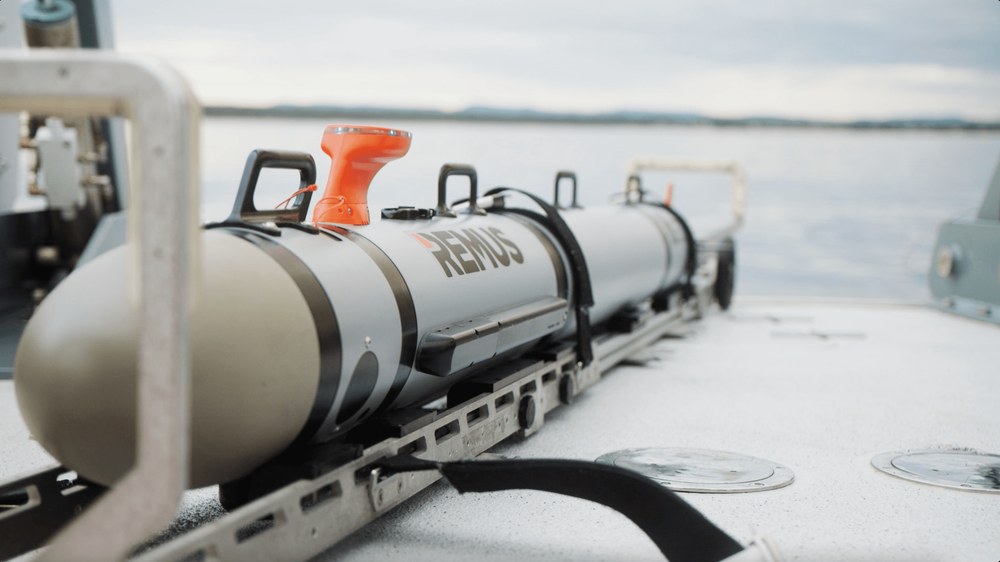
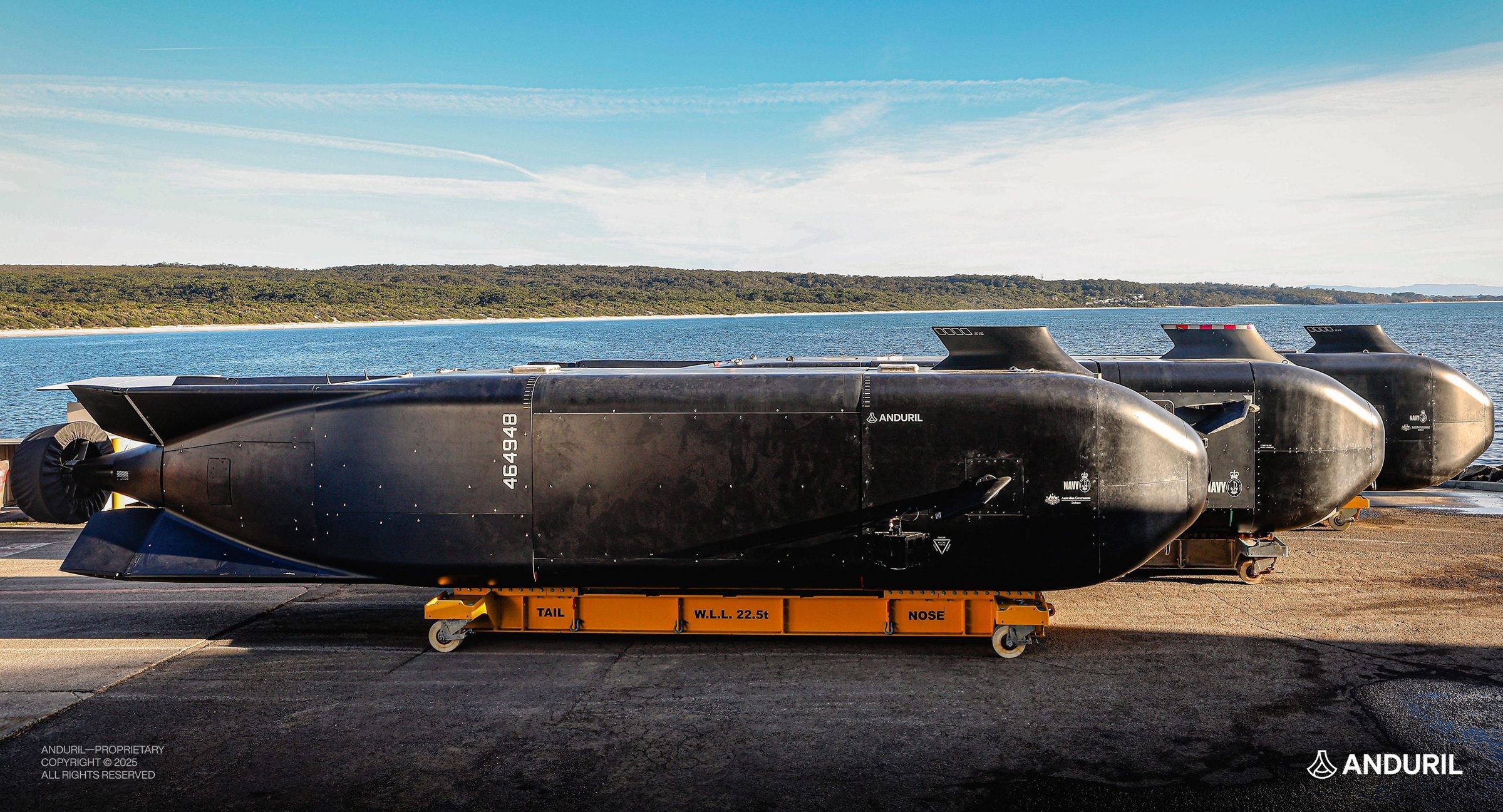
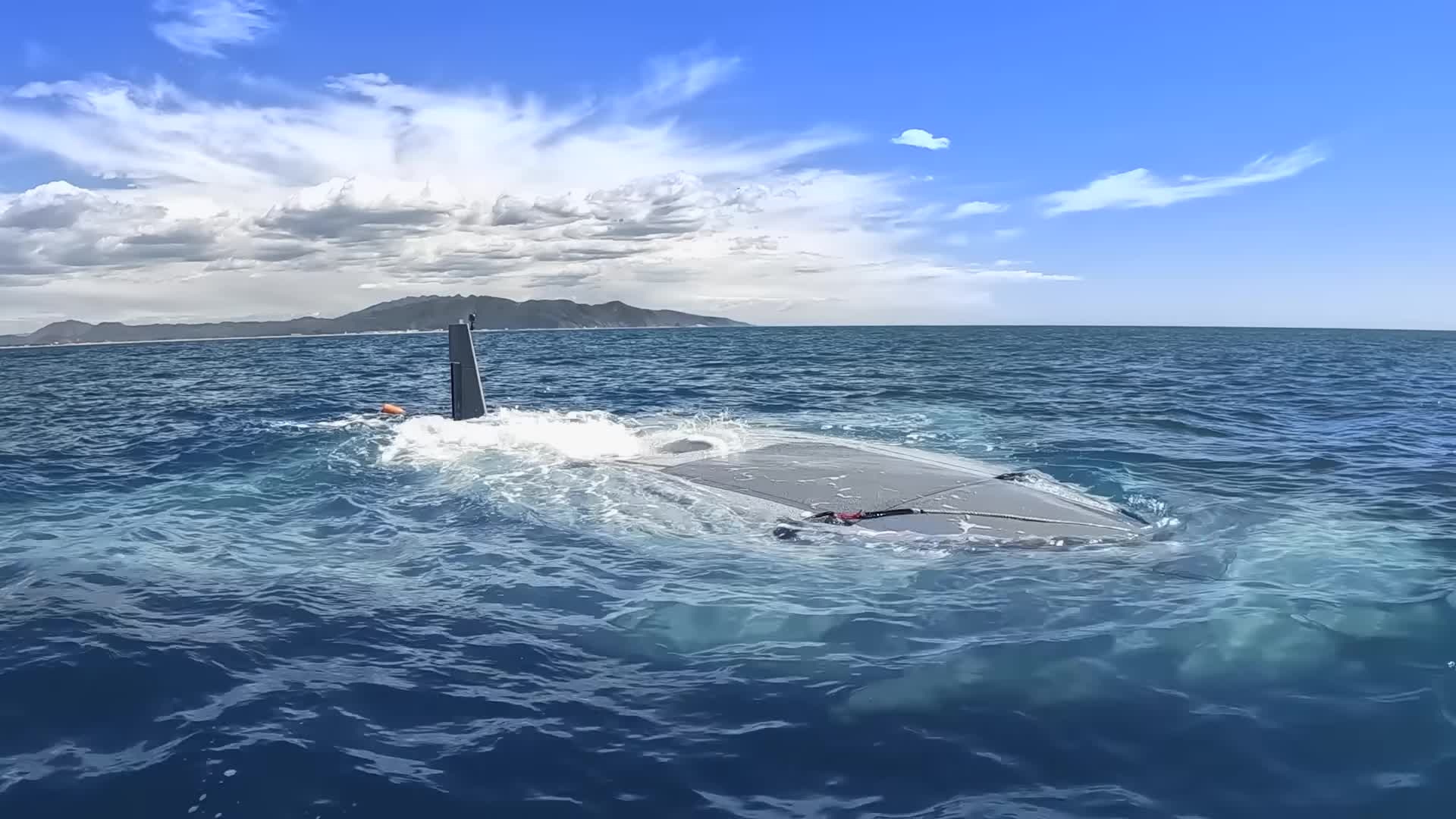
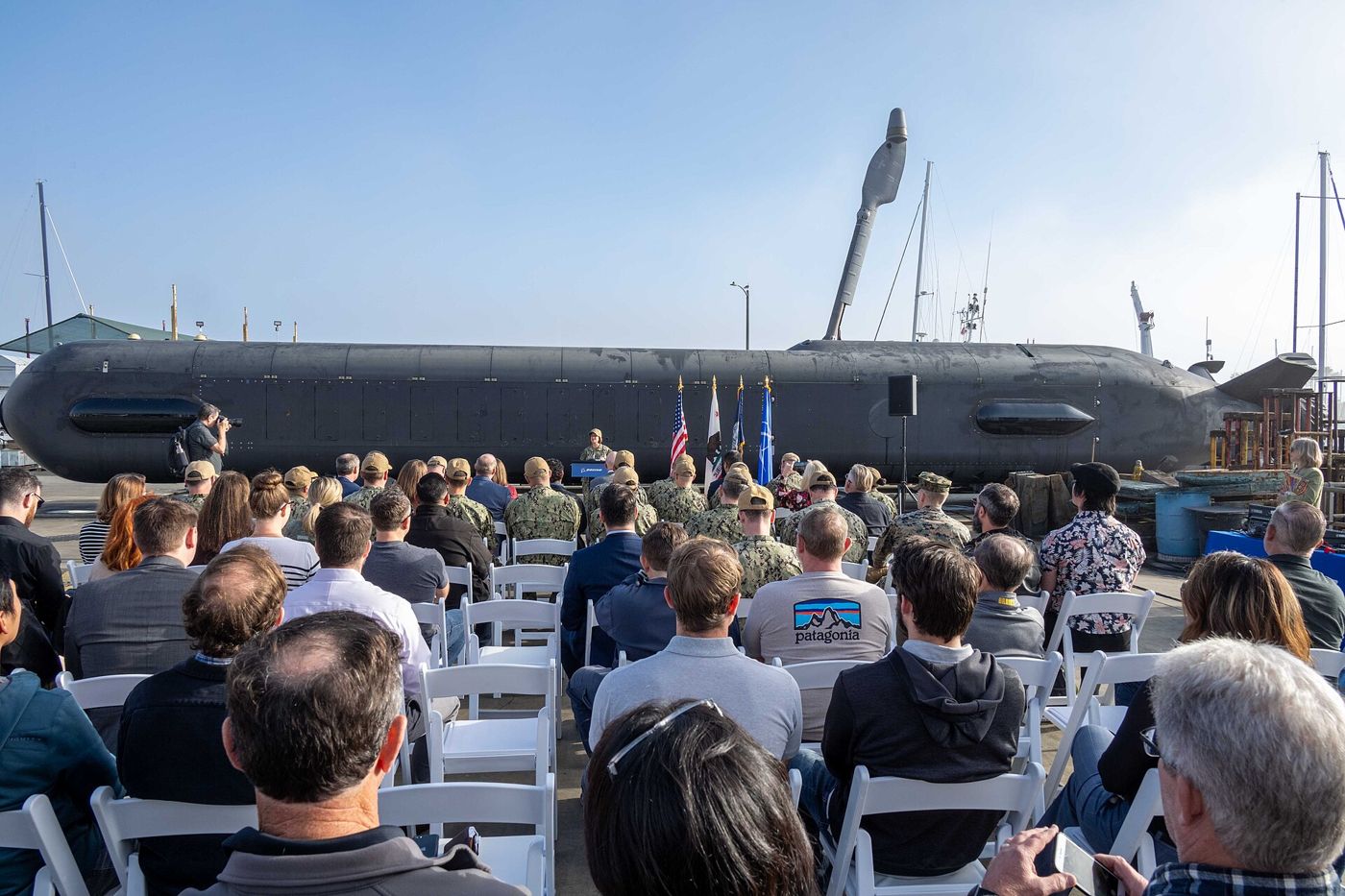
DARPA’s modular underwater prototype asks whether a large drone can begin useful work nearer its mission. Shipment and assembly costs belong in the comparison.
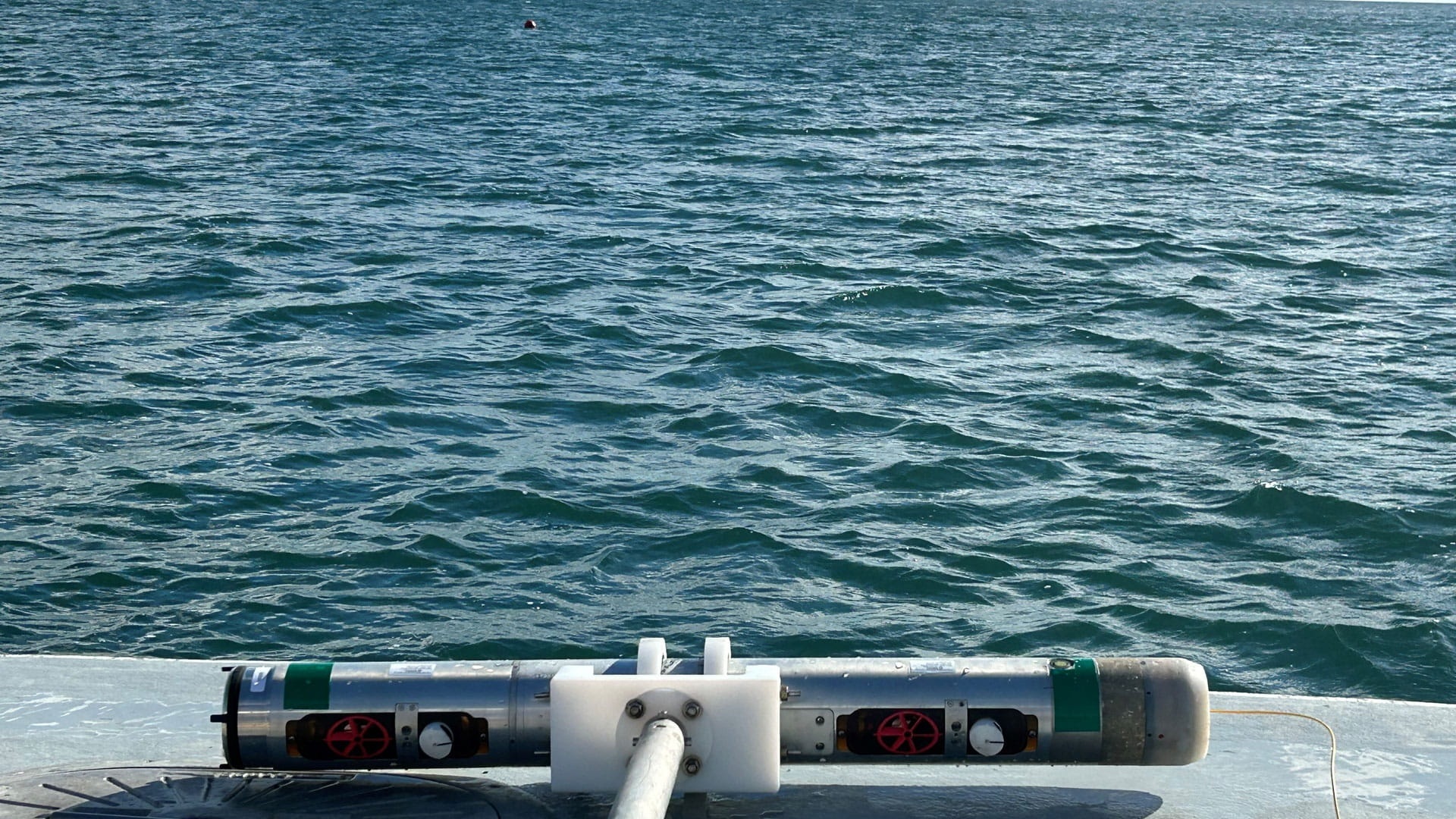
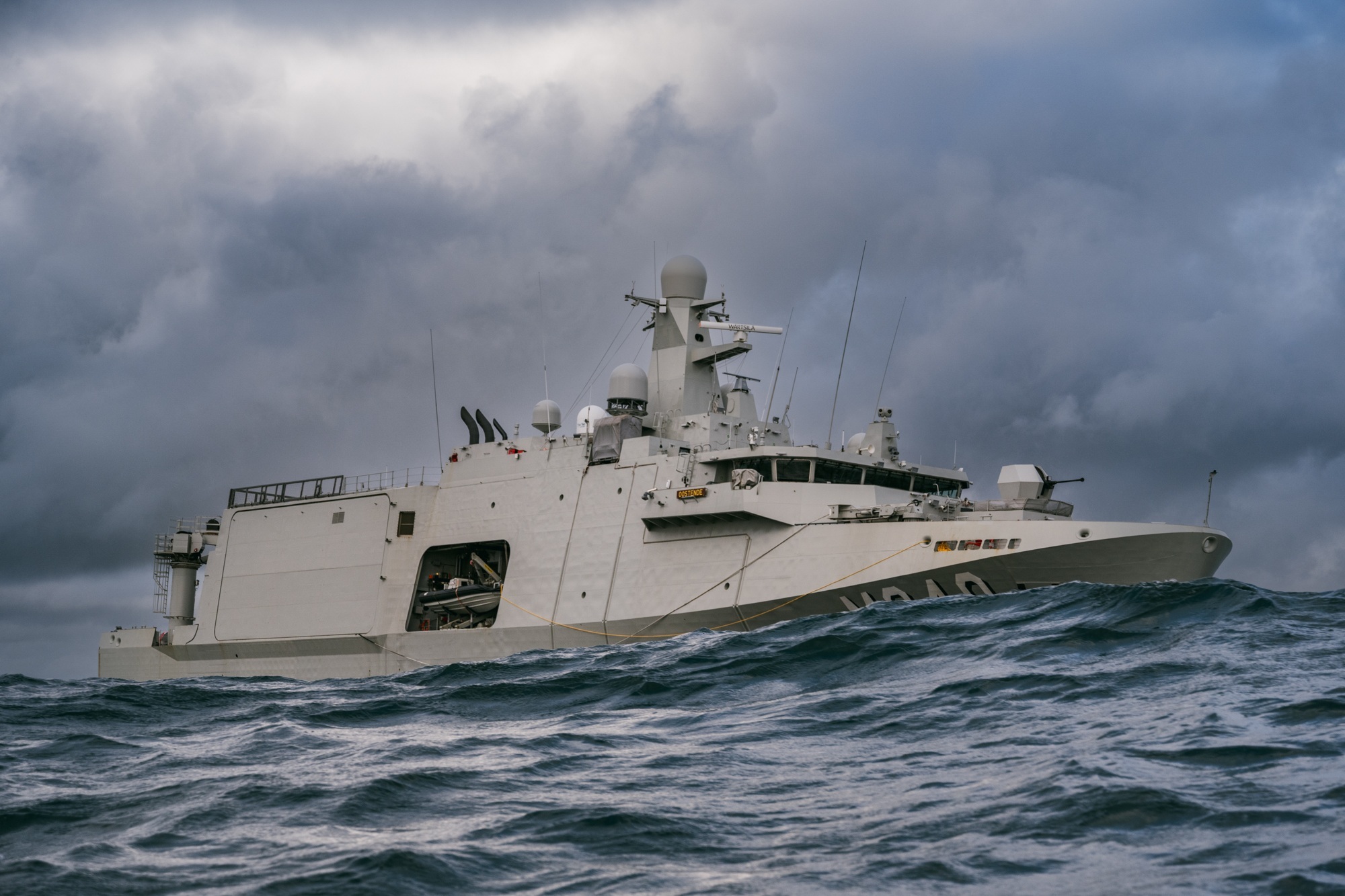
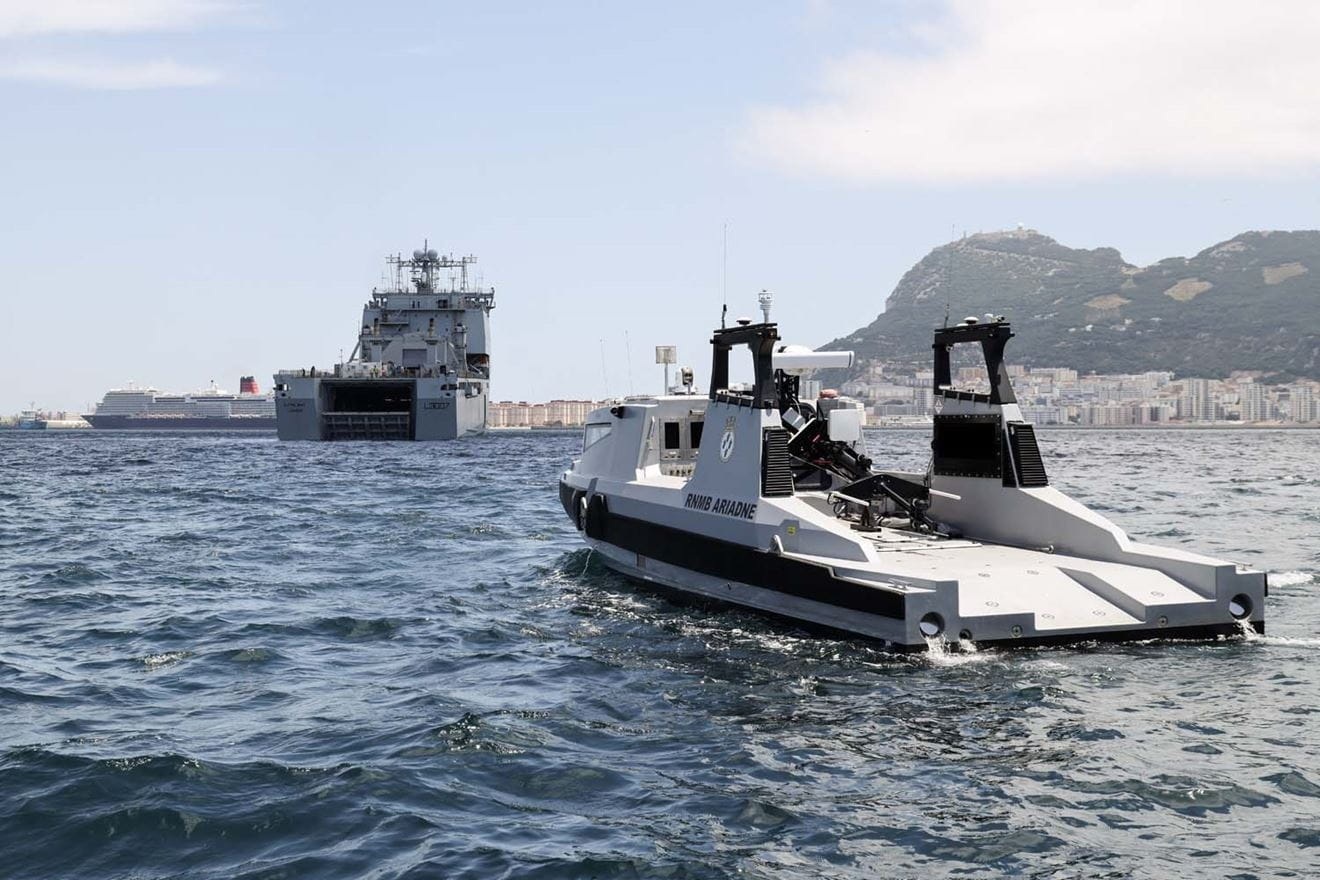
Belgium’s new mine-warfare ship brings several robotic systems together. Acceptance of a hull and effective use of its drones are different milestones.
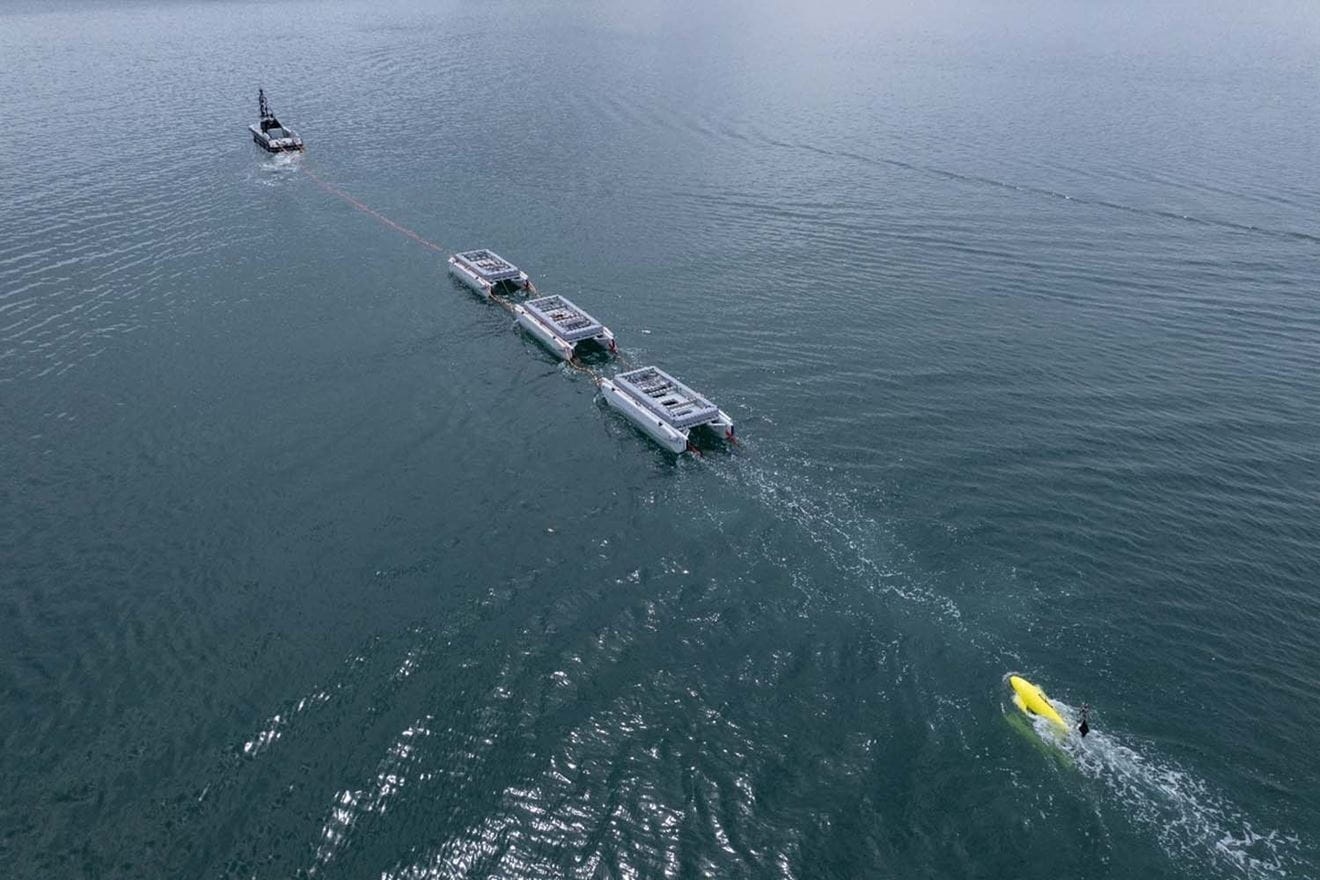
An autonomous sweeping system does not answer the same question as a sonar hunter. Its value depends on representing the threat that a real ship would face.
NATO’s surveillance testing can add observations around vulnerable infrastructure. The practical question is what happens after a suspicious event is detected.
The commercial framework gives operators a way to describe who performs each function. Defense planners can learn from it without treating it as a warship certification.
NGA’s delivery orders buy different kinds of findings from commercial data. Customers need to know what the service detects, what it misses and how its results can be checked.
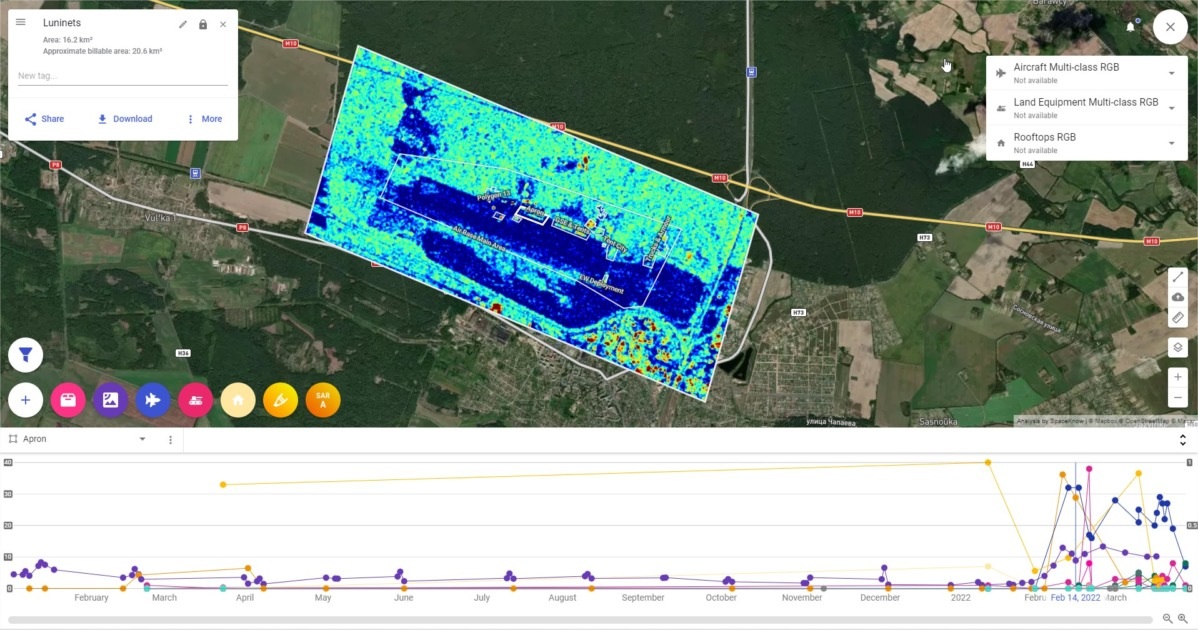
Radar images can arrive without daylight or clear skies. Dedicated capacity and the ability to explain the image remain essential parts of the intelligence service.
NATO’s operational milestone connects national and commercial sources. The useful result depends on matching permissions, tasking and delivery to the allied decision.
The Army’s AI pipeline aims to make models traceable and replaceable. That infrastructure matters when sensor data and model behaviour change after acceptance.
The CIA-developed assistant illustrates a useful division between finding material and deciding what it supports. A cited summary can still omit the decisive contradiction.
DARPA’s competition demonstrated AI systems finding and patching software flaws. Deploying that capability requires knowing the repair preserves the software’s intended work.
NIST’s attack taxonomy and MITRE’s threat records make testing more specific. A detector can be wrong because the scene is difficult or because someone manipulated its inputs.
ODNI’s guidance responds to public, commercial and AI-assisted information flows. A useful citation has to show what changed between the original material and the judgement.
A useful image must be discoverable, accessible and interpretable by its recipient. Buying the portal addresses a different problem from buying another satellite.
When software consumes threat intelligence directly, source quality becomes part of the control system. Retrieval access must stay separate from authority to act.
Almost all of the Defense Autonomous Warfare Group’s request sits in a reconciliation bill Senate appropriators have ruled out. A four-star command is planned anyway.
The California company says its software can teach an off-the-shelf humanoid different missions. Its orders and results have yet to be confirmed outside the company.
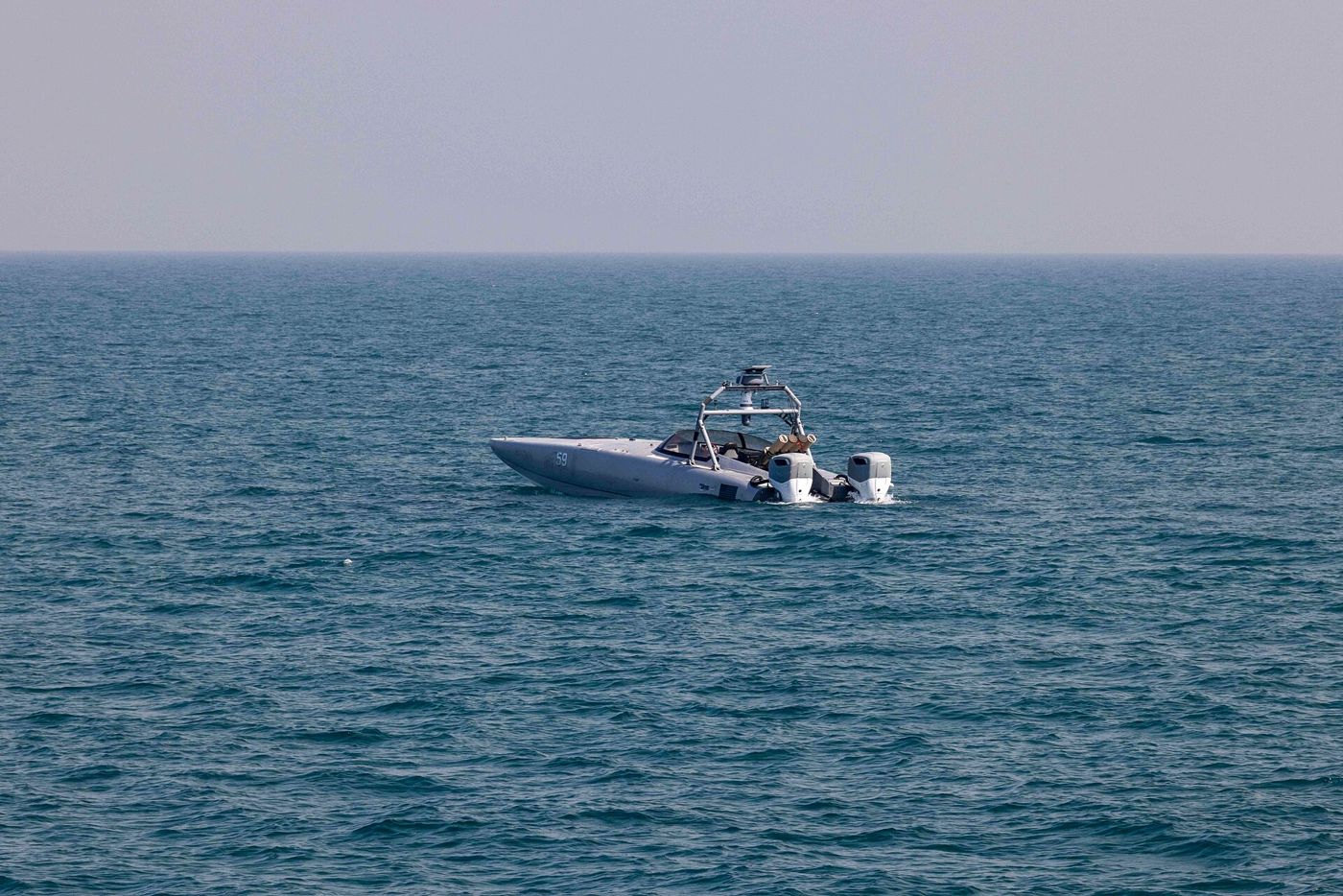
Central Command called the July 12 Corsair attack a first. The public record shows fast fielding, and little about autonomy, defenses or who commands the boats.
A presidential order to rewrite Directive 3000.09 is five weeks overdue. The AI that shaped this year’s targeting sits in software the directive may not cover.
Brussels promised a shield against Russian drones. What exists is national border networks, NATO fighters still doing the shooting, and EU projects that became fundable two weeks ago.
Clean-spectrum demonstrations prove little. Autonomous systems should be judged on documented dependencies and tested behavior when links, GPS and assumptions fail, before the money flows.
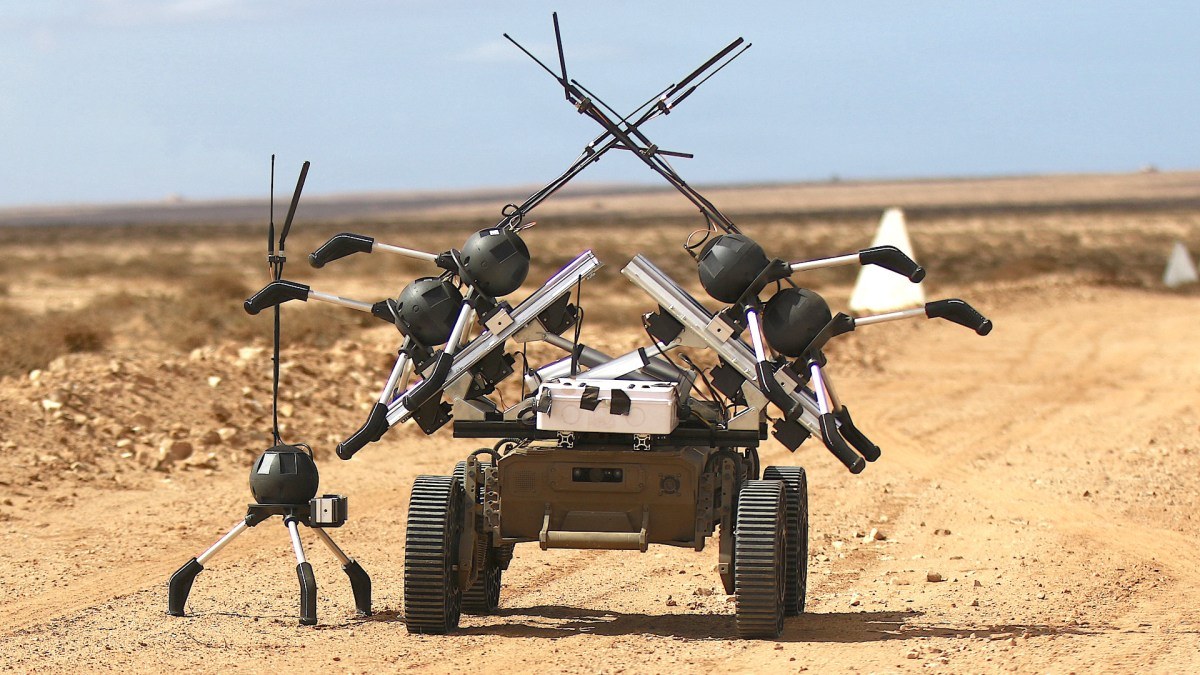
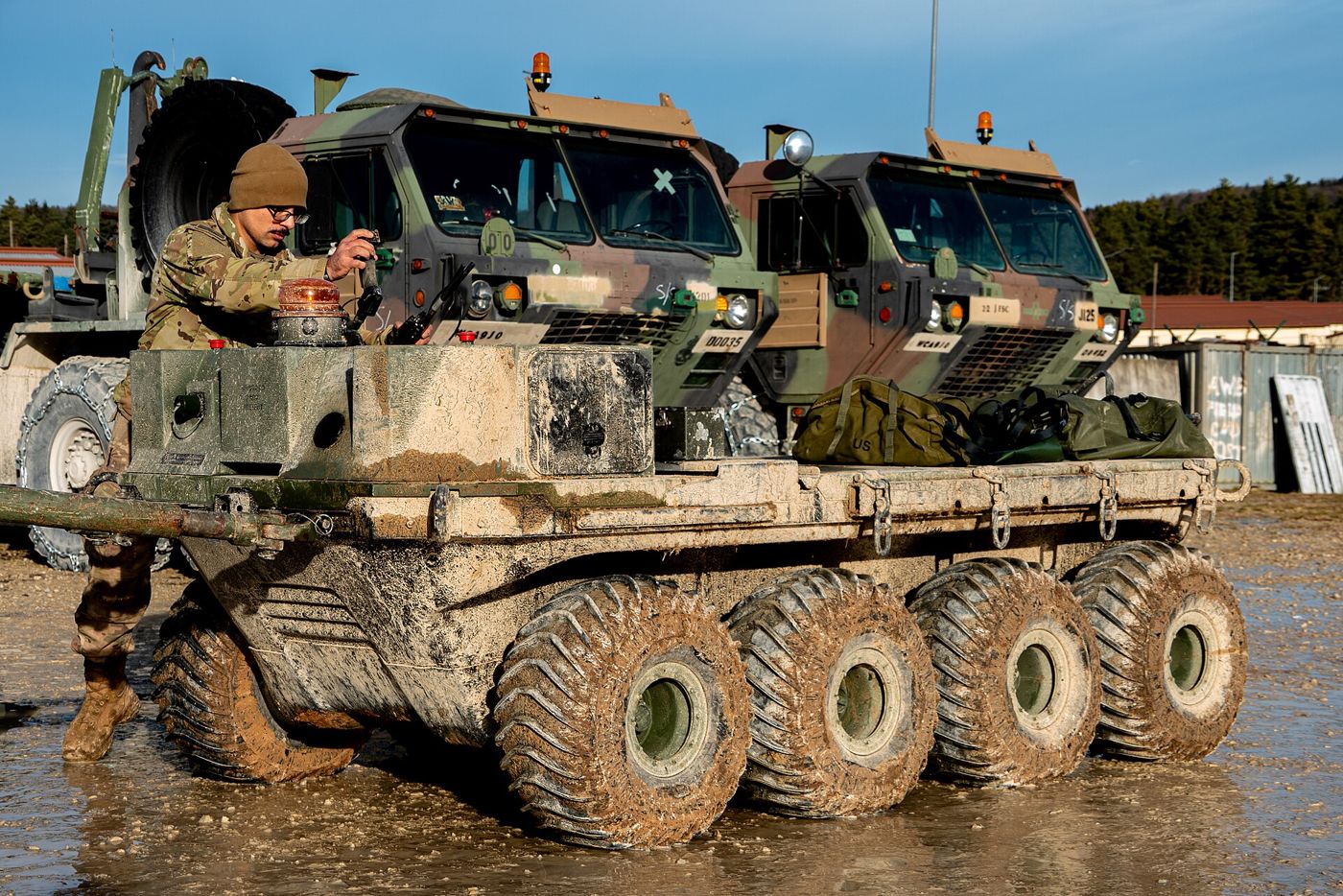
The Army is about to test logistics and casualty-evacuation robots again. Its assessments should count interventions, recoveries and maintenance hours, as Ukraine’s experience shows.
The Drone Dominance buys finally set rules for motors and batteries, but only at assembly. Chinese cells and magnets remain permitted until August 2027.
The startup behind the Phantom robot cites $24 million in Pentagon contracts and trials in Ukraine. Published accounts and federal data differ on both.
Magnetic, visual, celestial and borrowed-signal navigation have all flown. Buyers still get percentage gains over drifting inertial units instead of error figures they can specify.
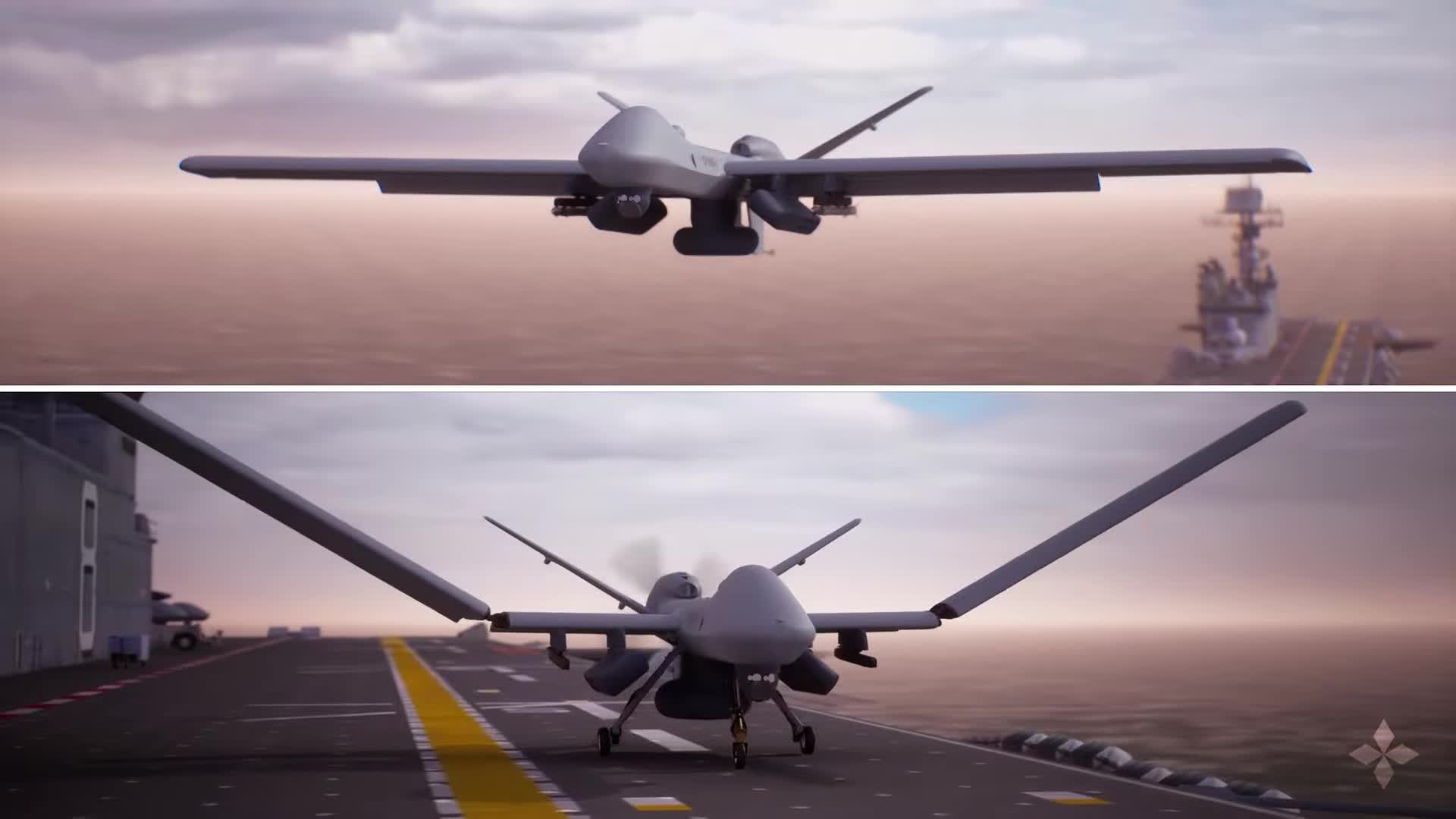
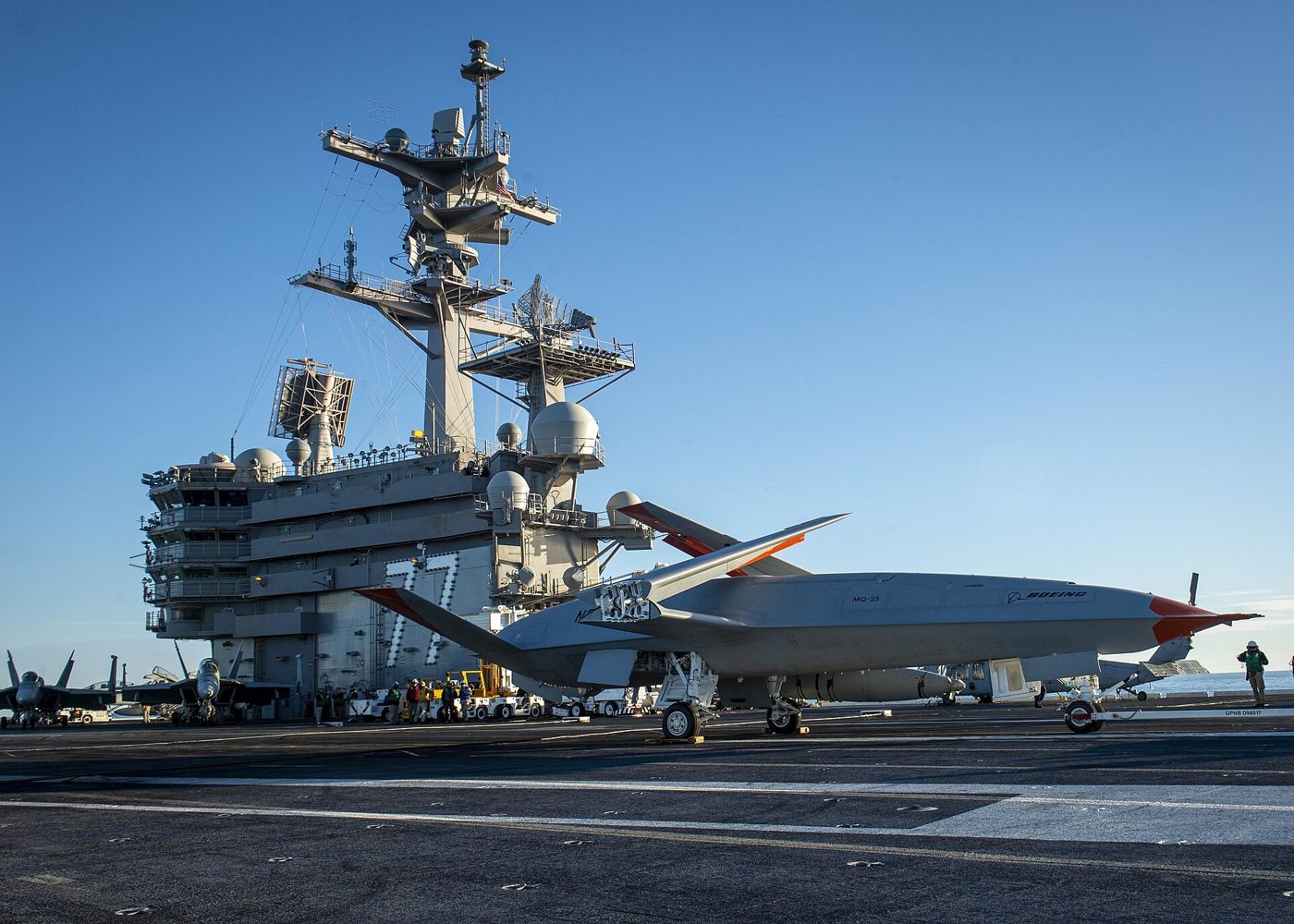
The Navy’s new carrier CCA request leans on the MQ-25’s control station and deck procedures, which no public account shows tested with an aircraft at sea.
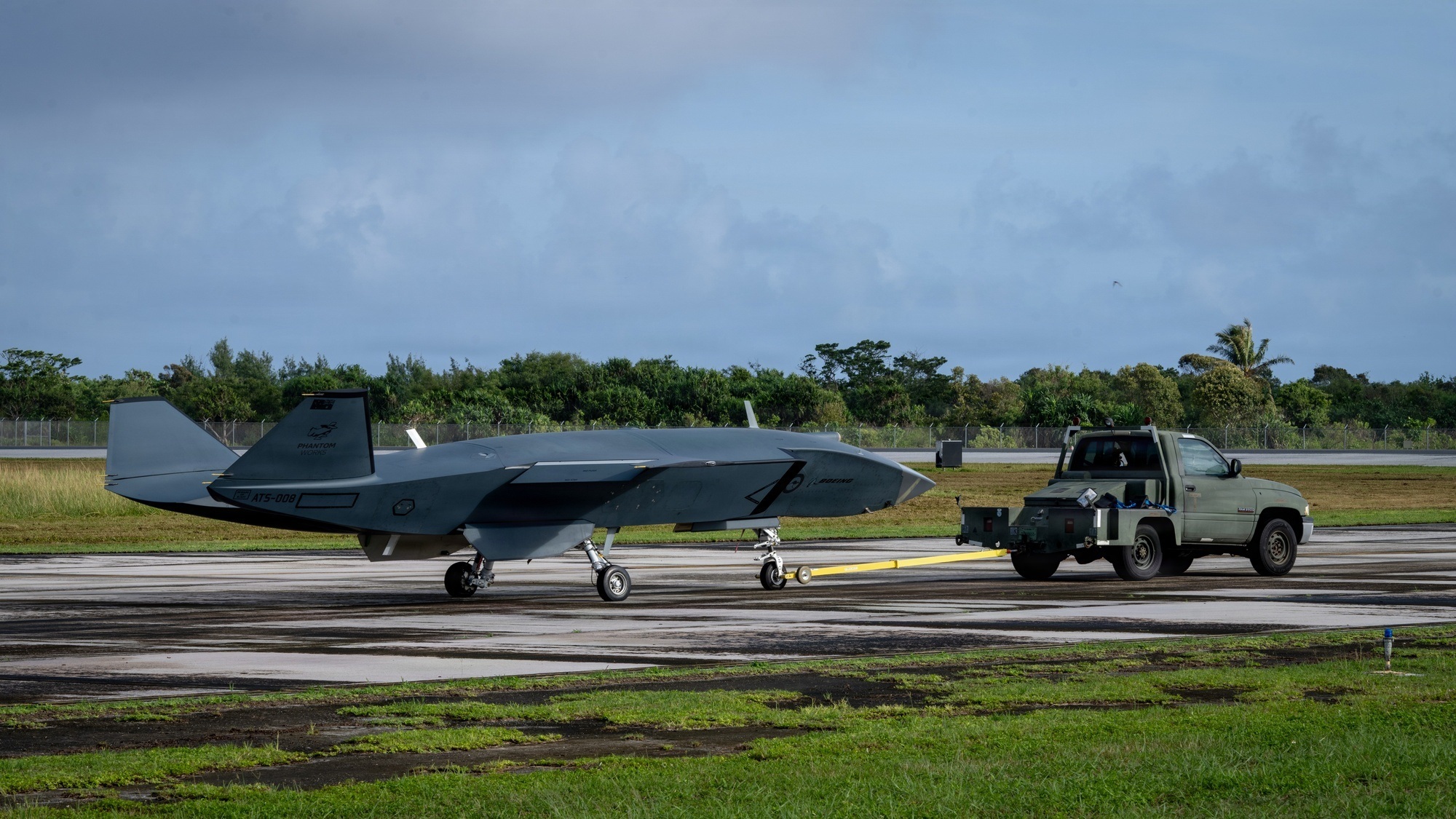
The Air Force ordered its drone wingmen into production before choosing their software. Readiness should be judged by autonomy builds and test evidence, not airframes.
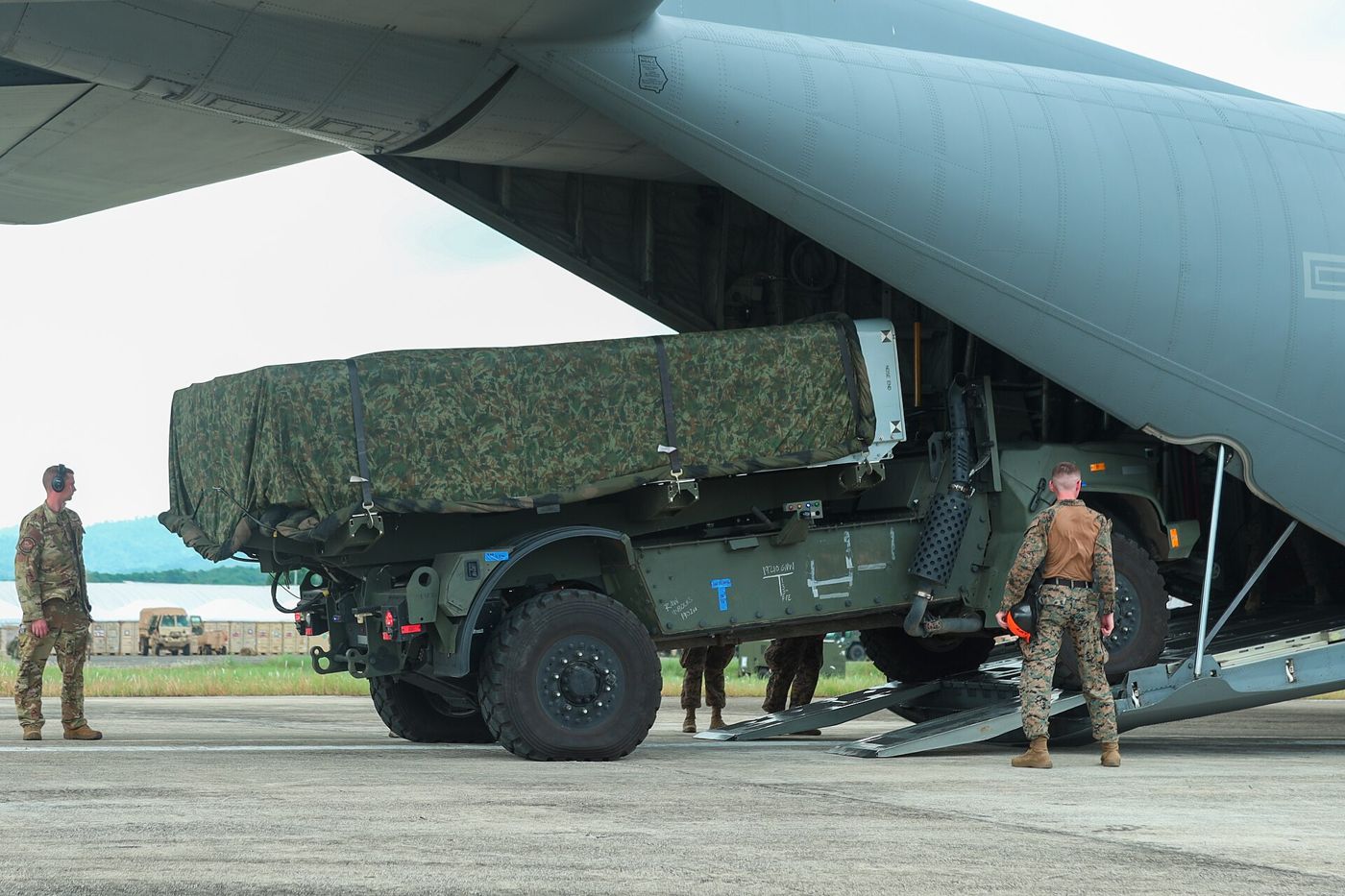
NMESIS reached two littoral regiments as a towed, tele-operated missile launcher. Autonomy is arriving afterward, under contract, and that ordering is the lesson.
Maven’s user counts show demand, not accuracy. Program offices should label every AI claim by its evidence and contract for revalidation after each update.
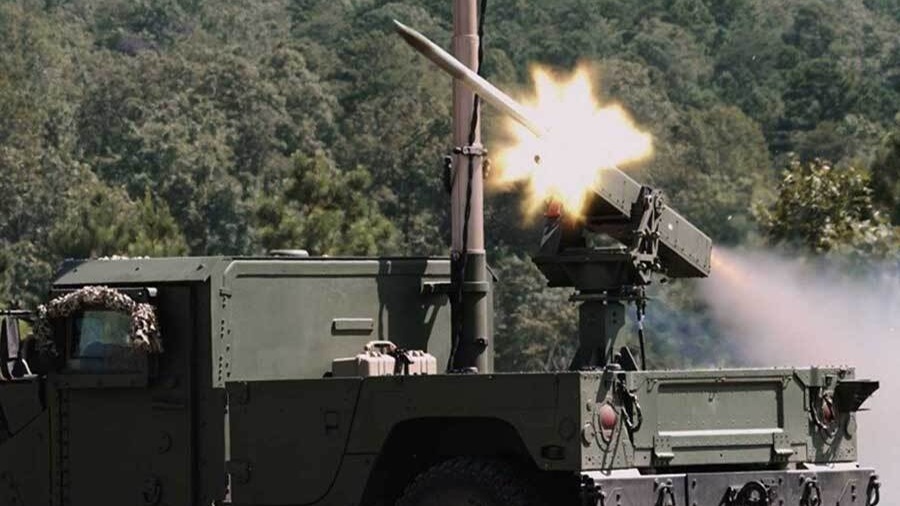
Low-power, fixed-site lasers have reached troops and production. Mobile 50-kilowatt lasers and swarm-killing microwaves have not, and nobody publishes availability data.
The Army picked four firms to prototype autonomous breaching. Ukraine’s 2023 failures show what a 2027 soldier assessment must prove before any production decision.