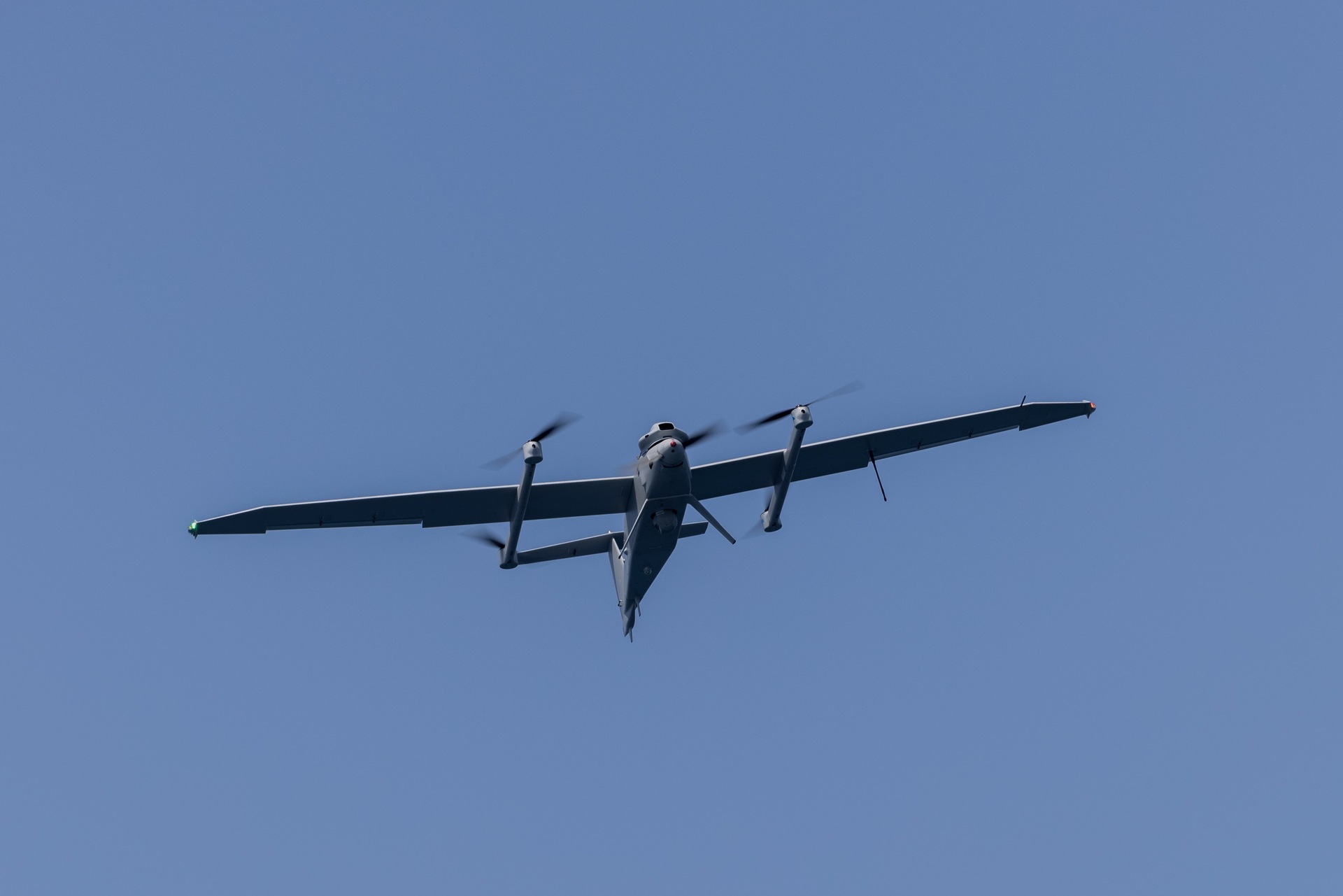
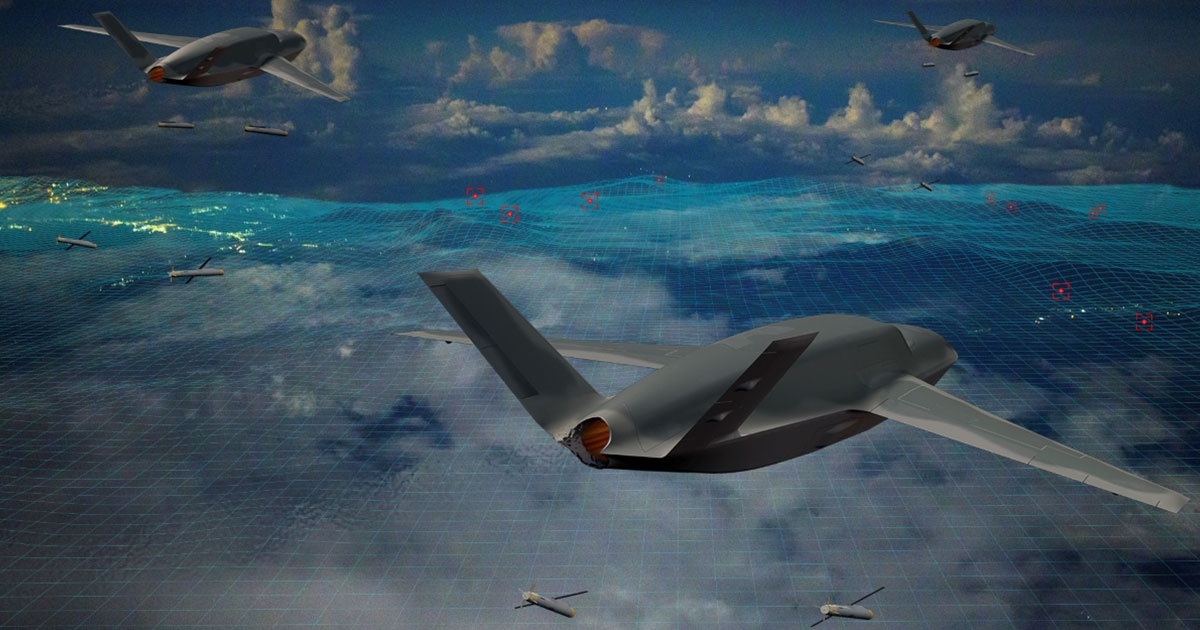
Kizilelma’s first deliveries move the test toward sustained readiness
Baykar reports three accepted aircraft. The milestone establishes an initial handover while leaving mission availability and the human command role to be demonstrated.
Uncrewed aircraft, counter-drone systems and air operations.
Explore the stories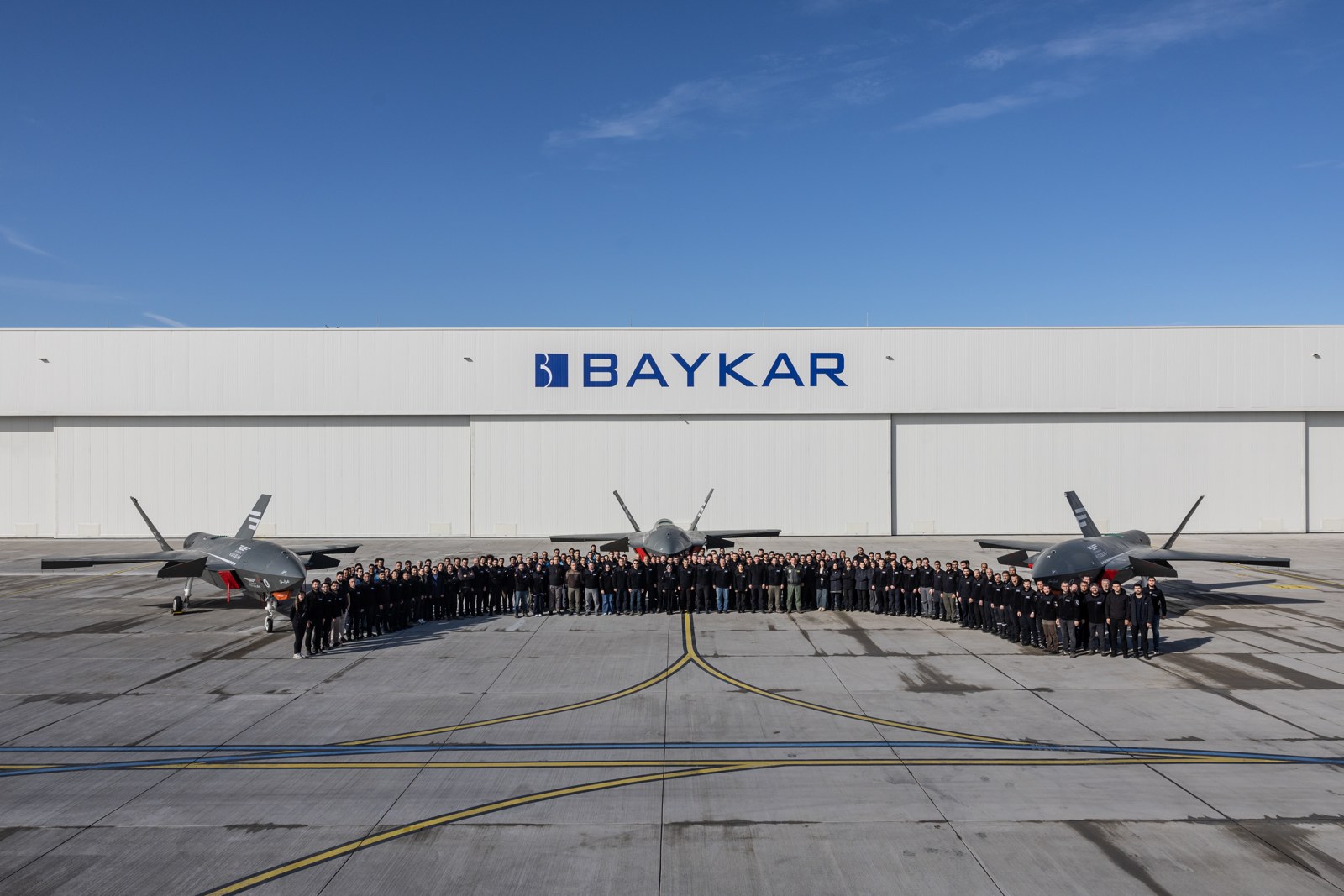
55 stories
Baykar reports three accepted aircraft. The milestone establishes an initial handover while leaving mission availability and the human command role to be demonstrated.
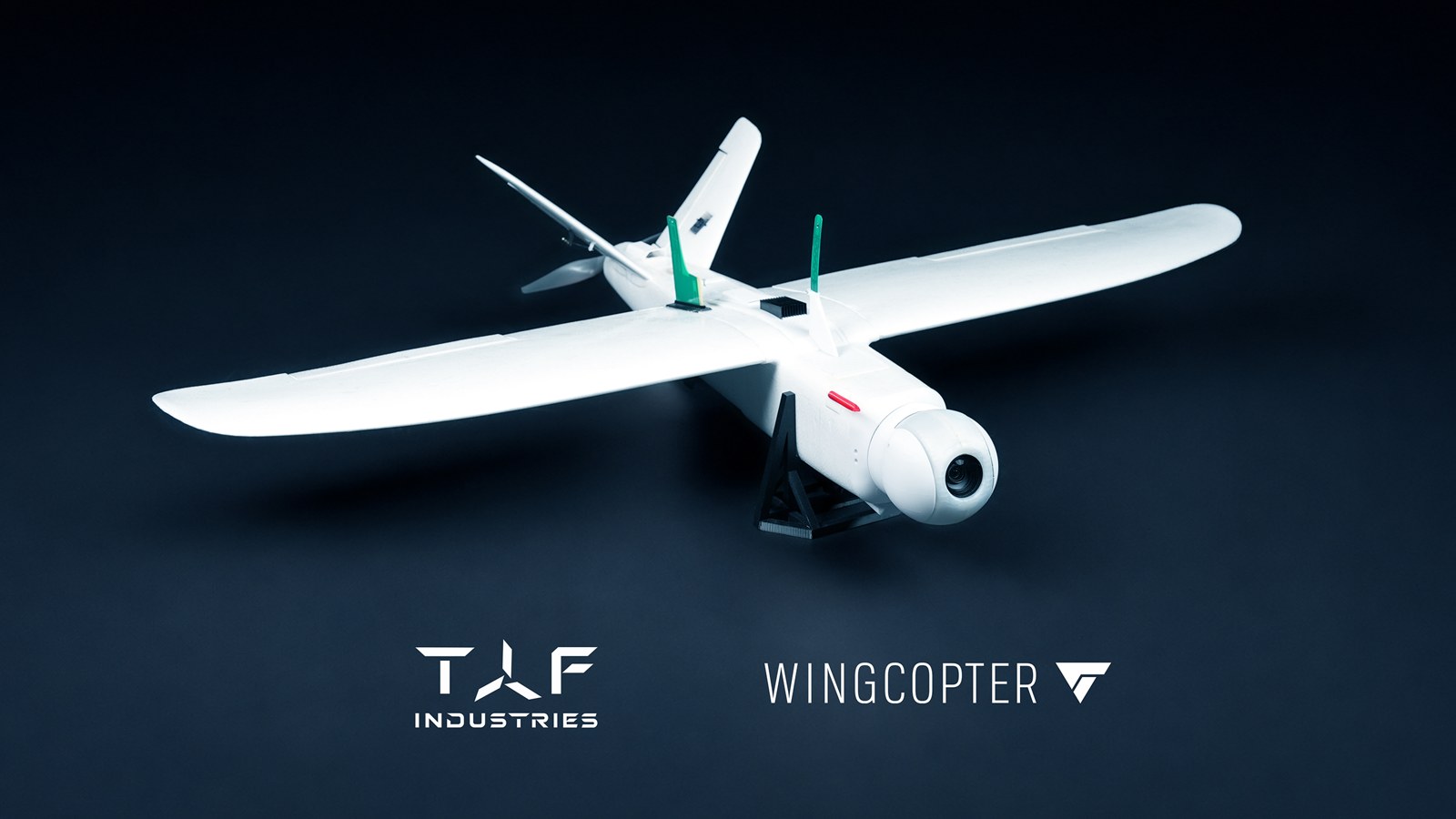
The announced €34 million commitment supports reconnaissance-drone production. Accepted systems and a repeatable support chain will determine its operational value.
Assesses whether the proposed joint venture can turn manufacturing capacity into supported deliveries.
Read analysisExplores what the reconnaissance-aircraft award establishes and what remains unknown about deployment and availability.
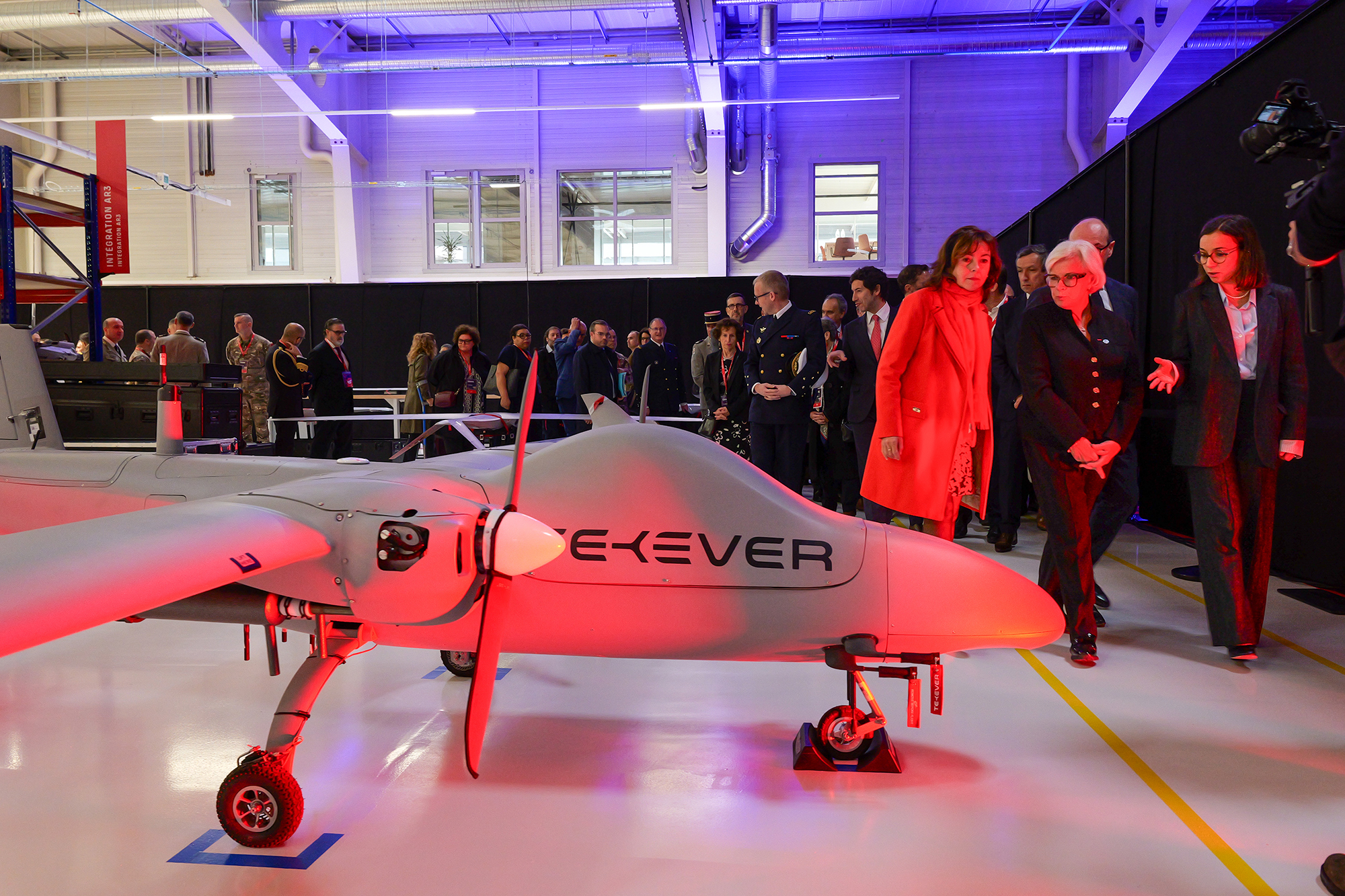
Read analysisFrench production is underway. Accepted systems and dependable support will show whether the industrial commitment becomes usable intelligence capacity.
Read analysisAn airborne release and relayed control demonstrate a useful combination. They leave the contested-link and interception questions open.
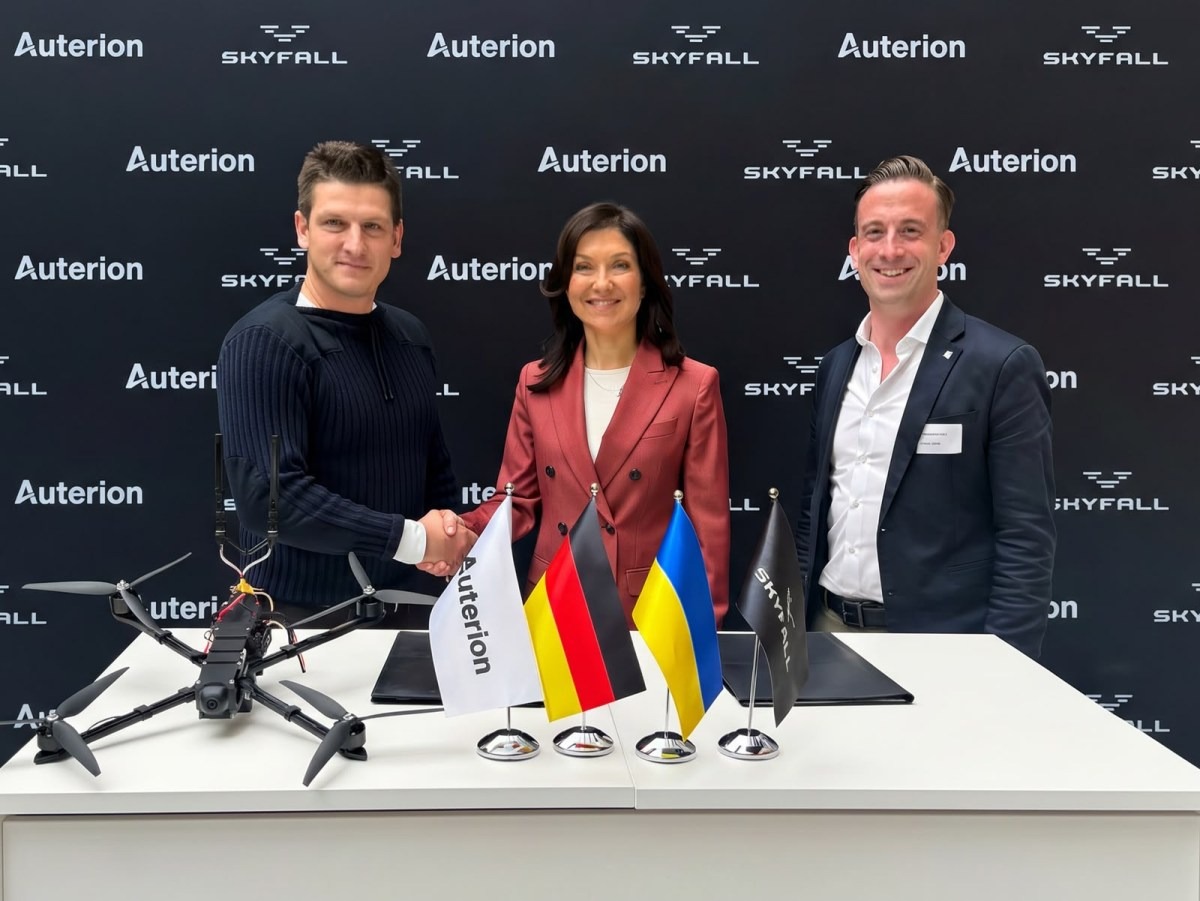
Read analysisThe Spexer manufacturing agreement adds a route to scale. Accepted deliveries and repeatable testing will determine its value.
Read analysisThe partnership starts with manufacturability, supply chains and customer engagement before scaled aircraft output can be assessed.
Read analysisAirbus reports French DGA qualification after land and sea trials, with two systems already delivered in September.
Read analysisThe October 29 announcement starts assembly and integration in Kharkiv; flight and operational evaluations remain future steps.
Read analysisThe October account presents a networking portfolio; bandwidth and node claims remain separate from demonstrated mission performance.
Read analysisThe October account reports a handoff over twenty kilometres apart; the prototype program still has operational demonstrations ahead.
Read analysisThe XR-4 collaboration provides a repeatable training setting; operational transfer remains the question the pilot needs to answer.
Read analysisThe Oulu demonstration joins autonomous aircraft with tactical communications; public release material does not quantify performance under disruption.
Read analysisHivemind SDK integration is an engineering agreement; it does not establish completion of every proposed rotorcraft mission.
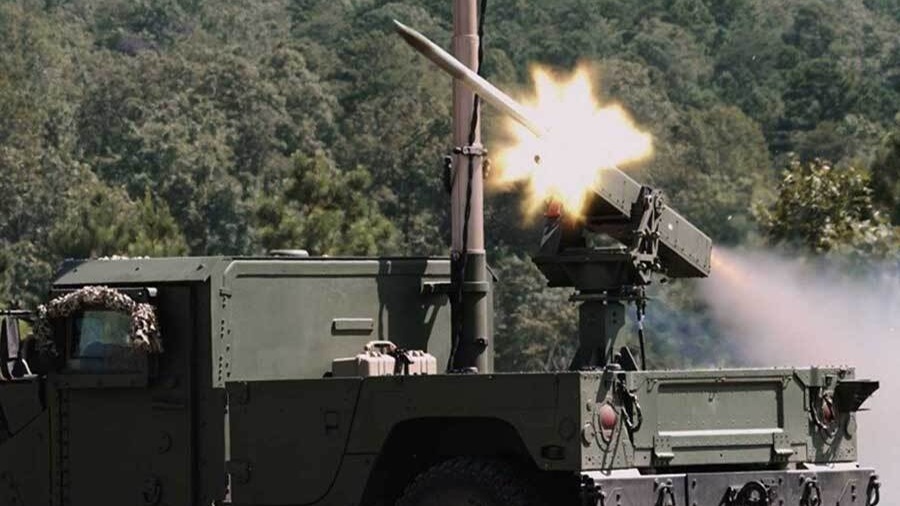
Read analysisThe company announces an air-defense system and two interceptors; simultaneous-engagement and production claims still need demonstrated conditions.
Read analysisThe software connects tactical information and drone handoffs; the operator’s decision remains part of the transition.
Read analysisThe supplier offers a reusable net-interceptor system and plans November demonstrations; public launch claims remain separate from independently measured protection outcomes.
Read analysisPalladyne AI, Federal and Mossberg describe a joint development program; earlier autonomy demonstrations do not qualify the proposed integrated product.
Read analysisThe mesh-radio proposal offers a configurable network; headline throughput does not establish the capacity available to every aircraft.
Read analysisThe company reports a two-week multi-domain exercise; the public account does not quantify interventions or establish fleet acceptance.
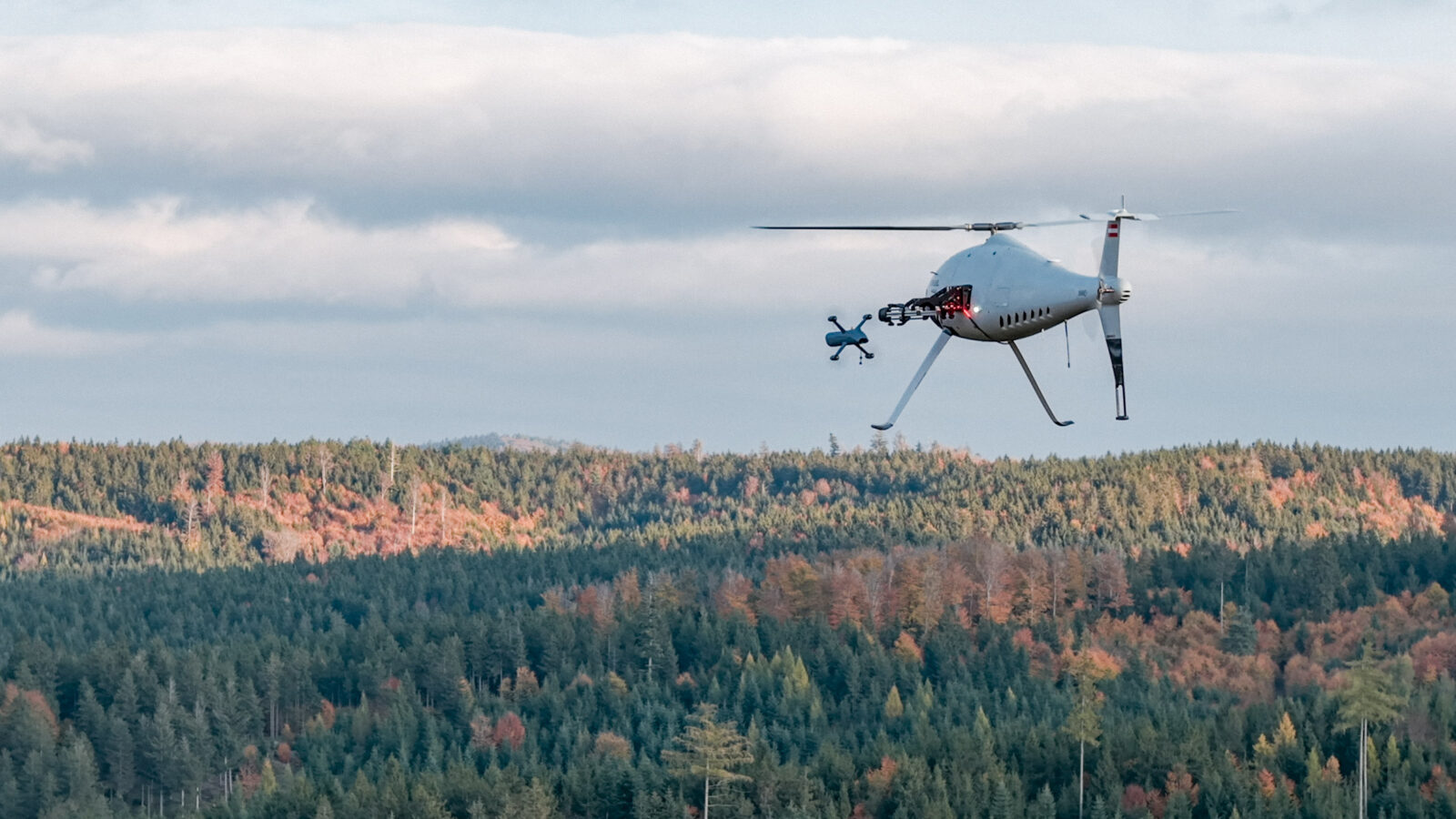
Read analysisThe August demonstration used one operator and two inert-payload aircraft; larger launch capacity and uncrewed launch vehicles remain separate claims.
Read analysisThe HYDRIS–Mission Control connector is a defined integration milestone; broader multi-vendor claims need configuration-level evidence.
Read analysisThe first delivery is a tangible step; sustained shipboard availability depends on training, maintenance and integration.
Read analysisThe company reports a large procurement award; deliveries, acceptance and configuration consistency are the next evidence.
Read analysisThe company describes changes for fielded equipment and a November command-system release. Reported classification gains need their test conditions before they can predict performance at a particular site.
Read analysisThe expanded agreement offers net capture and kinetic interception through a shared sales and integration route. Export approval, customer acceptance and operational evidence remain distinct gates.
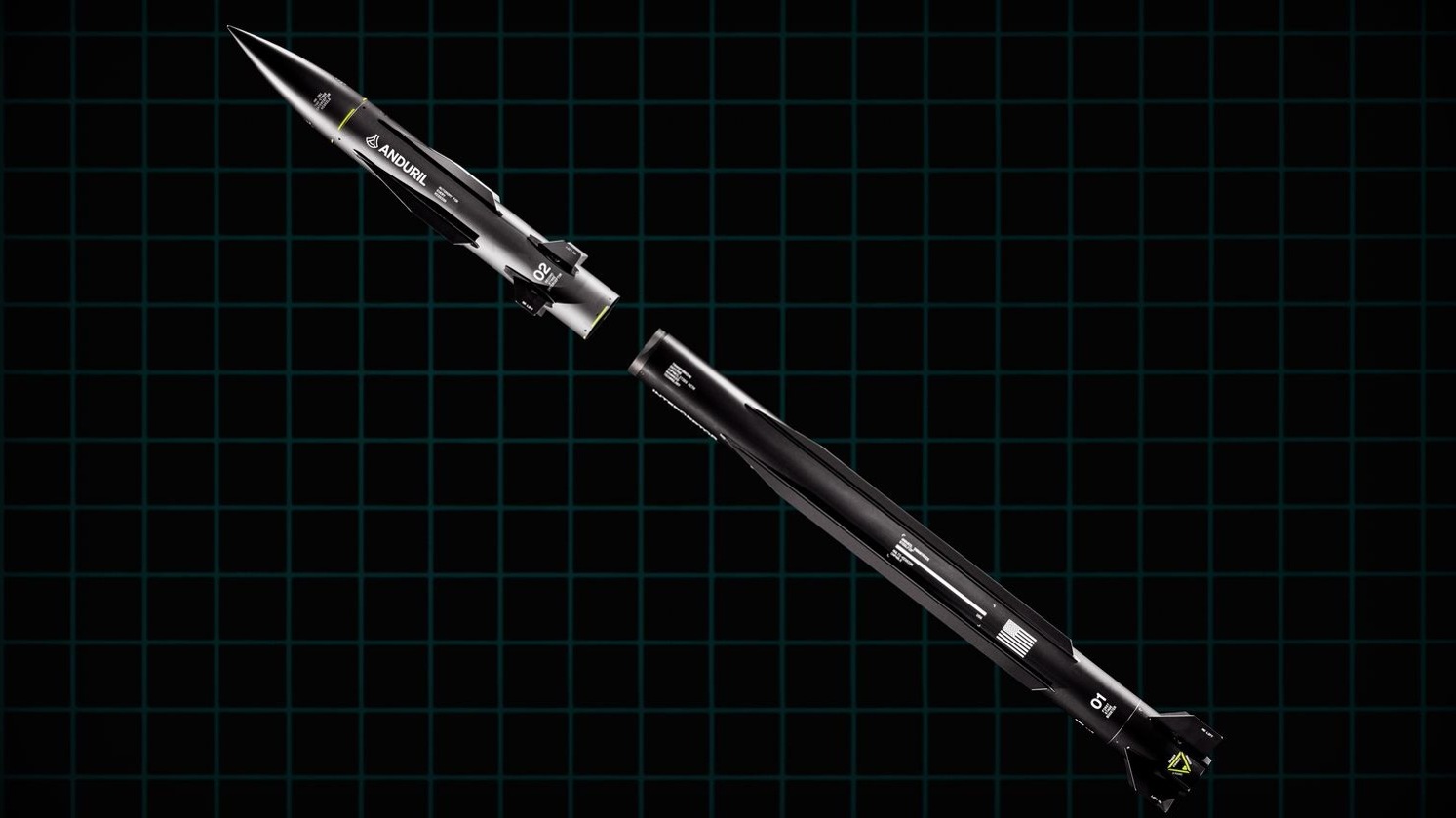
Read analysisA common interceptor architecture could make future changes less disruptive. Anduril says flight testing starts next year, leaving performance and production economics to be demonstrated.
Read analysisThe supplier says initial units arrived within two months of a $106 million order. Delivery speed is one milestone; a supported capability available to a unit is another.
Read analysis Video · hover to preview
Air
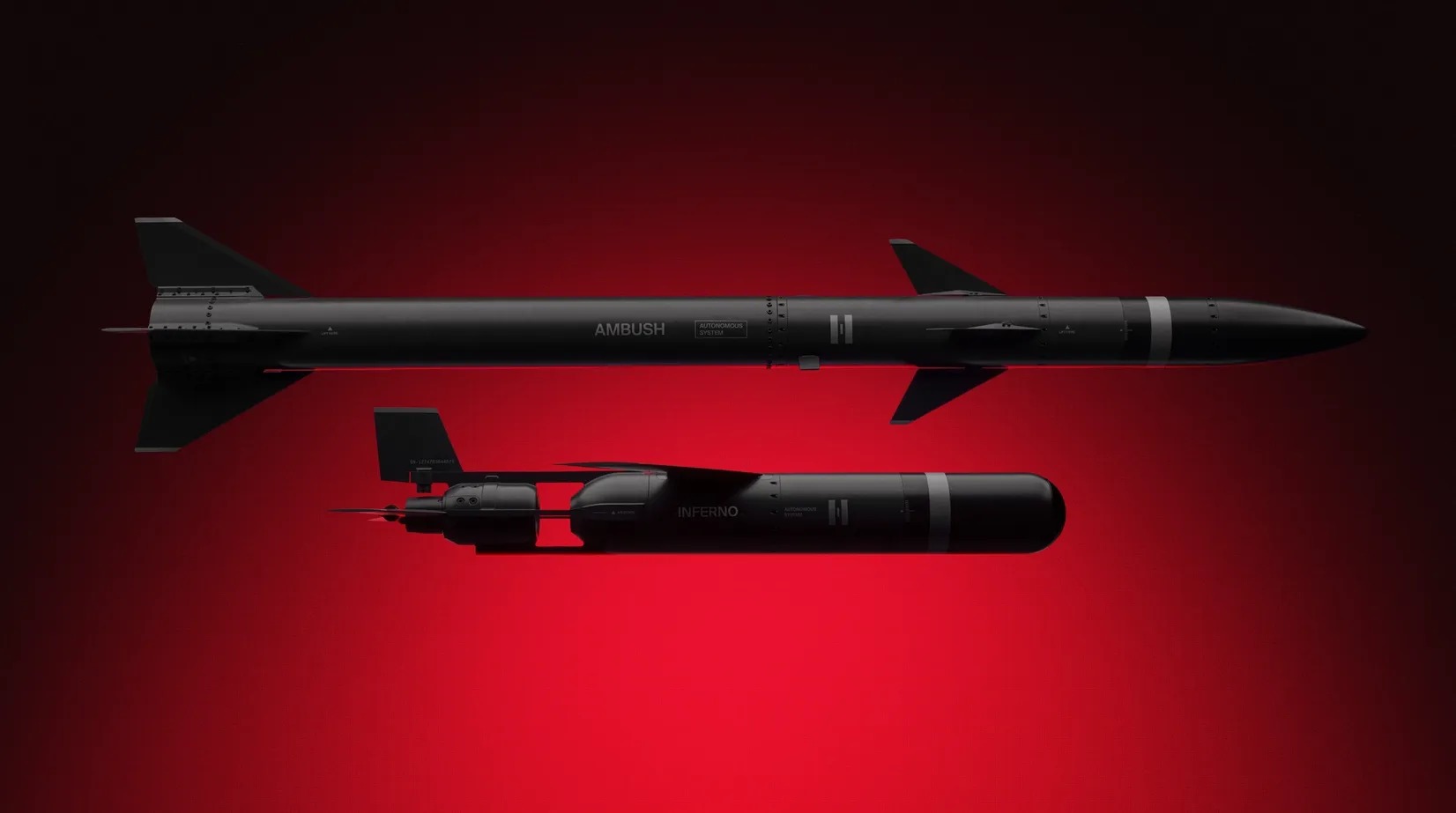
Onboard decision-making is the core vendor claim. The consequential question is how an organization proves the boundaries, reliability and human responsibility of an autonomous weapon before relying on it.
Read analysis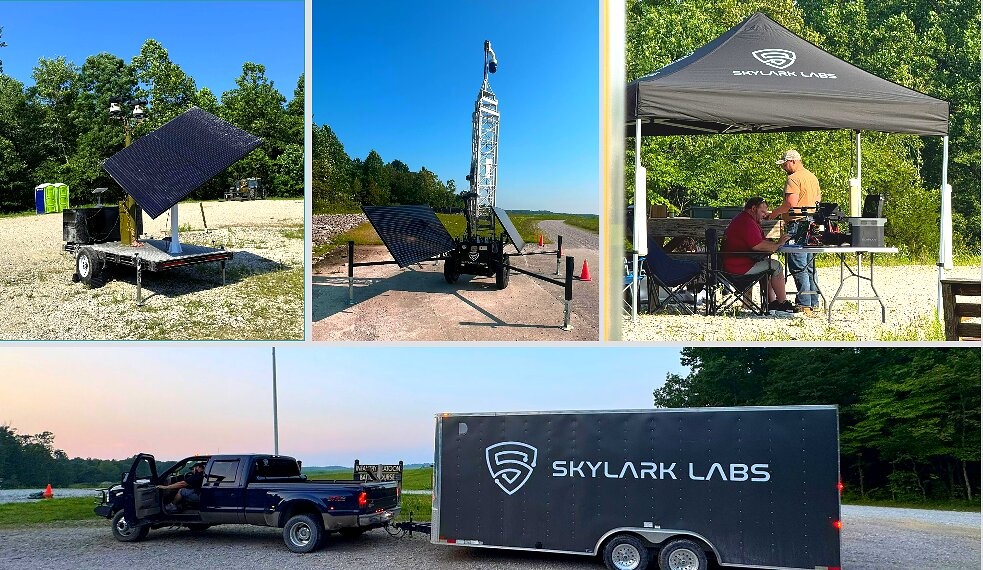 Video · hover to preview
Air
The Camp Atterbury announcement highlights a useful counter-drone problem: radio silence should not make a small aircraft disappear from the airspace picture. Demonstration claims still need operational evidence.
Read analysisAccelerating runway-free aircraft can reveal mission value sooner. Deferred shipboard conditions remain separate evidence obligations.
Read analysisAdding autonomy to existing drones could preserve investment. The adapter must make predefined mission limits survive a lost connection.
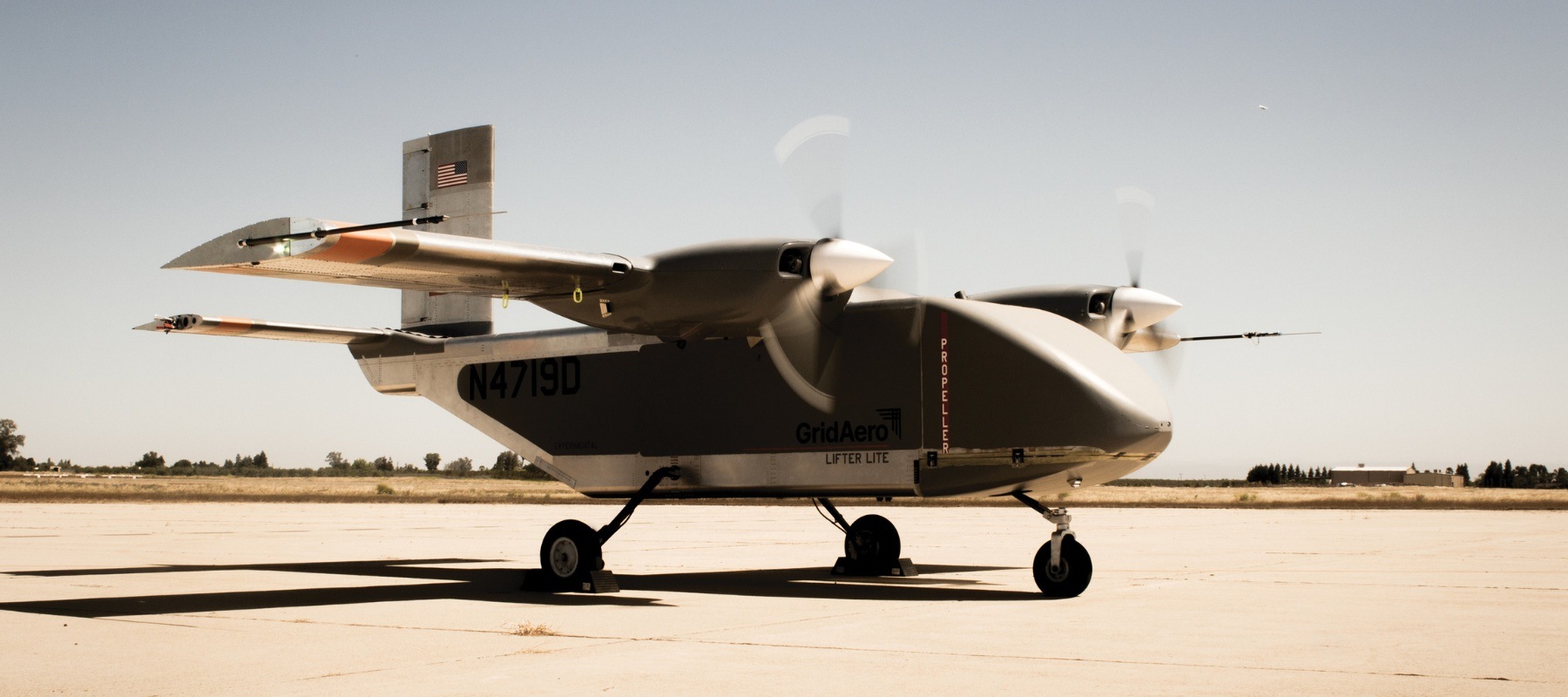
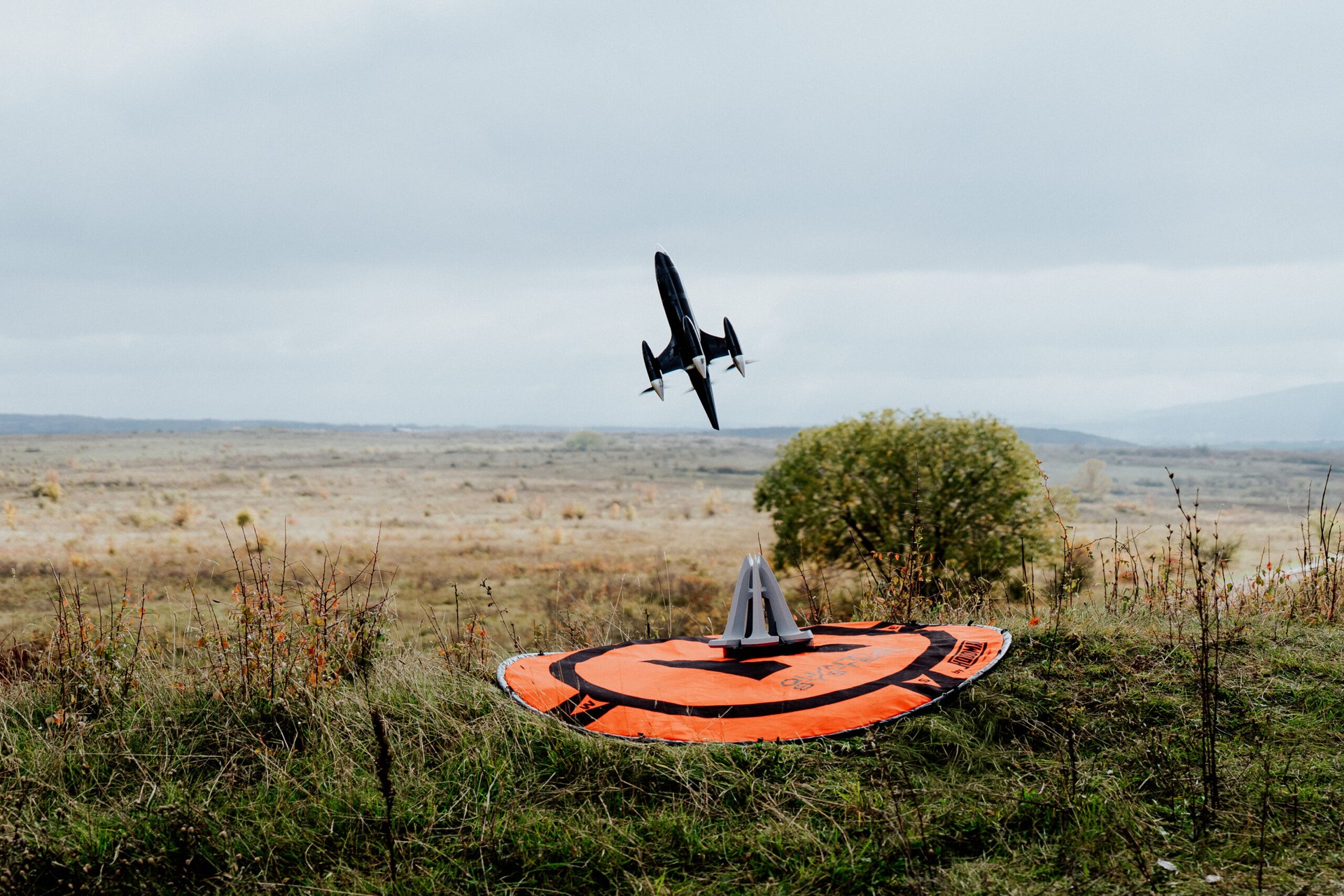
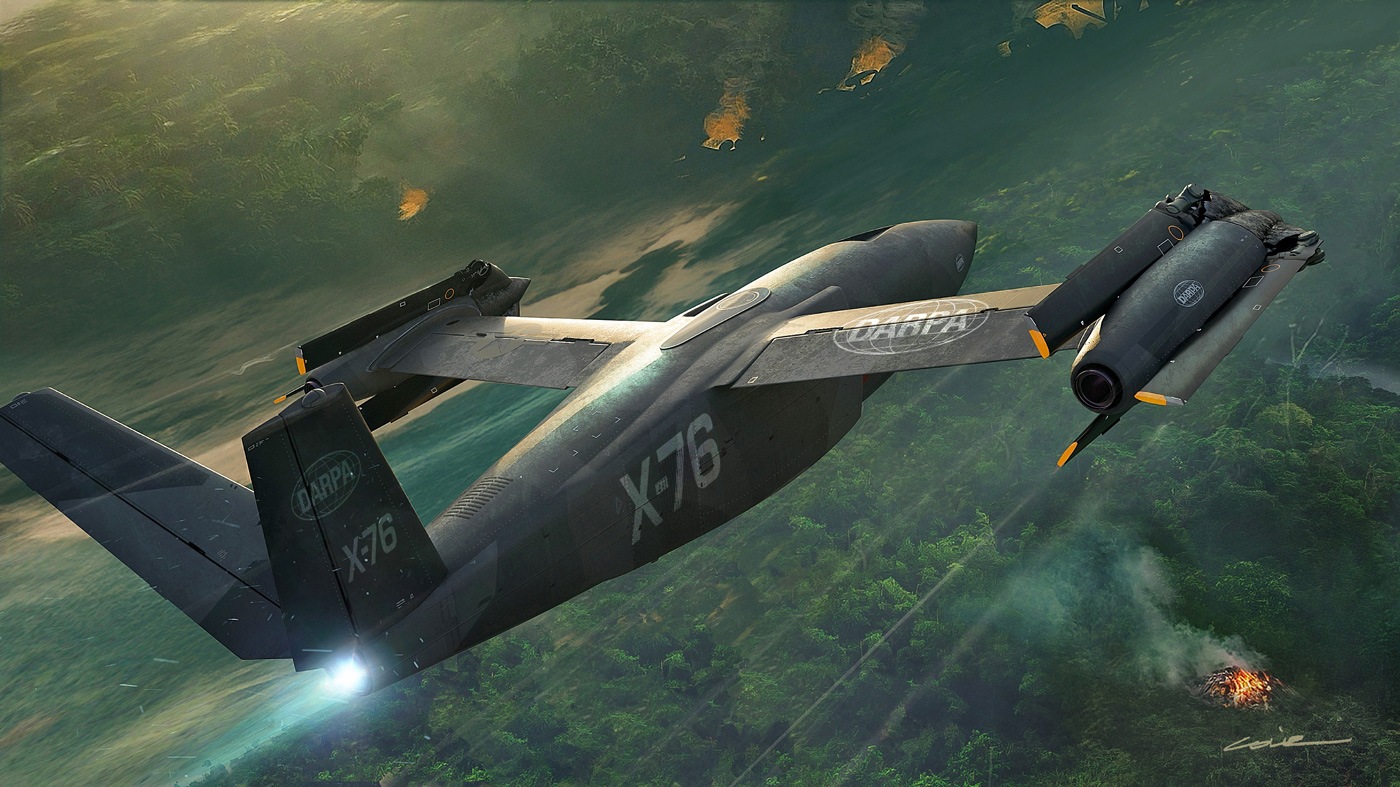
Read analysisHigh speed without a runway could alter access. The experimental aircraft is evidence about flight technology, not autonomous mission decisions.
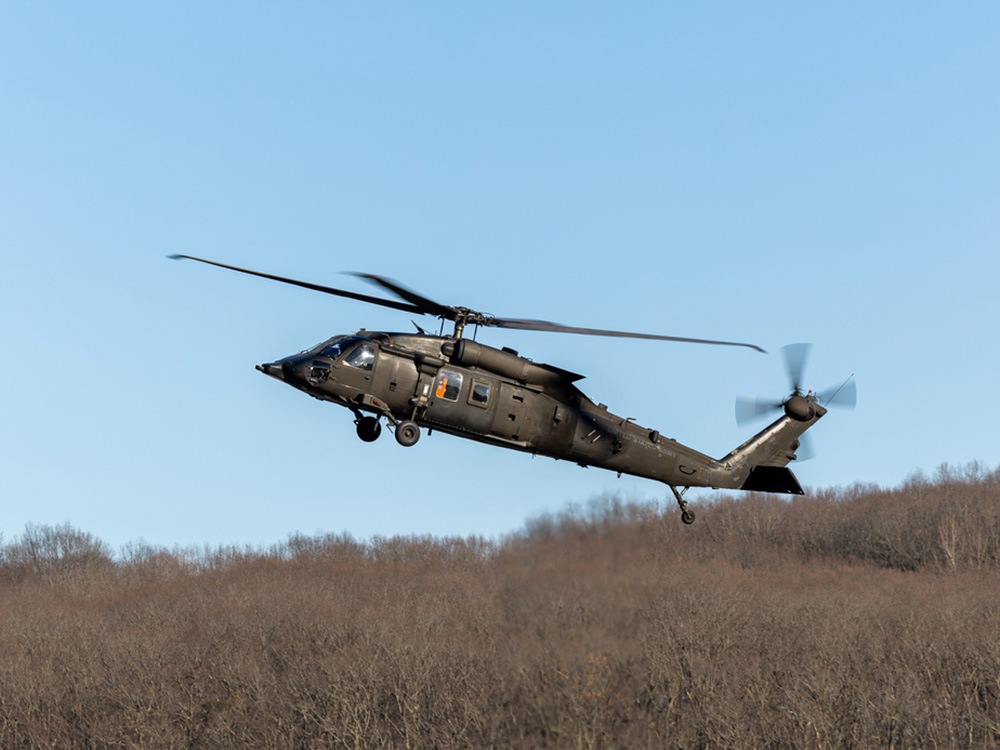
Read analysisAn Army-owned aircraft creates a place to learn how people will use optional piloting, beyond a contractor demonstration.
Read analysis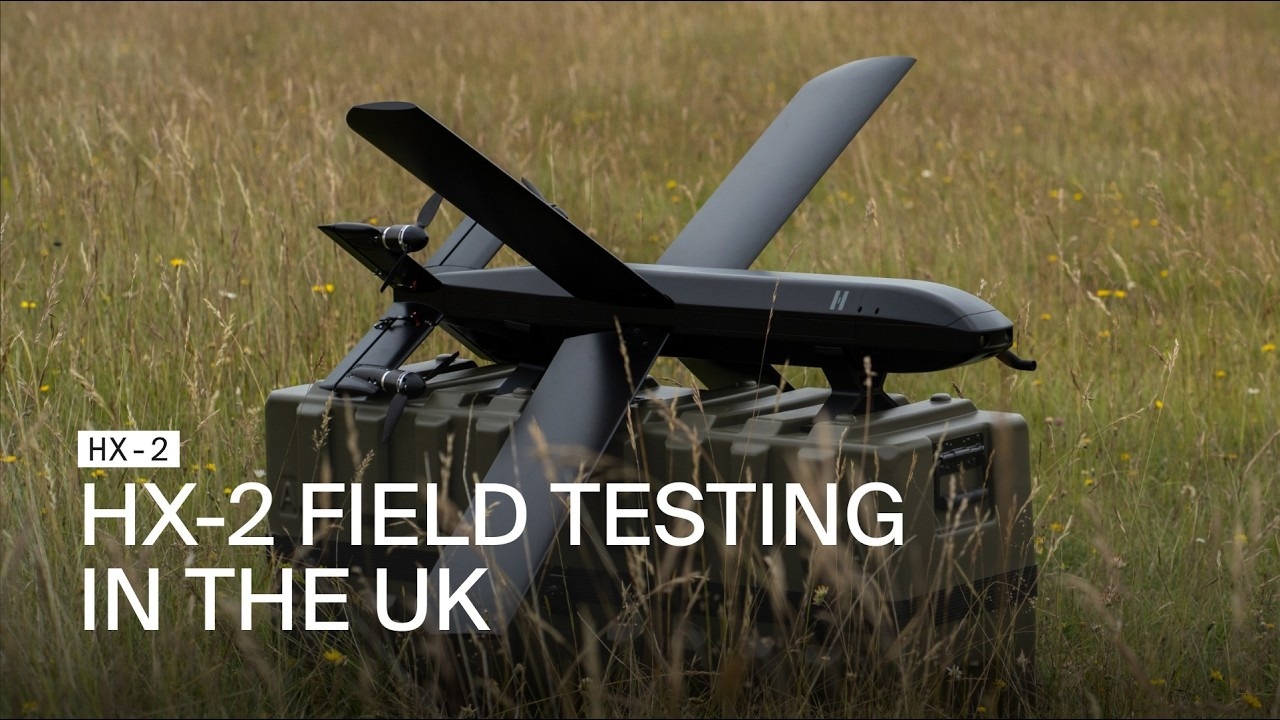 Video · hover to preview
Air
A larger drone supply could matter to Ukraine. Factory output does not by itself validate navigation, guidance or mission effects.
Read analysisAustralia’s test connects crewed aircraft and a drone through an authorized engagement. Repeatability in harder conditions remains a separate question.
Read analysisAn interim uncrewed partner could add options sooner. The concept needs a bounded role and an interface pilots can actually use.
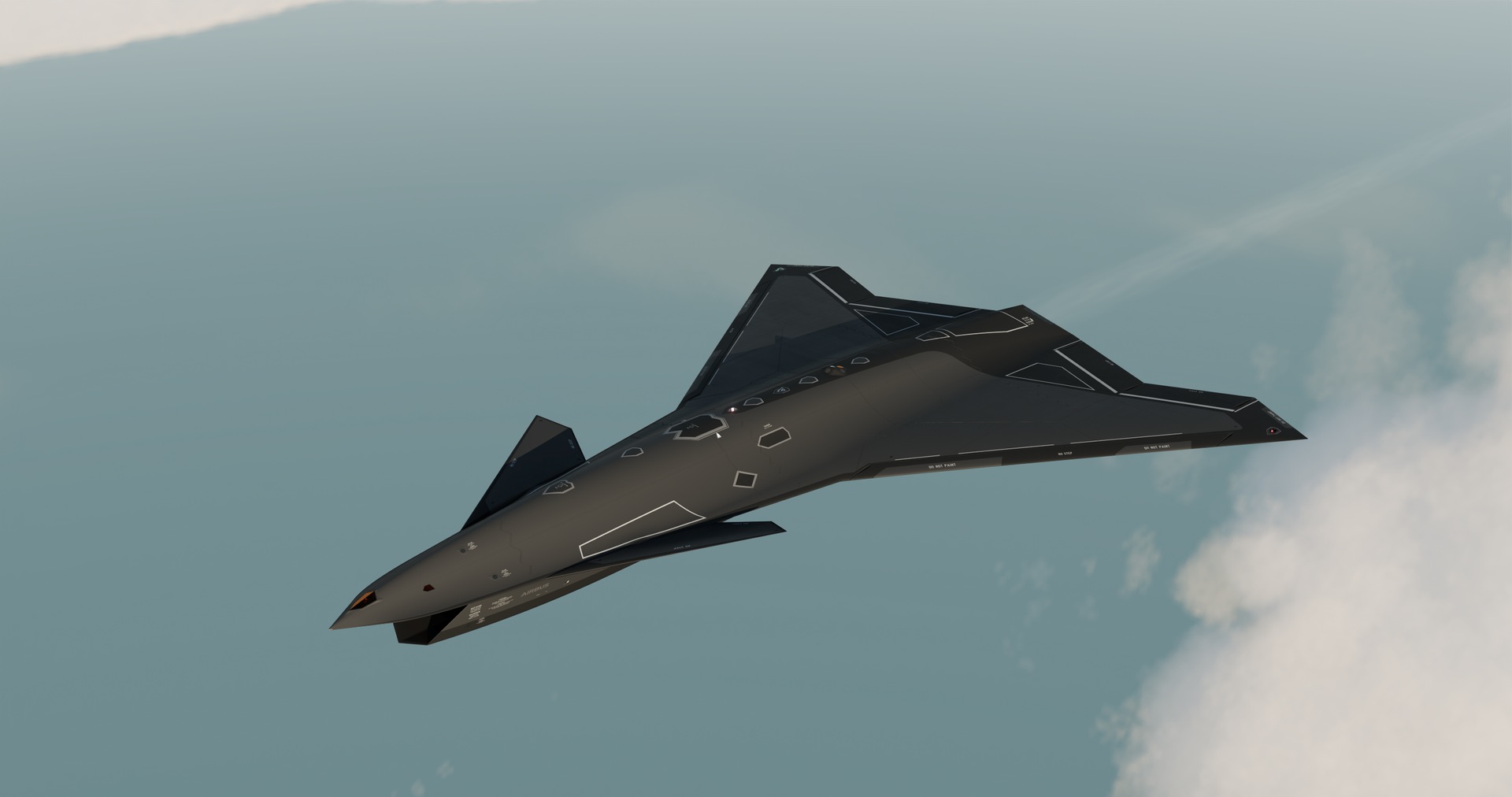
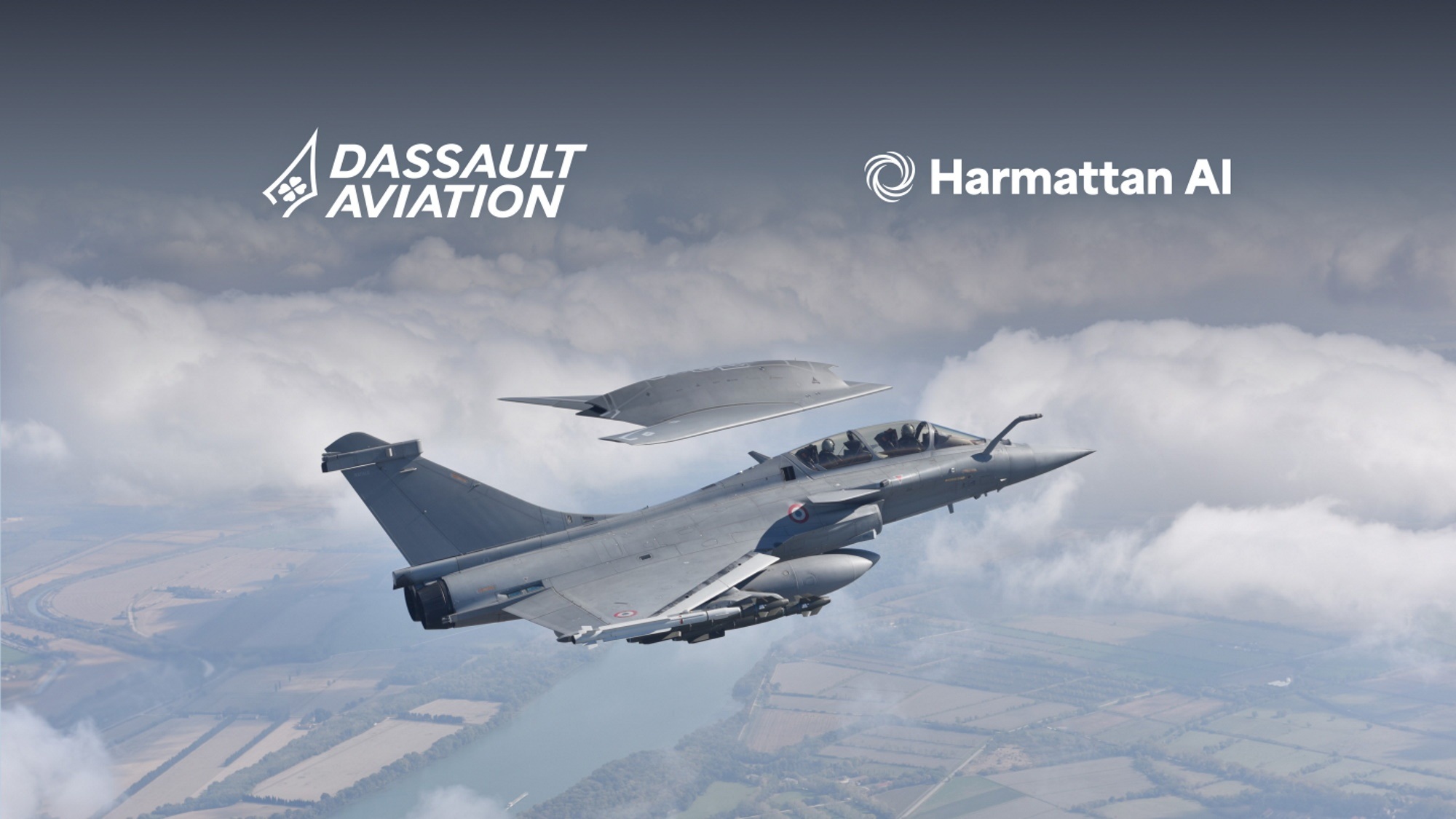
Read analysisFrance’s future combat drone is tied to an evolving fighter. The joint mission and update path determine whether the pairing stays useful.
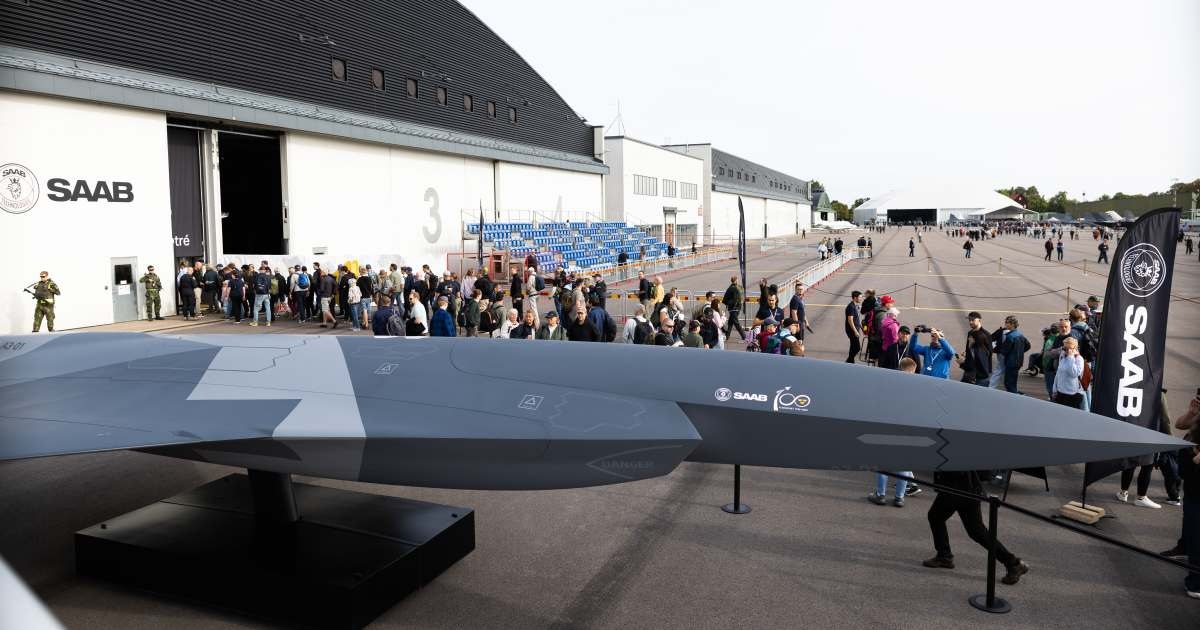
Read analysisThe August display sets a development direction. Choosing the useful role requires evidence beyond a full-size model.
Read analysisA producible missile can still become expensive to adapt. Standardized integration is part of keeping an affordable weapon affordable.
Read analysisContractor-operated surveillance can bundle support and analysis. Buyers still need to measure coverage, data quality and control boundaries.
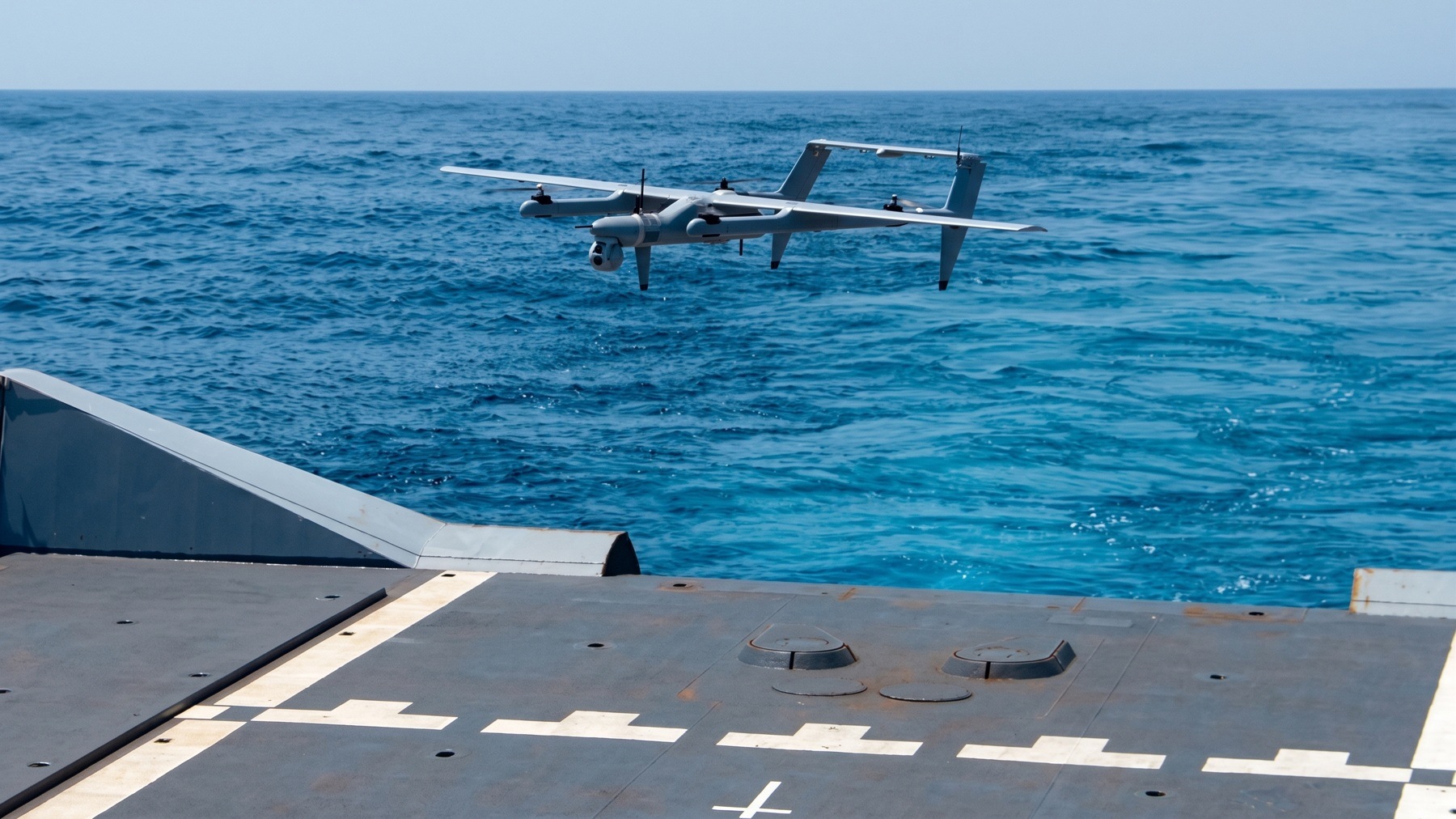
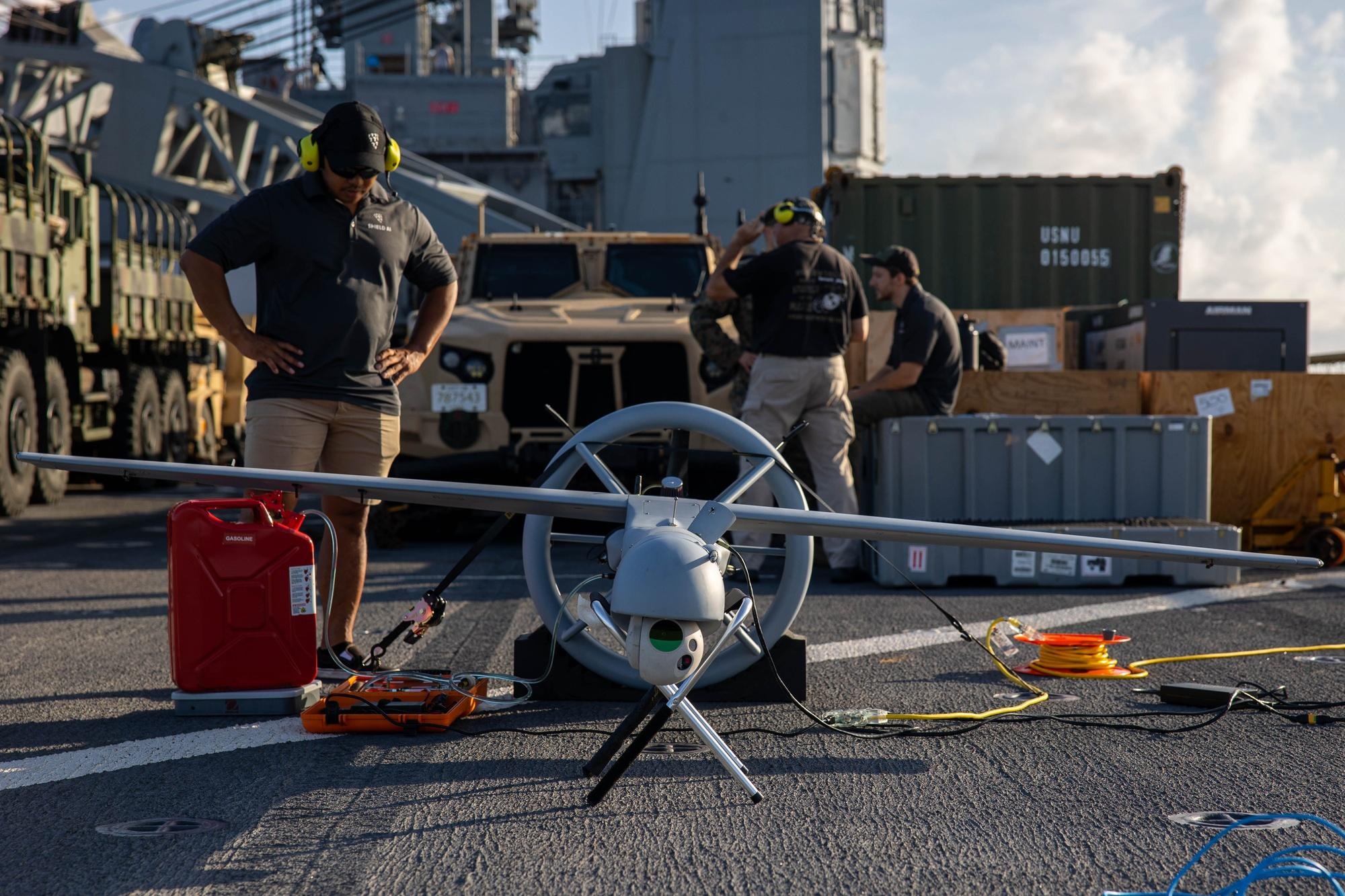
Read analysisVertical flight can remove launch equipment. Reliable return to a ship still demands sensing, control and a workable deck procedure.
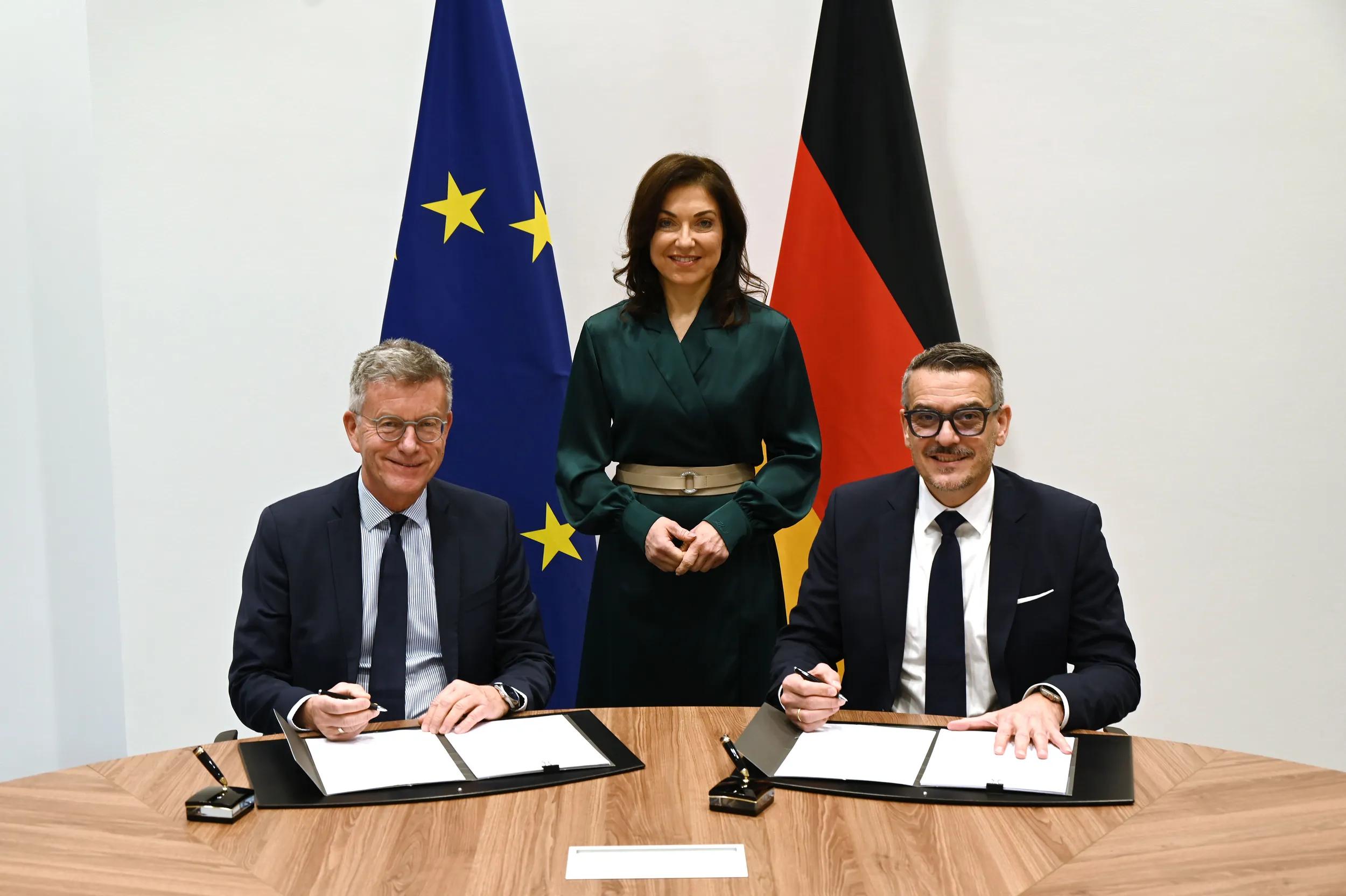
Read analysisLocal mission-system work could preserve national control. The agreement needs to become specific rights, responsibilities and validated configurations.
Read analysis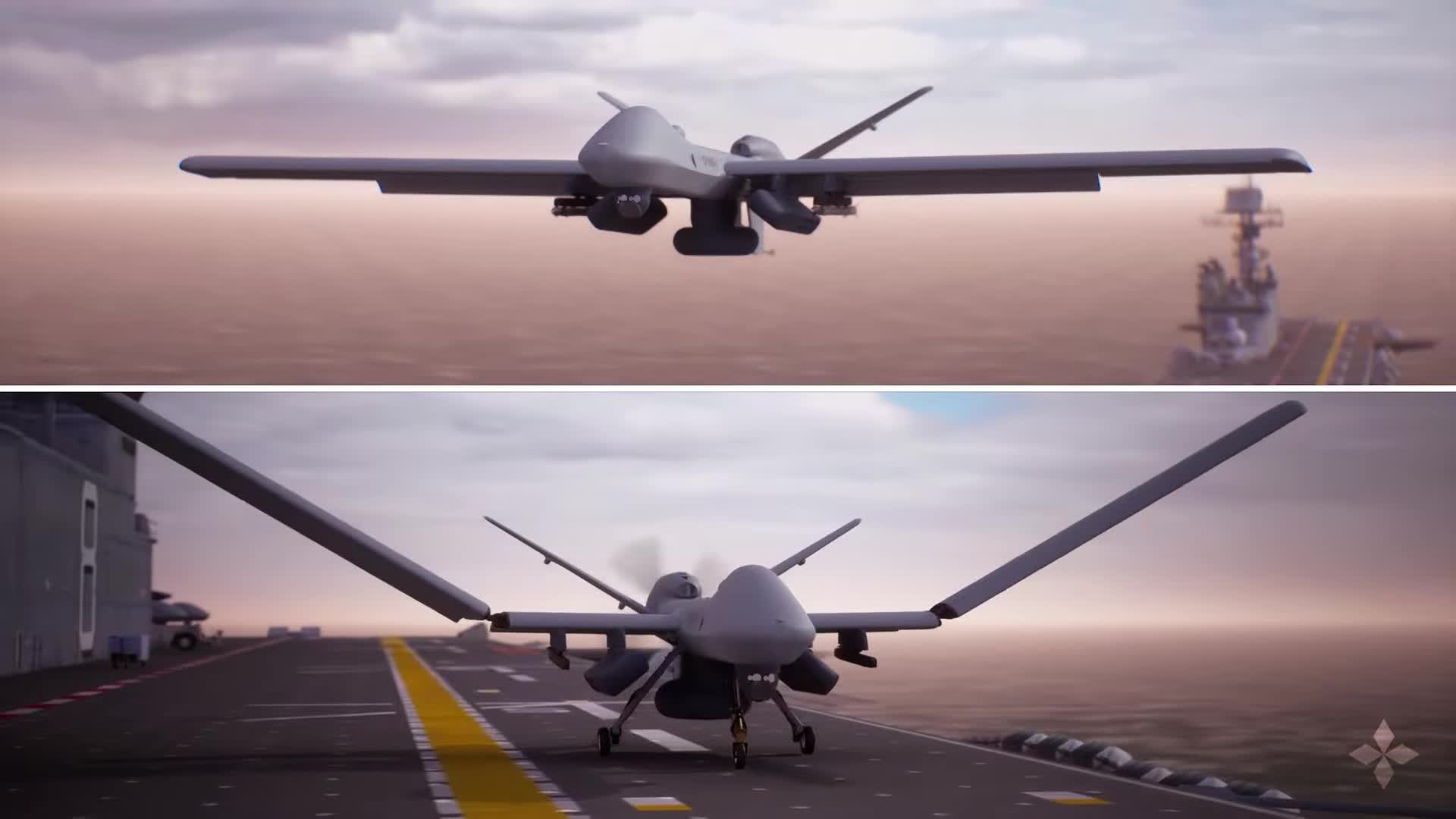 Video · hover to preview
Air
A shorter takeoff can widen basing options. Automatic flight functions do not remove remote crews, maintenance or mission dependencies.
Read analysisA drone can carry an electronic-warfare mission, but the force must direct and understand it beyond immediate radio sight.
Read analysis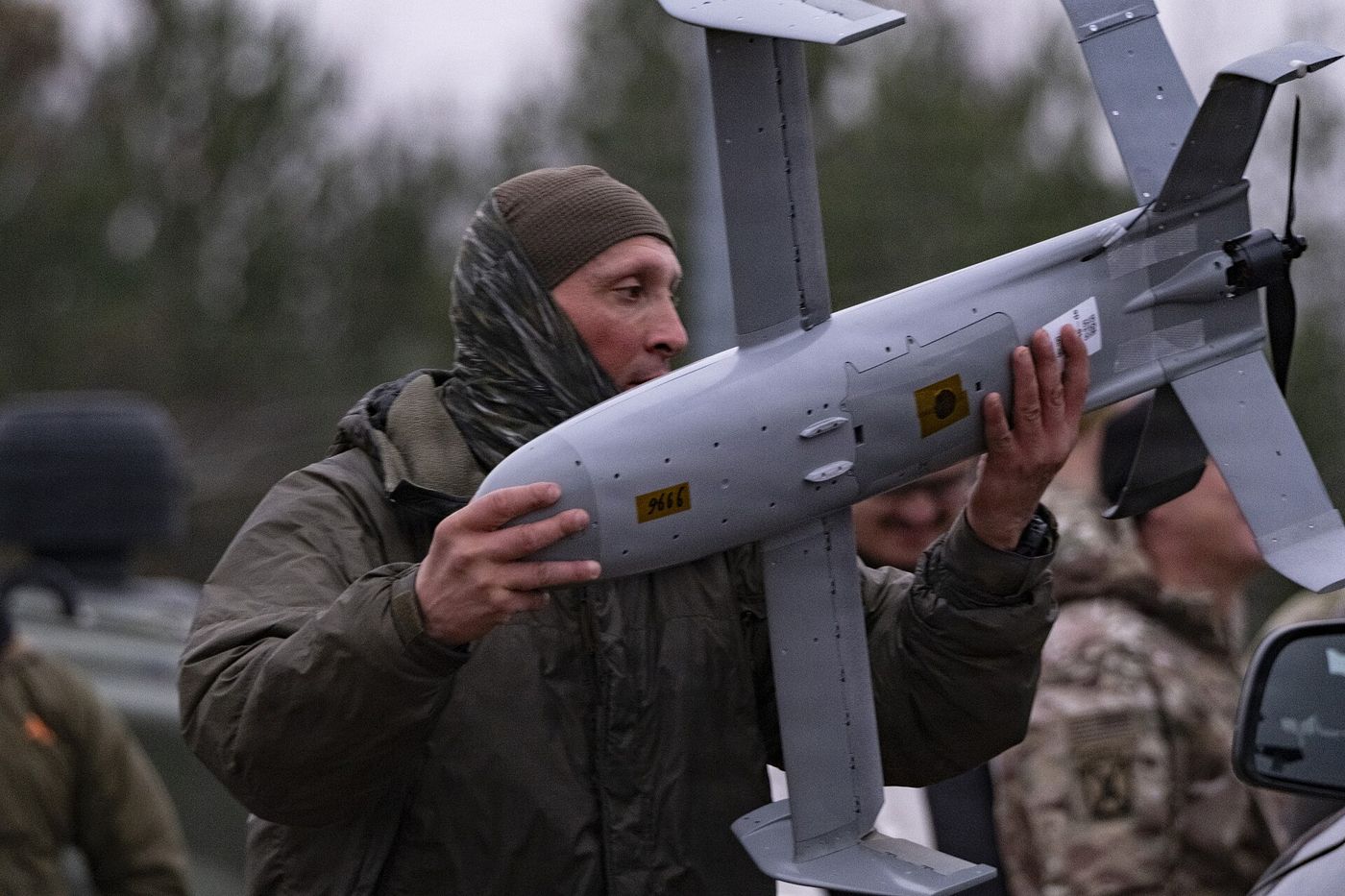 Video · hover to preview
Air
Ukraine’s cheap interceptors and the Army’s Merops buy look like a bargain per round. Cost per kill depends on radar, crews and weather.
Read explainer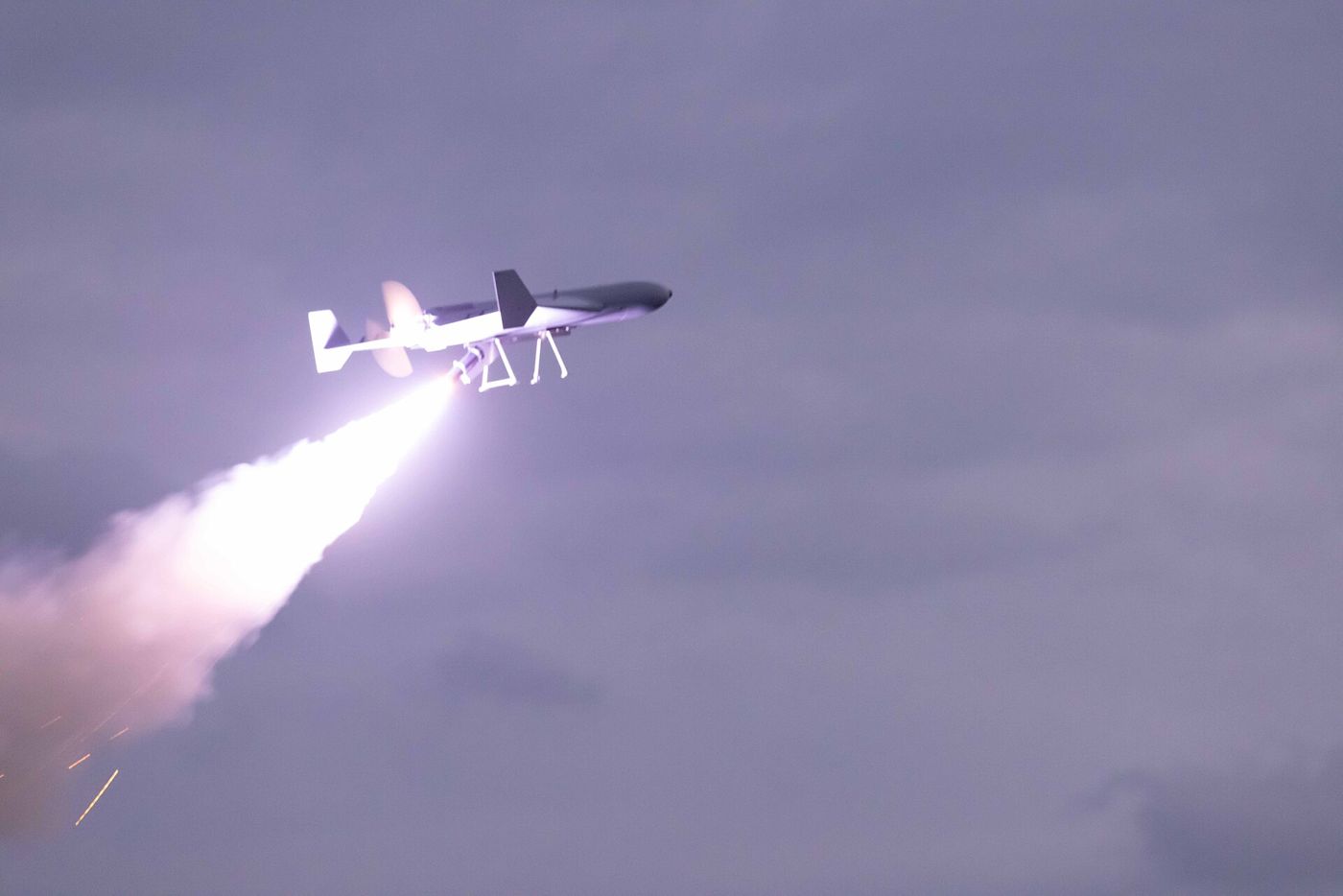 Video · hover to preview
Air
The Pentagon fielded its Shahed copy in seven months and used it against Iran. How many it has, and what they hit, remain undisclosed.
Read feature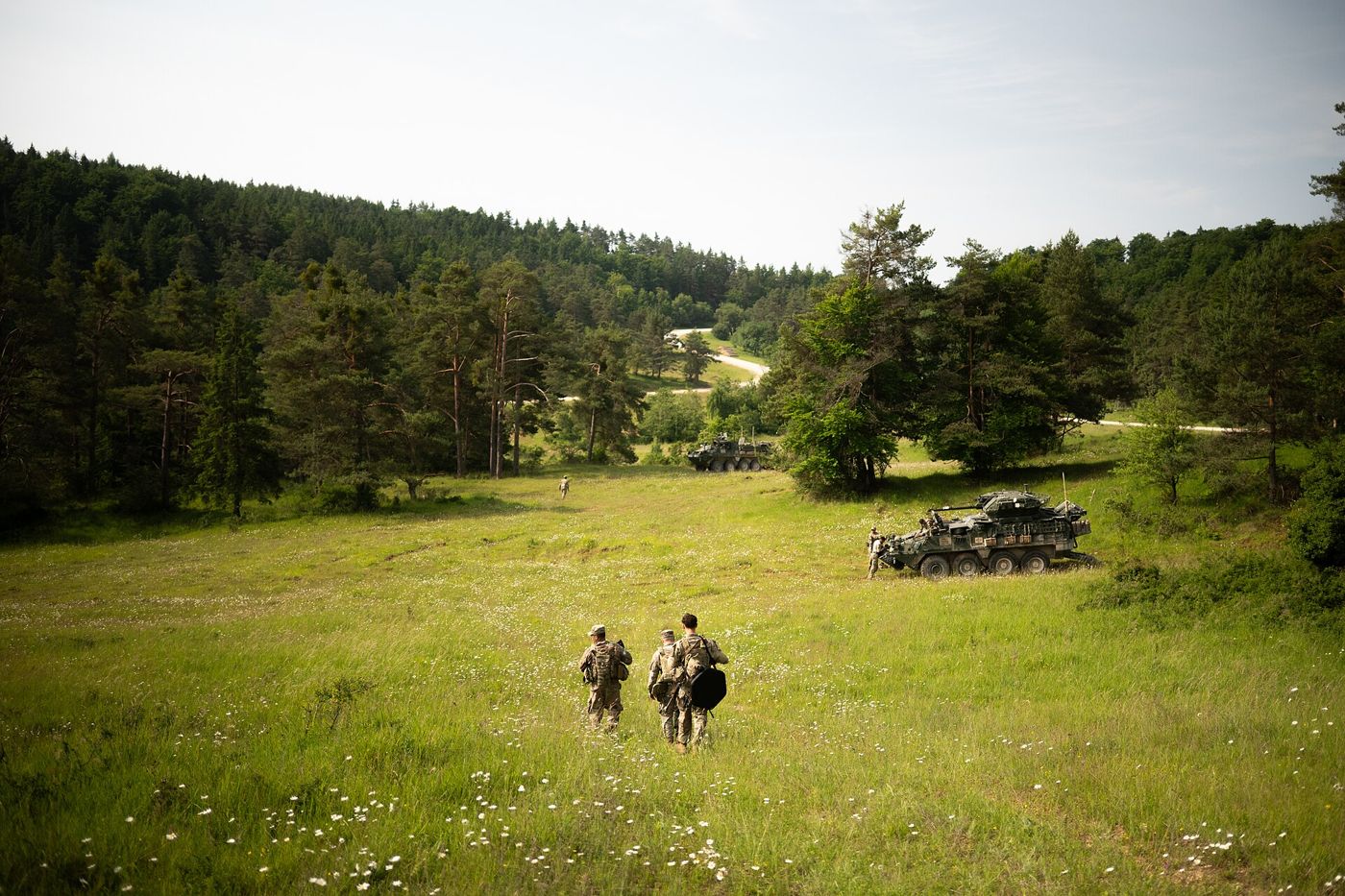 Video · hover to preview
Air
Brussels promised a shield against Russian drones. What exists is national border networks, NATO fighters still doing the shooting, and EU projects that became fundable two weeks ago.
Read featureThe Drone Dominance buys finally set rules for motors and batteries, but only at assembly. Chinese cells and magnets remain permitted until August 2027.
Read analysis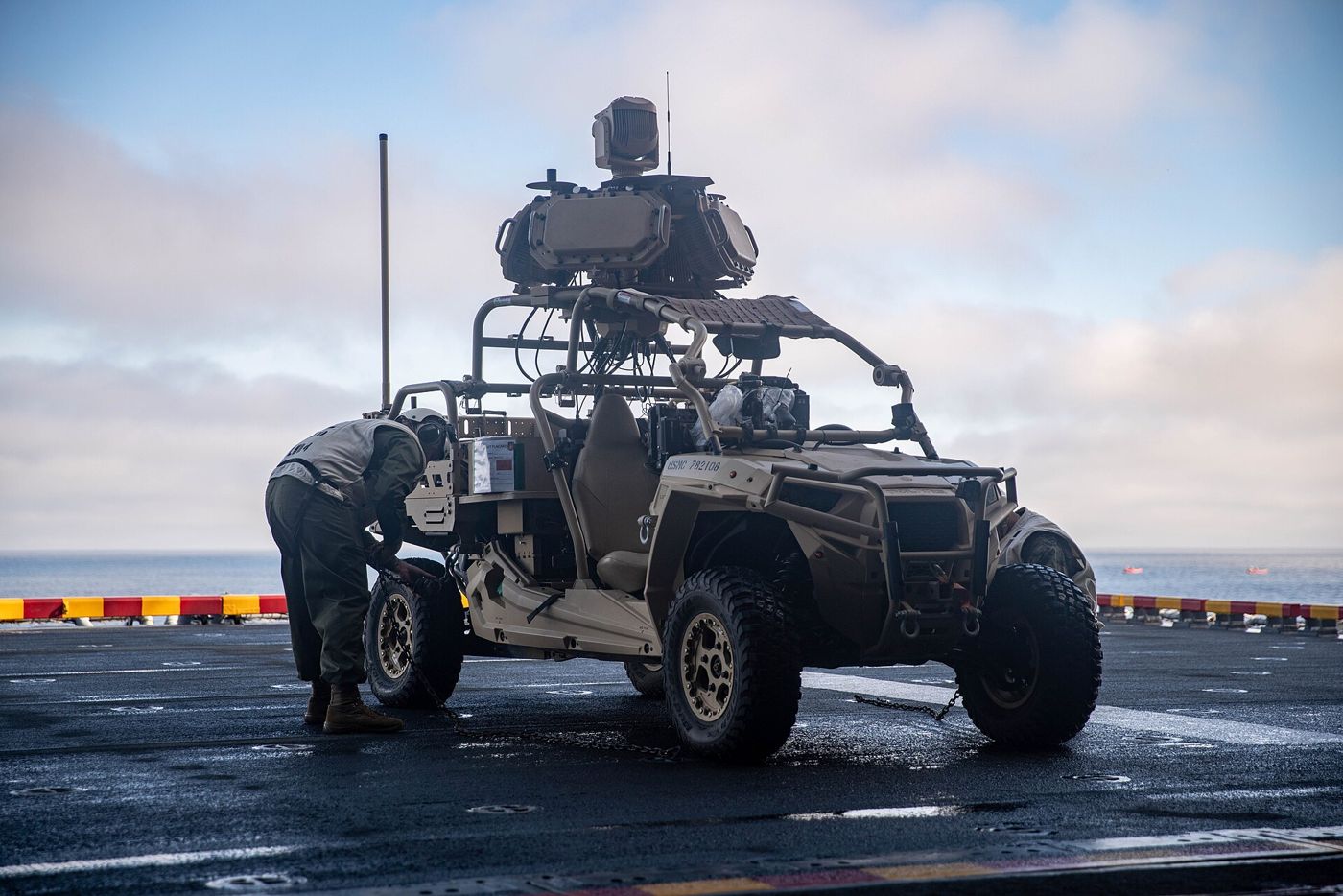 Video · hover to preview
Air
Radars, jammers and interceptors are sold one at a time. Tower 22 and the homeland incursions show the failures sit between them.
Read explainer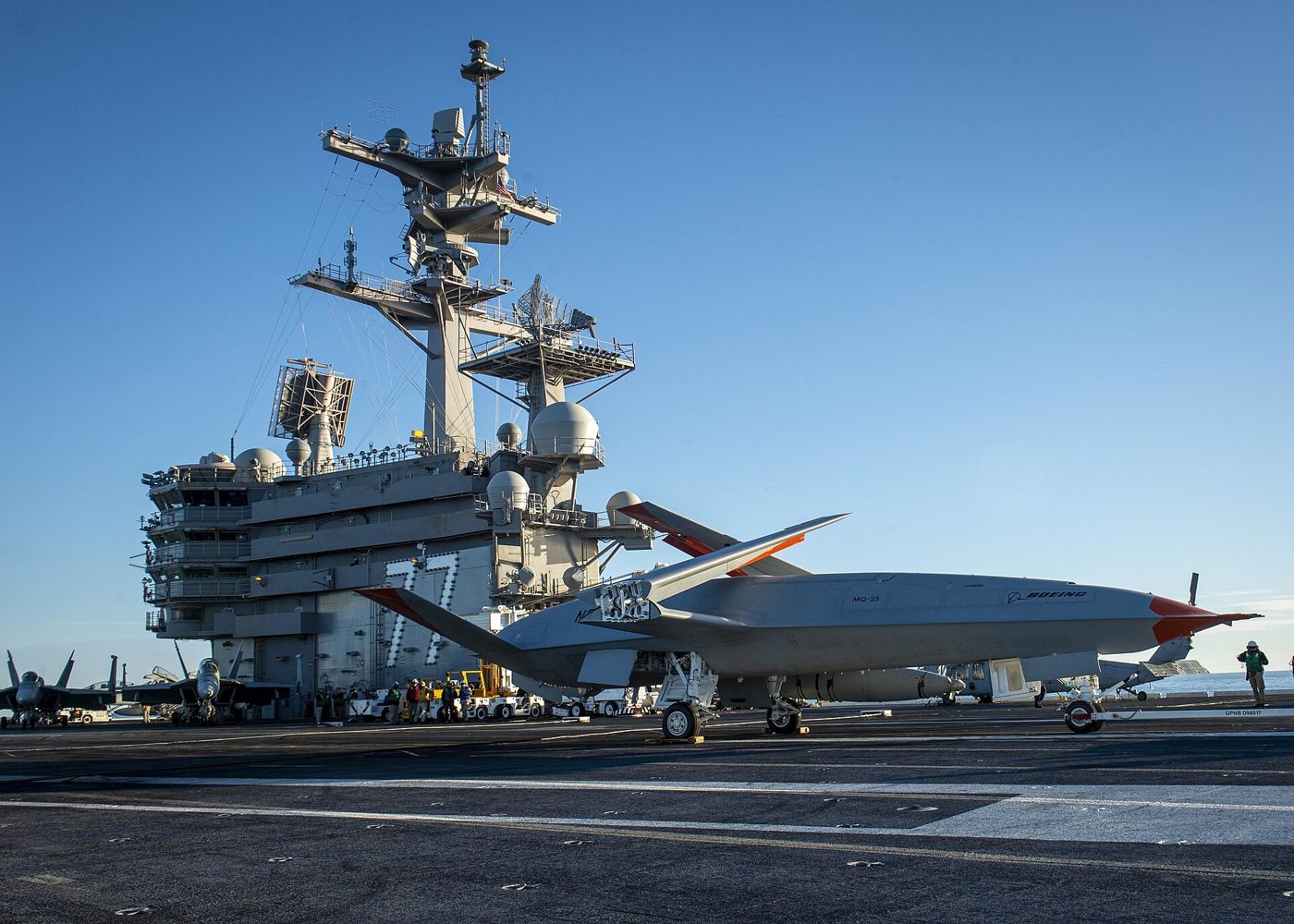 Video · hover to preview
Air
The Navy’s new carrier CCA request leans on the MQ-25’s control station and deck procedures, which no public account shows tested with an aircraft at sea.
Read analysis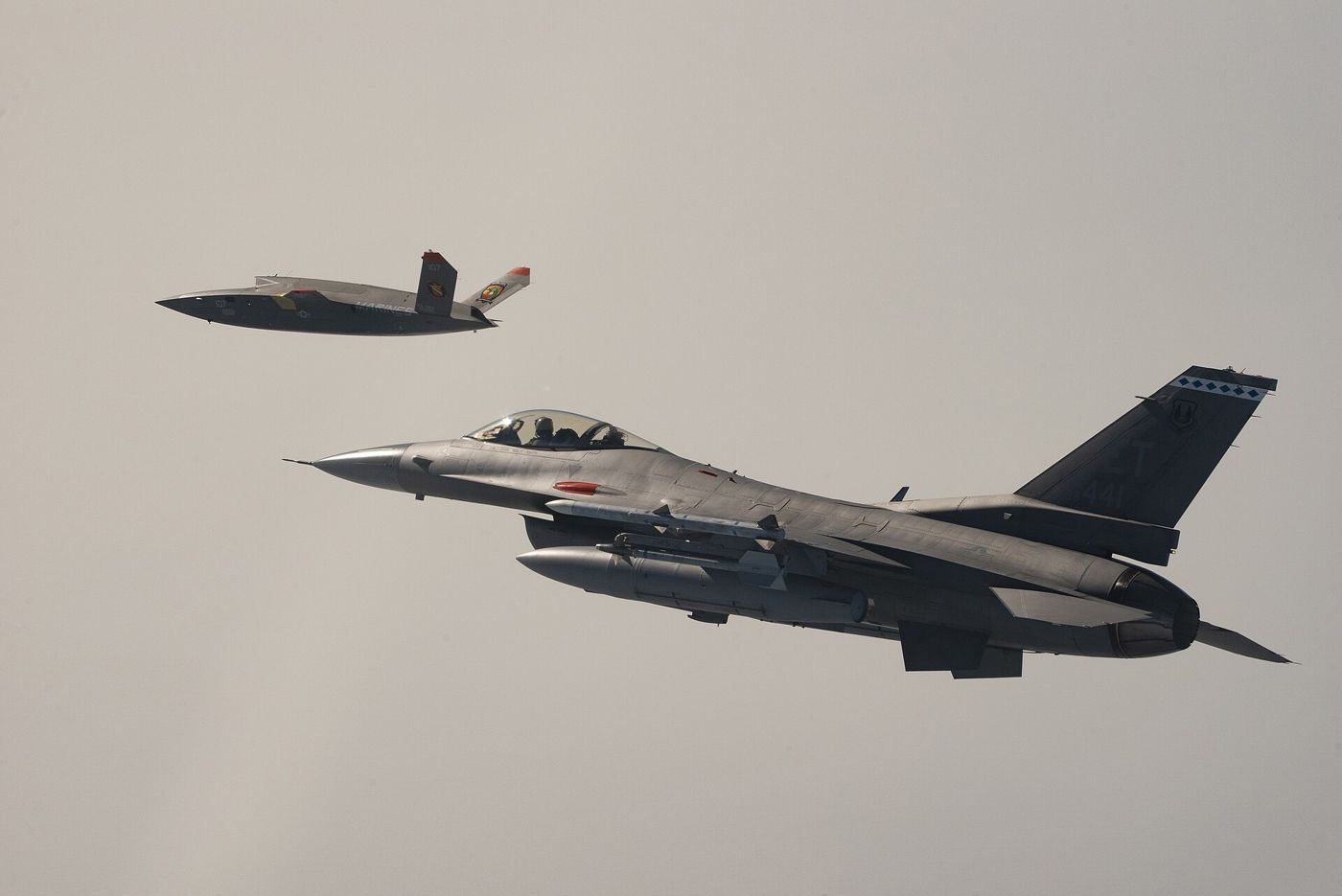 Video · hover to preview
Air
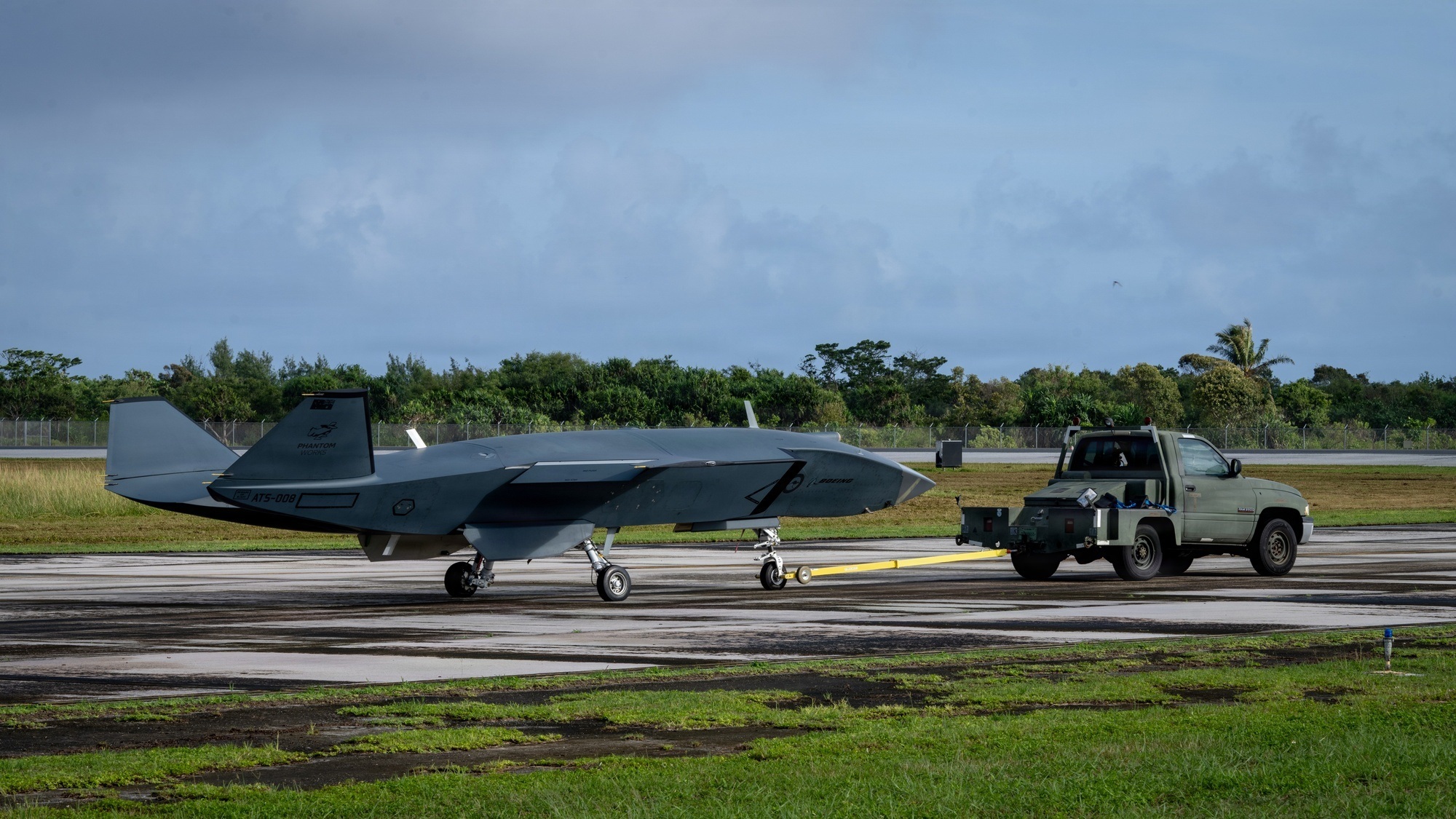
The Air Force ordered its drone wingmen into production before choosing their software. Readiness should be judged by autonomy builds and test evidence, not airframes.
Read analysis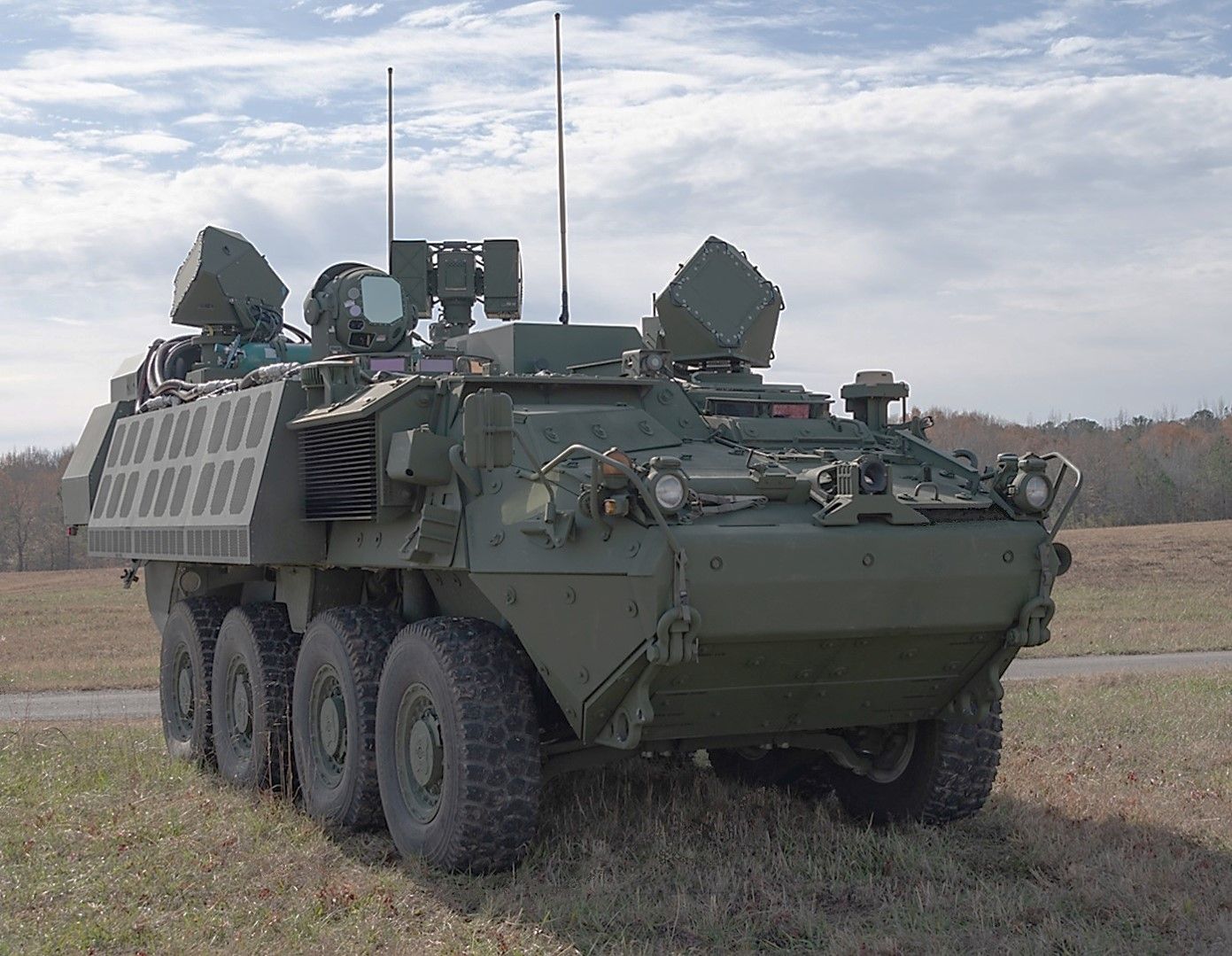 Video · hover to preview
Air
Low-power, fixed-site lasers have reached troops and production. Mobile 50-kilowatt lasers and swarm-killing microwaves have not, and nobody publishes availability data.
Read analysis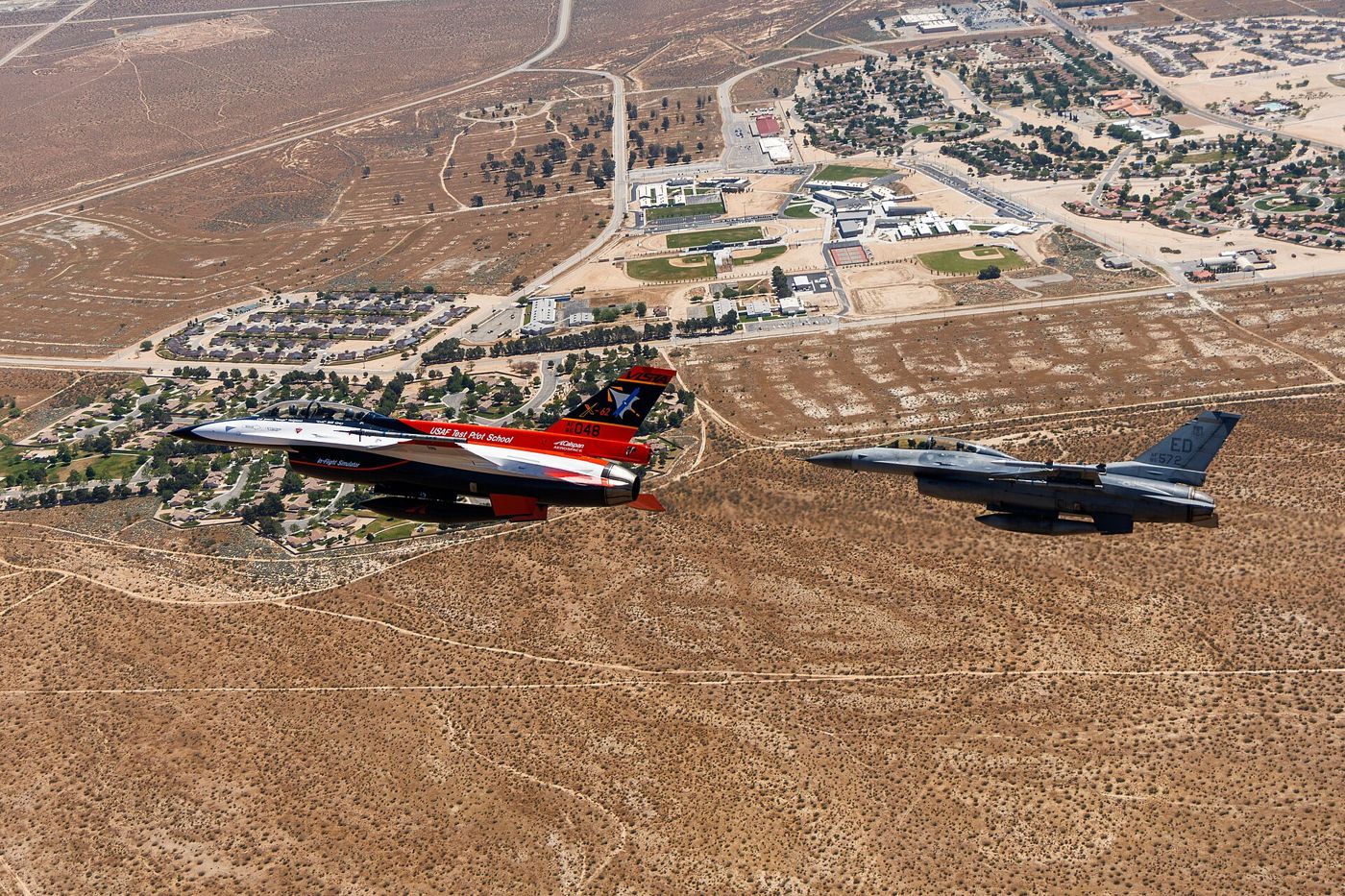 Video · hover to preview
Air
A fighter flown by software with a safety pilot aboard proves the test method works. Sensing, deciding and surviving alone need separate evidence.
Read explainer