A shipborne aircraft extends what a crew can observe, but it also adds equipment that must be prepared, recovered and maintained alongside the vessel’s other work. Delivery therefore starts an operational transition. The durable capability is the combination of aircraft, trained people and local support that can keep producing useful information.
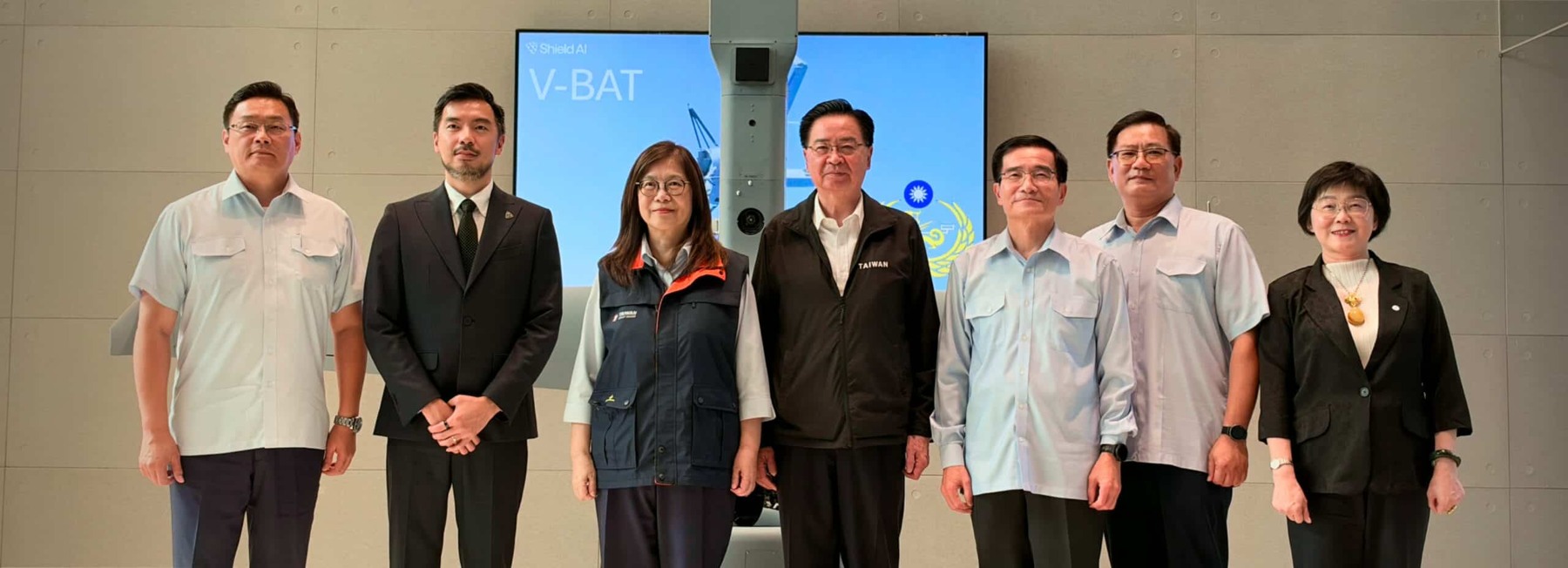
Shield AI’s October release reports the first V-BAT delivery to Taiwan’s Coast Guard Administration with partner AIDC, following selection in July. The page is dated October 12 and carries an October 13 dateline. It describes an October 7 presentation and plans for twelve further aircraft over coming months, alongside operator and maintenance training. The release does not establish that all planned aircraft have arrived or that the full fleet is operational. Primary source.
Local sustainment is part of the capability
Support close to the operator can shorten the path from a fault to a repair decision. Its value depends on which tasks local teams can perform, what parts they hold and when specialist assistance is required. Those details are more informative than describing a partnership as local without specifying its responsibilities.
The training question also extends beyond the initial course. An organization needs a way to qualify new personnel, retain proficiency and incorporate configuration changes. If that process depends on frequent visits by the manufacturer, the practical independence of the program will differ from its ownership of the aircraft.
Evaluate the information service
For surveillance, aircraft availability is an intermediate measure. Users need to know whether requested observations reach the right team in time and in a usable format. A useful evaluation would distinguish time spent preparing the aircraft, time collecting information and time delivering material for human review. A long flight is not automatically a useful observation.
Conditions at sea also vary. Reporting should make clear which operating conditions have been demonstrated and which remain planned, without turning a product specification into a guarantee across every vessel or weather condition. The launch and recovery process should be assessed as part of the vessel’s wider workload.
Separate transfer, qualification and routine service
A delivery program can progress through several meaningful states. Equipment may have arrived, local personnel may be training and a subset may be ready for routine use. Reporting those states separately is more useful than assigning the entire program a single operational label. It also helps explain why a successful introduction event does not establish the eventual fleet’s sustained availability.
For local partners, the important question is which knowledge becomes part of the standing organization. A training event can be completed while advanced diagnosis still depends on overseas support. A practical support agreement should make that boundary visible, including escalation procedures and the information needed to troubleshoot a fault. Those arrangements influence downtime even when the aircraft itself is unchanged.
An illustrative service review might follow a requested observation from planning to delivery, then record the maintenance required before the next mission. It would include work performed by both the vessel crew and supporting personnel. That avoids crediting an improvement in one team’s workload while ignoring additional effort elsewhere. Such a review would be a proposed assessment, not an outcome demonstrated by the source announcement.
Longer-term reporting should also distinguish readiness from utilization. An aircraft can be ready but not requested, or frequently used while requiring considerable support between flights. Neither flight count nor availability alone captures the whole picture. Together with information quality and repair turnaround, those measures would help show whether local training and sustainment are producing a dependable service for the Coast Guard.
The delivery gives this program a firmer basis than an expression of interest. The next meaningful evidence is repeatable service with trained local crews and a functioning support chain. That would demonstrate how the initial aircraft becomes a maintained capability rather than a successful arrival ceremony.
Source and scope
Shield AI source announcement, 2026-10-12. Analysis published October 21, 2026. Company claims remain attributed; proposed evaluation criteria are editorial analysis, not independent test results.
What would change the assessment
The delivery gives this program a firmer basis than an expression of interest. The next meaningful evidence is repeatable service with trained local crews and a functioning support chain. That would demonstrate how the initial aircraft becomes a maintained capability rather than a successful arrival ceremony.
This analysis draws on the public sources linked in the text. Send corrections to [email protected].