An autonomous underwater vehicle can complete a useful task on its own. A group becomes a different proposition when an operator needs to understand what several vehicles are doing, distinguish an old report from a current one and decide when to intervene. The larger issue is coordination: adding vehicles is valuable only if the information and supervision required to use them remain manageable.
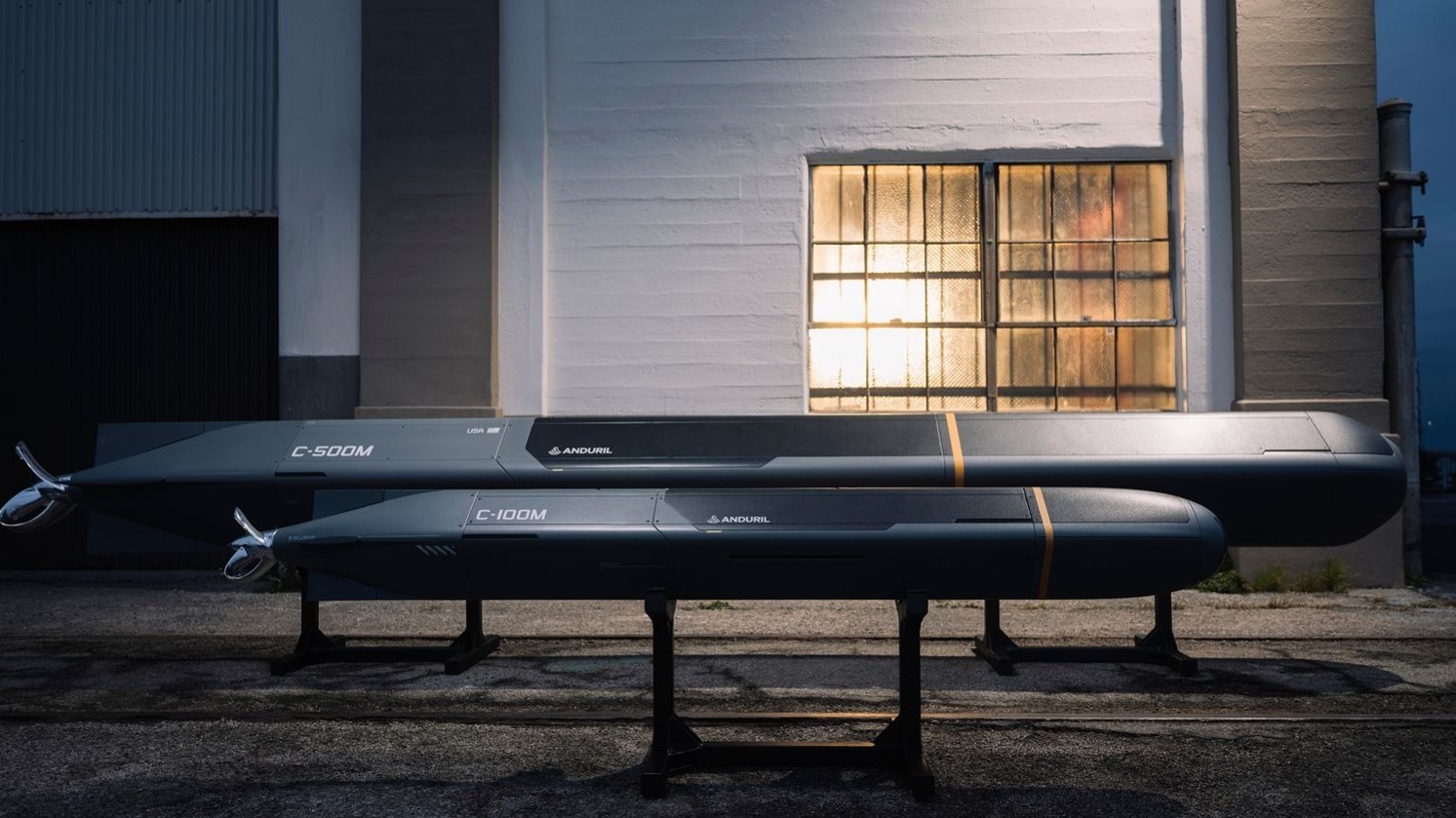
Anduril’s October 2 acquisition of Popoto Modem addresses part of that problem. In its announcement, reproduced by Public Technologies, the company described plans to expand acoustic modem integration across its maritime systems, with the Copperhead family an immediate priority. Anduril says Popoto enables multi-node underwater networking and had already worked with it for more than a year. The announcement establishes the company’s integration direction; it does not supply an independent performance assessment of a large operational formation.
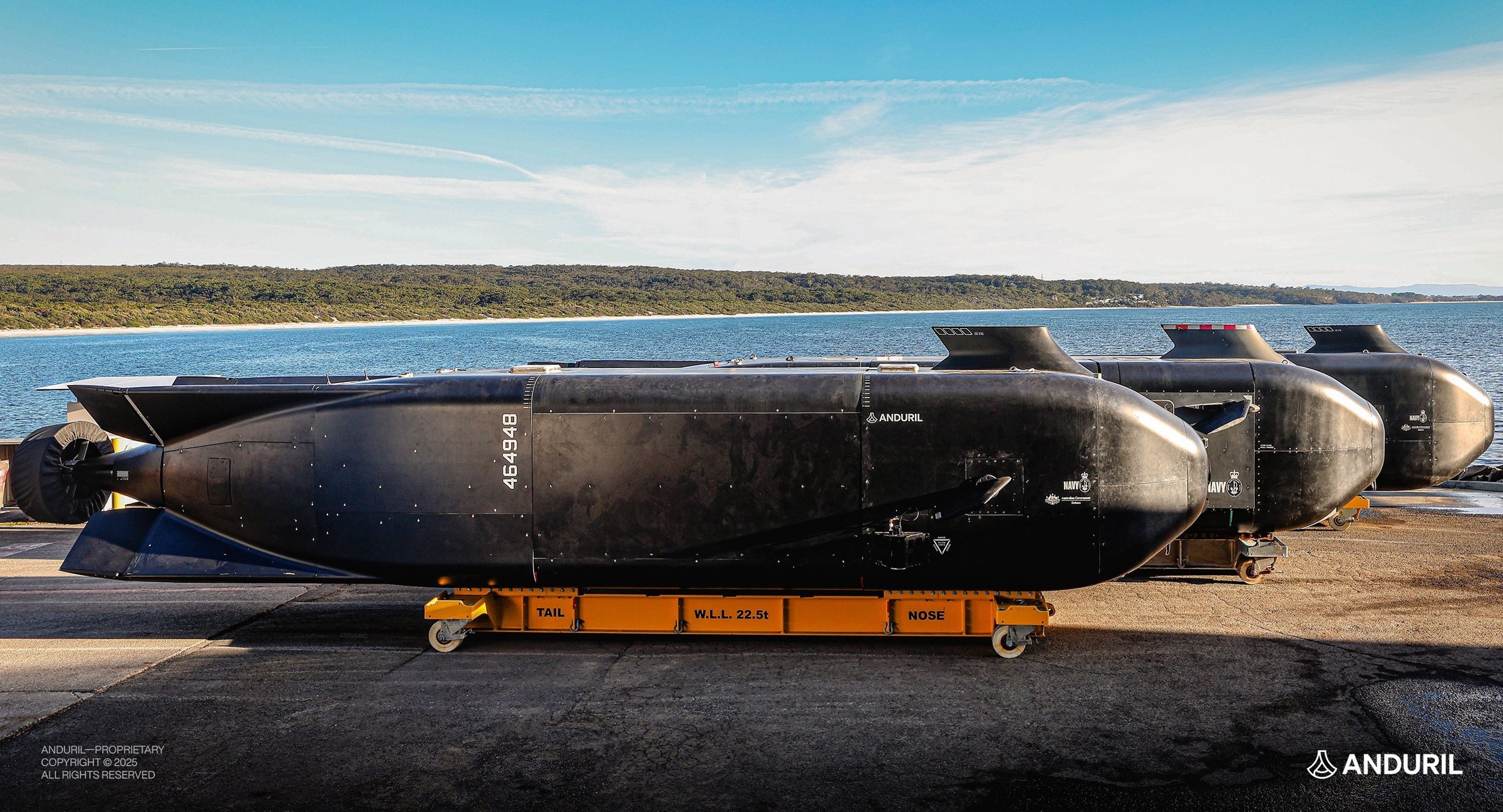
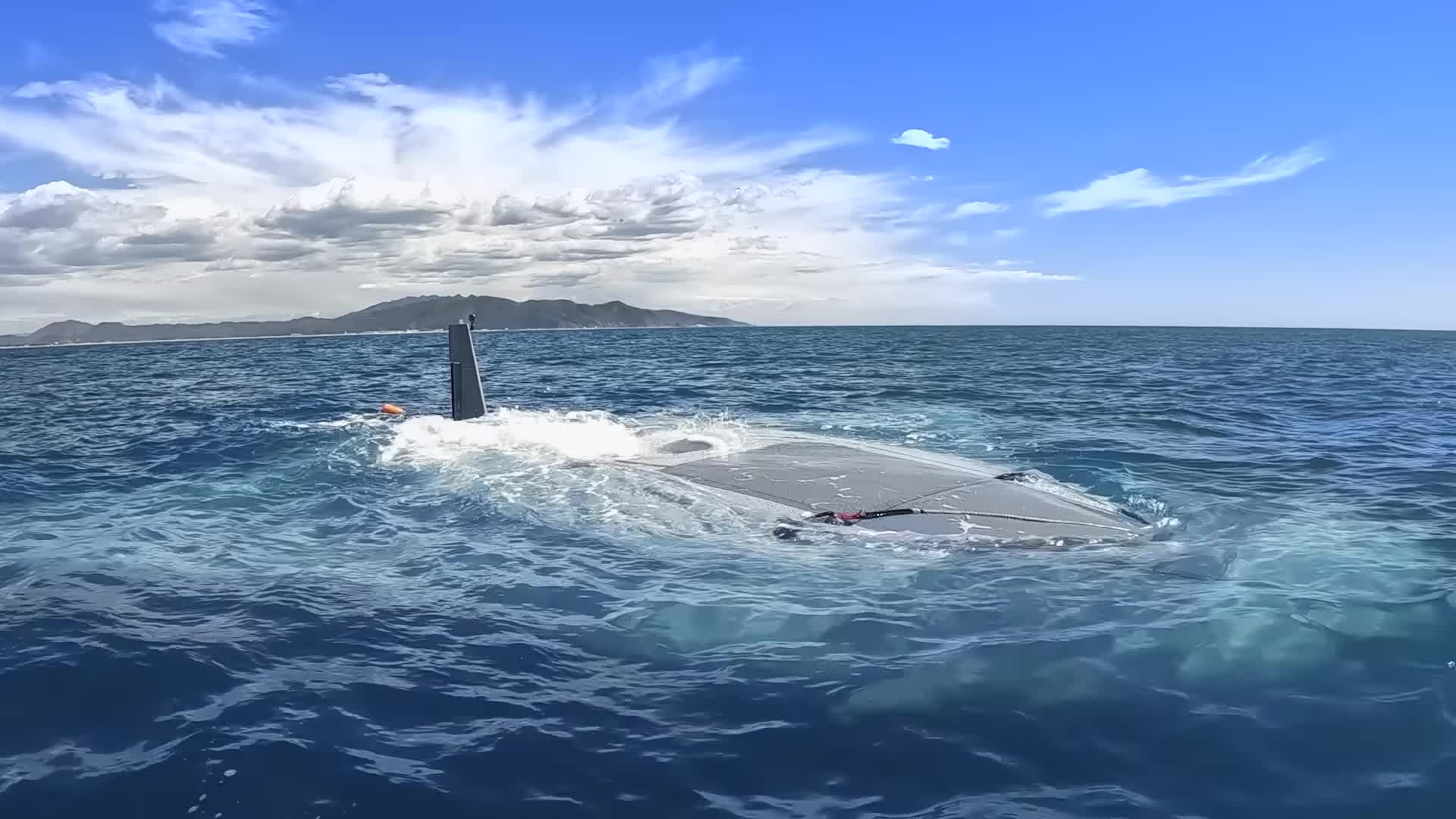
Footage context: Anduril’s Ghost Shark presentation at ADSTAR 2024 provides undersea program context. It predates the Popoto acquisition and does not demonstrate Popoto networking.
From an individual modem to a shared workflow
A working communications component is not the same thing as a dependable group. The practical questions change as more participants need to exchange information: which updates arrive, how old they are when received and what the operator sees when a connection is unavailable. The significance of the acquisition lies in bringing more of that integration work within the same organization as the vehicles and their supervisory software.
Popoto’s product and development announcements describe acoustic hardware, software interfaces and earlier networking collaborations. That background supports viewing the deal as the expansion of an existing technical effort. It does not establish that the characteristics advertised for an individual product apply unchanged to every vehicle, operating condition or network arrangement.
For readers, the useful unit of evidence is therefore a complete information exchange in a described setting. A test report could specify the number of participating systems, the observation period, delivery success and the age of information presented to an operator. Those measures would make a networking claim assessable without needing to disclose sensitive mission details.
Watch the footage
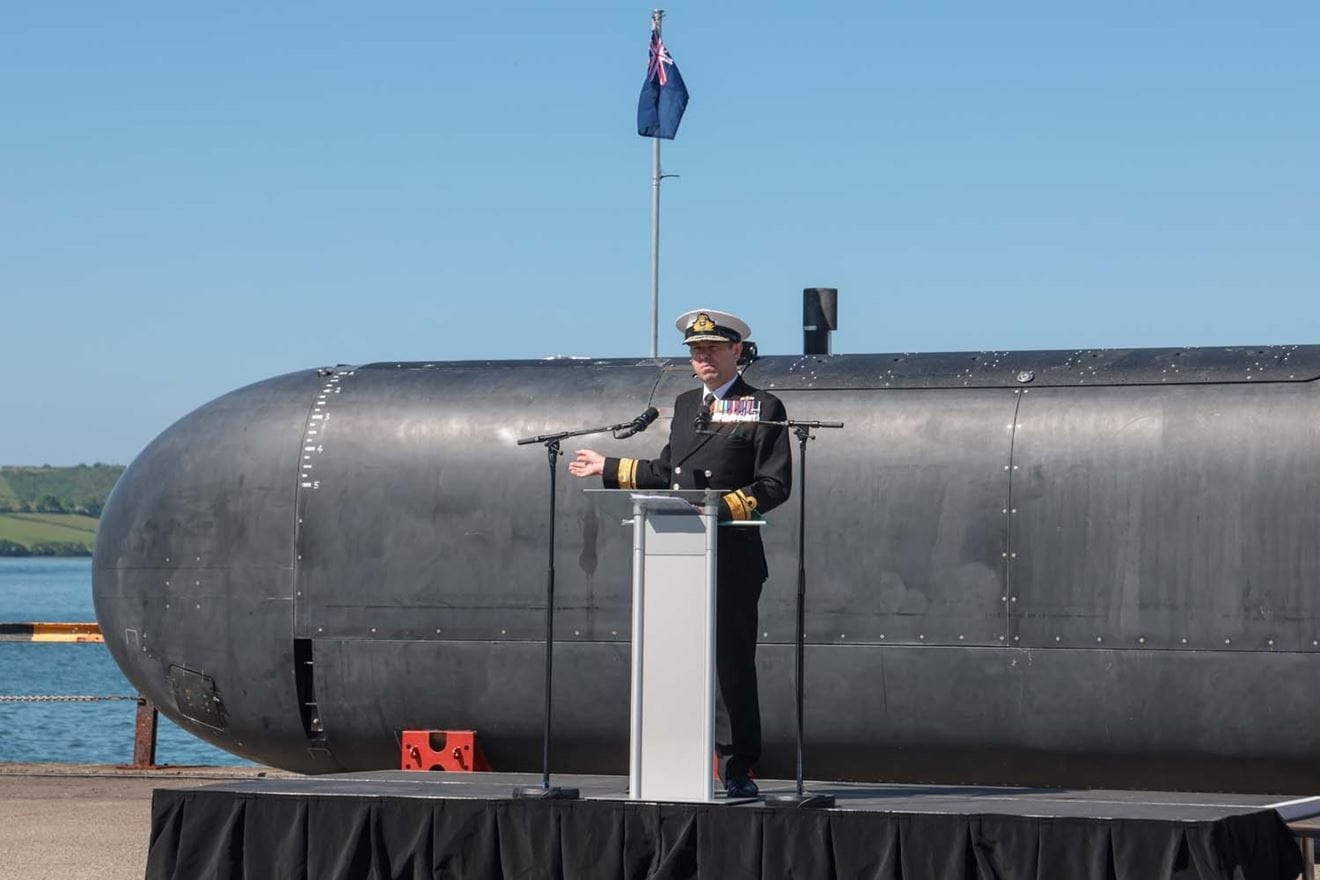
Defence Science and Technology Group hosts Anduril’s Ghost Shark presentation at ADSTAR 2024. Prototype and development context, not documentation of the later production agreement; the full discussion also covers other projects.
Video: Defence Science and Technology Group · Original source ↗ · Video watch page ↗The immediate impact is on the integration roadmap
The acquisition could simplify decisions about hardware, software and product support by placing them within a shared development program. That is a plausible organizational benefit. It should not be confused with proof that the technical work is finished or that a customer can immediately supervise more vehicles with the same workload.
An operator’s display is a particularly important boundary. A system that reports a vehicle’s last known state should make the age of that information clear. Otherwise, a tidy common picture could conceal uncertainty about what is happening underwater. This is an illustrative design concern, not a reported defect in Anduril or Popoto equipment.
Support also belongs in the near-term assessment. Customers would need clarity about configuration management, software updates, fault reporting and responsibility for integration problems. Consolidating a supplier relationship can help only if the combined organization makes those responsibilities easier to understand. The announcement does not quantify that effect, so it remains a question for subsequent customer evidence.
Scaling the group changes what must be proven
In the longer term, reliable shared communications could allow underwater systems to contribute to a more coherent operational picture. The potential value is less about maintaining constant contact for its own sake and more about giving people timely, trustworthy information when a decision depends on it. Different tasks could require different reporting patterns and levels of intervention.
That suggests a broader way to evaluate autonomous maritime formations. Vehicle endurance, network behavior and operator workload should be assessed together. A group that exchanges more information but demands continuous manual reconciliation may shift the burden rather than remove it. Conversely, carefully selected updates could be useful even without continuous high-volume reporting. These are possible outcomes, not measured findings from the acquisition.
The next evidence to watch is a described multi-vehicle trial that reports communications behavior alongside the supervision task. A successful individual link would be a component result; repeatable group performance would advance the larger case. The acquisition aligns parts of the development effort. Demonstrating that alignment in a working formation is the consequential next step.
Sources and limits
- Anduril, October 2, 2026: Acquisition announcement, distributed unaltered by Public Technologies.
- Popoto Modem: Product and development announcements, checked October 16, 2026.
- No independent network test or interview was conducted. Proposed evaluation criteria and implications are the publication’s analysis.
What would change the assessment
Watch for repeatable test results and customer evidence that connect this announcement to the practical outcomes discussed in this analysis.
This analysis draws on the public sources linked in the text. Send corrections to [email protected].