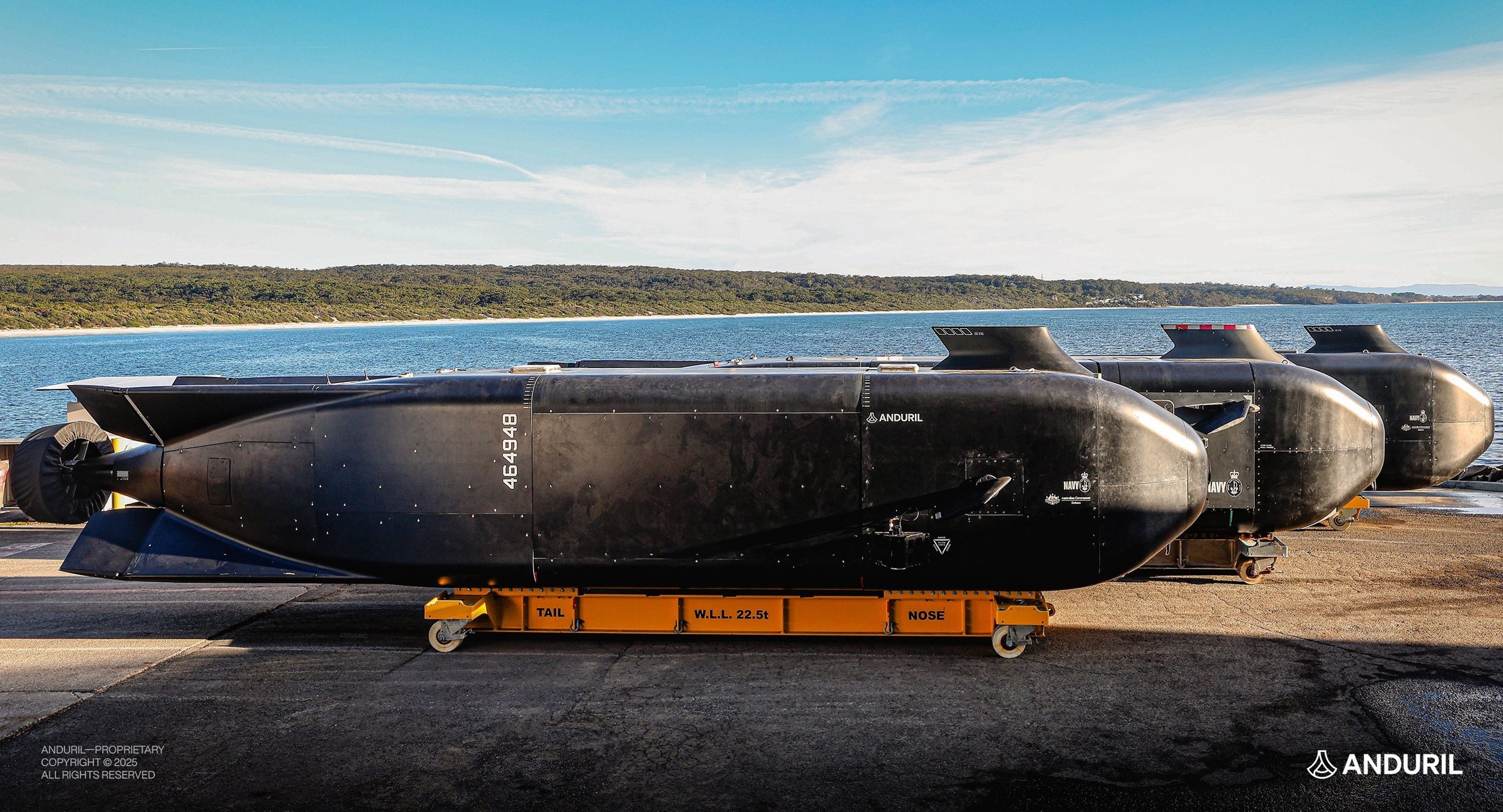
An uncrewed submarine changes more than the location of its crew. Orders must become a mission the machine can execute without constant contact, and the navy must decide which judgements remain ashore. A demonstrator can be valuable before it becomes a deployable weapon because it exposes those command and support questions in real water.
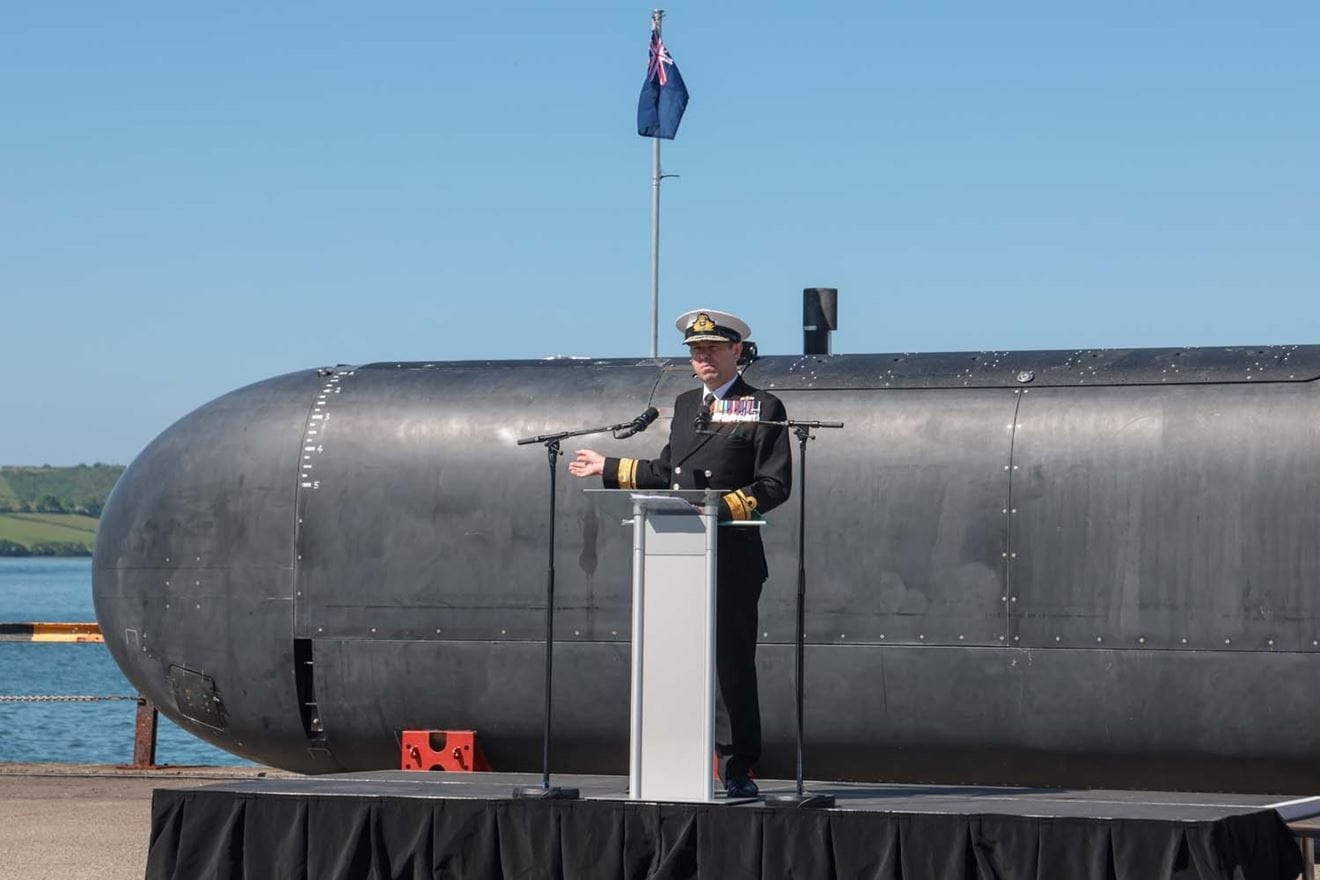
The UK’s December 11, 2025 Excalibur handover account followed trials beginning in February. A parliamentary answer about Project CETUS explains its purpose: informing how future extra-large autonomous underwater vehicles are operated, maintained and commanded. These sources describe a learning platform. They do not provide a public scorecard establishing every proposed future combat role.
An order needs an operating boundary
A human submarine commander can seek clarification when an instruction becomes ambiguous. An underwater robot may have to continue with the information available at launch. Its mission needs more than a destination. It needs rules for uncertainty: what happens if an expected contact is absent, navigation confidence falls or a planned route becomes unsuitable?
These questions are not answered by showing that an operator can send a command from far away. Transmission demonstrates a link under the demonstrated conditions. Useful command includes defining authority before the link is lost, preserving the reason behind a decision and recognising when a change warrants abandoning the original mission. Public descriptions of remote-control distance should retain that distinction.
A testbed lets a navy compare operating concepts without pretending the first configuration is permanent. The same physical task can be repeated with different communication schedules and fallback rules. Investigators can ask whether an outcome changed because the vehicle lacked information, because the rules were inadequate or because machinery failed. That diagnosis is more reusable than a successful route.
Maintenance knowledge belongs in the experiment too. A vehicle can bring a fault home without explaining it clearly. Recovering logs, inspecting the machine and connecting symptoms to the cause are part of fleet readiness. A system that is easy to launch but hard to diagnose could make support less predictable even while reducing personnel aboard.
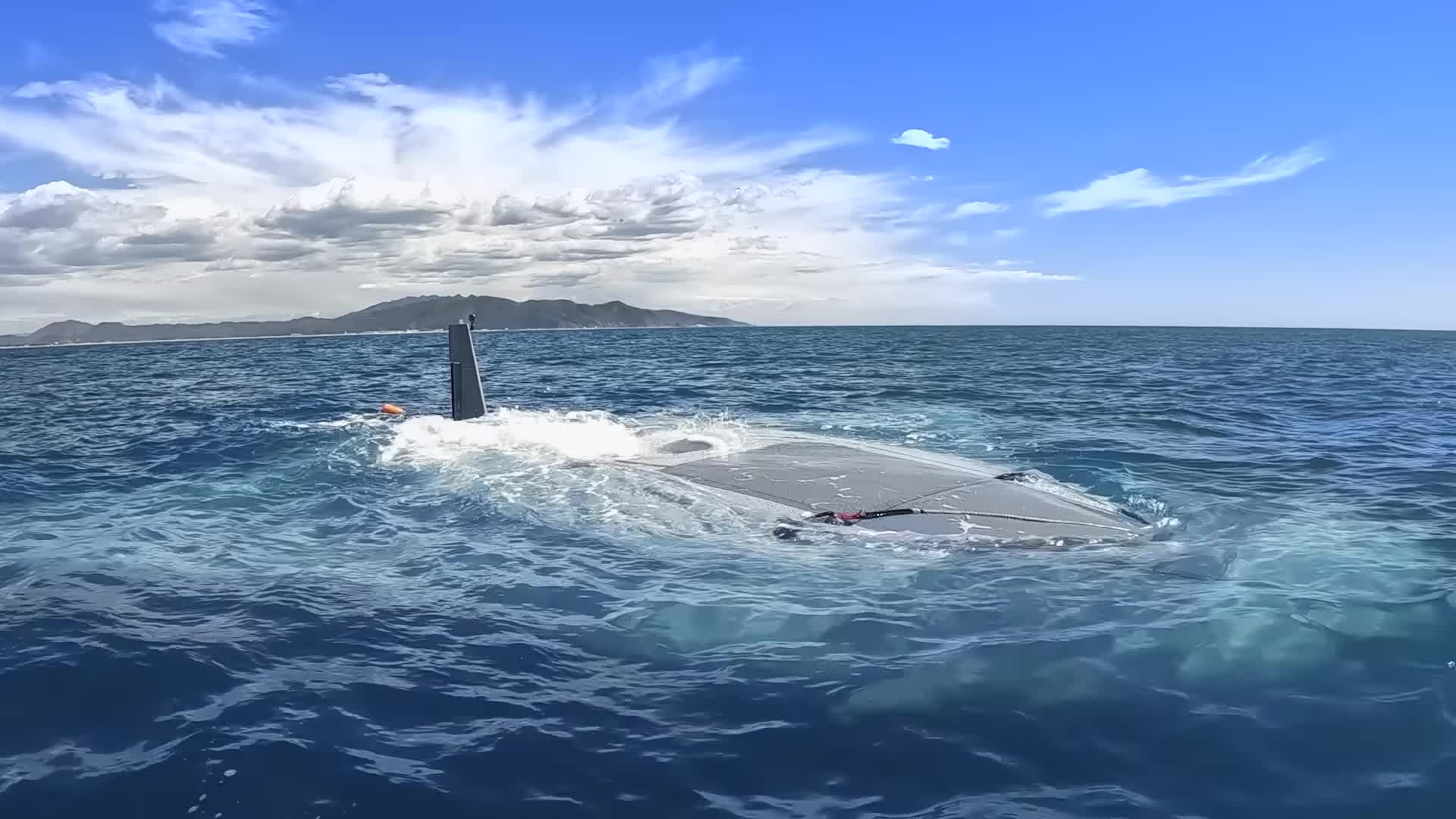
Watch the footage
MSubs presents XV Excalibur’s naming ceremony and sea-trial imagery in a video uploaded in August 2026. The surface movement illustrates the experimental vessel; it does not independently establish underwater endurance or autonomous mission performance.
Video: MSubs Ltd · Original source ↗ · Video watch page ↗Learning needs a stopping rule
The counterargument is that demonstrations can become an excuse to avoid production. A navy needs delivered capability; endless experiments do not protect sea lanes. The response is to define which uncertainties the testbed must retire and which later systems will inherit. That creates a useful stopping rule without treating every untested feature as already proven.
An acceptance milestone should remain attached to the configuration and conditions it covers. A new sensor or autonomy build can change both the available evidence and the decisions made from it. Retaining trial conditions lets the navy decide which previous findings still apply. Without that record, progress becomes a succession of announcements whose operational meaning is difficult to compare.
For industry, the opportunity extends beyond manufacturing a hull. Mission interfaces, simulation, fault interpretation and support training can determine how easily payloads become usable. The testbed can reveal these needs, but its existence does not establish a procurement market for every proposed component. That remains a question for customer requirements and subsequent evidence.
The most informative trial may be one that deliberately tests an imperfect instruction or an interrupted mission. It can reveal where the machine’s authority ends and how the human organisation regains control. Those trials should be bounded and documented, rather than inferred from normal navigation. Confidence in command comes from understanding those boundaries as well as seeing the vehicle complete a planned journey.
What the operator needs to know
Imagine an operator preparing a revised task while the vehicle is underwater. The important question is not merely whether a message can be sent. It is whether the team can distinguish the requested instruction from the instruction the vehicle actually accepted, and can explain what happens if those differ. A useful exercise would retain both records, alongside the vehicle's observations and the timing of any intervention. That would help separate a communication problem from a misunderstanding about authority.
Training should also include occasions when a promising task is declined. An operator who understands the system's limits can choose a less ambitious route or defer a mission. That judgement is a form of capability, even though it produces less spectacular footage than a successful launch. Measuring only completed tasks could encourage a team to hide the circumstances in which caution was appropriate.
Excalibur's experimental role makes those less photogenic lessons valuable. The outcome to seek is a command organisation that can explain why it trusted a particular instruction, what it knew at the time and how it would handle a different result.
What would change the assessment
Measure reusable command and maintenance knowledge rather than presume completed combat readiness.
The wider impact
Excalibur should be judged by the uncertainty it removes about future underwater operations. A useful output might be a clearer command boundary or maintenance procedure rather than a headline voyage. The broader benefit is a better-informed transition to a fleet: subsequent vehicles can inherit tested operating knowledge instead of requiring each programme to rediscover how an uncrewed submarine should be used.
This analysis draws on the public sources linked in the text. Send corrections to [email protected].