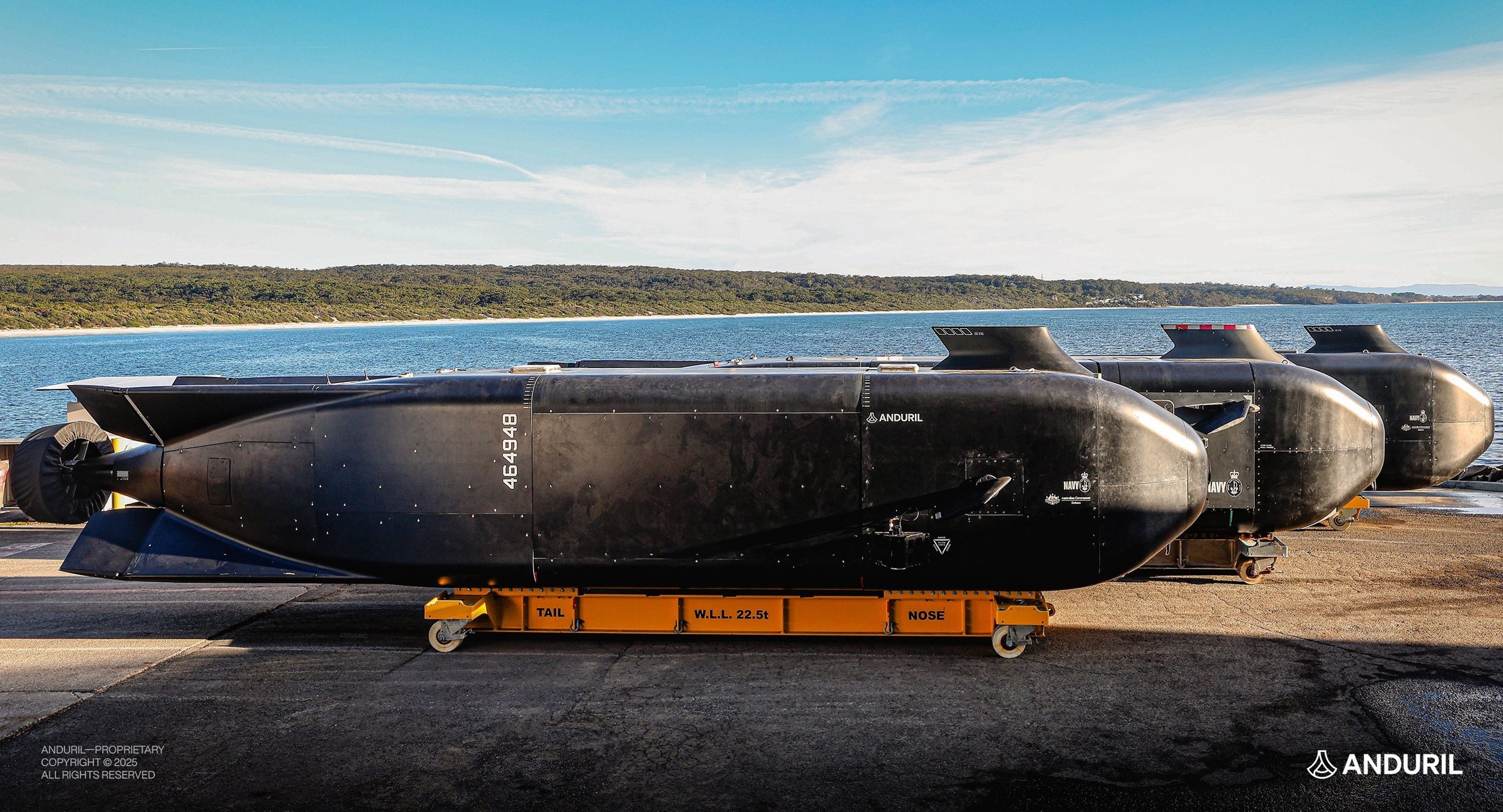
A large underwater drone has to reach the ocean before its endurance becomes useful. Sailing from a distant base consumes energy and time; moving a complete vehicle can require specialist transport and scarce dock space. Manta Ray’s distinctive question is whether a large machine can be moved in pieces and assembled nearer the place where it will actually work.
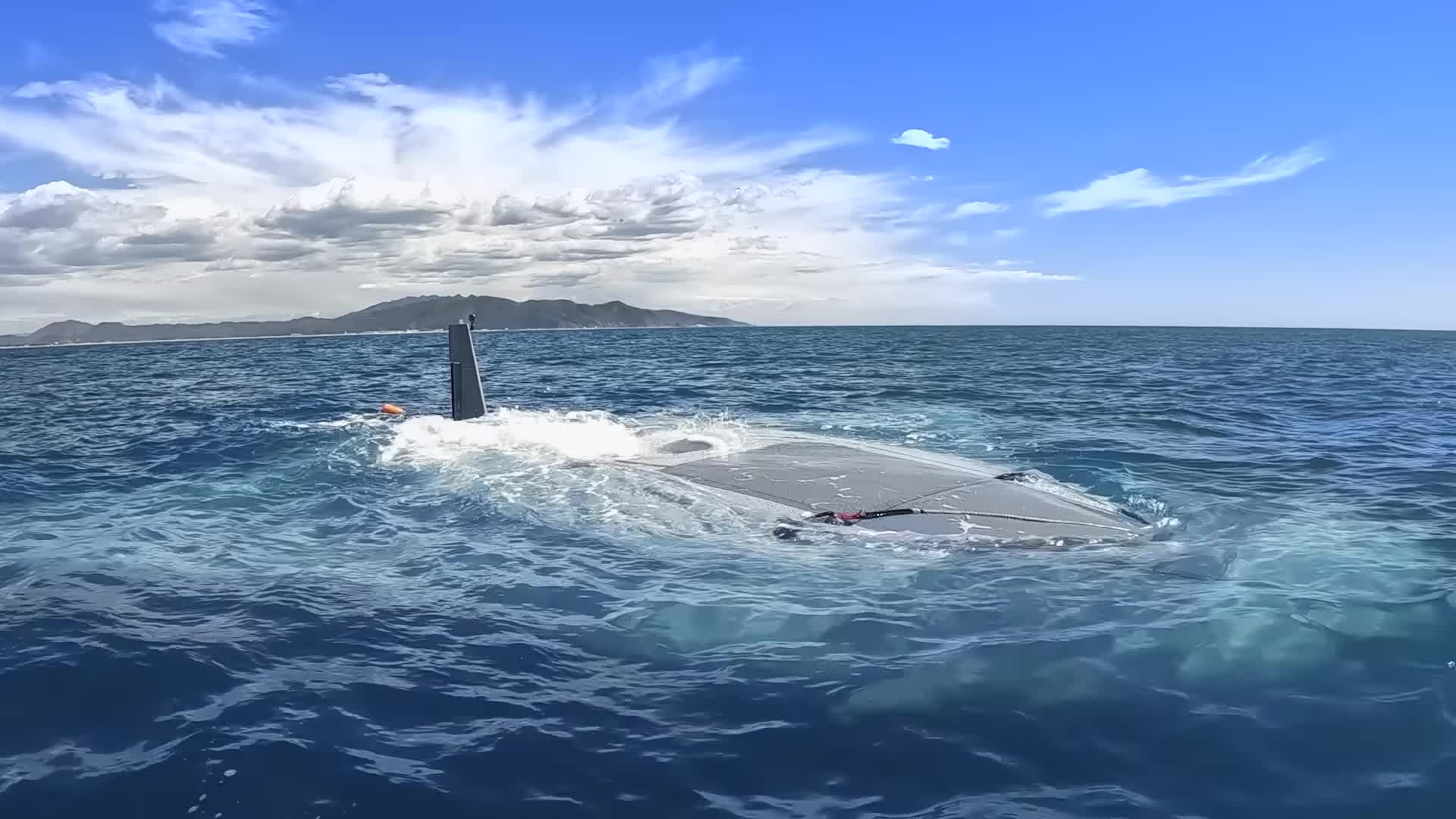
In its May 1, 2024 account, DARPA reported full-scale testing off Southern California in February and March, following transport of Northrop Grumman’s prototype from Maryland in subsections. Defense News covered the tests. The work demonstrated propulsion and steering modes as well as assembly. It was not a published record of months of unattended military service.
Saving transit is not free deployment
The attraction of assembling near the mission is straightforward: energy otherwise spent crossing an ocean can support useful work. That benefit is conditional. The destination still needs equipment, technicians, suitable water access and a reliable check that the assembled machine is ready. Modularity shifts part of the logistical burden from the voyage to the receiving site.
The useful comparison would start before launch. Count packing, shipment, assembly, checks and access to spares. Compare the total time to a working mission with the time required by a vehicle travelling from its usual base. A photograph of a large drone in the water cannot show those costs. A repeat deployment by an ordinary receiving team would be more informative.
The design also separates movement from power use. Buoyancy-driven gliding changes the vehicle’s buoyancy so it rises and falls, using its shape to turn vertical movement into forward progress. Propellers and control surfaces serve other needs. The engineering opportunity is to choose a mode appropriate to the task, rather than assume one propulsion setting is best throughout the mission.
Low energy use does not automatically make a sensor mission effective. A slow, efficient path may suit some monitoring and be unsuitable for following a rapidly changing event. Payload activity, communication and navigation also consume resources. Buyers should connect the proposed mission to a full energy account, instead of treating an efficient transit method as the whole endurance claim.
Watch the footage
Northrop Grumman shows Manta Ray in the water and describes its development. Manufacturer demonstration; this does not establish operational endurance or fleet readiness.
Video: Northrop Grumman · Original source ↗ · Video watch page ↗The missing result is repeatability
The milestone matters because it combines steps that demonstrations often show separately. Nevertheless, assembly could work once under close engineering supervision and remain difficult in a less prepared port. Successful movement through a test area does not establish how the vehicle detects, contains and reports faults during a longer mission. Those are different claims requiring different evidence.
A representative next test would vary the receiving site, assembly team and payload while recording the work needed to achieve the same readiness standard. Longer operation should retain a time-stamped fault and intervention record. Failed preparations matter alongside successful missions: excluding them would make a mobile deployment system look easier to use than it is.
The countercase is a specialised vehicle permanently based near its task. It may avoid modular interfaces and repeated assembly entirely. Manta Ray’s approach becomes more attractive when flexible basing changes which missions are available. The comparison should therefore be between complete deployment concepts, not simply between dimensions or the appearance of their hulls.
There is a useful industrial question inside that comparison. Standard transport and assembly interfaces could make support easier to distribute, but only if different receiving teams can use them without the original designers present. Demonstrating that transfer of responsibility would make modularity more than a convenient way to ship one prototype between engineering facilities.
When flexible basing earns its cost
A hypothetical deployment makes the tradeoff clearer. A commander needing surveillance near an unfamiliar port might value a machine that arrives by ordinary transport, even if local assembly takes several days. A standing patrol beside its home base might gain little from that same feature. Neither choice is universally superior. The mission's location and urgency decide whether modularity earns back the work required to use it.
Interfaces become the place where that promise can succeed or fail. Receiving personnel need an unambiguous way to recognise correct assembly and reject a doubtful connection before launch. A modular machine should therefore be evaluated with its instructions, handling equipment and checks, rather than as a bare hull. A test performed by the original engineering team may establish that the design works; a test performed by another qualified team addresses whether the deployment concept transfers.
That distinction is useful beyond underwater vehicles. Transportable autonomy only changes access when an organisation can turn a shipment into a dependable mission without recreating the entire development team at the destination.
What would change the assessment
Compare shipment-to-readiness and mission energy before inferring persistent capability from a novel hull.
The wider impact
Manta Ray points toward a market in which transport and local assembly can be as distinctive as the controller. The 2024 trials support an engineering milestone, not a blanket claim of operational persistence. The broader consequence depends on whether receiving teams can reliably turn transported sections into useful time underwater. Deployment convenience becomes military value only when it makes repeat missions more practical.
This analysis draws on the public sources linked in the text. Send corrections to [email protected].