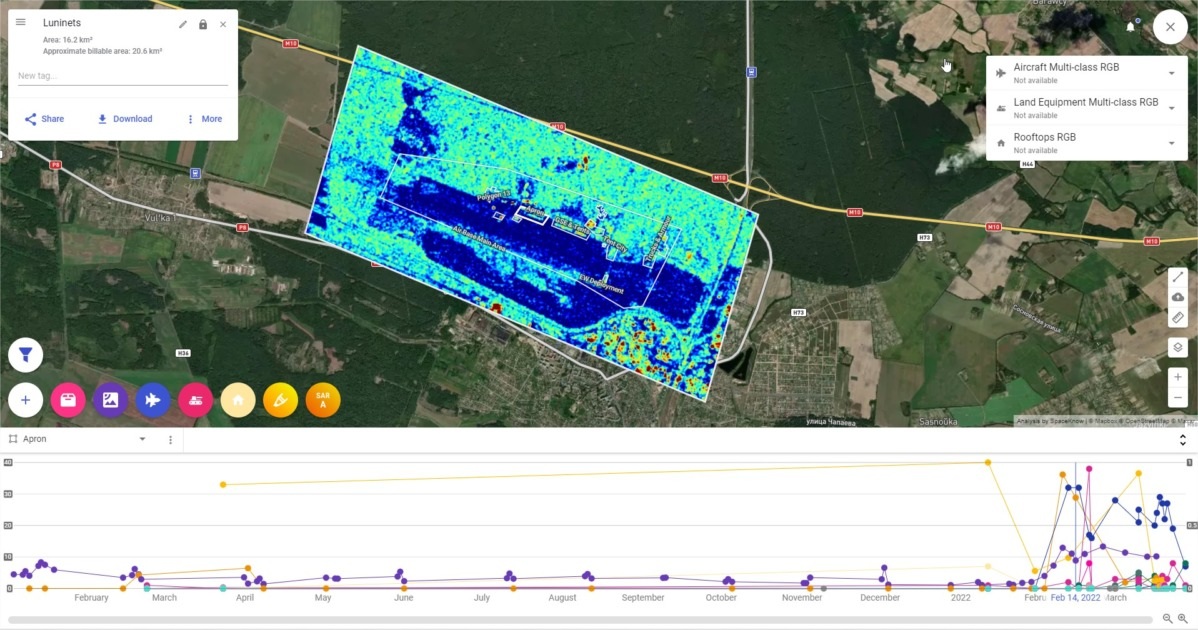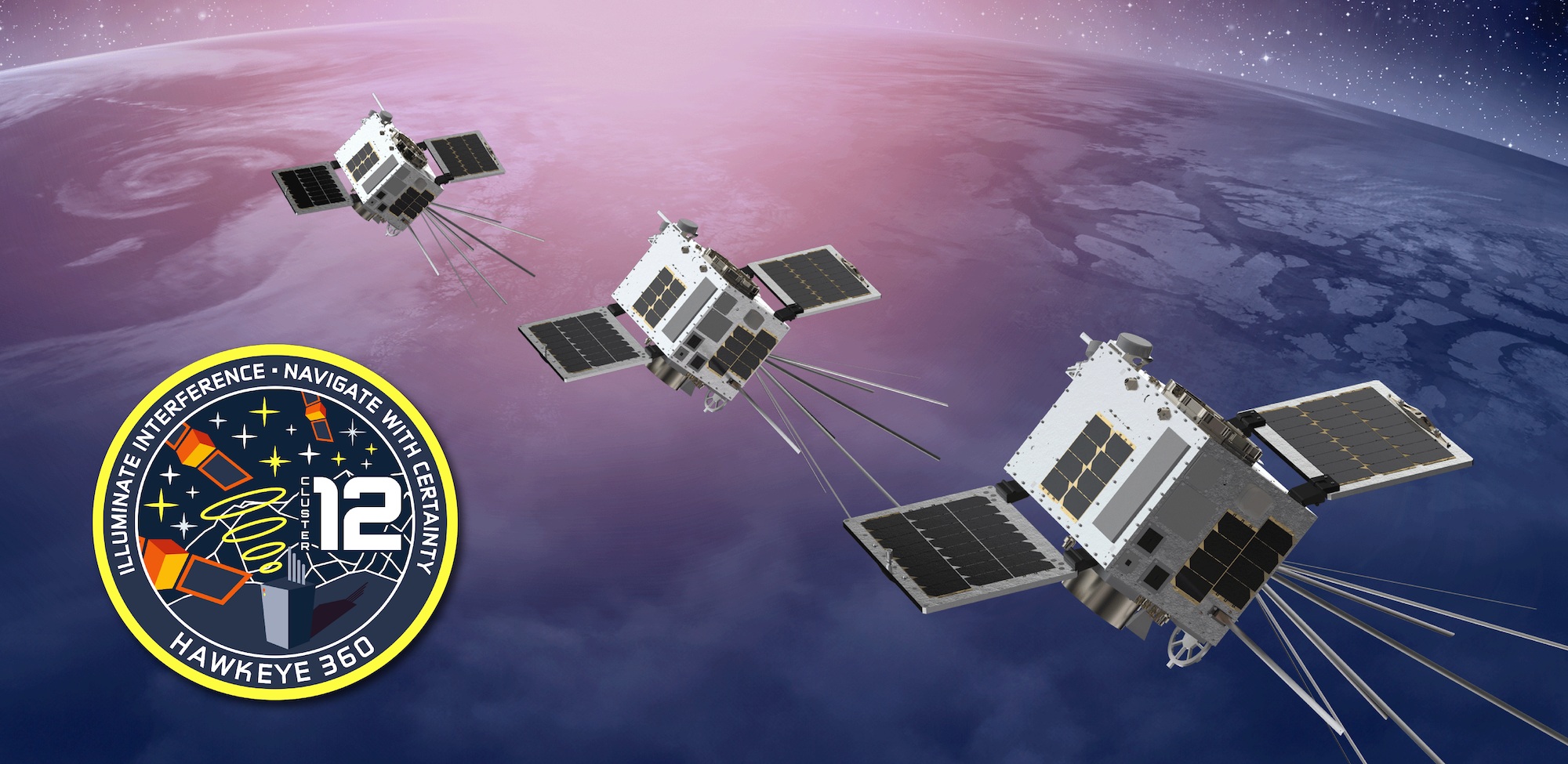
An alliance can possess many capable satellites while a particular user cannot get the observation needed for a decision. National tasking priorities, different access arrangements and incompatible delivery systems can separate capacity from utility. Connecting those assets is therefore an intelligence problem as well as a space-engineering problem.
NCIA’s APSS account records initial operational capability on December 4, 2025. Breaking Defense’s July 2026 reporting places it among wider allied space initiatives. Alliance Persistent Surveillance from Space uses a virtual constellation called Aquila. That means coordinated access to contributing sources, not a claim that NATO launched one new physical fleet of identical satellites.
Coordination is a capability
A virtual constellation can give users a broader menu of observations without requiring every nation to buy the same platform. The value depends on how a request becomes a collection task. A technical catalog is useful, but it does not settle priority when several users need scarce capacity at once. The operating arrangements have to handle that competition.
Permissions influence what a recipient actually learns. A result may be shareable while its original measurement or collection conditions remain restricted. That can be legitimate, but it changes the recipient’s ability to verify or reinterpret the finding. The delivered product should state enough about its basis and limits to prevent users from assuming access they do not have.
Combining different sources also requires a common meaning for time and location. An observation from one sensor may not be directly comparable with another. The system needs to preserve those differences while making the material usable. A single interface should not imply that all products have the same resolution, age or evidentiary strength.
The distinction between available capacity and useful persistence remains important. An alliance can improve revisit opportunities without observing every place continuously. A user needs to know whether an expected gap is minutes, hours or simply not covered by the service available for that task. No single general constellation label can answer those questions for every location.
Operational status has a specific scope
Initial operational capability is a milestone indicating a defined starting capability, not completion of every future ambition. The public account should remain attached to that scope. Wider plans for linked satellites, standards or new services may build on it, but cannot be silently treated as delivered merely because the programme already has an operational designation.
A useful assessment would follow allied requests from submission to a usable product, recording declined or delayed requests as well as successful ones. It would distinguish no available collection from a collected result showing no relevant activity. Those are different information states. Both can produce an empty display if the interface is poorly specified.
The countercase is direct national or commercial access when it already meets a user’s need quickly. A coordinated alliance layer adds value when it improves available evidence, sharing or delivery enough to justify its own complexity. That should be demonstrated through representative requests rather than inferred from the number of participating nations.
Commercial products can be particularly useful for wider distribution, but shareability is not the same as trustworthiness. Users still need to understand processing, uncertainty and what the product was designed to answer. APSS’s combination of access and integration makes those requirements more visible. The system is successful when a broader source base becomes a clearer decision, not simply a larger archive.
An alliance request is also a permissions request
Imagine a partner requesting a fresh view of a damaged transport route. Several contributing providers may hold relevant observations, but the requester needs to know which can be delivered, which can be shared onward and which are suitable for comparison with earlier imagery. A virtual constellation can make that search easier. It cannot remove the underlying obligations merely by bringing the products into one catalogue.
A useful operating record would retain the requested question, the sources considered and the reason for any gap in the delivered product. That would help distinguish a collection shortage from a permissions or processing limitation. These are different investment problems: buying more sensors does not repair an unclear sharing arrangement, while a better interface cannot supply an observation that was never collected.
The wider opportunity is to make allied capacity behave more like a usable service. That can improve cooperation even without a new spacecraft launch. Its credibility depends on describing persistence at the level the user actually receives and preserving the different sources’ limitations. APSS matters because alliance interoperability increasingly includes the route from a question to defensible evidence, alongside the route between machines.
What would change the assessment
Measure request-to-product performance, permissions and collection gaps, rather than infer continuous coverage from membership.
The wider impact
APSS demonstrates that space intelligence can grow through better organisation of existing and commercial assets. The broader opportunity is allied access to the right evidence at the right time without requiring every partner to duplicate a constellation. Its limits should remain clear: coordination does not erase capacity constraints or permissions. Operational value comes from usable products whose evidence and scope survive the journey across national boundaries.
This analysis draws on the public sources linked in the text. Send corrections to [email protected].