A sensor can collect the right image while the user who needs it searches a different archive, lacks access or cannot identify the relevant version. Those failures happen after collection, but they still prevent useful intelligence. Distribution is therefore a capability with its own engineering and support requirements, rather than a final administrative step.
NGA’s August 29, 2024 contract record names Maxar for the Commercial GEOINT Access Portal, a five-year award valued at approximately $359 million. GovCon Wire’s September coverage describes the discovery, visualisation and delivery scope. The award establishes a continuing imagery-service path. It does not demonstrate that every user receives the required product promptly or that access is independent of government policy.
The archive must answer a practical question
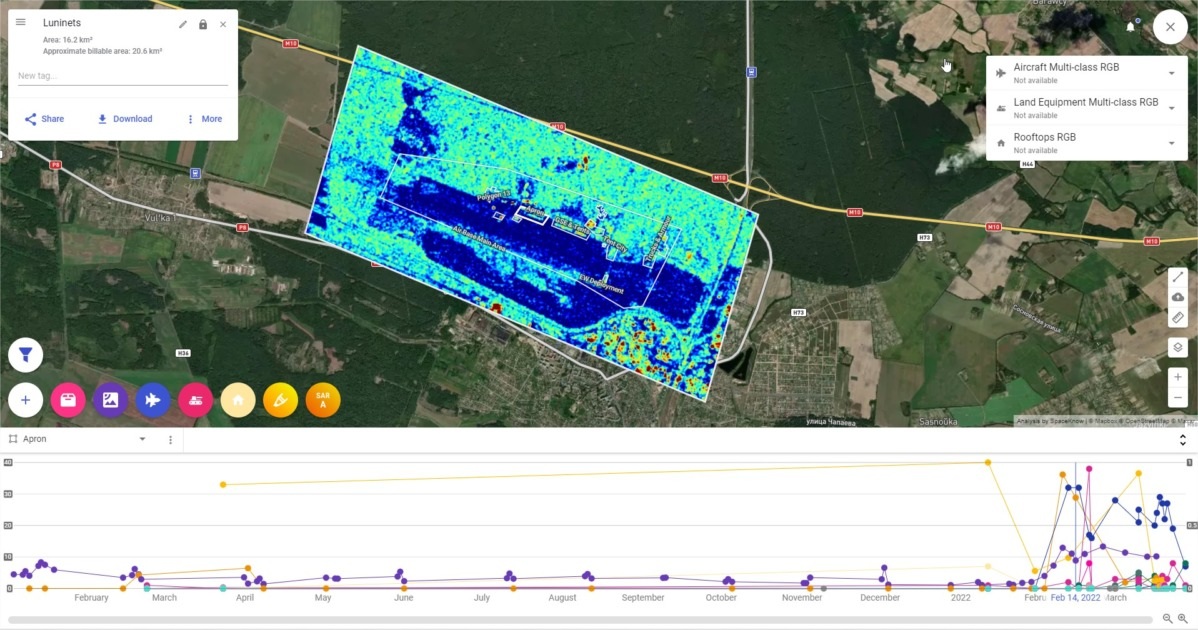
A useful portal helps the recipient identify what was observed, when and under which conditions. A search result can contain several versions of similar imagery. The interface needs to make the differences clear enough that an analyst does not compare incompatible products or mistake a recent delivery for a recent observation.
Discovery and permission are separate. A catalog entry may show that data exists without allowing a particular user to obtain it. That distinction should be visible before the user relies on the expected product. A workflow that discovers its access limit late can lose operational time even when the underlying imagery service is functioning correctly.
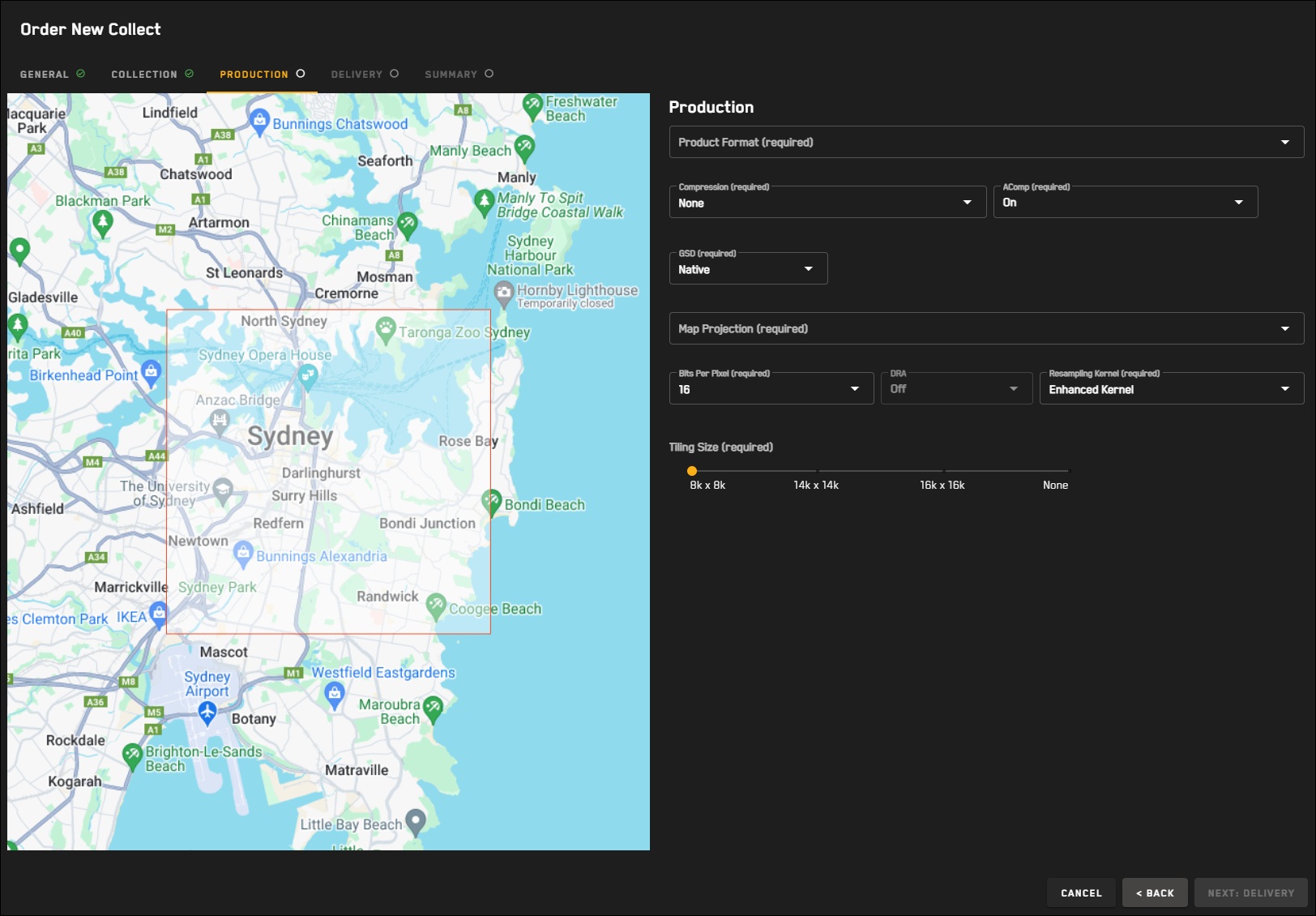
Processing also changes the meaning of the displayed product. A user might receive a geometrically corrected image, a mosaic or an analytic derivative rather than the original measurement. Each can be useful, but has different assumptions and limitations. Distribution should preserve enough metadata to show what transformation occurred and whether the image is suitable for the comparison being made.
Historical access is valuable for change analysis. The analyst needs the relevant earlier observation, not simply the most recent attractive image. That creates requirements for consistent search, product identity and retained context. A portal that makes current imagery easy to view but older evidence hard to retrieve may fail a recurring intelligence need despite a smooth interface.
Service reliability extends beyond uptime
A website being online is a limited measure of delivery reliability. The practical test is whether an authorised user can obtain the correct product and understand it in time. Delayed ingestion, incomplete metadata or an unclear permission error can prevent that outcome without causing a conventional outage. Evaluation should therefore follow user tasks, not just server availability.
The countercase is direct delivery from a sensor provider when one source consistently meets the need. A shared portal becomes more valuable when it reduces the effort of working across sources, archives and organisations. That benefit should be measured against the extra integration layer rather than presumed from the existence of a central interface.
One proposed assessment would give representative users time-bounded requests, including historical comparisons and mixed-source cases. Count correct retrieval, unresolved access problems and time to a usable result. Preserve the exact products selected. This would reveal whether the service helps the intelligence task rather than merely producing more downloads.
Policy and licensing limits deserve the same clarity. Commercial origin can make some products easier to share, but it does not guarantee unrestricted access under every arrangement. The service should communicate what can be transferred and what supporting context may accompany it. Otherwise a recipient can inherit a result without the ability to examine the evidence behind it.
That makes distribution an important commercial differentiator. Suppliers can compete on usable access, metadata and support as well as sensor performance. A clear delivery service can extract more value from an existing collection base, while a poor one can leave expensive observations effectively unavailable to the people meant to use them.
Retrieval can preserve or erase the useful comparison
Consider a hypothetical analyst comparing a logistics site before and after an event. The most recent search result may be a mosaic assembled from several observation times, while the older result is a single scene. Both can be legitimate products. Treating them as a clean pair could produce a misleading change claim. The portal needs to reveal those differences before the analyst relies on the comparison.
A machine consumer faces the same problem with fewer visual clues. An application retrieving imagery through a service needs product identity, observation times and processing information alongside the file. Those records let it reject unsuitable comparisons or ask a person to review them. Reliable retrieval is therefore more than making an image downloadable; it includes preserving the conditions under which the image can support a claim.
The broader consequence is that a well-designed distribution service can increase the usable value of observations already collected. It can also make access limitations easier to diagnose, separating licensing, policy and technical faults. CGAP’s acquisition matters because intelligence capability increasingly depends on that last journey from a commercial collection base to an authorised user who can understand the product.
What would change the assessment
Evaluate authorised retrieval, product identity and interpretation context alongside collection performance.
The wider impact
CGAP’s award highlights intelligence infrastructure that is less visible than a satellite launch but just as capable of constraining the result. The broader opportunity is making collected evidence usable across a distributed customer community. That needs reliable discovery, permissions and product context. Distribution succeeds when the recipient can obtain and interpret the right record, not merely when the portal remains online.
This analysis draws on the public sources linked in the text. Send corrections to [email protected].