Launching more than one aircraft from a vehicle changes the operator’s job. Instead of controlling one flight, the person must understand several simultaneous missions and retain a practical way to intervene. The evidence needs to identify what the operator actually supervised, not simply the number of tubes the launcher could hold.
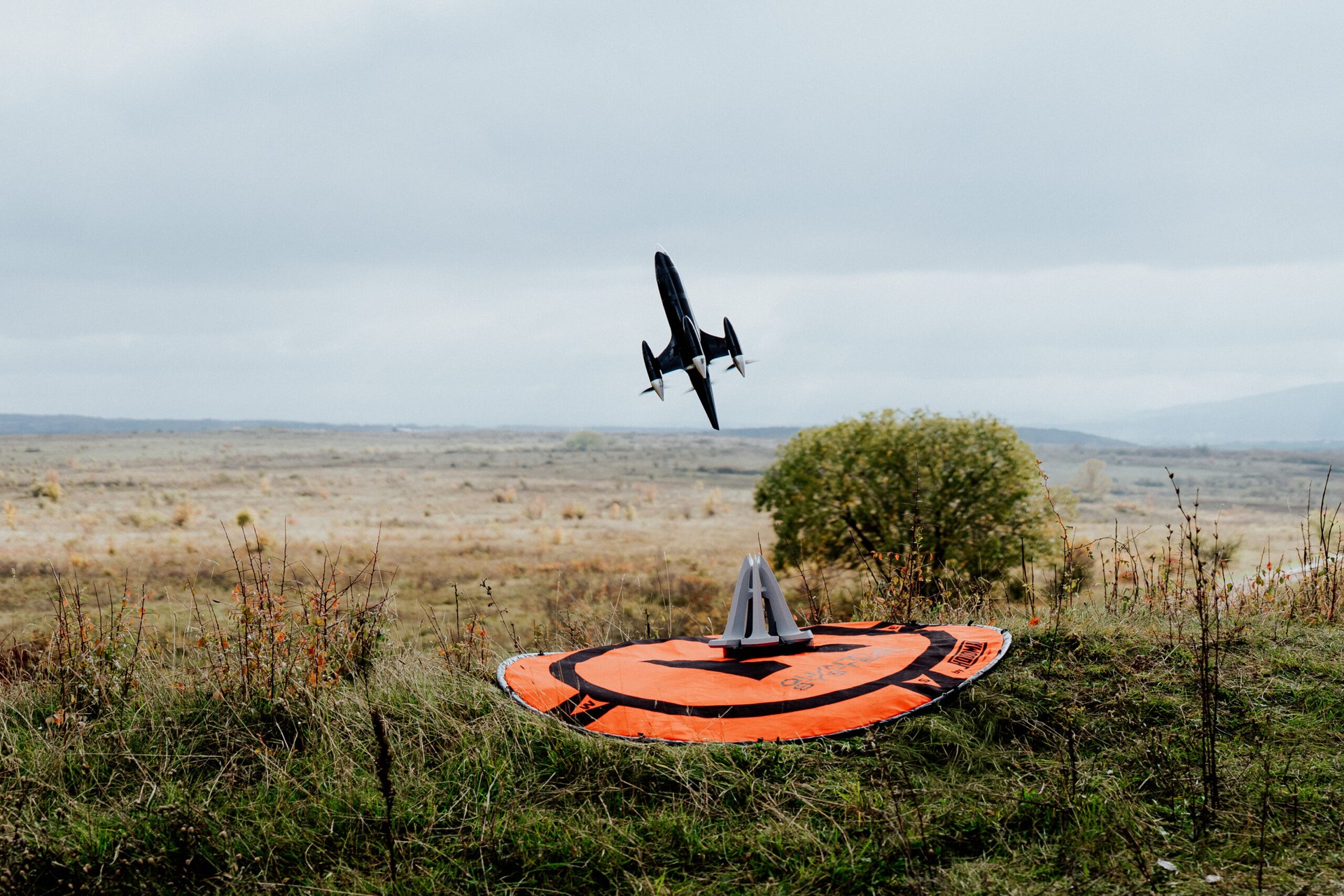
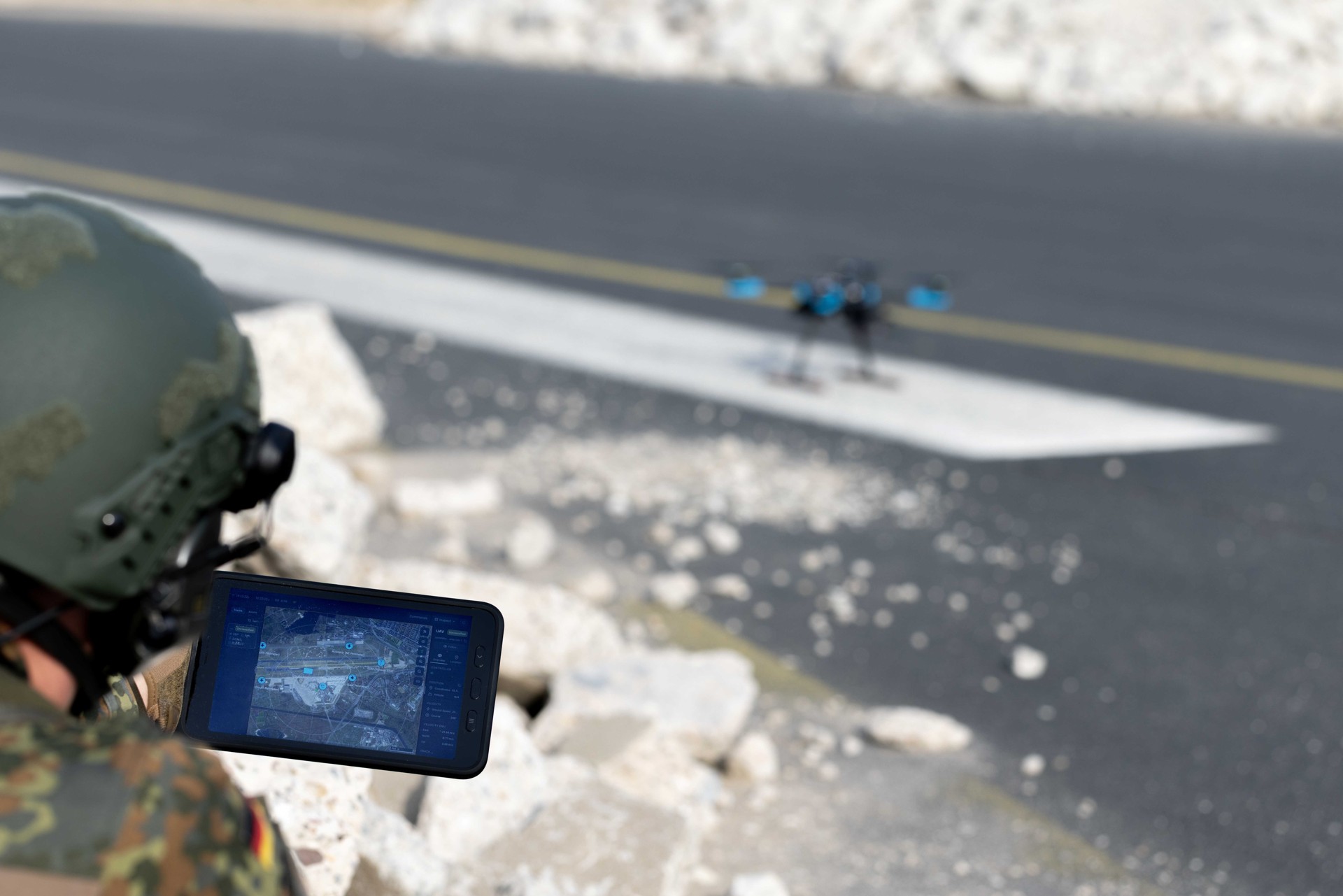
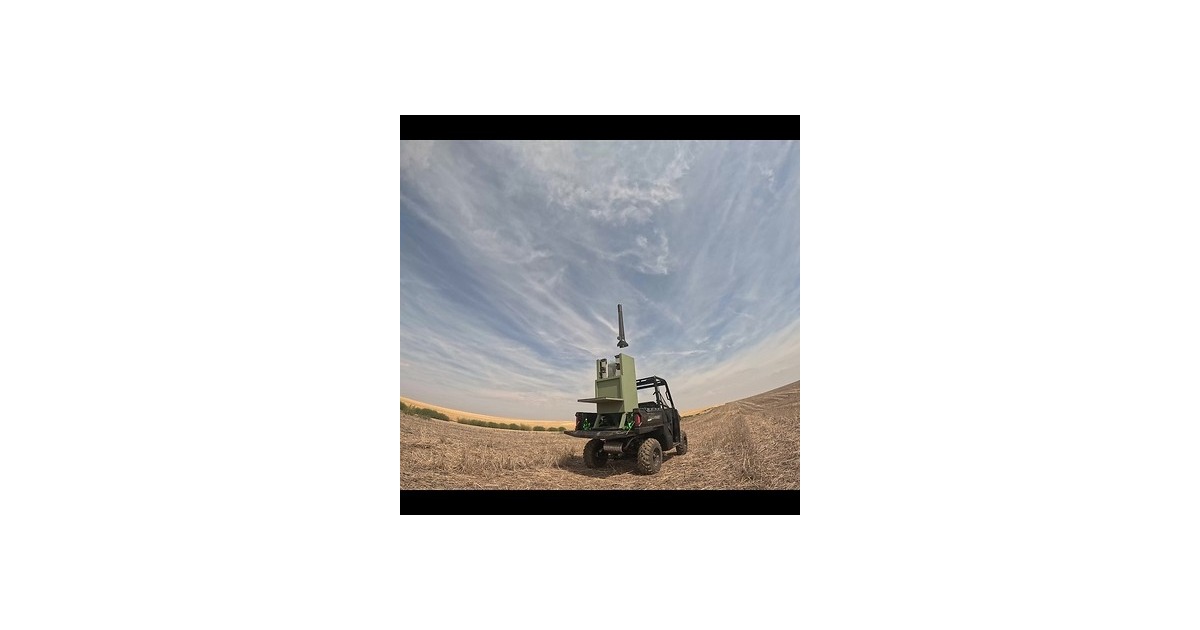
Cummings Aerospace’s October 12 release reports an August 25 test at Pendleton, Oregon. A company engineer sequentially launched two Hellhound S3 aircraft from a crewed utility vehicle and monitored both through one fire-control system. The aircraft carried inert payloads and followed planned autonomous missions. The described test supports a two-aircraft launch and supervision milestone; it does not establish an eight-aircraft trial or cooperative swarm behavior. Read the source account.
Separate the demonstrated configuration from its proposed extensions
The launcher’s intended capacity is different from the number of aircraft used in this test. Likewise, future launches from uncrewed ground or surface vessels would add platform-control and safety requirements that were not demonstrated by a crewed utility vehicle. Keeping those distinctions visible makes the reported milestone more useful.
For supervision, a meaningful next test would include mission changes, aborts and failures that require the operator to prioritize attention. Successful preplanned routes can establish basic concurrency without showing how the same person handles conflicting demands. The release does not provide a measured workload comparison or independent reliability record.
Concurrency changes the information an operator needs
An illustrative exception would be one aircraft losing its expected track while the second continues toward its planned destination. The operator must understand which aircraft requires attention and whether intervening changes the other mission. This is a proposed supervision test, not an event reported from the August demonstration. It identifies a useful next question because normal, simultaneous flight does not expose every demand created by concurrent operation. A single control system can simplify access while still leaving difficult prioritization decisions to a person.
Launch sequencing also deserves to remain attached to the result. Sequential launch of two aircraft establishes a particular process for preparing, releasing and monitoring them. It should not be translated into an assumption that a fully populated launcher can release and supervise its maximum load under the same conditions. Additional aircraft may change launch timing, communications demand and the information presented to the operator. The test described in the source is meaningful without being enlarged to include configurations the company did not report testing.
The inert payload is another boundary that helps readers interpret the evidence. It allows the described flight and launch activities to be assessed without claiming a demonstrated operational engagement. A mission system carrying a different payload may introduce weight, power, safety and acceptance requirements of its own. The article therefore does not infer a combat outcome, a targeting success rate or an independent validation of all published product-range specifications from the selected launch footage and company account.
Cost claims also need a defined comparison. A supplier can describe a platform as affordable while the public release omits quantities, support arrangements and lifecycle assumptions. A customer would need the complete proposed service, including training, spares and launch equipment, before comparing it with another way to perform the task. No unit-price estimate is invented here. The operational case becomes clearer when the tested configuration and the proposed procurement configuration can be matched, with the remaining development work visible between them.
The original August test date should travel with any reused image or video. The October release makes the result newly public in that account, but it does not make the footage an October test. Preserving that distinction helps readers compare subsequent milestones and recognize reused demonstrations. The same principle applies to a later announcement of a larger launcher or a new vehicle: each result should retain its own date, payload and number of aircraft rather than being combined into an untested composite.
The next milestone
The next evidence should therefore expand the tested mission envelope rather than merely restate the launcher’s design capacity. Vehicle-mounted deployment could give units additional options if supervision and recovery remain manageable. The August test is a specific step toward that objective, with its larger operational claims still to be demonstrated.
What would change the assessment
Look for the next documented configuration, its test conditions and its support responsibilities. The current source establishes the announced stage; later results should identify what changed.
This analysis draws on the public sources linked in the text. Send corrections to [email protected].