A shared control picture is useful when information can move between aircraft, ground vehicles and maritime systems without an operator rebuilding the situation by hand. Demonstrating that exchange is an integration milestone. Establishing dependable operation also requires knowing where the exchange failed and what people did to recover it.
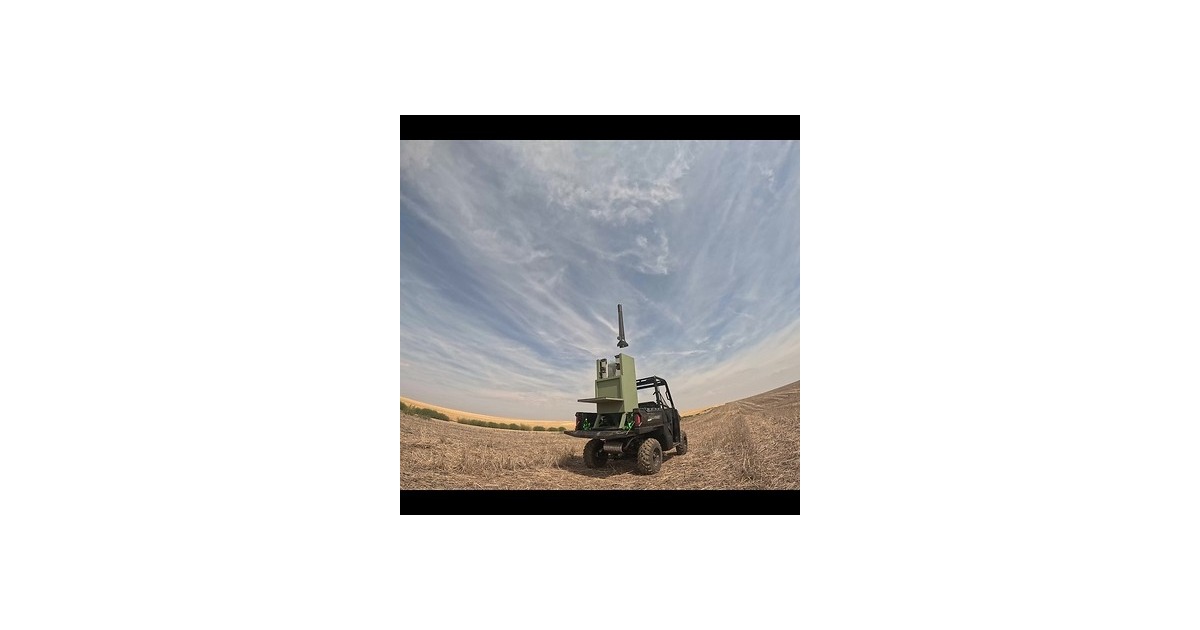
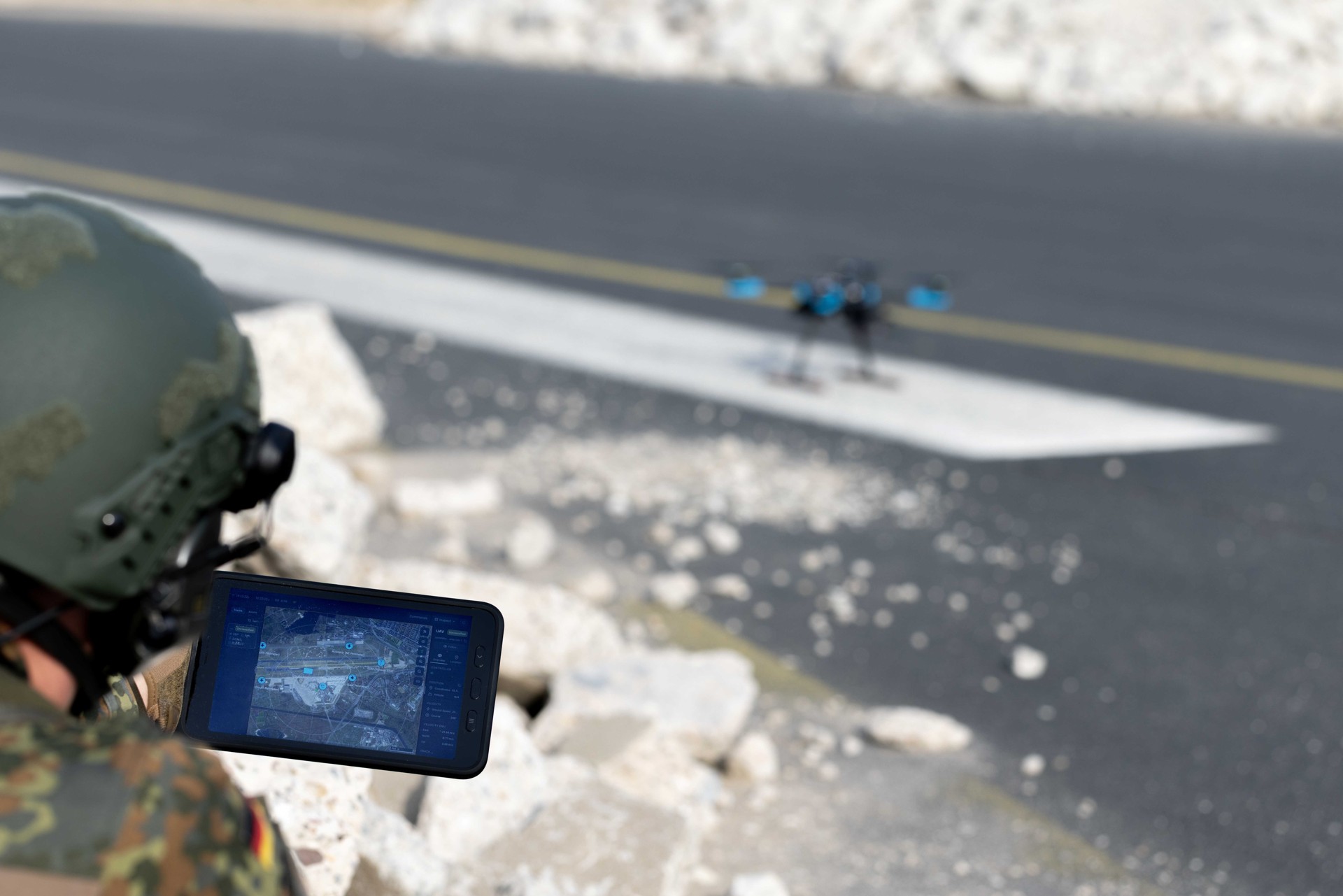
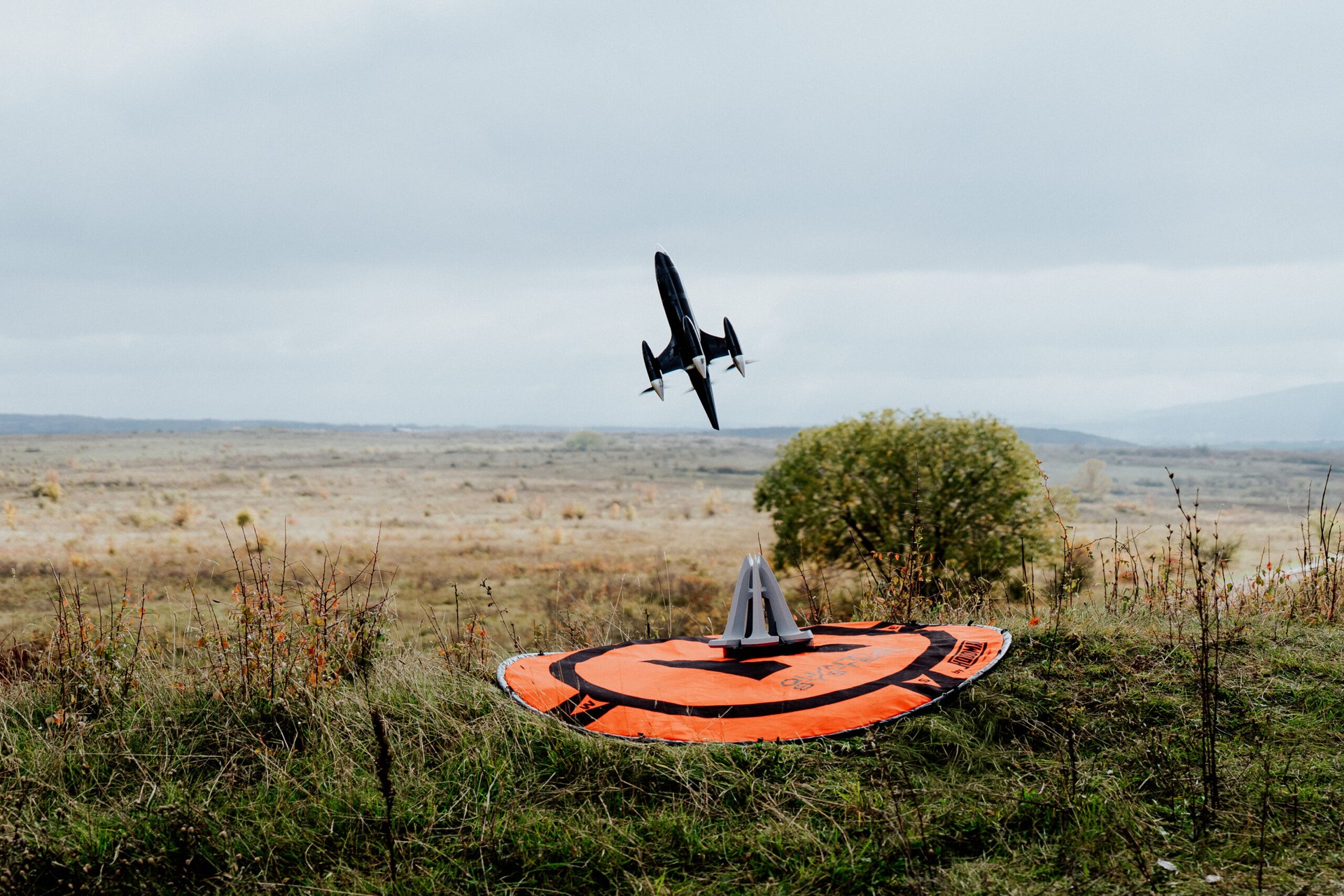
Quantum Systems’ October 22 account of Forward Edge 26 describes a two-week exercise at a German military training area. It identifies defense, convoy, port and mine-clearance scenarios connected through MOSAIC UXS, including remote control across continents. This is the supplier’s account of an exercise, not a published government acceptance decision or a statistically complete reliability assessment. Read the source account.
A common interface needs a common account of failures
The scenarios expose different information demands. A convoy may require continuous movement updates, while a clearance task requires a durable record of a finding and its location. Showing both in one interface is helpful, but the receiving operator still needs to recognize stale data, conflicting reports and lost communications. The announcement does not quantify those conditions.
Long-distance remote operation also needs the supervision arrangement attached to the claim. A control connection can cross continents while local staff handle safety, launch or recovery. The public account should not be read as proof that all supporting personnel were removed from the exercise location.
What would make the exercise result transferable
A customer can learn more from a scenario record than from a count of platforms on an exercise field. The record would identify the intended task, the participating systems and the information used to complete it. For example, a port-protection scenario could show how an observation became a track and how the operator assigned a follow-up task. This is an illustrative way to document a result, not a claim about the exact sequence Quantum Systems demonstrated.
Different domains also have different tolerances for delayed information. An aircraft may update its position frequently, while an underwater system may report after a longer disconnected interval. A shared operating picture must make those differences visible rather than presenting every symbol as equally current. The public exercise account does not provide an audit of those data-age and uncertainty displays. Their evaluation would help explain whether combining domains reduces the operator’s work or simply moves reconciliation into a new interface.
The exercise’s remote-control claim has a similarly specific interpretation. Distance demonstrates that a communications and control path can span locations under the tested conditions. It does not by itself establish resilience to every network interruption or remove local launch, recovery and safety tasks. A transferable result would identify both remote and local personnel, the communications arrangement and what happened when the connection degraded. Such reporting can give a successful long-distance demonstration more operational meaning without diminishing the engineering involved.
Finally, an exercise architecture changes as software and payloads change. Customers need a way to preserve the tested combination and understand which substitutions are routine. A common platform can make future integrations easier while still requiring a new check for each consequential interface change. The next assessment should therefore connect the exercise configuration to a supportable upgrade process. That would show whether the integration knowledge persists beyond the demonstration team and can become useful to personnel expected to operate the systems repeatedly.
A useful after-action account would also record how findings were retained for later review. An operator may recognize a problem during an exercise without having the data needed to reproduce it afterward. Versioned logs, observation timestamps and a clear account of human interventions can connect the demonstration to engineering improvement. These are proposed documentation criteria. They should not be confused with a claim that the exercise generated a publicly available dataset or that every participating system already shares one logging format.
The next milestone
The next useful evidence is a scenario-level record of tasks, interventions and degraded operation using identified configurations. Such results could show whether a shared architecture reduces integration work across domains. Forward Edge 26 provides a concrete demonstration setting; its wider operational value depends on what transfers beyond that bounded exercise.
What would change the assessment
Look for the next documented configuration, its test conditions and its support responsibilities. The current source establishes the announced stage; later results should identify what changed.
This analysis draws on the public sources linked in the text. Send corrections to [email protected].