A military humanoid has to earn its place through the work it completes. Stronger joints, better environmental protection and a more capable control system can widen the tasks worth attempting, but the buyer ultimately needs a dependable service. Foundation's Phantom MKII presentation is a useful opportunity to separate those layers. Our assessment is that the visible hardware tests strengthen the case for further evaluation while leaving complete-mission reliability as the central procurement question.
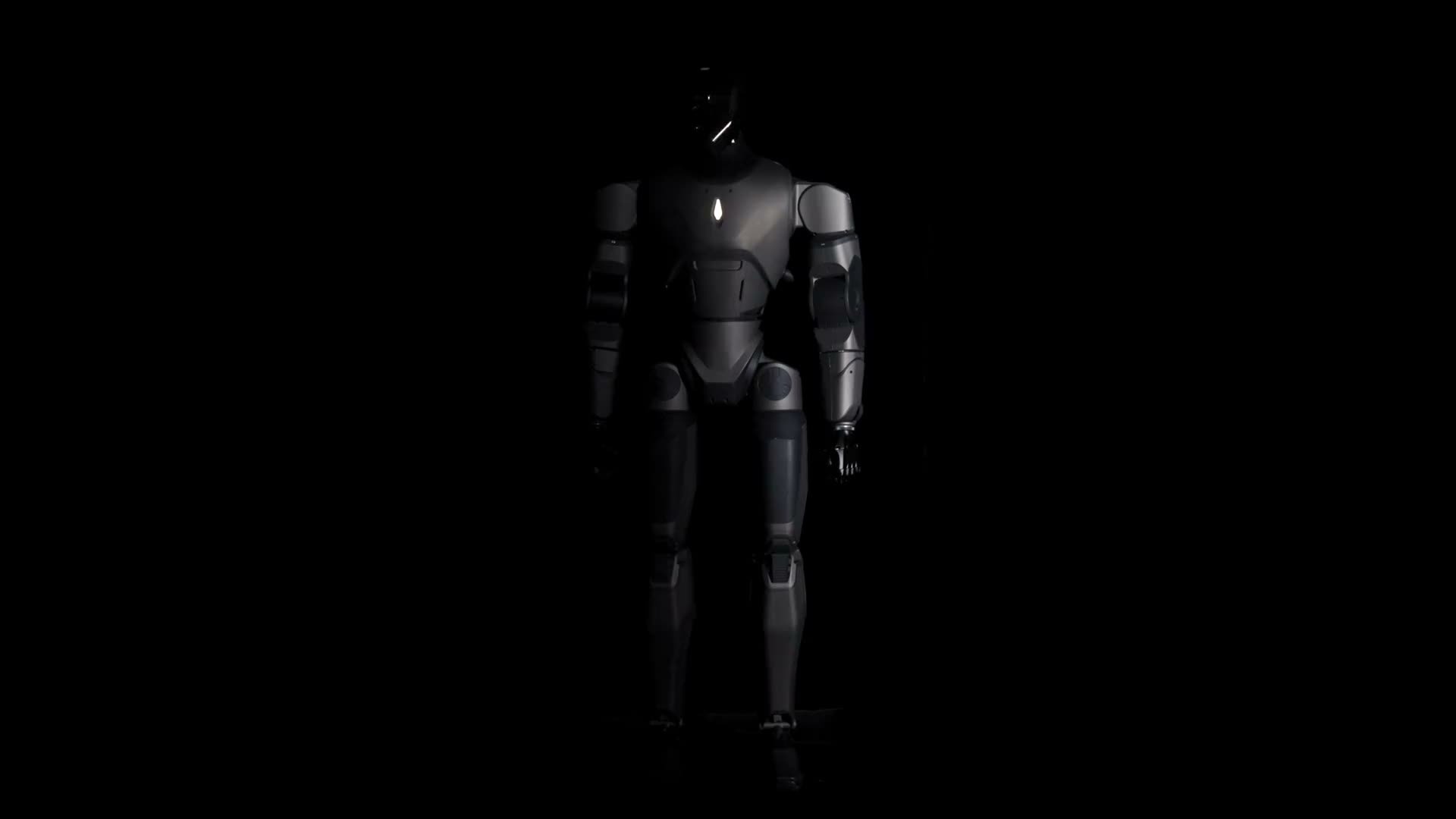
Foundation's current launch material presents Phantom MKII alongside its Cortex II intelligence system. The company shows a payload test on a lifting stand and exposure to dust and water. It identifies heavy industry and defense among its intended applications. These are supplier demonstrations with defined visible content. They do not establish an independently verified rate of successful military missions or an accepted deployment configuration.
A component test answers a component question
A payload test can reveal something useful about a robot's ability to support a load in the demonstrated arrangement. It cannot, by itself, tell a buyer how reliably the machine moves that load through an entire working environment. Walking, grasp changes, visibility and recovery introduce additional conditions. Treating these as separate acceptance questions improves the value of the demonstration because it makes the next experiment easier to define.
Environmental exposure warrants the same discipline. A visible dust or water sequence establishes what the footage shows. A sustained operating envelope would require a protocol covering duration, conditions, maintenance and subsequent performance. We would not infer a particular environmental certification from the launch film. A buyer should seek the applicable test documentation for the exact version being offered.
Human-shaped tools create an integration argument
The attraction of a humanoid is partly its potential to use spaces and equipment already designed around people. If that works, a customer might avoid redesigning every work area around a specialized machine. That is a plausible architectural advantage, rather than a universal reason to choose legs and hands. The relevant comparison is a defined task performed by the humanoid, a simpler robot and the existing human workflow.
For defense logistics, the cost of an unsuccessful attempt also matters. A robot may complete a laboratory task after several recoveries, yet still be unsuitable for a work sequence with limited time or access. Evaluation should record assistance, resets and unfinished tasks alongside successes. This would show whether an apparent labor saving reflects a useful autonomous skill or substantial work transferred to another operator.
Supportability belongs in the first trial
A customer evaluating the platform should identify the task, environment and authority boundary before selecting a demonstration. The record should distinguish what the robot does independently, what the operator approves and what a technician repairs. This is especially important when hardware and intelligence are presented together: an improvement attributed to a model may depend on a changed gripper, fixture or task setup.
The same trial can reveal whether a general platform actually reduces integration effort. A machine that accepts familiar tools may still need extensive calibration and carefully prepared demonstrations. That work is not a defect by definition; it is part of the acquisition and sustainment burden. Making it visible allows comparison with existing equipment and protects a promising capability from exaggerated expectations.
The next persuasive evidence would be a bounded task series, conducted in representative conditions, with the full denominator of attempts and a clear account of assistance. Foundation's launch provides a starting point for that evaluation. We would judge progress by the distance between the visible tests and a task that a military customer can repeatedly commission, supervise and recover.
Sources and media credits
Foundation’s Phantom MKII launch image. Supplier product context; not independent mission validation. Image: Foundation
This analysis draws on the public sources linked in the text. Send corrections to [email protected].