An intelligence observation is useful only if the right people can receive and act on it. When a communication service is disrupted or its operating terms change, access to sensing alone may not preserve the wider workflow. That makes control of the communications layer a separate issue from ownership of a satellite image or sensor.
ICEYE and Nokia announced on October 1 that they would jointly develop sovereign broadband low-Earth-orbit satellite communications systems for governments. They describe national ownership and control of satellites, the ground segment and terminals, with the first communications-satellite launches expected in 2028. This is a planned communications capability, not a new operational radar-imaging service. Read the primary announcement.
Control has several layers
The proposed system would complement existing military and commercial networks, according to the companies. That framing matters: the announcement is not a claim to replace every current communications service. It describes an intended combination of space infrastructure, ground systems and user equipment, with customers retaining national control.
Ownership does not alone establish availability, capacity or resistance to disruption. A government's practical control also depends on how the service is operated, maintained and updated. The release does not provide completed constellation tests, independently measured latency or an operational service-level record. Its resilience and performance statements are development aims.
What can be decided before launch
The near-term contribution is a defined industrial partnership and a stated architecture for customers to examine. A prospective buyer can clarify which responsibilities and rights would remain national, which functions depend on suppliers and how the proposed network would connect to existing systems. These are planning questions, not evidence that a particular government has already procured or accepted the system.
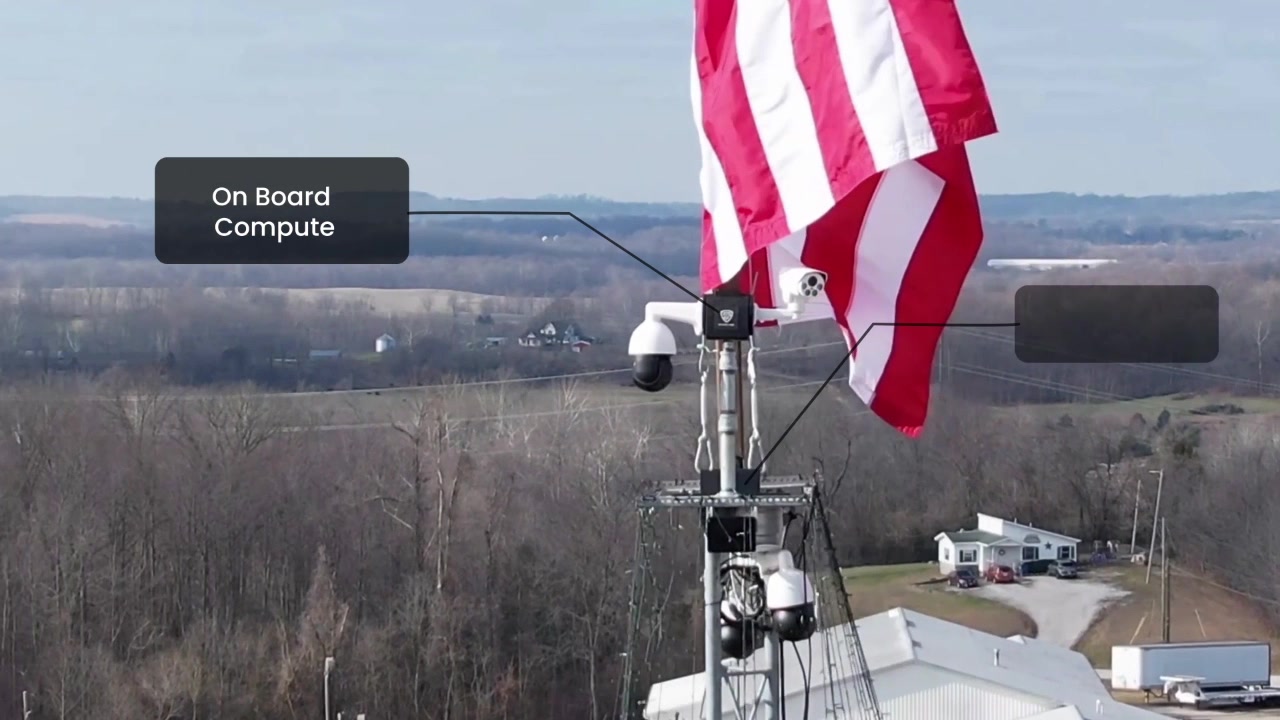
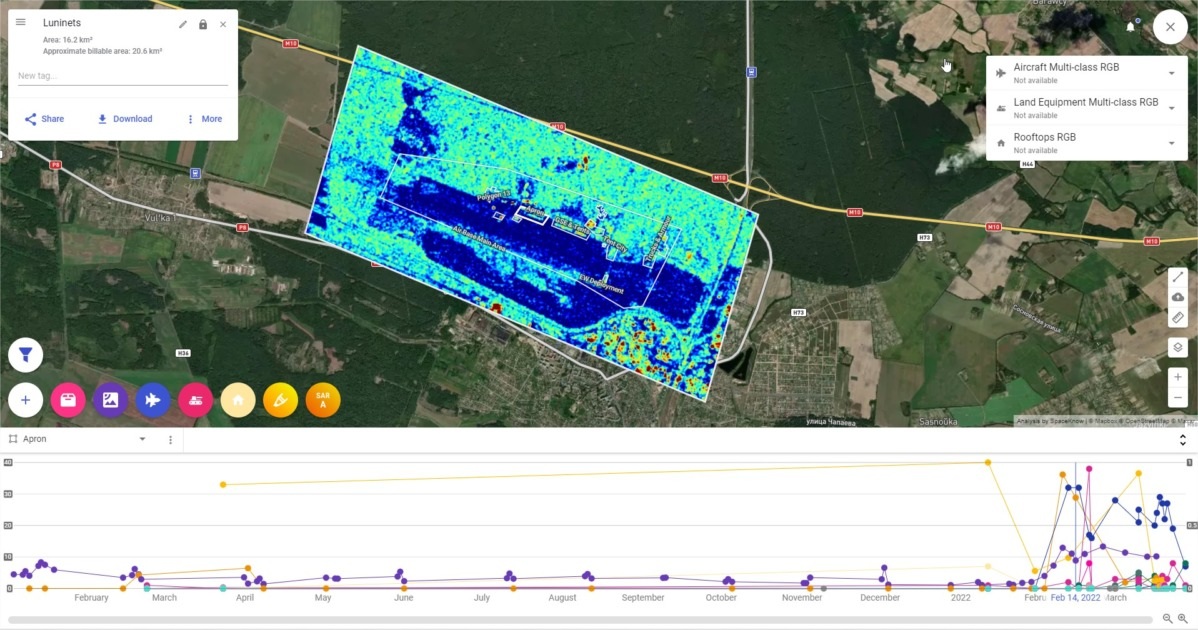
The separation from ICEYE's established sensing business is also important for readers. A record of delivering radar satellites can be relevant experience, but it does not automatically validate a new communications constellation. Different service claims need evidence from the system to which those claims refer. The imagery accompanying the announcement is not proof of a live network.
A national system still depends on interfaces
The proposed ownership model raises useful questions about the boundary between control and support. A customer may own equipment while relying on a supplier for updates, specialist maintenance or replacement components. Those dependencies are not necessarily inconsistent with national control, but they need to be defined. The release does not publish a complete customer operating agreement, so the extent of any particular nation's future dependence cannot be inferred from the partnership alone.
Complementing existing networks also requires an intelligible handoff. An organization needs to know which service is available, what information can pass between systems and which team handles an interruption. A new communications layer can add options while also adding integration work. The practical resilience benefit will depend on the resulting service, rather than the presence of another network in a diagram.
The 2028 expectation leaves several evidence stages between announcement and use. Development progress, customer commitments, launches and operational validation would each answer a different question. Keeping those stages separate prevents an infrastructure plan from becoming an implied present-day capability. It also gives future reporting concrete milestones against which to assess whether the proposed control arrangement becomes a reliable communications service.
A possible change in infrastructure dependence
If the partners deliver the planned infrastructure and governments can operate it as described, national ownership could create another option for priority communications. Its value would still depend on coverage, terminals, support costs and compatibility with other networks. Sovereignty describes the control arrangement; it does not guarantee a superior technical outcome.
The next evidence is a specific development or customer milestone, followed by the targeted 2028 launches and service validation. For intelligence and autonomous systems, the wider issue is continuity across sensing, communication and human decisions. Each link needs its own measured operating record before the complete chain can be called dependable.
Sources and scope
Official organizations: ICEYE, Nokia. Primary source, 2026-10-01. Manufacturer results and plans remain attributed; this publication did not independently test the equipment.
What would change the assessment
The next evidence is a specific development or customer milestone, followed by the targeted 2028 launches and service validation. For intelligence and autonomous systems, the wider issue is continuity across sensing, communication and human decisions. Each link needs its own measured operating record before the complete chain can be called dependable.
This analysis draws on the public sources linked in the text. Send corrections to [email protected].