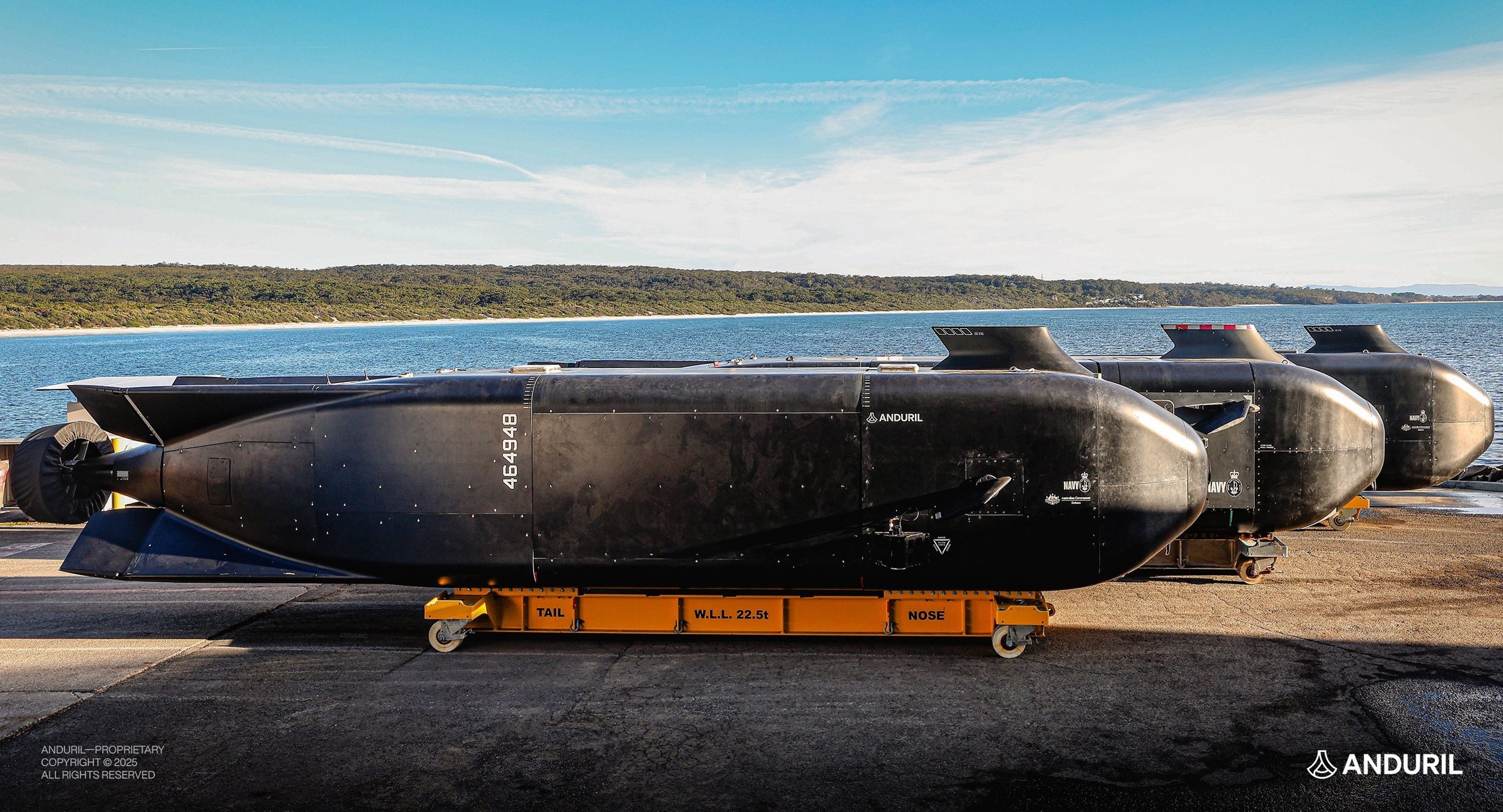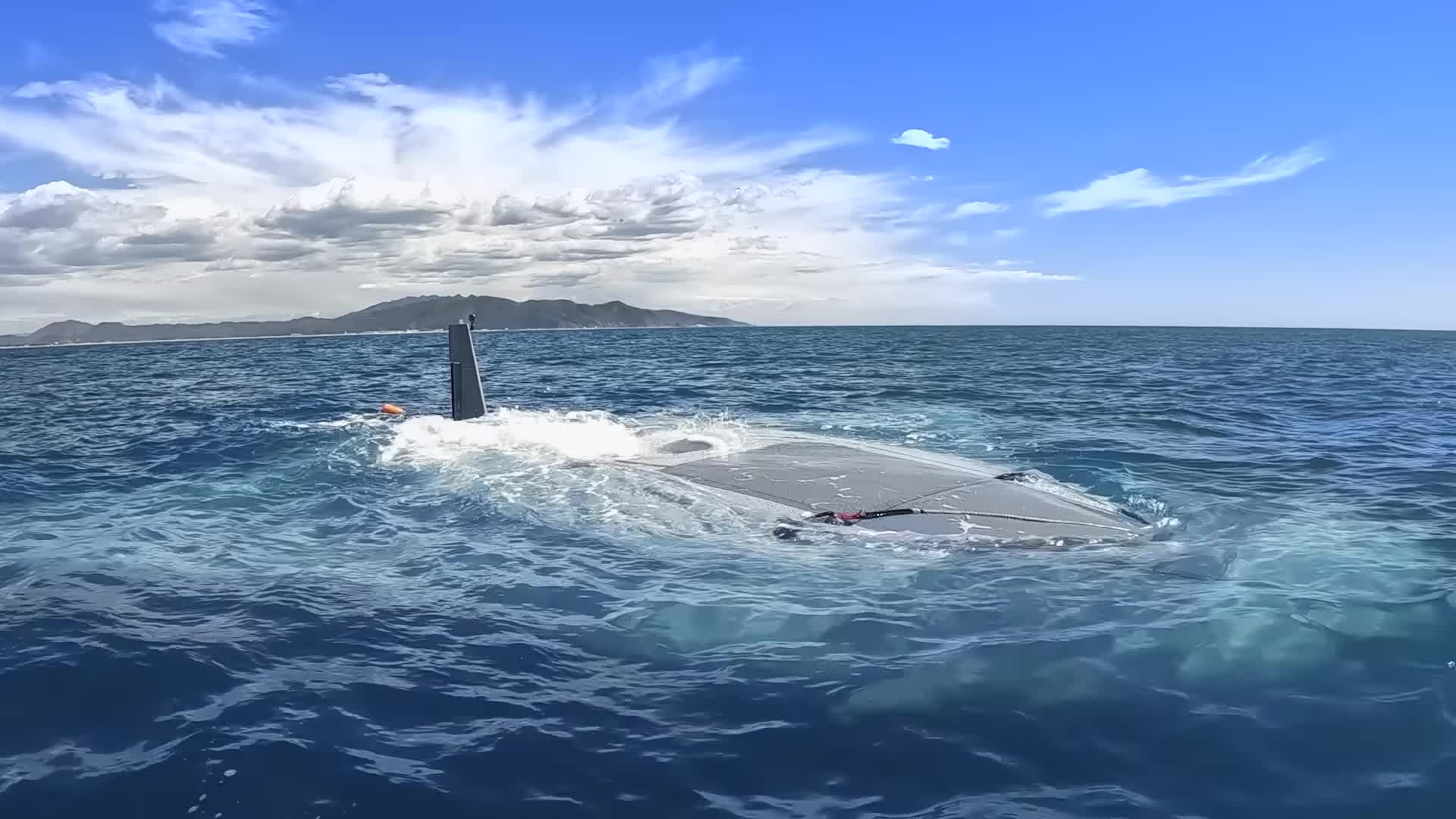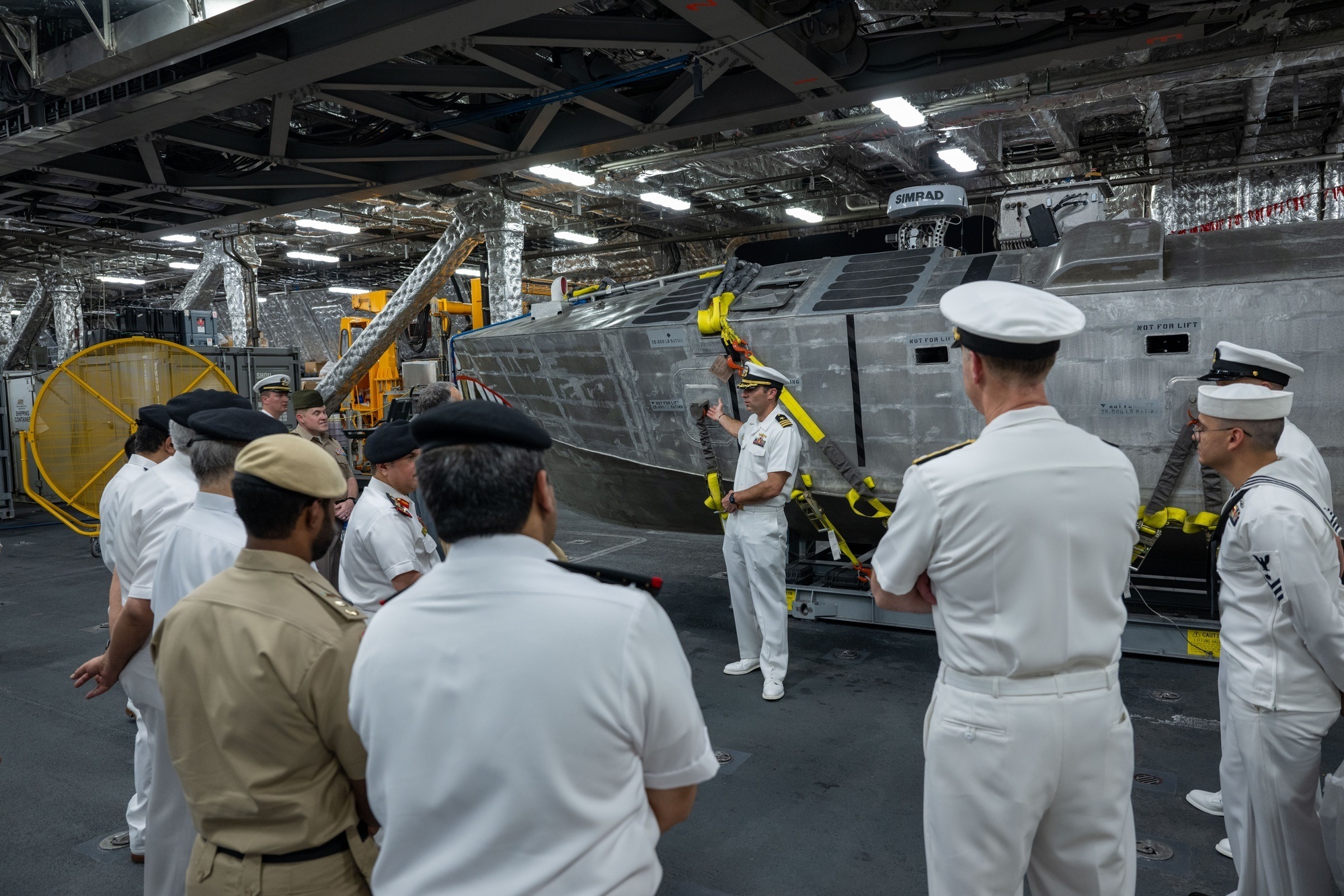
Finding a suspicious object underwater does not reopen a shipping lane. Someone must decide what it is, locate it precisely enough for follow-up, neutralise the threat and establish what area can be used. Uncrewed mine warfare can move people away from danger. Effectiveness depends on completing this chain rather than collecting impressive sonar pictures alone.
USNI News reported the first operational Littoral Combat Ship mine-package deployments in March 2025. That followed the Navy’s May 2023 initial operational capability announcement. The package combines uncrewed systems, helicopter capabilities and support equipment. These are dated programme milestones, not a public guarantee of clearance speed against every mine and seabed.
A contact has to survive the handoff
Mine countermeasures, or MCM, includes different approaches. Hunting seeks and identifies objects; sweeping attempts to trigger mines through representative signatures; neutralisation deals with a located threat. Each answers a different question. A programme can combine them, but its performance account must identify the operation performed and what the resulting evidence allows a commander to conclude.
Position accuracy matters at the interfaces. A sonar image may show a probable mine while the follow-up vehicle searches the wrong patch of seabed. The problem could be navigation, uncertain object location or a coordinate conversion. Calling the whole episode a detection failure sends engineering effort to the wrong place. A mission record should connect the original observation to the follow-up search.
Classification influences workload too. A system marking many harmless objects as threats increases follow-up time even if it rarely misses a suspicious shape. A strict filter may reduce workload while missing unfamiliar objects. The useful trade is specific to the mission: what confidence is needed before a contact is ignored, investigated or acted on?
The host ship remains part of the capability. Launching equipment, recovering it and supporting operators consume time and resources. Keeping the ship farther from danger must be compared with how efficiently it manages these cycles. Vehicle speed alone cannot establish the time required to make a route usable or the number of people needed to sustain the process.
Deployment creates a different test
Operational deployment is more informative than a laboratory integration event because equipment must work through ordinary support demands. It still does not publish every result. The milestones cited here leave questions about availability, repeated false contacts and recovery workload unanswered. That uncertainty should remain visible rather than being filled with assumptions about success or failure.
A useful assessment would track time from first observation to a documented clearance decision, with causes of delay separated. It would retain contacts later judged harmless and attempts requiring assistance. The record could identify whether the constraint was coverage, interpretation, vehicle availability or the connection between stages. This proposed measure is broader than counting detected mines.
There is a countercase to demanding complete certainty. In urgent operations, commanders may choose a limited clearance approach suitable to a particular threat and route. Complete assurance across a large area may be impossible. The operational decision should state which risk was reduced and which uncertainty remains, rather than treating every completed sortie as equivalent proof of safe passage.
This matters when comparing vendors. A supplier can improve its individual sensor without reducing the overall clearance time if follow-up capacity is already saturated. The buyer needs to understand the bottleneck before adding more detection. Sometimes a better interface, a faster recovery procedure or more interpretation capacity could be worth more than another capable sensor vehicle.
Following the clearance evidence
A clearance decision is an accumulation of evidence. Survey coverage establishes where a team has looked; classification records explain why an object is suspicious; a later action addresses that particular object. If those records lose their location reference or confidence during a handoff, the next vehicle may need to repeat work. A fast individual sensor can therefore coexist with a slow overall clearance process. This is an analytical consequence of the sequence, rather than a measured delay reported for the package.
An informative exercise would track one representative area through every stage and preserve unresolved contacts instead of quietly dropping them from the result. It would report where operators needed to reconcile records manually. That exposes integration work which can disappear when each subsystem is demonstrated separately under favourable conditions.
Readers should consequently ask what the declared outcome means. Completing a survey, investigating a contact and establishing a usable route are different achievements. The package matters when its components make the final operational judgement easier to defend, not simply when more of its individual steps can be performed without a person beside the vehicle.
What would change the assessment
Evaluate time to evidenced clearance, including false contacts and launch-and-recovery workload.
The wider impact
Deployment makes unmanned mine warfare an operational support problem as well as an engineering one. The larger value would be a repeatable path from uncertain underwater evidence to a usable route with fewer people exposed. Assessing that path end to end shows where the next investment belongs. Better sensors help only if findings reach the next vehicle and commander with enough accuracy to support the required decision.
This analysis draws on the public sources linked in the text. Send corrections to [email protected].