A drone camera depends on components that rarely appear in the headline description of an autonomous system. Optics must be manufactured and accepted consistently before a larger sensing fleet can be supported. An order at component level can therefore matter without establishing the performance of the aircraft that eventually carries it.
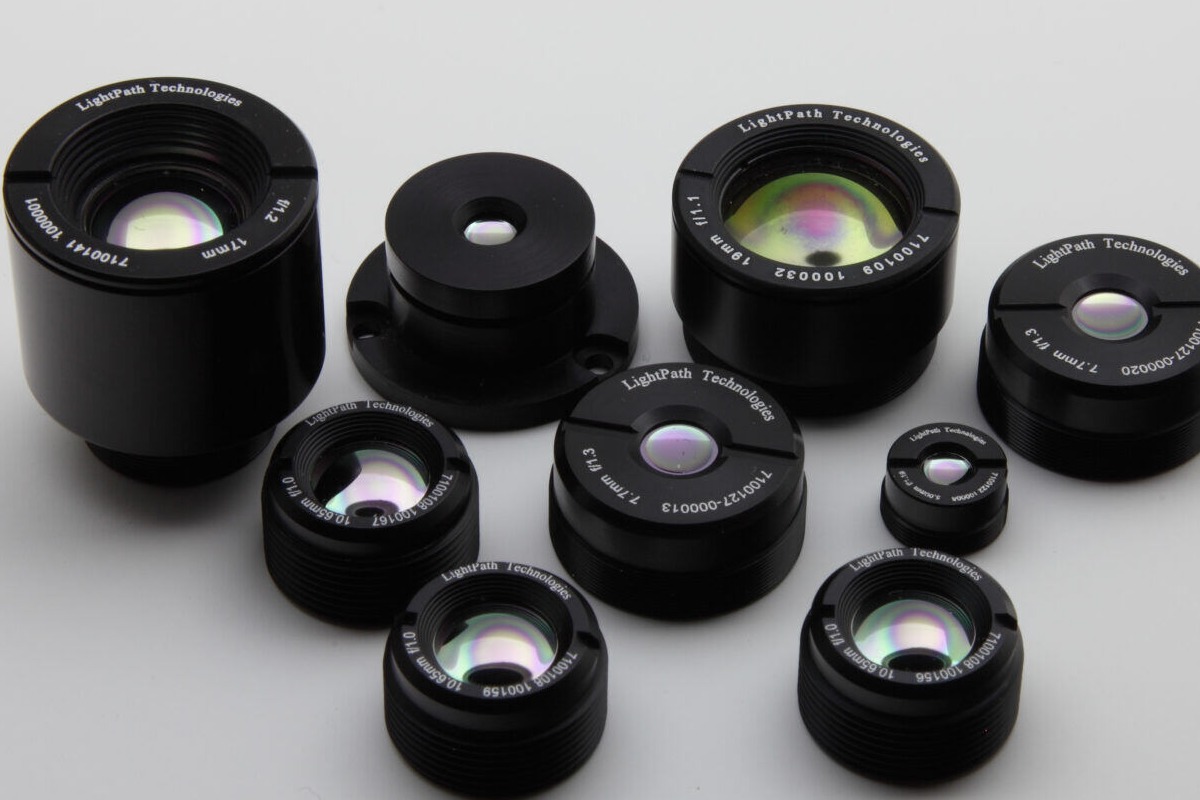
LightPath Technologies announced on October 27 that it received an order for more than 50,000 optical assemblies for drone camera systems. The customer and order value were not disclosed. This is order intake reported by the supplier, not a confirmation that the assemblies have all been delivered or that a particular drone fleet is operational. Read the original announcement.
Unit counts need an acceptance boundary
An optical assembly is not a complete camera or an aircraft. Converting one count into another would require configuration details that the announcement does not provide. The same caution applies to inferring a mission role from an unnamed customer’s purchase.
The useful production question is how accepted output develops over time. Manufacturing throughput, yield, delivery schedules and customer acceptance are distinct measures. A large order creates work to perform; it does not reveal how quickly that work can be completed at the specified quality.
Consistency matters beyond the factory
For a system integrator, components need to behave consistently enough for the assembled camera to meet its requirements. That assessment includes the particular sensor, installation and calibration process. Component supply can remove one constraint while leaving processing, power, communications or support as the next limitation.
The immediate implication is a disclosed volume commitment in a part of the drone supply chain. A buyer or partner can monitor subsequent delivery and acceptance milestones rather than assume that announced demand already equals fielded capacity. The absence of a disclosed customer also limits independent confirmation of the end use.
A supply-chain account needs several denominators
Consider an illustrative production month in which a supplier completes a batch, sends it to an integrator and receives acceptance for only part of it before the reporting period ends. Units manufactured, units shipped and units accepted are all real measures, but they answer different questions. A reader needs the correct denominator before turning a capacity statement into an estimate of equipment ready for use.
Quality records matter beyond a simple accepted-unit count. An integrator may need consistency across batches so that calibration, servicing and replacement remain manageable. A useful public production account could explain the acceptance boundary and whether the delivered components met the intended specification, while protecting proprietary manufacturing details. No such results are established by the order announcement alone.
The undisclosed customer adds a second limit. Without its identity or configuration, an external reader cannot link the assemblies to a particular aircraft, operating organization or mission result. It would be especially misleading to infer that an order for optics establishes autonomous detection accuracy. Camera processing, training data, system integration and the operating environment would all require their own evidence.
For the broader industry, repeatable component deliveries can be a less visible constraint than final assembly. A stronger follow-up would connect demand, production and acceptance over a stated period. That would help distinguish a temporary order spike from a sustained manufacturing capability. The present release offers a concrete demand signal, while the conversion of that signal into accepted sensing hardware remains the milestone to watch.
For procurement reporting, an undisclosed order should also remain distinct from a forecast of sector-wide demand. One supplier’s announced customer commitment cannot establish the requirements of every drone program. A series of accepted deliveries and documented repeat orders would provide a stronger basis for discussing durable capacity. The present announcement is useful because its limited claim can be tracked against later disclosures.
A stronger production account would connect stages
If LightPath converts the order into repeatable accepted deliveries, the development could demonstrate capacity that matters to camera integrators. The next evidence is a dated account of delivered output and its acceptance conditions, with customer confirmation where confidentiality permits. Until then, the order is evidence of demand for optical assemblies rather than a validated intelligence capability.
Source organization: LightPath Technologies.
This analysis draws on the public sources linked in the text. Send corrections to [email protected].