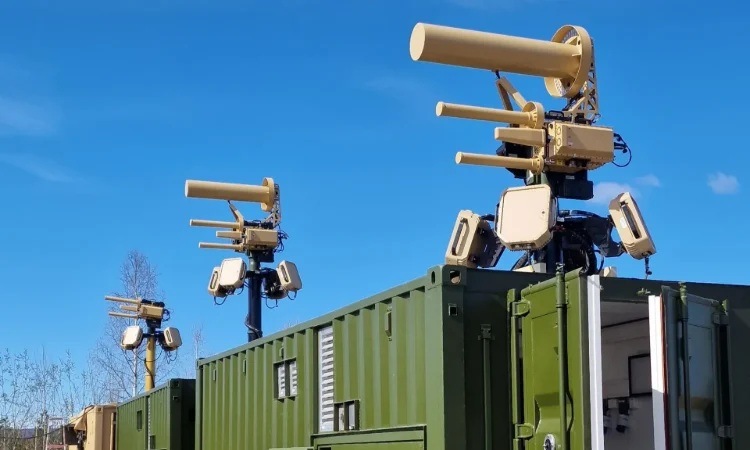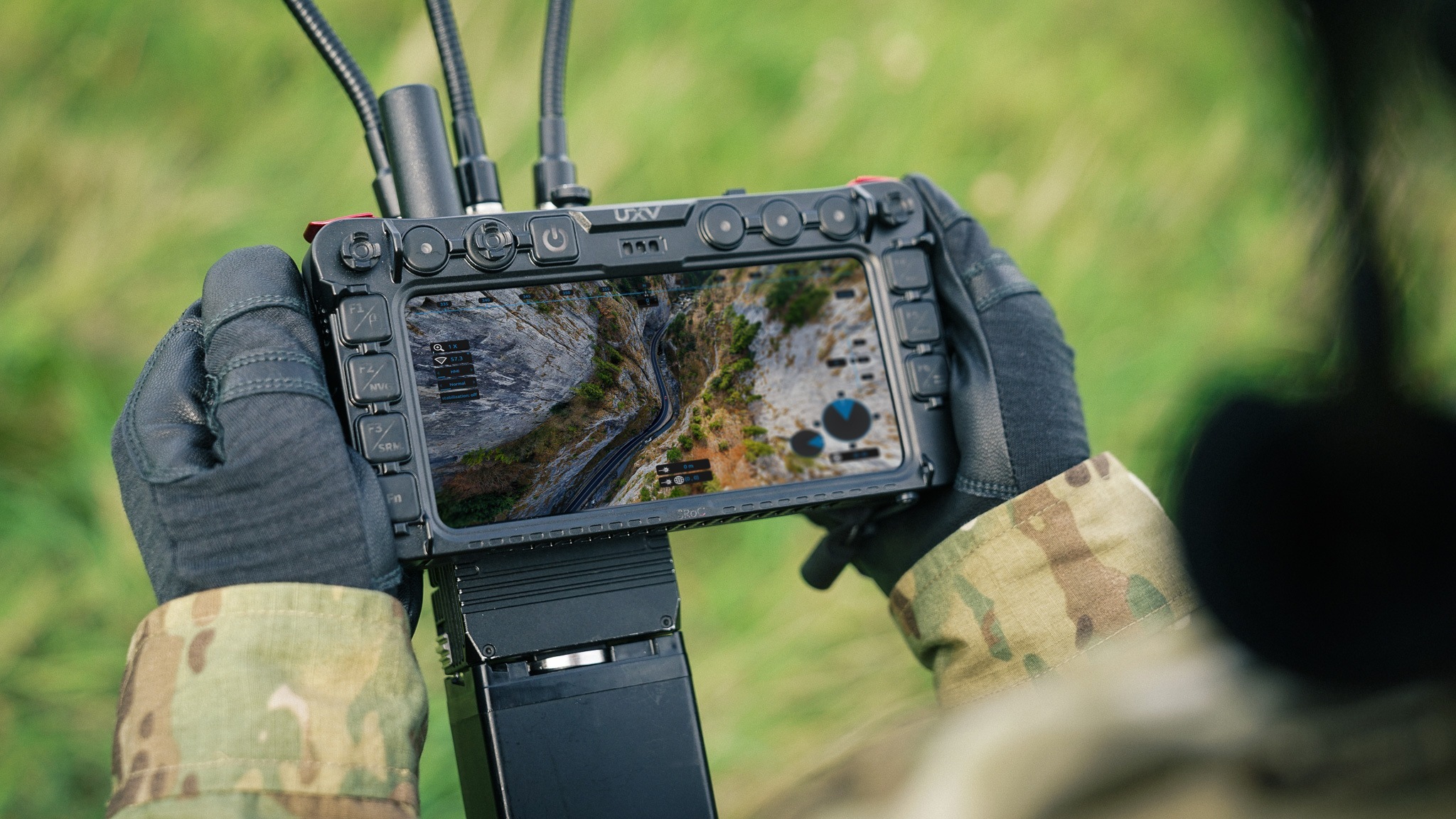
Fuel distribution is a useful test of military autonomy because movement alone does not complete the job. A recipient needs the right supply, a usable transfer and confidence about what has arrived. Neya Systems' new award addresses that complete chain across water and land. Our assessment is positive about the integration focus: distributing the work across different vehicles could reduce personnel exposure, provided supervision remains manageable when the sequence is interrupted.
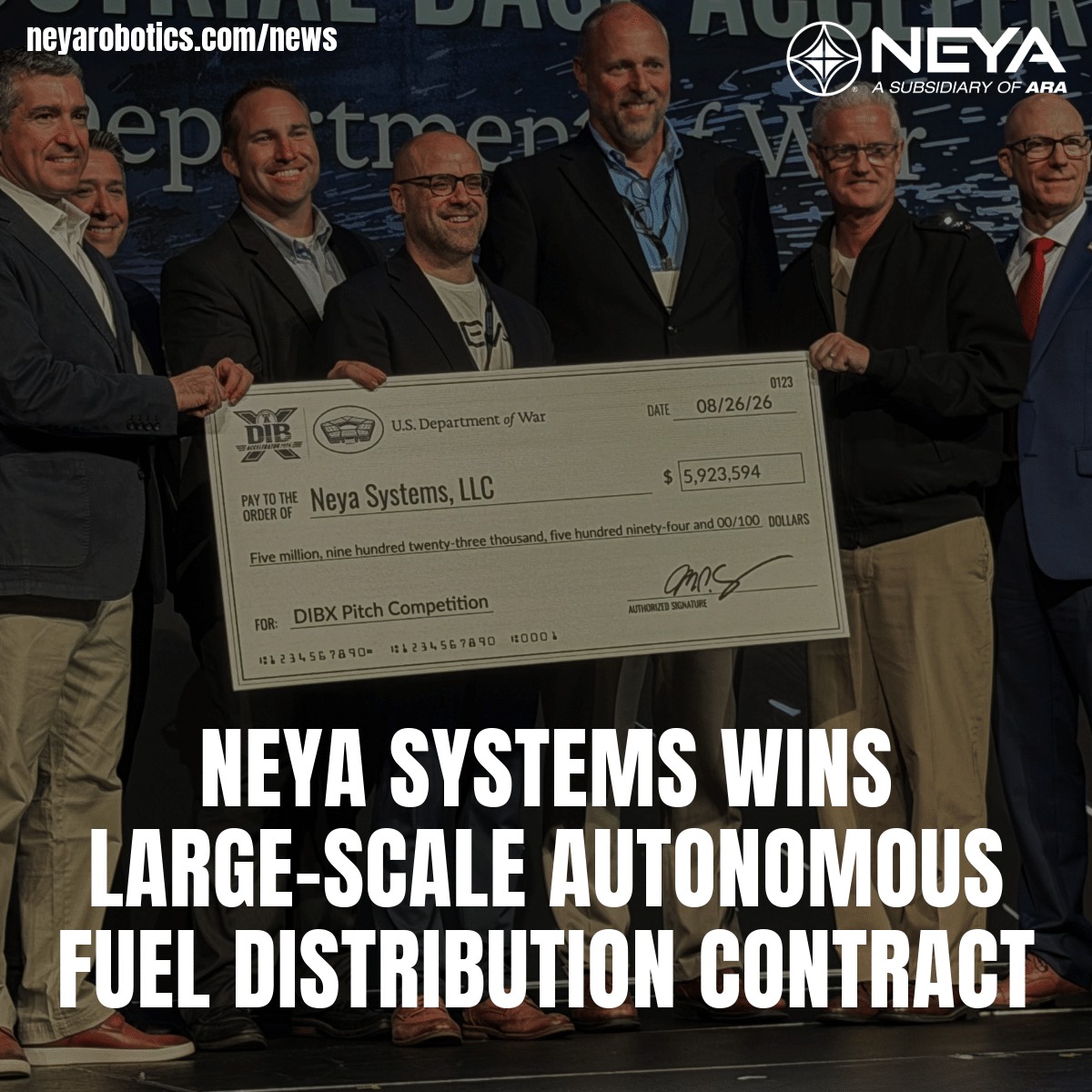
Neya's company announcement describes a $5.9 million award involving Textron Systems and AM General. Its N-Drive software and Mission Planning and Management System would coordinate fuel-carrying surface and ground vehicles. The intended arrangement places several assets under one operator. This is a funded development and delivery commitment; the announcement does not publish an independently measured operating record for the combined service.
The transfer connects two different kinds of autonomy
The proposal combines Textron's TSUNAMI surface vehicles with AM General ground vehicles. Neya describes a shore transfer between the two. That interface deserves as much attention as either platform's navigation. A successful journey on the water can still leave the recipient waiting if the next vehicle, connection or transfer process is unavailable. Fleet software needs to report the state of the delivery, rather than simply displaying several moving icons.
The single-operator ambition is consequently a claim about exception handling. When every asset proceeds normally, supervision can look economical. The harder measurement is what happens when two assets need attention together. A useful acceptance record would distinguish routine monitoring, decisions that require an operator and tasks that still require people at either end. Those categories expose where labor and responsibility actually move.
Distributed vehicles do not remove shared dependencies
Our inference is that separating loads may improve flexibility, but only if the service can accommodate a missing vehicle without losing its understanding of the remaining work. The important questions concern status, recovery and the authority to change a plan. They can be tested without publishing sensitive operating details. Buyers can ask whether delivery records remain consistent and whether personnel receive a clear explanation of incomplete work.
The strongest objection is that integration can make a logistics system harder to support. Different platforms bring different maintenance, training and software-update requirements. A common operator interface is useful, but it does not establish common spare parts or interchangeable technicians. The procurement case should therefore identify which organization owns a fault that crosses vehicle, software and transfer boundaries.
Judge the service by useful deliveries
The first practical beneficiary would be the organization responsible for maintaining supply while limiting avoidable human exposure. Its baseline should be the existing delivery workflow under comparable conditions. Counting vehicle miles would omit the final handover; counting dispatched missions would omit those that never complete. A more useful account connects each accepted requirement with delivered quantity, elapsed time and the work required to recover interruptions.
Costs should include the people who prepare, inspect and maintain the fleet. Moving a person away from a hazardous journey is valuable even when the total headcount does not immediately fall. Conversely, a nominally autonomous mission that requires frequent intervention may increase specialist workload. These are different outcomes and should remain visible in reporting.
The next milestone is an integrated acceptance account showing how the surface vehicles, ground vehicles and mission software complete the same delivery task. Neya's award makes that test concrete. A repeatable service, including its unsuccessful and interrupted missions, would be stronger evidence of military utility than another isolated autonomy demonstration.
The award starts a development obligation. Its value should be assessed against the accepted delivery milestones rather than the announcement alone.
Sources and media credits
Neya’s award announcement artwork; not evidence of an accepted fuel-distribution system. Image: Neya Systems
This analysis draws on the public sources linked in the text. Send corrections to [email protected].