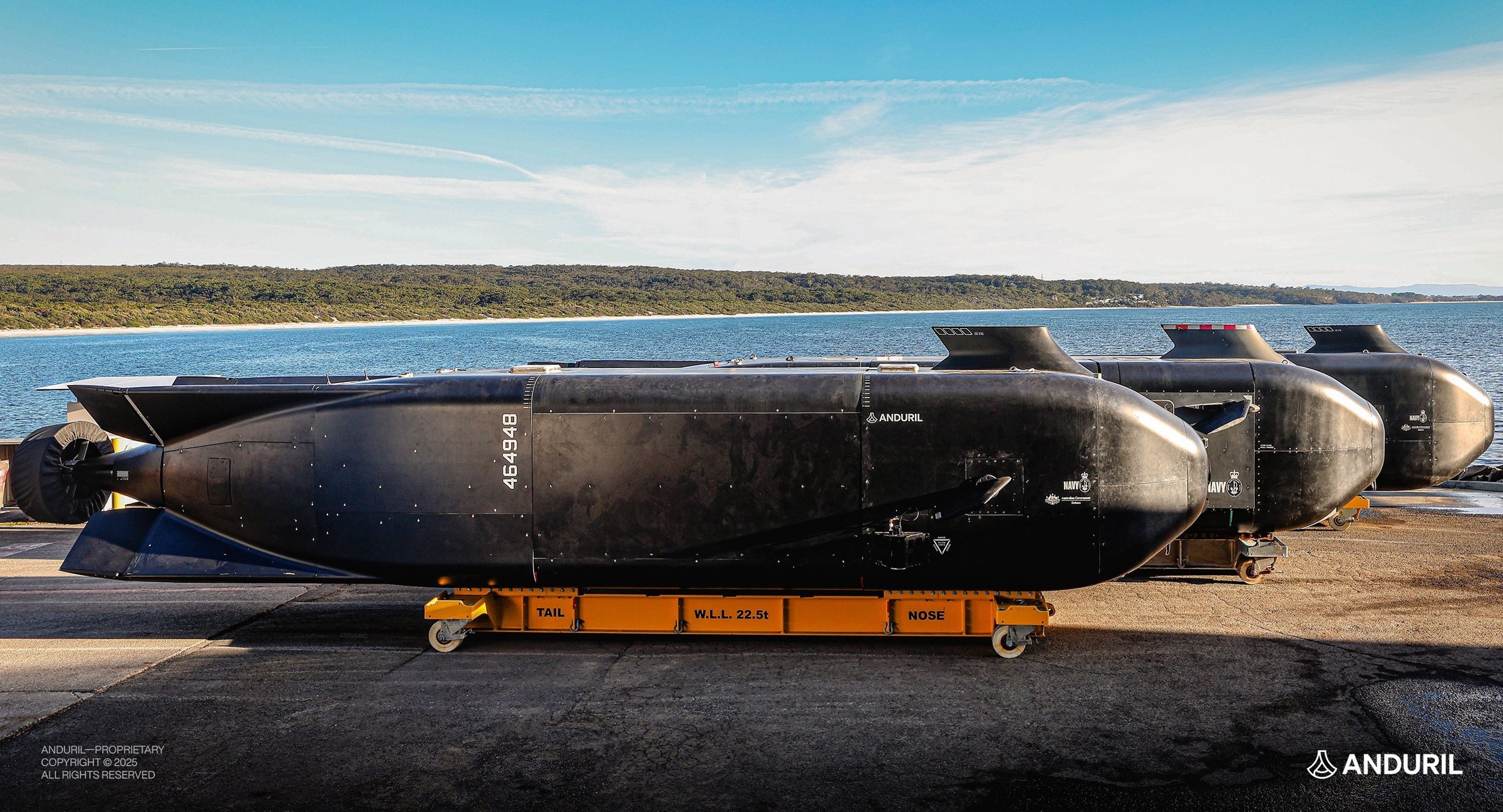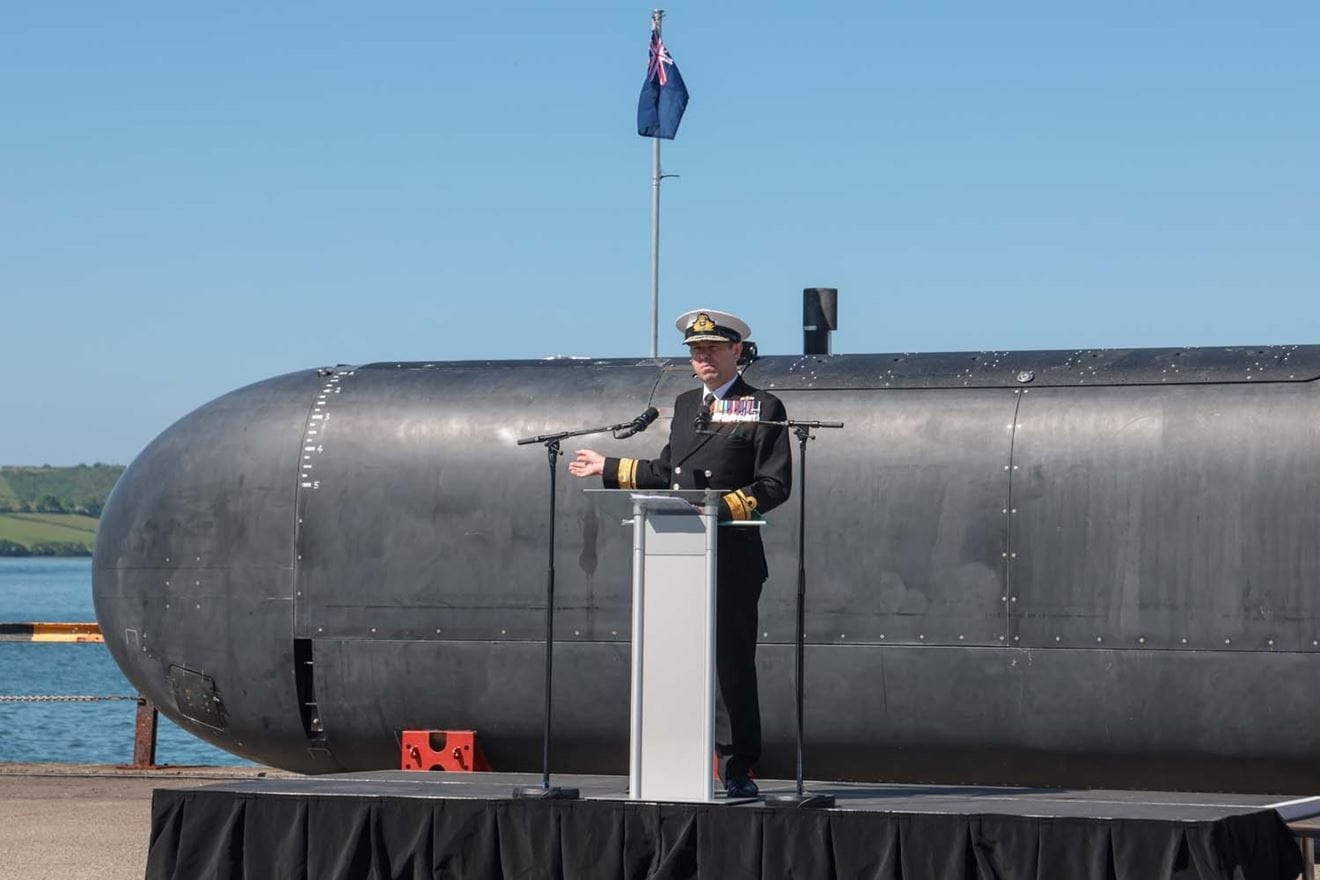
A ship built for people includes places for them to live, move and reach equipment. An uncrewed design can omit some of that structure. Those savings may make a simpler vessel possible, but they also remove the person who hears a new vibration, inspects a leak or repairs a component underway. NOMARS tests both sides of that architectural bargain.
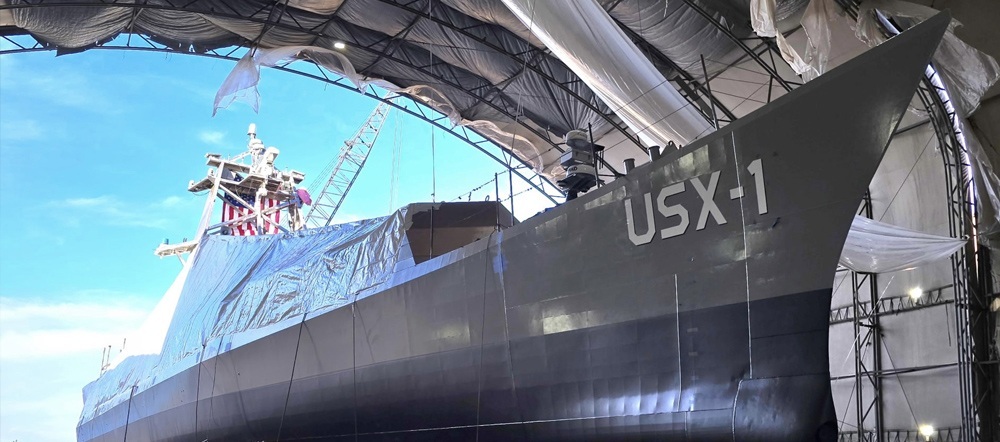
DARPA’s August 11, 2025 christening announcement describes Defiant as a purpose-built ship with no accommodation for people. TWZ examined the design two days later. The stated programme goal is dependable operation without onboard maintenance. A christening and design account do not themselves prove the promised reliability over a complete operating cycle.
Removing passages changes maintenance
If nobody needs to walk through the hull at sea, equipment arrangement can be driven more directly by machinery and production needs. The choice can simplify some construction. It also raises a support question: how does a technician reach a failed component when the ship returns? At-sea access and in-port access are different design requirements, and both influence availability.
Fault tolerance means continuing a useful function despite a failure, rather than assuming failures never occur. A vessel might isolate a faulty component, switch to another resource or reduce its mission. The relevant result is what it can still do and how confidently it knows its condition. A system that silently degrades may be more difficult to command than one that stops and clearly reports the problem.
That makes instrumentation important. The machinery-control system needs enough evidence to distinguish a manageable change from a fault requiring recovery. A human crew supplies informal observation as well as manual repair. Replacing the repair without replacing the observation can leave the remote operator unsure which apparent normal states are trustworthy. The programme’s broad autonomy label does not answer that diagnostic question.
There is also a difference between mission survival and mission completion. A vessel can return safely after a fault while failing to deliver its payload’s intended work. That return is valuable, but should not be counted as an undiminished mission success. A reliability record should preserve reduced-capability operation and the decisions that led to it.
Watch the footage
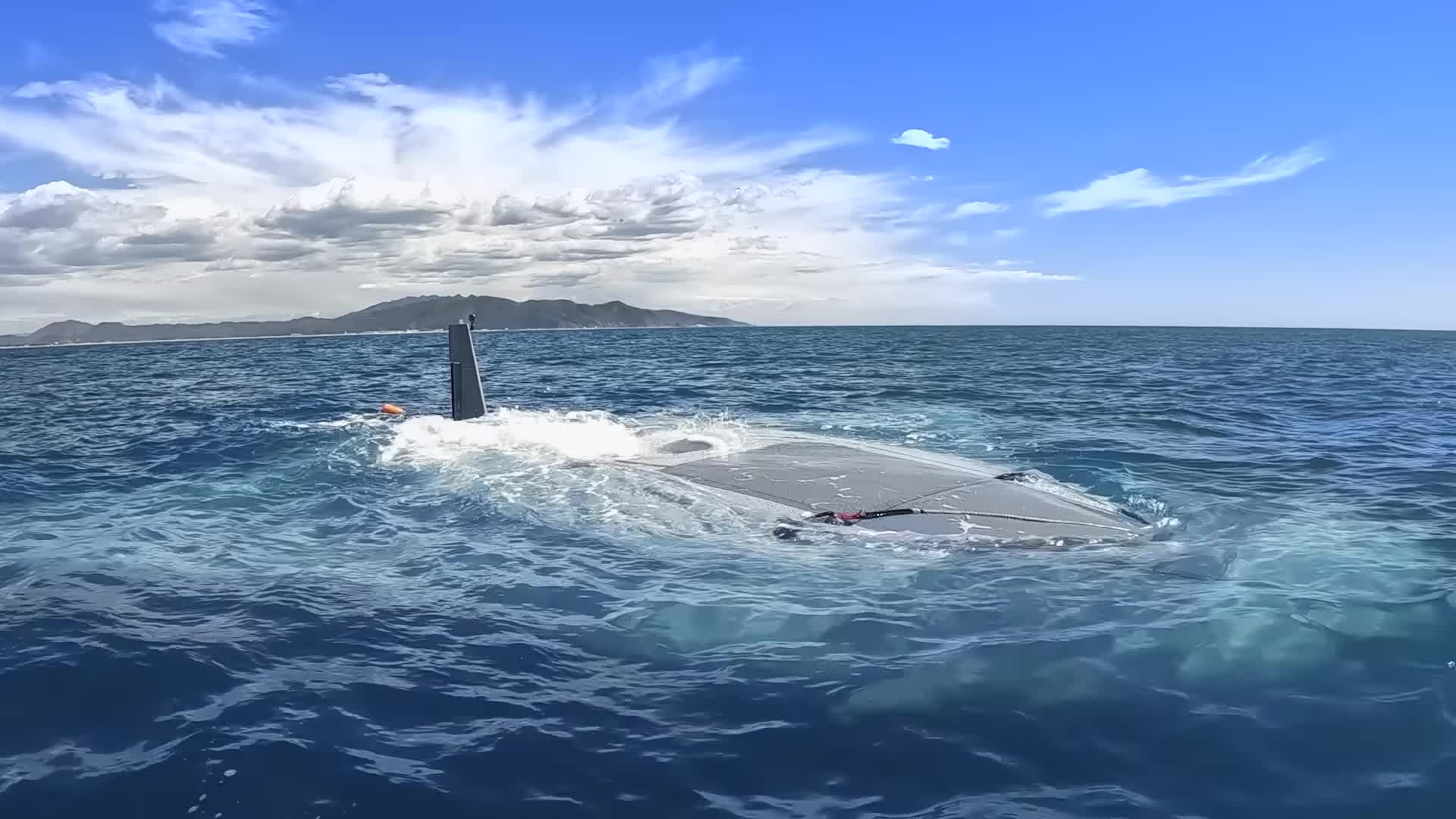
DARPA presents USX-1 Defiant at sea and explains the NOMARS program. Development footage does not prove an entire deployment without maintenance.
Video: DARPAtv · Original source ↗ · Video watch page ↗Production savings need an operating denominator
TWZ’s account discusses the design’s potential relationship to smaller commercial shipyards and modular payloads. The possible industrial benefit is relevant, but manufacturing simplicity should be compared with total operating burden. A less expensive hull that needs frequent specialist work could cost more per useful mission than its construction price suggests. The public design evidence does not settle that comparison.
A useful assessment would report failures, diagnostic accuracy, mission impact and turnaround after recovery. It would connect each event to the configuration that experienced it. Long periods without intervention are informative only when the mission remained useful and the record includes the work before and after that period. Otherwise maintenance can disappear from the story by moving just outside the reported window.
The countercase is an optionally crewed design with room for people during unusual tasks. It may preserve flexibility and familiar support at the price of extra structure. Purpose-built uncrewed architecture becomes attractive when removing that provision delivers a repeatable benefit rather than creating a need to invent expensive workarounds every time equipment needs attention.
The most useful learning may concern how much machinery support can be standardised. If faults can be interpreted and components serviced by a wider set of facilities, a simpler ship could have a broader industrial base. That is a testable consequence of the architecture, not something that follows automatically from having fewer passageways.
What happens when a component fails
A conventional ship makes room for people partly because people repair things while it is underway. Removing accommodation therefore invites a second design question: what should happen when a component stops working and nobody can reach it? The answer could involve containing the problem, continuing with reduced capability or ending the mission safely. Those are design choices to evaluate, not assumptions that follow from the absence of crew spaces.
A useful reliability record would connect every interruption to its operational effect. Losing a redundant component briefly is different from losing the only means of completing a task. Counting faults without those consequences can make a robust design look fragile; counting completed voyages alone can hide degraded performance. Both the technical event and the resulting mission outcome should remain visible.
The maintenance organisation also needs a plan for the ship's return. A system designed to run unattended may accumulate work that must be completed at a support site. Its economic advantage depends partly on whether those concentrated maintenance periods are predictable and manageable, rather than merely shifting an invisible workload from sailors to shore technicians.
What would change the assessment
Evaluate fault diagnosis, degraded mission capability and in-port turnaround alongside construction simplicity.
The wider impact
NOMARS’s distinctive contribution is treating the absence of people as a starting design condition. The broader payoff could include simpler production and a different support model. Both depend on machinery that can detect and manage faults with enough evidence for remote command. Defiant should therefore be judged by useful missions and recoverable failures, not solely by how long the hull remains away from port.
This analysis draws on the public sources linked in the text. Send corrections to [email protected].