A single detailed satellite observation can leave a long unanswered question: what changed after the sensor passed? More spacecraft can create additional opportunities to look again. That can make intelligence more timely, but it does not turn every location into a continuously watched scene. The important improvement is the pattern of useful observations, not the launch total alone.
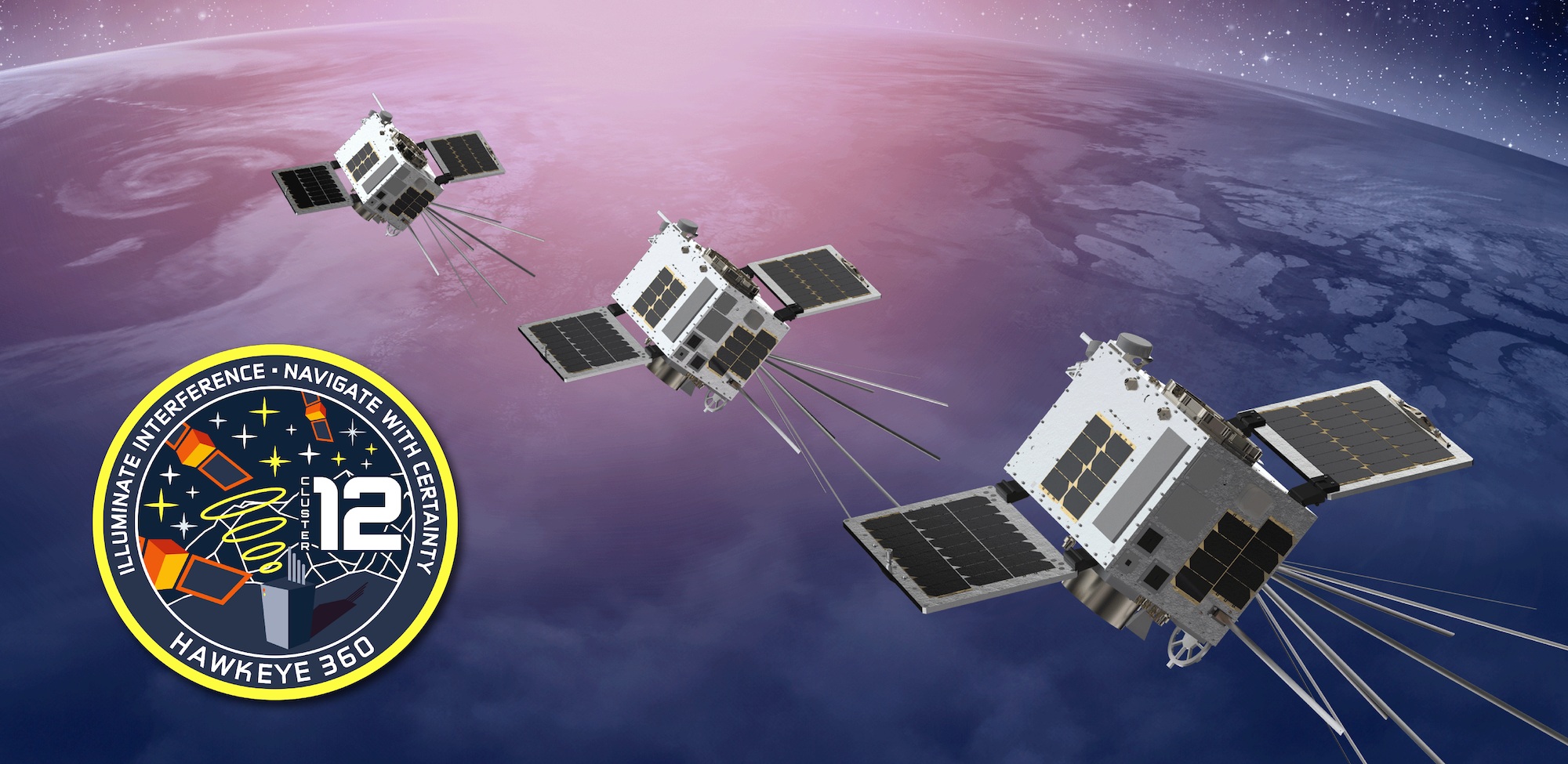
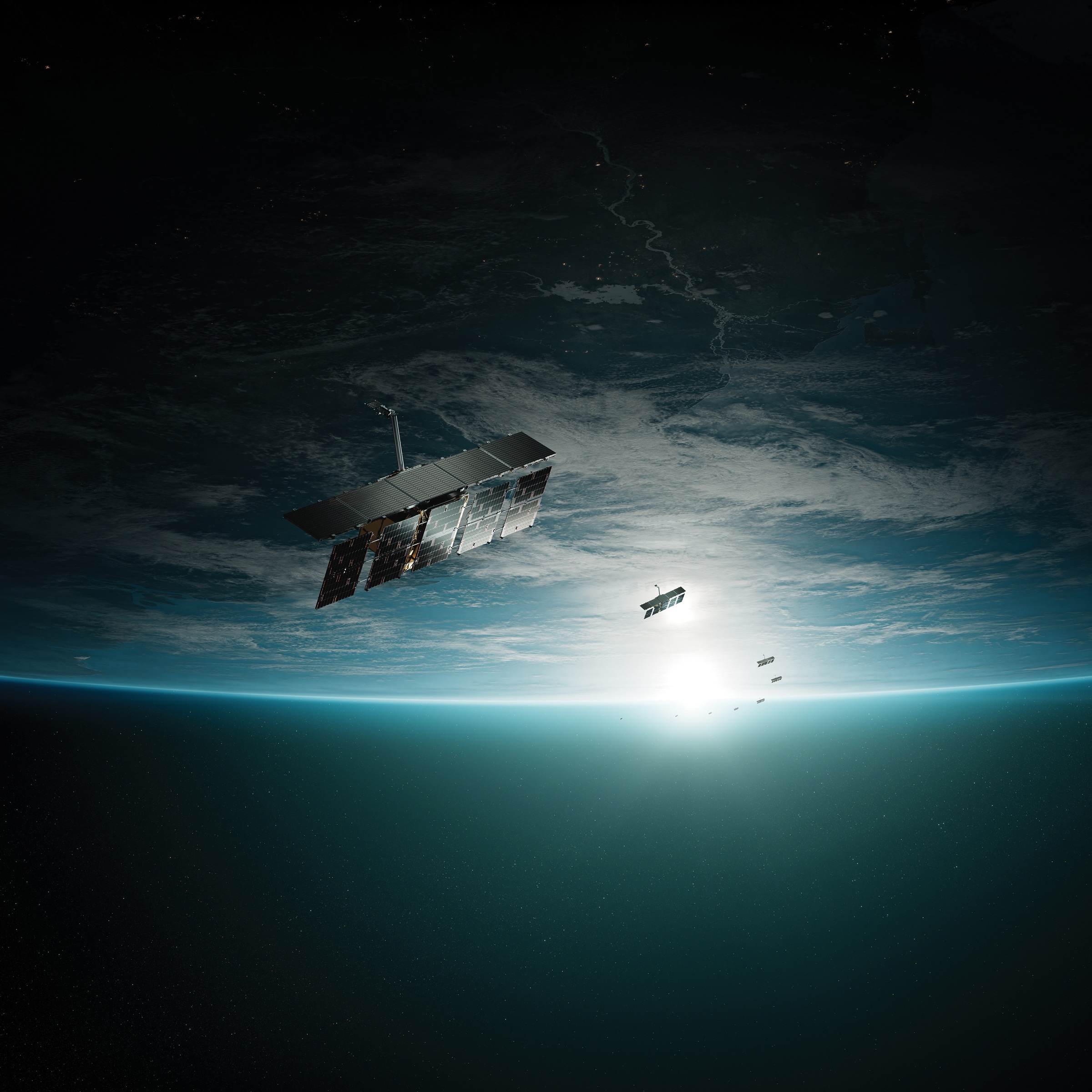
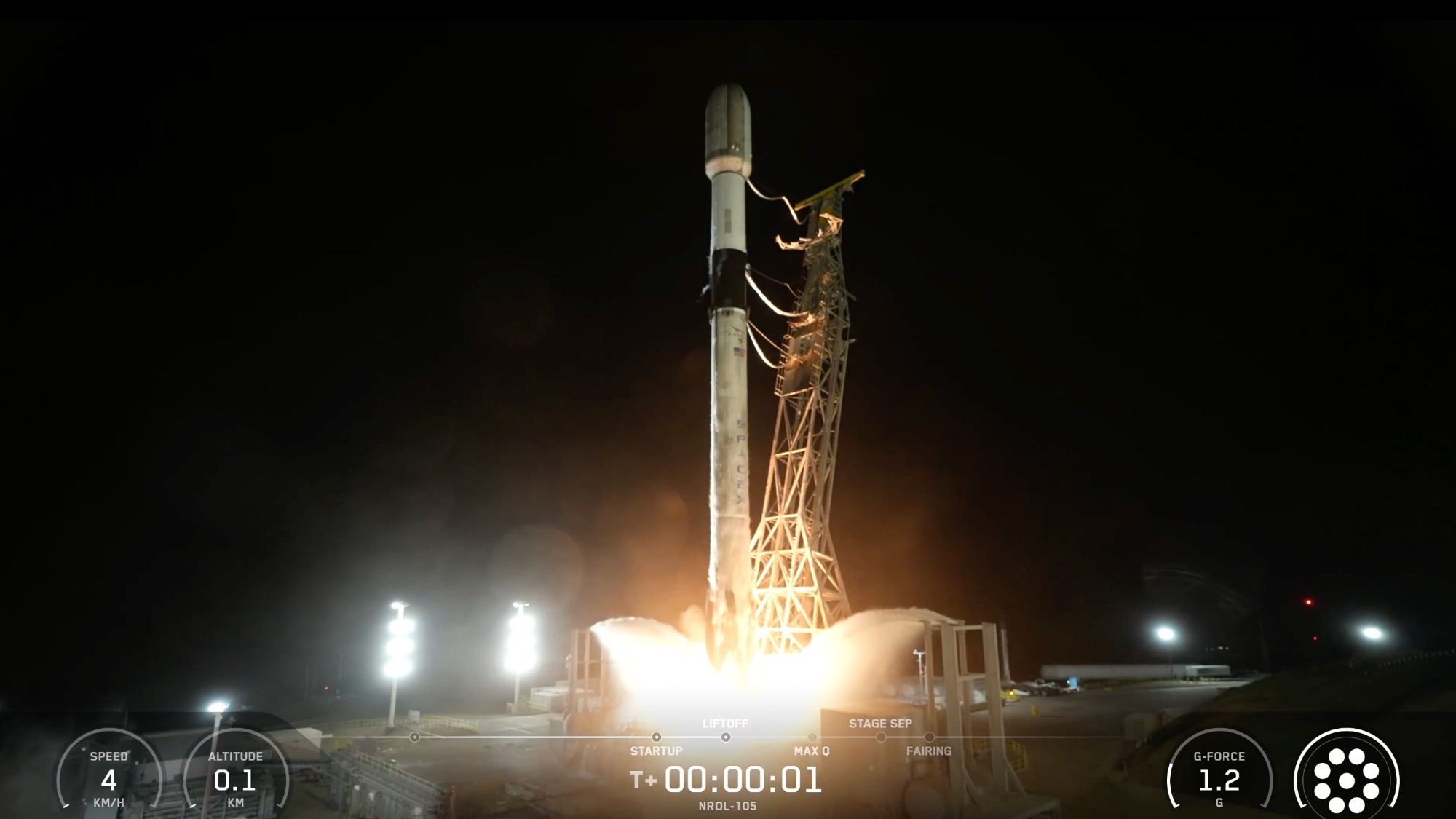
NRO’s January 16, 2026 NROL-105 release calls it the twelfth launch supporting the proliferated architecture. Defense News’s April 2025 coverage tracks the earlier expansion. A proliferated architecture spreads capacity across many spacecraft. Public launch records do not disclose enough sensor and orbit detail to calculate a reliable coverage promise for every operational user.
Revisit matters at the place and time of interest
Revisit is an opportunity to observe a location again. Its usefulness depends on whether the sensor can answer the question and whether the collection is available to the requesting user. An additional pass with the wrong measurement or a higher-priority task may not close the gap the analyst cares about. A fleet-wide average can conceal that limitation.
More opportunities can also improve the interpretation of change. If an object appears in one observation and is absent in the next, the event occurred somewhere between them. Shorter gaps can narrow that time interval. They do not necessarily explain the cause of the change. A report should distinguish a better time constraint from a proven explanation of activity.
Sensor differences need to remain visible. A detailed observation and a more frequent but less detailed observation can play complementary roles. Treating them as identical samples risks claiming continuity the evidence cannot support. The user should know what each source measured and which distinctions it could resolve, even when the final product combines them.
Resilience is another potential advantage of distribution. Losing one spacecraft need not remove the entire capability. The meaningful question is how the mission changes after that loss: which observations disappear, which gaps grow and which remaining sensors can compensate? Counting surviving satellites does not establish the quality of the remaining intelligence.
More collection shifts the work downstream
The countercase to proliferation is greater demand on processing and interpretation. Additional observations can reduce missing information while increasing duplication and false changes caused by collection differences. If the user cannot reconcile those records quickly, more spacecraft may create more material without delivering a more timely assessment.
A useful comparison would ask representative questions under the old and expanded collection arrangements. Measure the time to a supported answer and preserve cases that remain unresolved. It would connect each result to the actual observation opportunities used. That proposed method tests the intelligence contribution without relying on undisclosed platform details or a general claim of constant coverage.
Delivery and permissions belong in that test. An image can be collected promptly yet reach a partner too late or without the context needed to interpret it. The architecture’s value is realised at the user, not merely in orbit. End-to-end reporting should separate collection delay, processing delay and restricted access rather than combine them into an unexplained latency figure.
The launch progression is therefore an important capacity signal. It should not be mistaken for a finished analytic result. Public reporting can recognise the industrial and operational shift while remaining precise about what is withheld. Uncertainty about the detailed architecture is a limit on outside assessment, not evidence that its performance is either negligible or unlimited.
A smaller gap can change the question
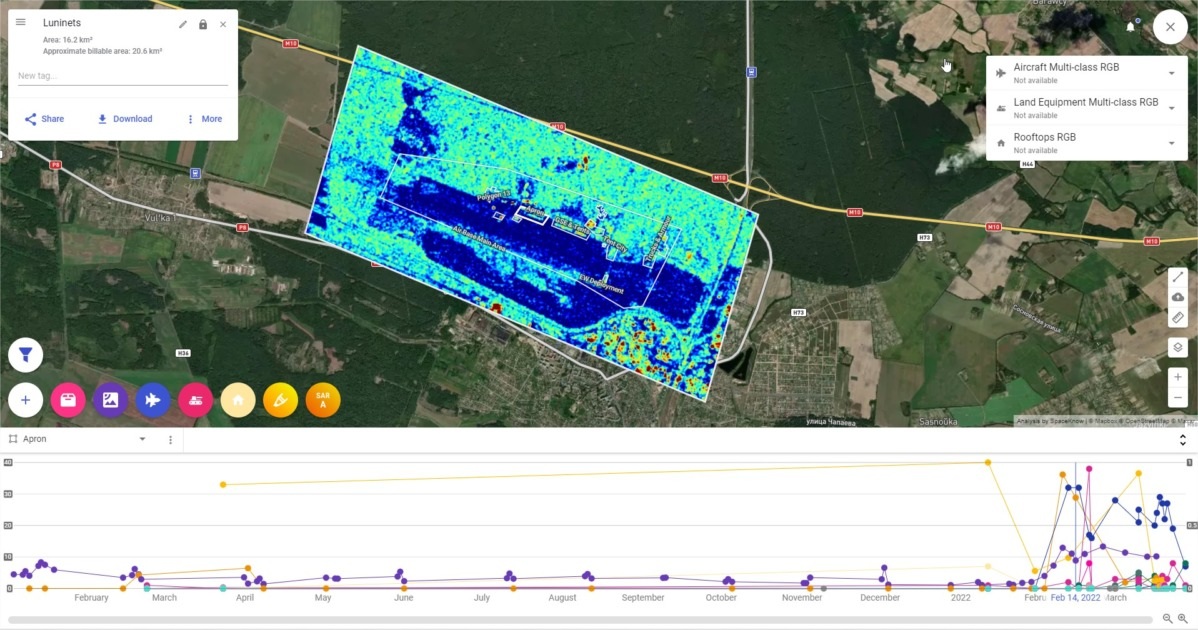
Consider a hypothetical facility that appears quiet in one scene and active in the next. Reducing the time between usable observations can narrow when the change occurred. That can help an analyst distinguish routine daily activity from an unusual pattern, provided the observations are comparable. It still cannot establish the reason for the activity without additional context.
The additional workload is not simply proportional to the number of images. A stream of similar observations can demand automated comparison, exception handling and retention of the scenes that justify an alert. A collection architecture should therefore be assessed with the processing organisation that turns those observations into findings. Capacity that overwhelms that organisation can improve the archive while leaving the decision timeline largely unchanged.
The broader strategic consequence is a different balance between isolated detailed looks and repeated observation. Proliferation can make change easier to constrain and losses easier to absorb. Public launch announcements establish the direction of that investment. The operational claim should remain tied to useful observations and supported answers, rather than converting spacecraft counts into a universal promise that every important event will be seen.
What would change the assessment
Evaluate question-specific revisit, sensor detail and delivered answers rather than imply continuous coverage from launch counts.
The wider impact
Proliferation could make the intelligence picture less dependent on rare observations and individual spacecraft. The broader consequence is more opportunities to ask what changed and when. That benefit has to survive sensor differences, processing and access. A growing launch count is evidence of architectural expansion; the decisive result is a supported answer delivered while it still matters.
This analysis draws on the public sources linked in the text. Send corrections to [email protected].