A surveillance drone at sea is also a vessel sharing water with fishing boats, ferries and cargo ships. Its military customer wants reliable observations, while other mariners need to understand who is responsible for its conduct. As uncrewed systems leave demonstration areas, those ordinary maritime obligations become part of the operating concept.
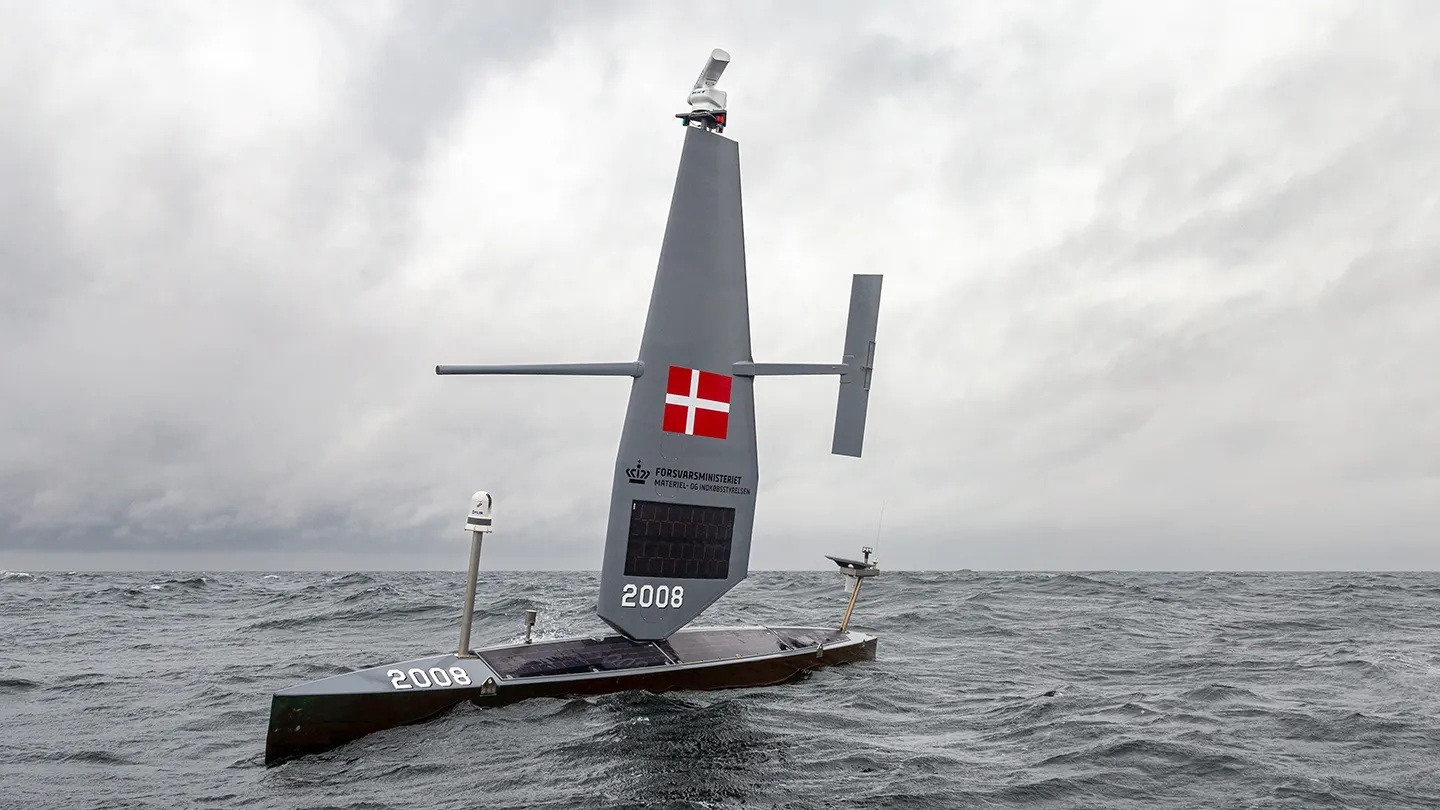
Saildrone’s September 22, 2026 company announcement says its first four Voyager vehicles were registered under the Danish flag. Defense News reported the development two days later. The milestone establishes a formal operating status for these vehicles. It does not independently establish a navigation success rate or settle how every national rule applies to every future mission.
Responsibility is not a software feature
Flag registration connects a vessel to a state’s maritime administration. The importance for autonomy is that removing people from the deck does not remove the need for an accountable operator and an accepted way to manage the vessel. A customer should distinguish legal status from the engineering evidence supporting safe and effective operation.
That distinction becomes practical during an exception. If a drone loses contact, another vessel behaves unpredictably or a sensor becomes unreliable, the organisation needs to know who can make a decision and how quickly. Responsibility must remain understandable when the machine cannot continue its normal routine. A registration announcement alone does not provide the full command and escalation procedure.
The useful operating record would link each vessel to its configuration, remote supervision arrangements and permitted conditions. An update to navigation software can change behaviour without changing the flag. Readers and customers should therefore avoid treating an unchanged registration as evidence that every subsequent technical configuration has already been tested in the same way.
Surveillance quality raises another boundary. A vessel can comply with maritime handling requirements while collecting poor intelligence, or provide useful sensor coverage while imposing too much supervision work. Both matter to a navy, but they require different tests. The legal milestone should not become a substitute for mission evidence, just as a convincing mission demonstration does not eliminate administrative obligations.
Routine operation makes exceptions visible
The commercial attraction is to make uncrewed patrols less exceptional. A clearer legal and operational framework can make ports, support providers and customers more willing to work with a system. That could reduce transaction costs even without a change in the vehicle itself. This is an inference about the value of registration, not a cost saving reported in the announcement.
The countercase is assuming one national registration creates uniform acceptance everywhere. Coastal rules, local traffic arrangements and mission permissions can differ. An operator still needs to understand the particular waters and activity involved. The sensible question is which practical constraints the Danish status resolves and which remain to be addressed for a specific deployment.
A useful trial account would include routine encounters with other traffic and the interventions required to handle them. It should connect those events to the mission: did an avoidance manoeuvre delay a survey, remove coverage or require an operator to retask the vessel? That record would show whether ordinary maritime operation supports the surveillance promise in practice.
For procurement, an accountable service can be easier to buy than an experimental machine whose responsibilities are still being negotiated. The difference may appear in insurance, port access, incident procedures and support contracts. Those are legitimate parts of capability cost. They should be documented instead of assumed away by calling a vehicle autonomous.
Accountability during an interruption
A practical way to read this milestone is to follow a hypothetical incident. Another mariner reports an unexpected manoeuvre; the operator needs to identify the vessel, reconstruct what it observed and establish who was supervising the relevant function. A clear administrative identity helps organise that response. The quality of the technical record determines whether the conduct can then be explained. Both matter, and neither supplies the other automatically.
Service contracts should make that division understandable to the customer. The organisation buying surveillance needs to know what the vessel provider will report after an interruption and which decisions the customer must still make. An uninterrupted stream of observations is useful, but an accountable account of a gap may be just as important when the mission supports a consequential judgement.
Registration's wider value is that it can make routine participation in maritime life easier to organise. Ports, other vessels and customers interact with an identifiable operating arrangement. Whether this produces better surveillance remains a separate question, requiring evidence about coverage, missed observations and the work needed to turn data into a reliable report.
What would change the assessment
Keep registration, navigation evidence and surveillance quality distinct while accounting for all three in deployment.
The wider impact
Saildrone’s registration highlights the less visible infrastructure needed to make sea drones ordinary fleet tools. The larger opportunity is accountable, repeatable surveillance that works within the surrounding maritime system. Legal status is a meaningful step in that direction. Its full value will be established by operations showing how the organisation handles traffic, incidents and updates while continuing to provide useful coverage.
This analysis draws on the public sources linked in the text. Send corrections to [email protected].