An autonomous vessel's voyage is not always the final product. In ocean surveying, the customer needs measurements that can be checked, interpreted and used. A craft that remains at sea for a long time creates value only if the resulting data meet the intended survey requirements. That shifts the assessment from distance traveled to accepted information delivered.
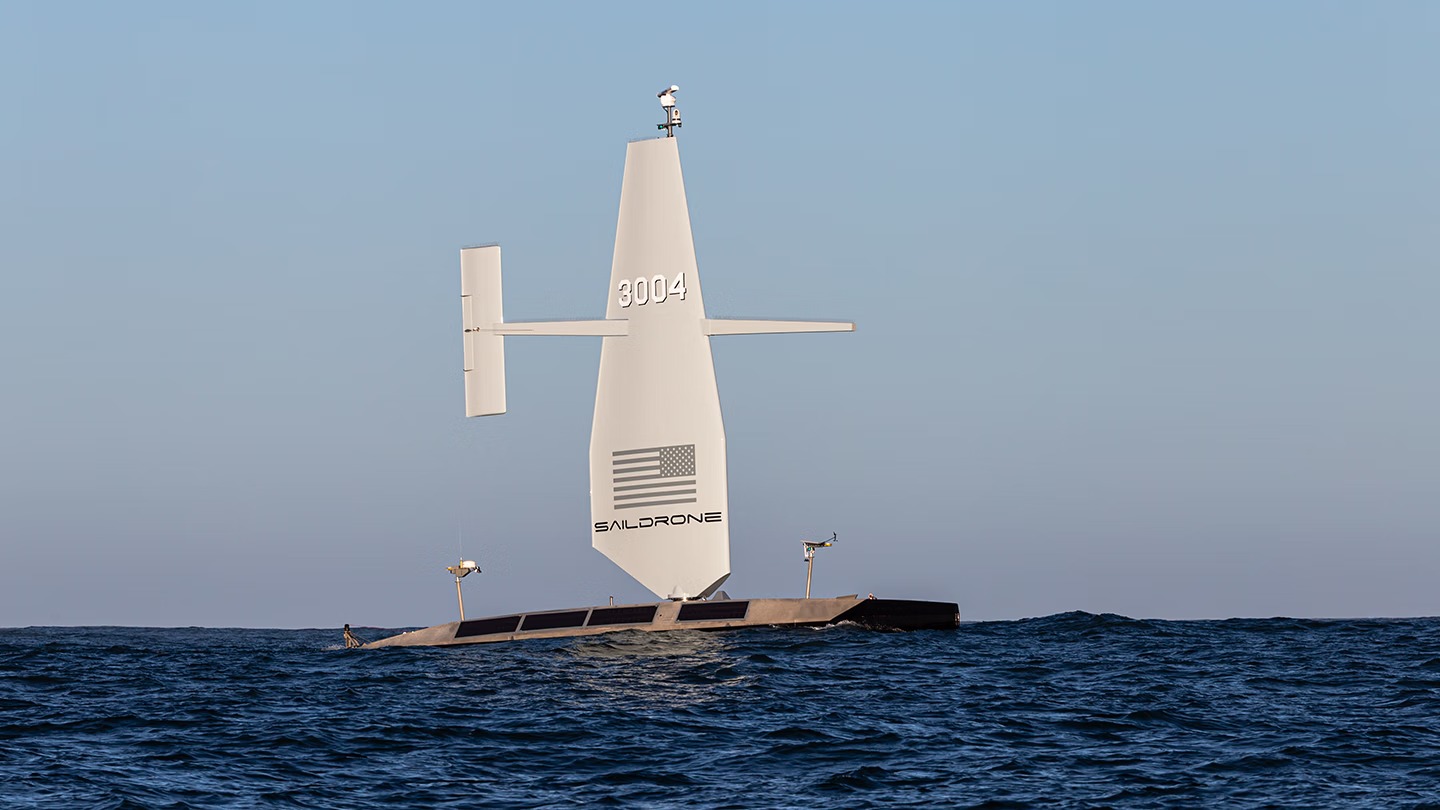
Saildrone said on September 15 that the Naval Oceanographic Office awarded it a $10 million task order for Atlantic bathymetric surveys using Surveyor uncrewed surface vessels. The company schedules operations to begin in 2026 and continue through most of 2027. This is analysis of that September award, not a new October contract or a report that the survey has been completed. Read the primary announcement.
The mission is measurement
Bathymetry describes the depth and shape of the seabed. Saildrone identifies the 20-meter Surveyor's deep-ocean multibeam sonar as the collection system for the work. The announcement explains how uncrewed surveys could complement the Navy's crewed survey fleet. It does not establish that all of a crewed ship's tasks or judgment can be transferred to an uncrewed platform.
The distinction matters because survey quality depends on the measurements and their processing, not only on a platform following a route. A customer needs an account of coverage, uncertainty and rejected or repeated observations. The release does not disclose a completed acceptance dataset for this task order. Nor does the contract amount reveal a price per accepted unit of mapped seabed.
A concrete service to assess
The near-term change is a funded survey assignment with an identified customer, region and intended operating period. That is firmer evidence of demand than an unspecific statement about future naval uses. It is still separate from evidence of delivery quality, schedule performance and the support effort required to keep the service running.
A useful progress record would connect days available for surveying to the data actually accepted. It could distinguish weather interruptions, equipment maintenance, collection gaps and processing delays without exposing sensitive locations. Those measures would help explain where autonomy changes the service and where conventional support remains essential.
A contract value is not a productivity result
The $10 million task order identifies a funded scope of work, but it is not enough to calculate a general cost advantage. A fair comparison would need the area and quality requirements, the operating period, processing effort and accepted deliverables. Survey assignments can differ on those dimensions. Dividing an award by a vessel count or advertised endurance would produce a number without establishing what the customer actually received.
The source's complement-to-crewed-ships argument is more useful than a blanket replacement claim. Different platforms can contribute to a larger mapping effort while retaining different strengths and support needs. Evidence of that division of work would show which activities uncrewed vessels take on and which remain with specialist teams. It would also make visible the shore personnel required for planning, monitoring and data review.
For an intelligence user downstream, provenance is part of the deliverable. The collection date, quality checks and limitations of a survey inform how confidently a product can support a later decision. A map is not simply a picture of the seabed. Treating its evidentiary history as part of the service keeps the autonomy story connected to the information the Navy commissioned.
Expanding the mapping effort
If uncrewed collection reliably produces accepted data while leaving crewed assets available for work that needs them, the approach could expand simultaneous survey capacity. Whether it does so economically depends on the complete service cost, including shore operations, maintenance and quality control. Endurance alone cannot settle that comparison.
The next evidence is the start and progress of the announced operations, followed by accepted deliverables. The strategic value lies in a better supported understanding of the ocean environment. Keeping the contract, collection activity and accepted data separate makes it possible to judge whether the promised survey capacity becomes usable knowledge.
Sources and scope
Official organizations: Saildrone. Primary source, 2026-09-15. Manufacturer results and plans remain attributed; this publication did not independently test the equipment.
What would change the assessment
The next evidence is the start and progress of the announced operations, followed by accepted deliverables. The strategic value lies in a better supported understanding of the ocean environment. Keeping the contract, collection activity and accepted data separate makes it possible to judge whether the promised survey capacity becomes usable knowledge.
This analysis draws on the public sources linked in the text. Send corrections to [email protected].