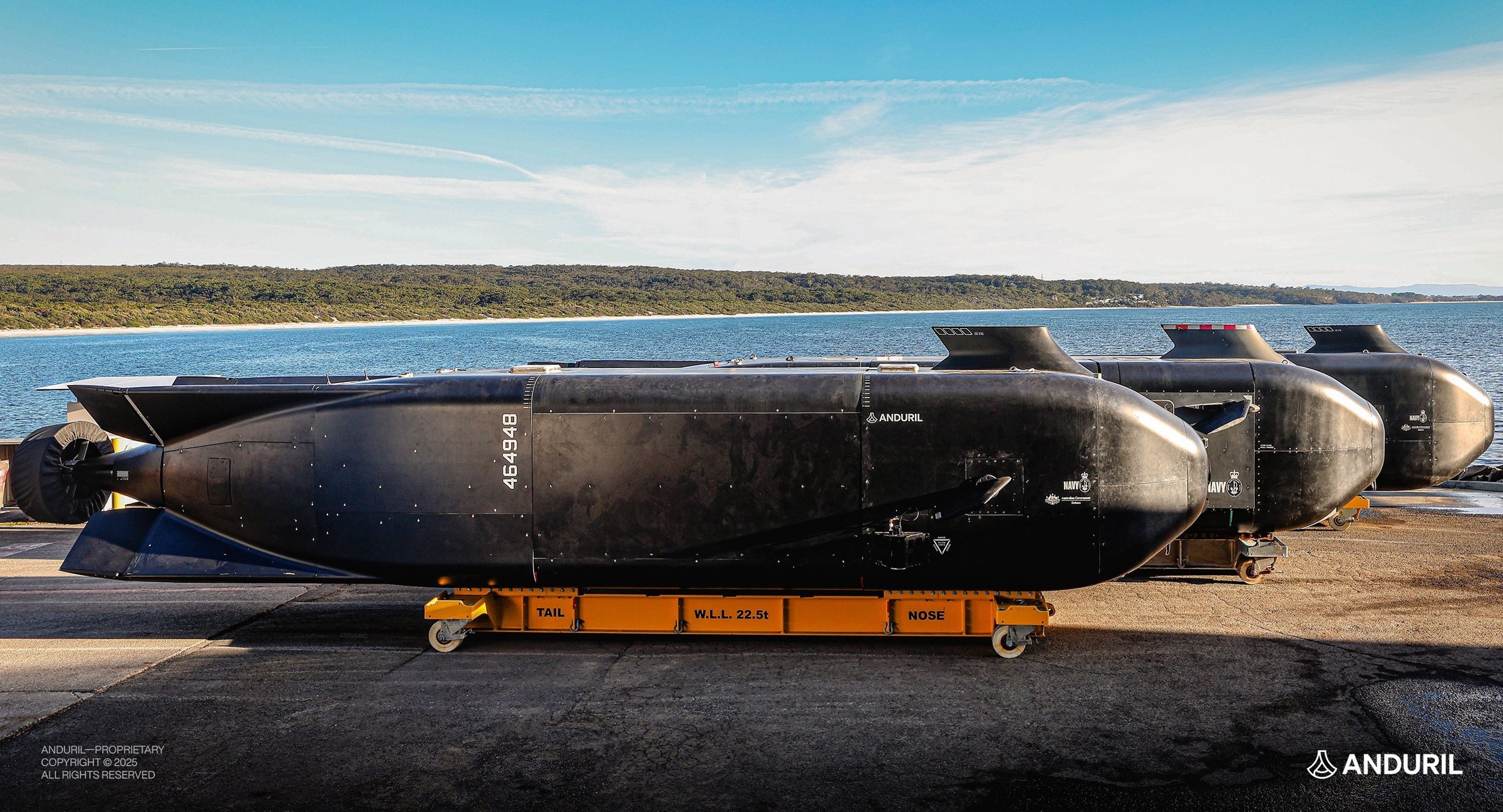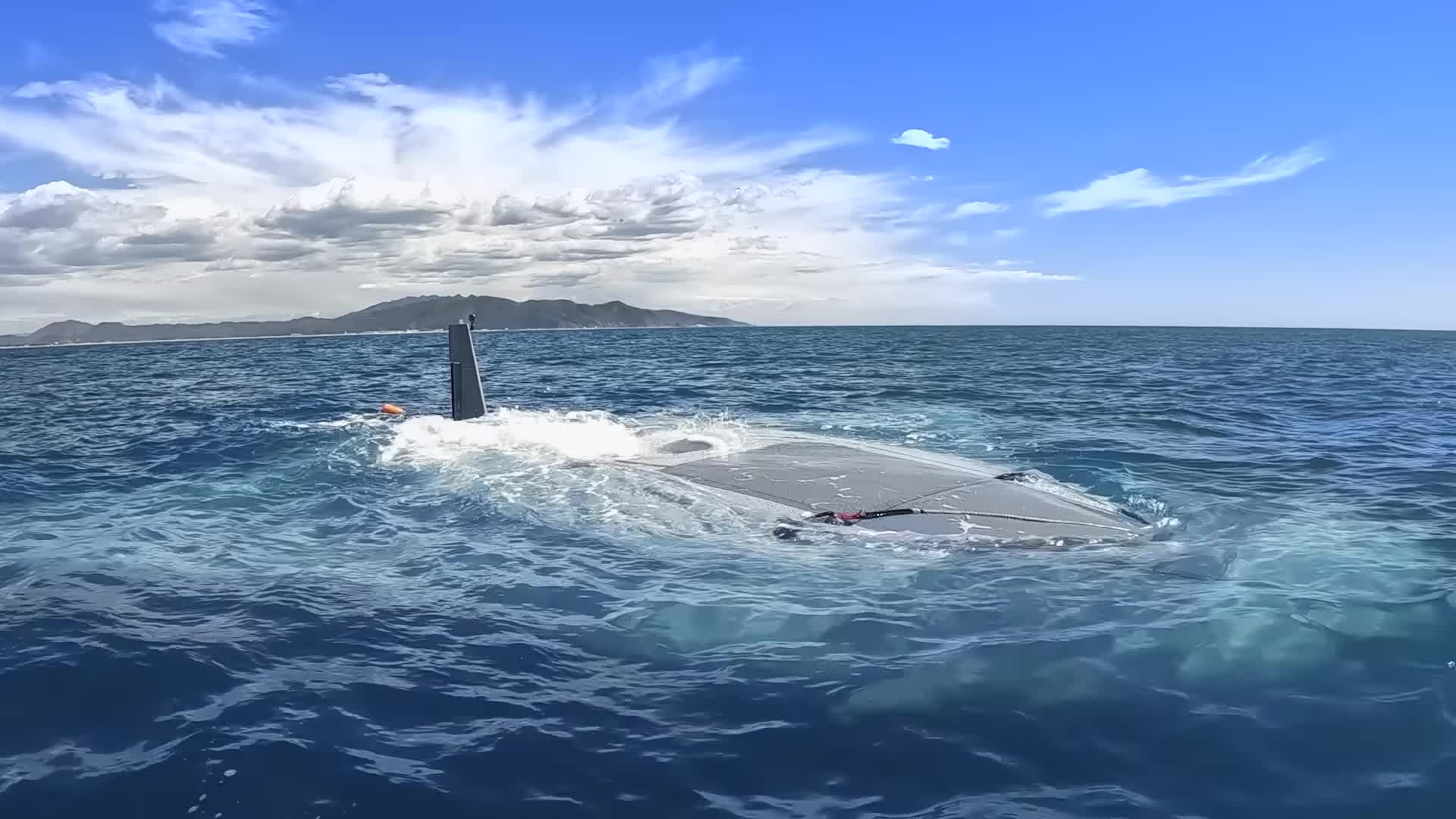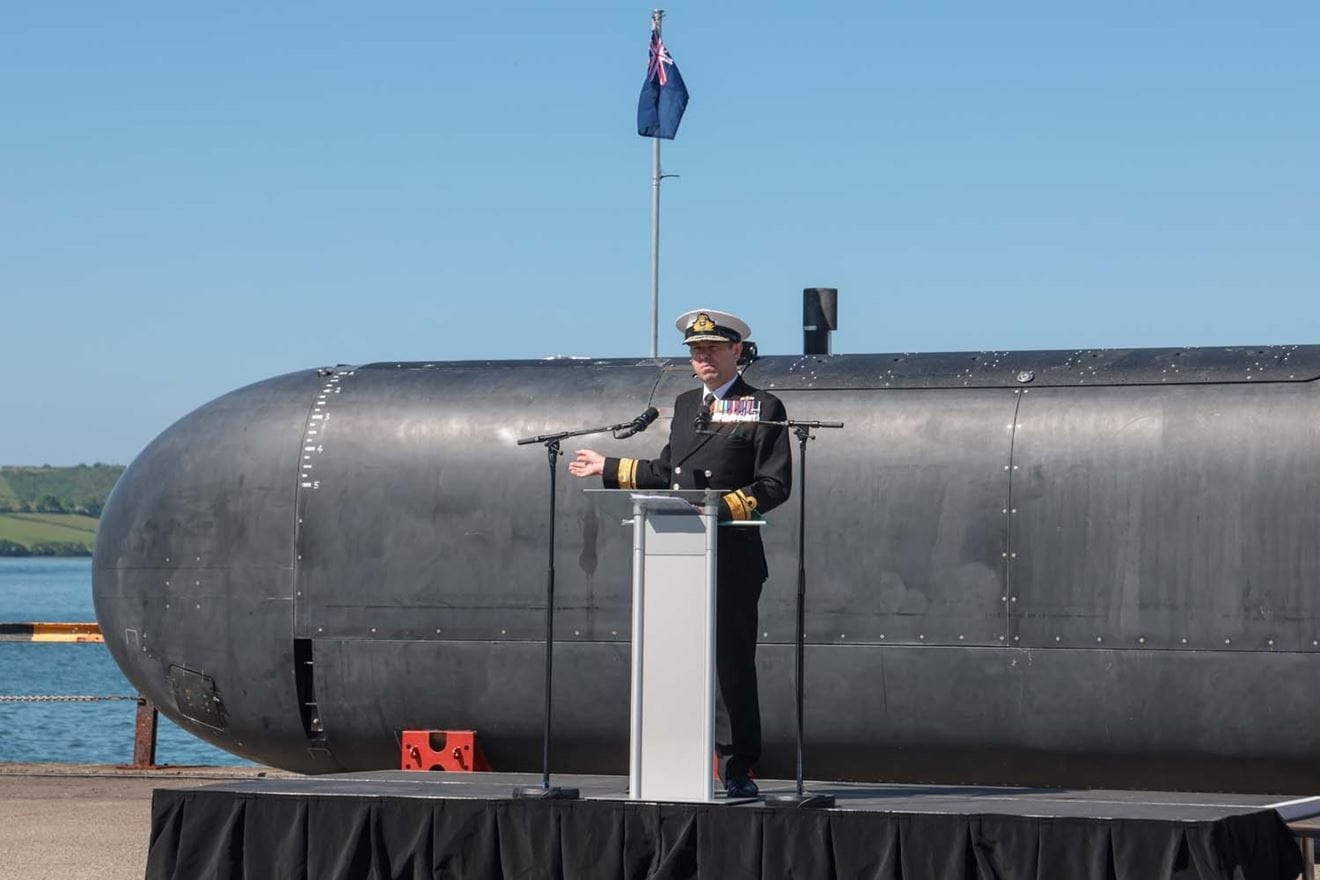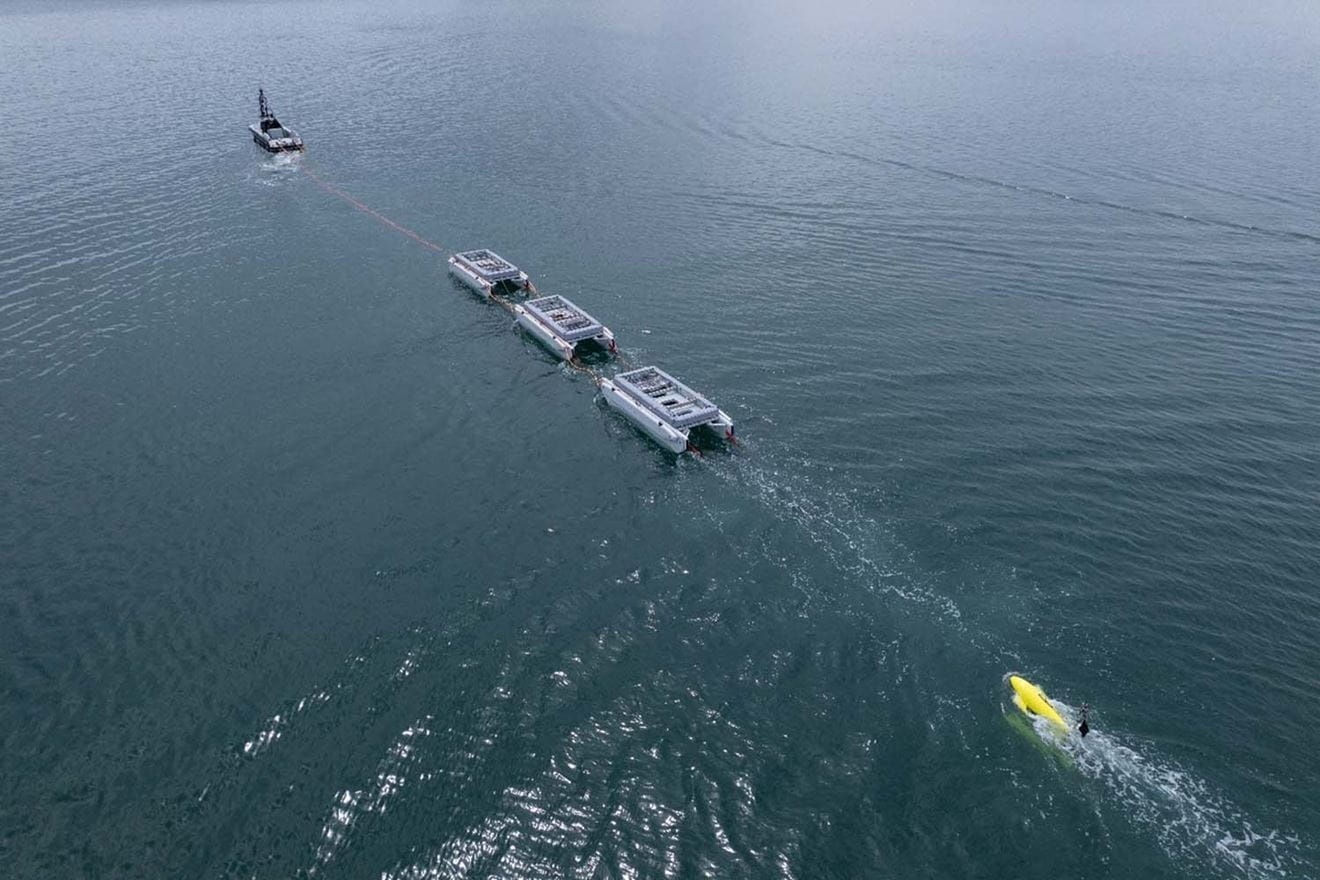
Some naval mines respond to the effects a passing ship creates rather than waiting for a collision. Clearing those threats can involve producing representative signals from a remote system, so the mine reacts before a crewed vessel passes. This is a different task from producing a sonar image of an object and deciding what it is.
The Royal Navy’s July 4, 2025 service announcement describes SWEEP as restoring a minesweeping capability absent since 2005. Atlas’s system material explains the remote sweeping approach. A service milestone establishes a capability and operating direction, not proof that the system triggers every possible mine or that every swept area is free of all hazards.
Hunting and sweeping ask different questions
A sonar hunter asks which objects deserve investigation. An influence sweep asks whether a threat will react to the signatures the system presents. A ship’s magnetic and acoustic effects are examples of signatures: measurable characteristics that can help a mine decide whether a vessel is present. The appropriate sweep therefore depends on the threat and the kind of passage being supported.
That makes the target of the evaluation important. A sweep can work correctly while not representing the vessel a commander later wants to send through. It may also encounter a mine whose response differs from the assumptions used to plan the operation. The operational account should say what was represented and what threat behaviour was tested, rather than offer a universal clearance statement.
Uncrewed control can reduce exposure during the sweep. It does not eliminate the need to understand the equipment being towed or the relation between the boat’s route and the area affected. A record of the path alone may not show whether the required signature was delivered consistently. The measurement should include both vehicle behaviour and the intended physical output.
The same principle applies to operation around other traffic. A remote boat may need to avoid a vessel while maintaining a planned sweep pattern. A safe diversion can leave a gap in the planned coverage. Navigation success and mission completeness are therefore related but separate. A system should be able to report the consequence of the diversion, rather than silently label the entire plan complete.
A restored capability still needs a boundary
The Royal Navy’s statement is meaningful because it describes a return to an operational skill, not merely a prototype boat. Its public detail remains limited. Buyers assessing the concept should seek evidence for availability, support work and representative threats. They should also identify which situations require another method alongside sweeping, rather than assuming one restored capability replaces the whole mine-warfare task.
A useful comparison would examine how long it takes to reduce a defined threat to a defined route, including preparation and follow-up. It should retain unsuccessful or incomplete sweeps and explain whether the problem was equipment, navigation or a mismatch between the assumed threat and the actual one. This proposed record would make operational lessons portable across units.
The countercase is hunting and neutralising specific contacts where sweeping cannot offer adequate assurance. Those approaches can require more investigation time, but they provide different evidence. The best mix depends on circumstances. A procurement strategy should preserve that choice instead of ranking every system on a common, misleading count of cleared targets.
For industry, signature control and mission reporting can be as important as the autonomy software. A boat that follows a route impeccably may still fail to deliver the physical effect the plan requires. Testing those functions together identifies where a customer needs better instrumentation, clearer assumptions or a different operating method.
Choose the evidence the mission needs
The difference matters when a commander chooses what evidence is needed. A hunt seeks information about particular objects. A sweep creates a stimulus intended to provoke a response from certain threats. Success in one activity cannot simply be carried across to the other. The team must understand which problem it is addressing and which uncertainties remain after the activity is complete.
An evaluation could make that distinction visible by keeping separate records of the planned area, the effect being attempted and the evidence supporting the eventual route decision. It should identify where another tool or a human judgement remained necessary. That would help readers see why a fleet might need several complementary systems rather than one universally autonomous mine countermeasure.
The operating choice is therefore about assembling the appropriate sequence. A less glamorous method may be valuable because it addresses a threat another sensor cannot resolve efficiently. The wider impact of SWEEP depends on that contribution to a complete clearance plan, not on presenting sweeping and hunting as interchangeable achievements or implying that acceptance ends operational evaluation.
What would change the assessment
State the represented ship signature and tested threat before making a clearance claim.
The wider impact
SWEEP’s importance is the return of a particular way to reduce mine risk with people farther away. The broader consequence is a more flexible set of clearance choices, provided their differences remain clear. An autonomous route is not equivalent to a completed sweep, and a completed sweep is not an assurance against every threat. Evidence should connect the intended signature, the observed operation and the passage the commander needs.
This analysis draws on the public sources linked in the text. Send corrections to [email protected].