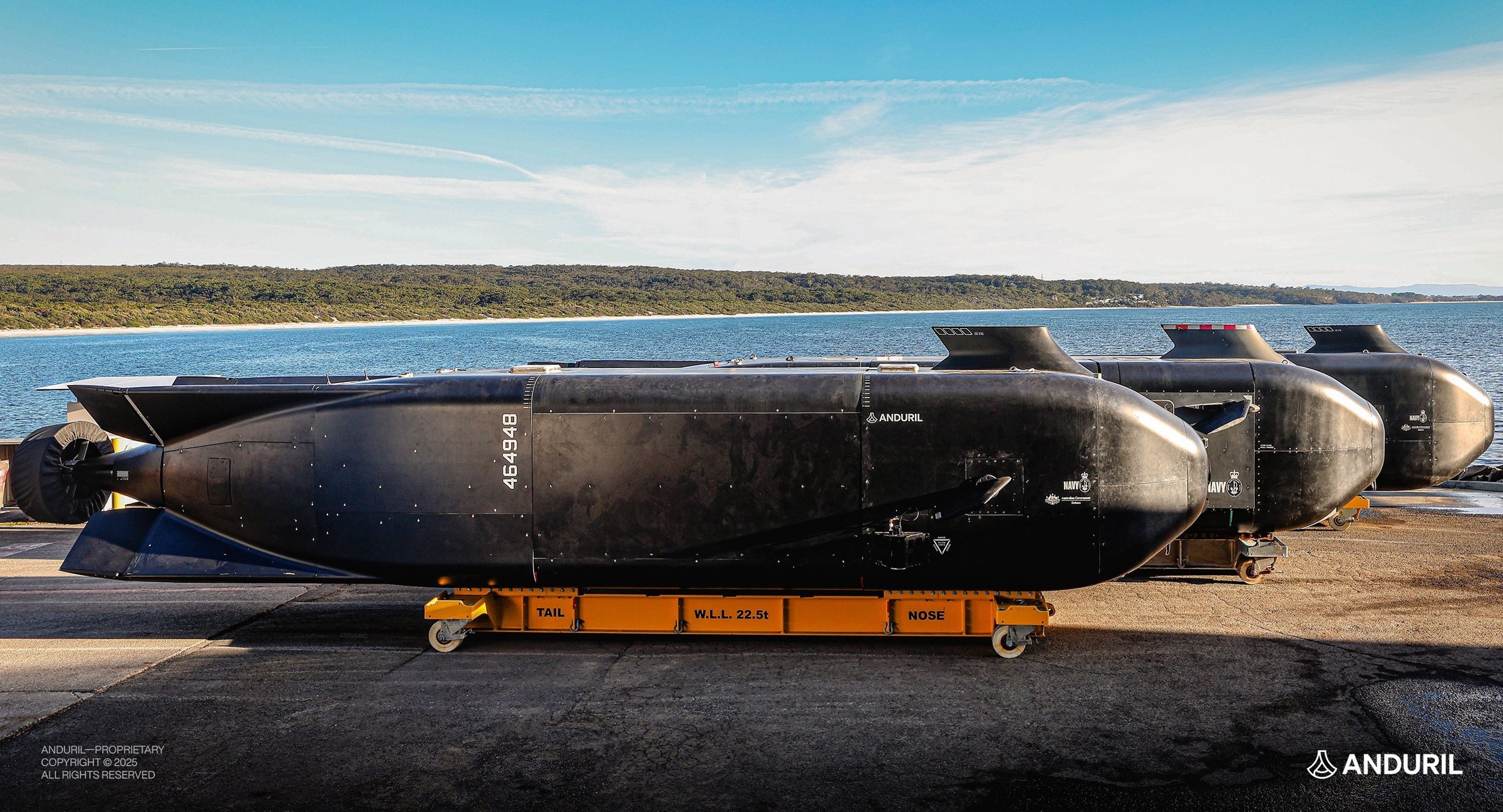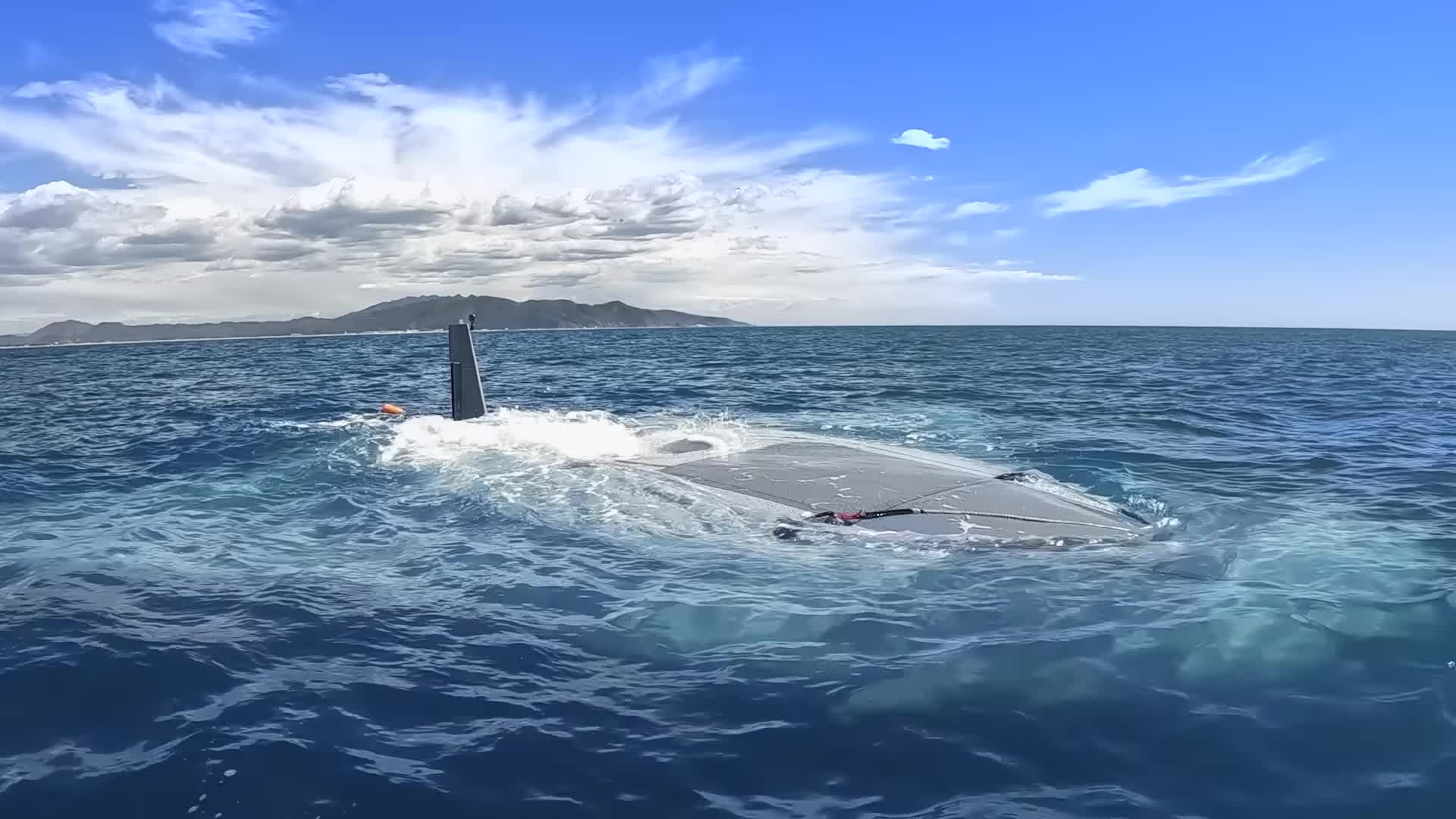
An uncrewed ship cannot remain useful indefinitely if every refueling requires sending people aboard. That would reintroduce access, safety and handling needs the design was meant to avoid. Automating the receiving side is therefore an important logistics step. It should be described precisely, because the supporting ship and its crew may still perform essential work.
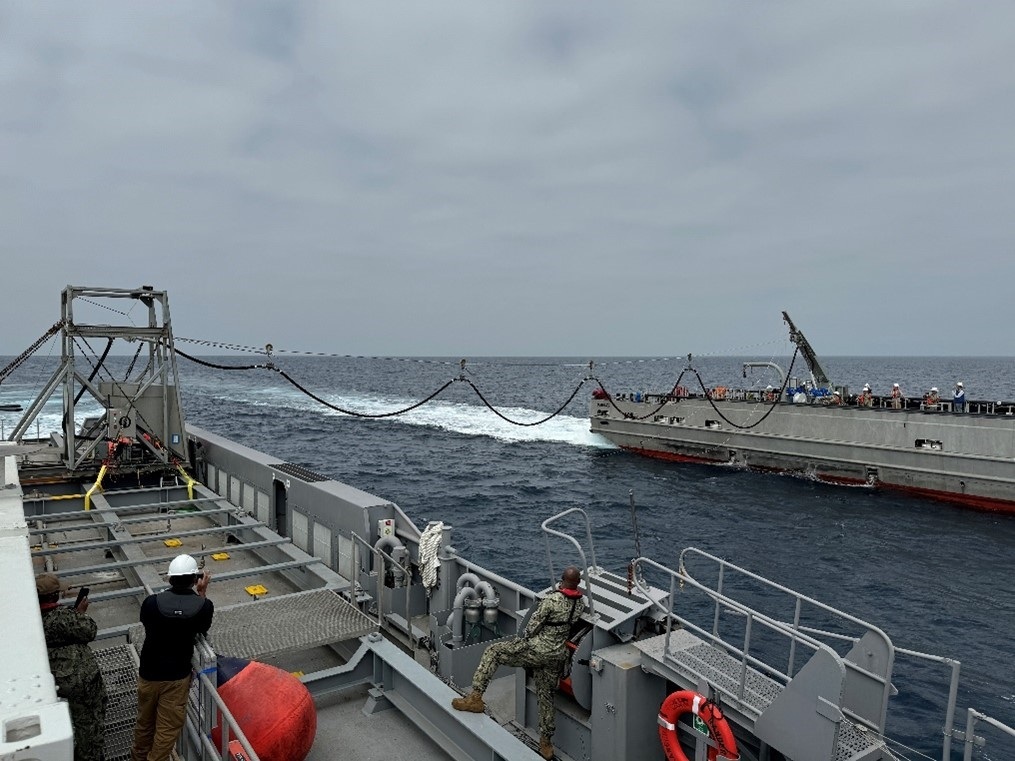
DARPA’s December 19, 2024 test account describes Ranger receiving through an automated arrangement while people remained involved on the supplying side. Its September 17, 2025 Defiant update reports another at-sea demonstration using water rather than fuel. These are useful interface tests. They are not evidence that every part of rendezvous, transfer and return to mission works unattended in arbitrary weather.
Replenishment is a sequence
A receiving connection has to be made before fluid can move, and separated safely afterward. Vessels also need to reach the right relative position and maintain it. A demonstration of successful transfer answers a narrower question than a complete autonomous replenishment cycle. An account should identify the stage tested and the supervision needed in the surrounding stages.
Water in a demonstration can help test handling without making the event an operational fuel transfer. That choice does not make the trial meaningless. It lets investigators assess an important part of the process while limiting other consequences. It does mean the result should remain attached to its test medium and conditions rather than becoming a blanket statement about fleet refueling.
The connection is also an engineering boundary between suppliers. The receiving station, line-handling equipment and the replenishment ship must agree on geometry and procedure. A change on one side can invalidate assumptions on the other. Interoperability therefore includes mechanical and operational interfaces, not just a compatible data link or command vocabulary.
An interruption deserves its own evaluation. If contact is lost or relative motion becomes unacceptable, the system needs a defined response that protects both vessels and the equipment between them. Useful evidence would show how a transfer is stopped and cleared, as well as how it succeeds. This is a proposed test priority, not a claim of a failure in the reported demonstrations.
Watch the footage
DARPA footage of Defiant’s September 2025 at-sea fueling demonstration. This later event provides context; it is not footage of the 2024 Ranger and Mariner receiving-system experiment discussed in the article.
Video: DARPAtv · Original source ↗ · Video watch page ↗Removing a boarding party changes risk
Avoiding people on the receiving vessel can reduce one set of exposure and design burdens. It does not remove the replenishment crew, their training or their working conditions. An honest personnel comparison counts the complete operation. Otherwise an autonomous ship can appear to have eliminated logistics labour when some of it has simply moved to the supporting platform.
The countercase is shorter missions followed by refueling in port. That may be simpler for a particular fleet and geography. At-sea replenishment becomes valuable when it changes useful mission availability enough to justify equipment, training and support capacity. The comparison should include waiting for the supplying ship rather than assuming it is always nearby.
A fleet-level measure would count the time a vessel remains mission-capable between support events and the demand each replenishment places on the logistics force. More uncrewed ships could increase that demand even if each receives efficiently. The customer needs to know whether logistics can keep pace with the intended deployment pattern, not just whether a pair of vessels completed one test.
The public progression from a receiving-station test to work involving Defiant is informative because it connects the interface to the ship meant to use it. Further results should retain that specificity. Repeating a demonstrated procedure in representative conditions can establish confidence much more clearly than describing the entire concept as autonomous.
Account for both ends of the transfer
The distinction can be understood through a normal logistics question: who is present at each end of the transfer? Automating the receiving connection reduces one part of the task. The supplying vessel, its handling equipment and the people managing the operation can remain essential. A complete account needs to describe those contributions before claiming that the overall resupply process requires no crew.
A proposed follow-on evaluation would begin before the ships met. It would include arranging the rendezvous, deciding whether conditions were suitable, performing the transfer and handling an interrupted attempt. An appropriate abort should leave both sides in a state that operators can understand. That would test a logistics process rather than only a successful connection under selected conditions.
The wider purchasing question is how this changes useful time away from base. Refueling could remove one reason to return while leaving maintenance, payload servicing or inspection as another. Buyers should compare the resulting mission cycle with its alternatives. The receiving-side milestone is valuable because it addresses a specific bottleneck; it should not be asked to prove that all of the remaining bottlenecks have disappeared.
What would change the assessment
Distinguish receiving-side automation from unattended rendezvous and complete fleet logistics.
The wider impact
Crewless receiving can make purpose-built uncrewed ships more practical by removing a reason to board them during a mission. The broader gain depends on a complete, repeatable support sequence with known supervision and interruption rules. The replenishment force remains part of the cost. Autonomy creates useful persistence only when that wider logistics organisation can reliably keep the vessels working.
This analysis draws on the public sources linked in the text. Send corrections to [email protected].