A defensive sensor can identify an object without establishing that the rest of a system can act on the observation appropriately. The information has to remain usable as it moves between sensing, human supervision and any response equipment. That handoff is a central integration problem for layered counter-drone systems. Connecting components can create value, but the combined behavior requires evidence beyond the capabilities advertised for each item separately.
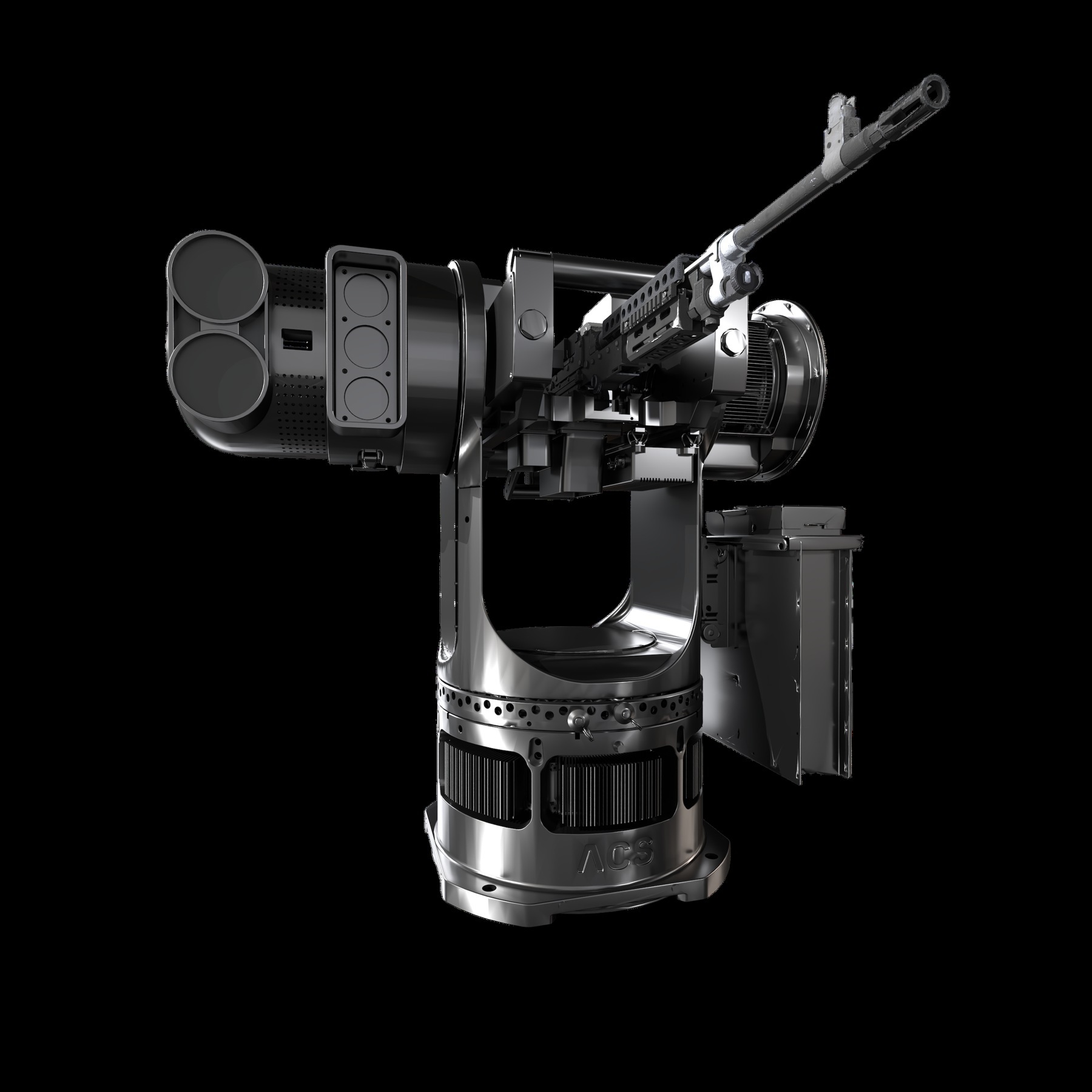
Allen Control Systems and CX2 announced a partnership on October 30 to develop integrated counter-drone capabilities. The collaboration brings ACS’s Bullfrog robotic weapon station together with CX2’s radio-frequency sensing and electronic-warfare technology. The release identifies mobile, expeditionary, fixed-site and maritime settings as intended applications. It describes further demonstrations over the coming months, rather than publishing a completed joint-system acceptance result or a new customer delivery. Read the primary source account.
A common interface is a development objective
The companies describe connecting detection information and different response components through unified command-and-control software. That is a system-development claim. The announcement does not provide the detailed test conditions, independent measurements or control-authority record needed to assess a complete installation. Readers should keep the partnership’s intended architecture separate from evidence that a particular combination has already met an operational requirement.
This distinction is especially important when two suppliers have their own existing capabilities. Prior use of one component can support confidence that it is more than a concept, while still leaving the new interface untested in public. A combined system introduces timing, configuration and human-interface questions that do not disappear because each company can point to earlier work. The milestone here is an announced collaboration to address that connection.
Layering needs understandable decisions
Different sensing and response methods contribute different information and constraints. A common display can make those contributions easier to coordinate, while also creating a need to explain which observation supports a particular assessment. An operator should not have to infer whether a displayed track is current, uncertain or derived from another component. These are acceptance questions for the integrated product, not performance results supplied by the partnership release.
The same applies to responsibility. A shared software layer needs an explicit account of who may authorize actions and how a person can intervene. The public announcement does not settle those arrangements for every intended customer. It would be inappropriate to infer a particular autonomous engagement policy from the presence of computer vision or robotic control. Technical automation and the authority to use it are separate elements of a deployment.
A marketplace listing is another distinct step
The release says both companies’ technologies are included in the JIATF-401 counter-drone marketplace. A procurement pathway can make capabilities easier for eligible buyers to evaluate and acquire. It does not prove that this newly announced combined system has been delivered or accepted. Keeping that distinction visible prevents separate commercial and engineering milestones from merging into a stronger claim than either supports.
The intended range of environments also makes representative testing consequential. A demonstration in one setting cannot automatically establish suitability across every mobile or maritime application named in the release. The useful next record would identify the exact configuration and environment evaluated, with interventions and limitations retained. Such evidence can show which part of the integration is mature without turning an ambitious application list into a universal performance assertion.
That evidence should retain the exact supplier responsibilities as well. A clear record of which organization maintains an interface makes a later software change easier to review and helps customers understand who supports the integrated arrangement after the demonstration ends.
For customers, the immediate change is a clearer supplier roadmap for a combined offering. The potential longer-term contribution is an architecture that makes complementary components easier to coordinate and replace. Its value depends on how reliably information and control move across the interfaces, and on the support burden of maintaining the complete system. The forthcoming demonstrations should be assessed against those questions, with the partnership announcement treated as the start of that evidence sequence rather than its conclusion.
Source organizations: Allen Control Systems, CX2.
This analysis draws on the public sources linked in the text. Send corrections to [email protected].