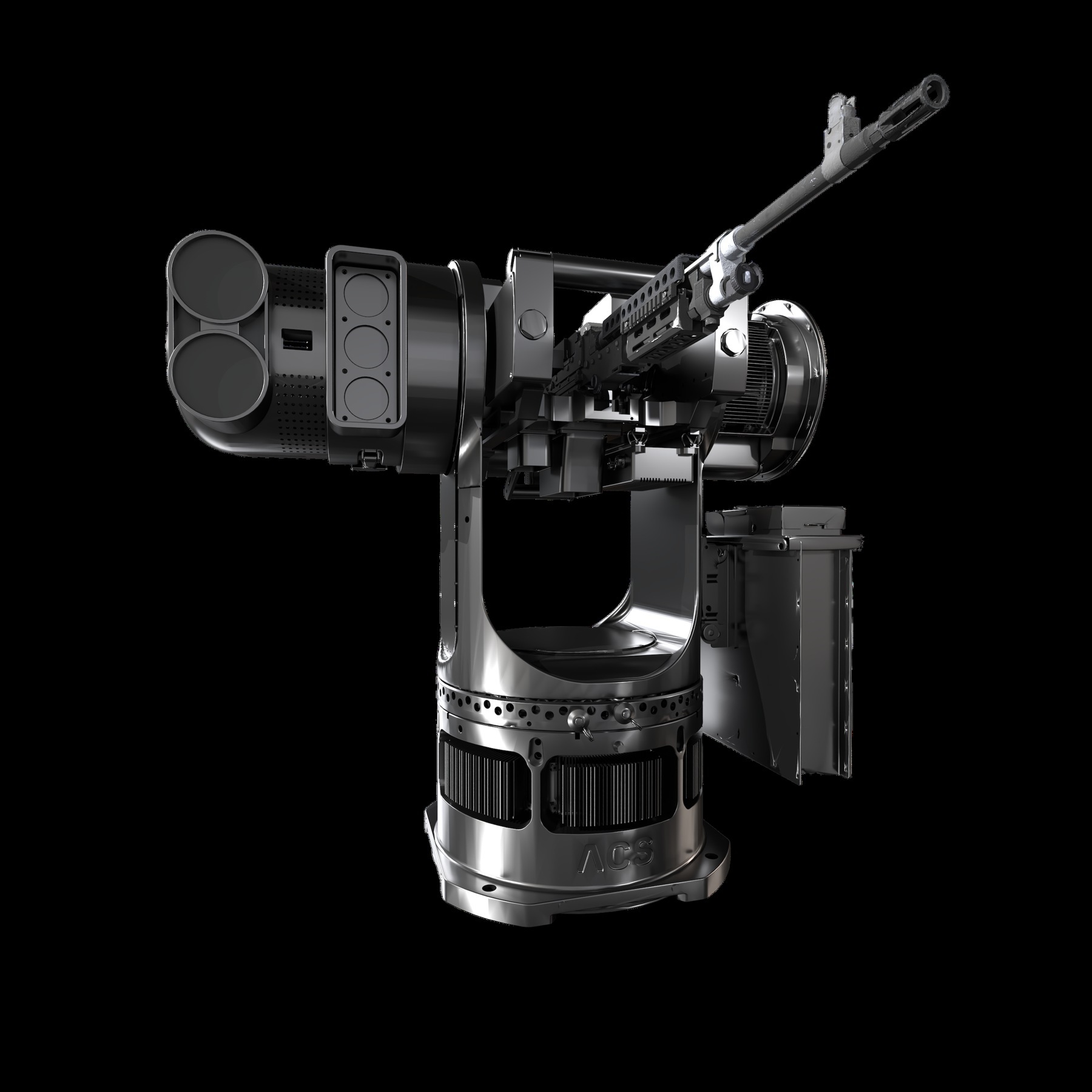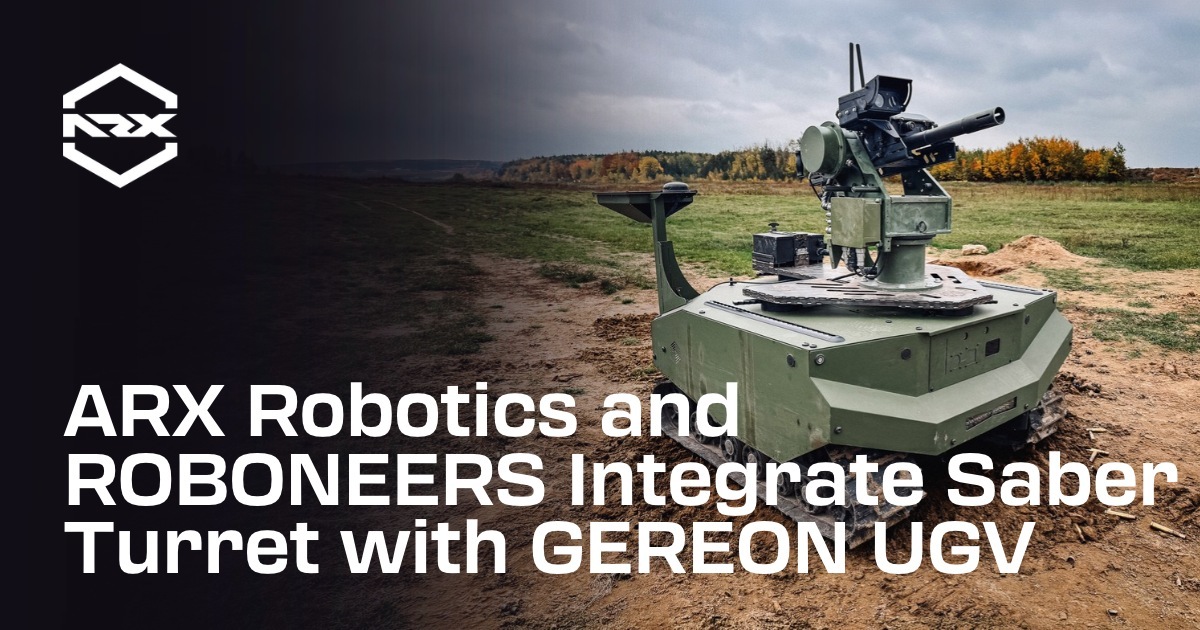
Combining a mobile platform with another supplier’s mission module requires more than placing the two items in the same photograph. The combined system must exchange the right information, support the installed equipment and remain understandable to the people responsible for it. An integration milestone is therefore meaningful when it identifies what has actually been connected and which parts of the path to accepted equipment remain ahead.
ARX Robotics and ROBONEERS reported on October 29 that they had completed initial integration testing between the GEREON unmanned ground vehicle and SABER combat module. This is a new test update following their October 4 technical partnership, rather than a second announcement of that agreement. The companies plan integration of M2 and MK 19 (M) configurations by the end of 2026, with deliveries aligned to Ukrainian requirements. Those future milestones should remain distinct from the initial test. Read the primary source account.
An interface result has a defined scope
The source assigns mobility, power and reconnaissance functions to GEREON and fire-support functions to SABER. That division helps explain why interoperability is a system question. A module can work on one host without establishing that every host configuration has been evaluated. The report identifies an initial pairing, while not publishing a complete qualification matrix, acceptance record or independent comparative test.
For a receiving organization, the relevant configuration includes both suppliers’ software and hardware. A change to one can affect assumptions at the interface even when the other remains unchanged. Maintaining that record makes later modifications easier to assess. It also prevents evidence from an early integration build being carried forward as if it automatically described every vehicle delivered under a subsequent production arrangement.
Modularity makes responsibility more important
A configurable platform can allow a buyer to select equipment for different tasks, but each combination needs a clear account of who supports the complete system. Otherwise, a problem can fall between the platform supplier and module supplier. The announcement establishes their collaboration, while leaving detailed support and acceptance arrangements undisclosed. Those are practical questions for the transition from a successful integration to equipment that a unit can sustain.
The source describes SABER as remotely operated. That wording should not be replaced by an unsupported claim that the combined vehicle independently selects and engages targets. Mobility, sensing, remote control and decision authority are separate properties. Public descriptions should preserve those distinctions, particularly when autonomy terminology appears alongside a weapon module and readers may otherwise infer capabilities or authorities that the release does not establish.
Test completion and fleet readiness are different milestones
An initial integration test can expose interface problems before a larger delivery effort. It does not determine how the system performs over repeated use, under changing conditions or after maintenance. The next useful evidence is therefore tied to the specified configuration and acceptance process, rather than an unqualified assertion of readiness. That keeps the milestone’s significance clear without assuming failures that have not been reported.
The planned end-of-year work also creates a scheduling boundary. Integrating a named configuration, producing units, delivering them and obtaining customer acceptance are different events. A later announcement should identify which has occurred. Counting all four as complete at the first test would erase the work that turns a technical partnership into a supported capability and make progress difficult to assess against the companies’ own plan.
The companies’ configuration schedule provides a concrete reference for later reporting. A follow-up should identify the installed version and whether delivery or customer acceptance has occurred, so the new test is not mistaken for the completion of the entire program.
The near-term change is a reported step from an agreement to a functioning interface between two suppliers’ systems. The wider possibility is a more adaptable ground-robot ecosystem in which mission equipment can be changed without rebuilding the entire platform. That depends on repeatable integration, documented control boundaries and sustainable support. Delivery and acceptance evidence for the named configurations will show how far the October test carries into actual equipment, rather than merely expanding the list of potential missions.
Source organizations: ARX Robotics, ROBONEERS.
This analysis draws on the public sources linked in the text. Send corrections to [email protected].