Distributed logistics can separate the people requesting a delivery from the team that first launches an aircraft. An uncrewed platform becomes more useful if control can move between authorized operators without leaving uncertainty about who is responsible for it. That transition is a distinct engineering problem from flying a route autonomously. It involves the aircraft, communications and the control stations as one operating arrangement.
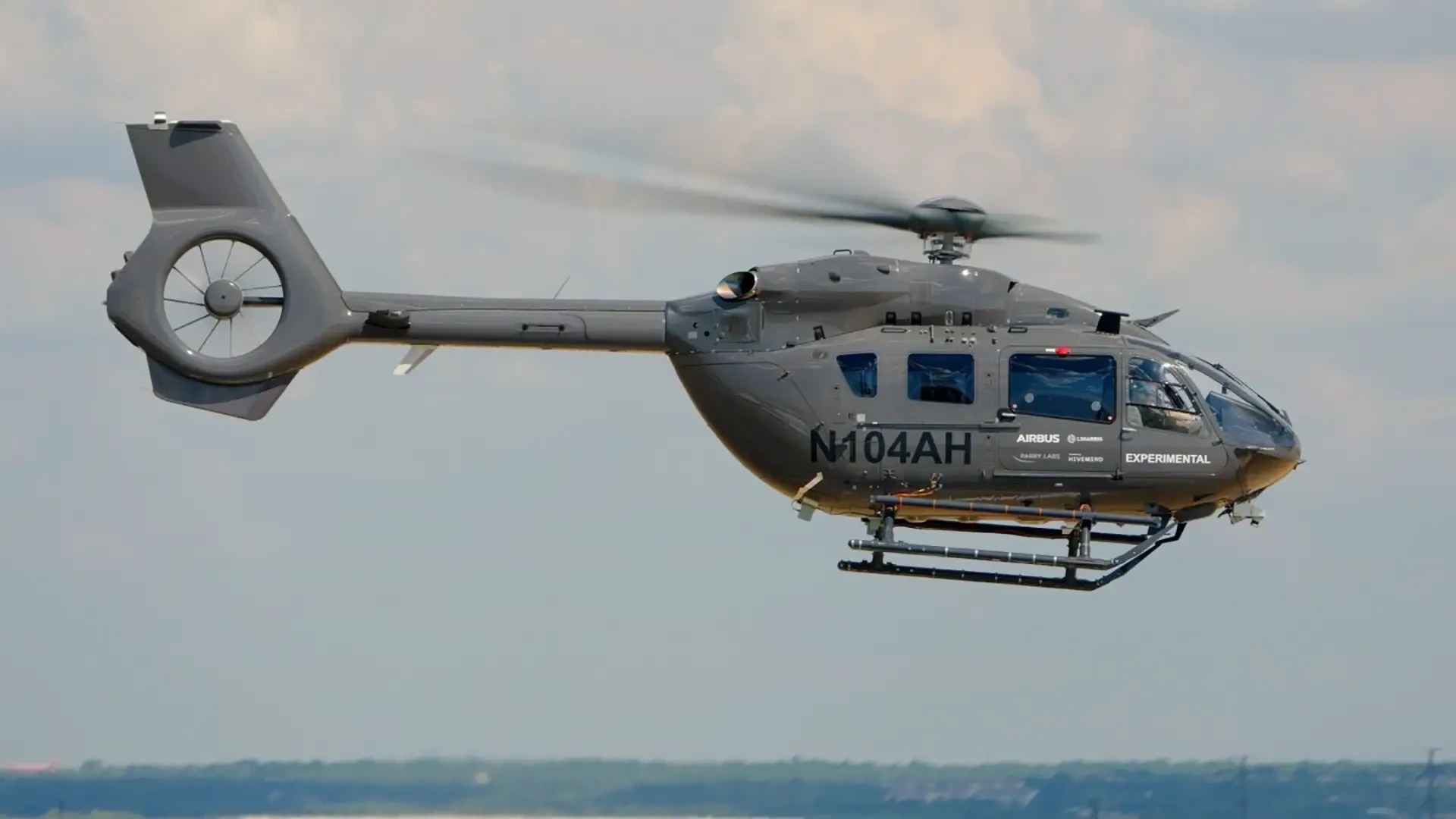
Airbus U.S. Space & Defense reported on October 28 that it had completed a seventh flight-test event for the UH-72 Logistics Connector with Shield, L3Harris and Parry Labs. During testing the previous month in Grand Prairie, Texas, personnel more than twenty kilometres from the primary team assumed control, commanded autonomous behaviors and transferred control back. The account also reports communications, landing-precision and thermal-management work. This is prototype-test evidence from the company, not an operational fleet announcement. Read the primary source account.
A successful handoff answers a specific question
The test establishes a reported transfer between geographically separated teams under the conditions used for that event. It does not, by itself, establish every communication environment or control-station combination that might arise later. The useful development is that the team has moved beyond describing distributed control as an aspiration and identified an actual flight-test sequence. Its scope still needs to travel with the claim.
For an operational evaluator, the important outcome includes a clear transition of responsibility. Both teams need a consistent understanding of the aircraft’s state and the authority attached to their controls. A demonstration can show the intended sequence, while repeated trials can examine how the arrangement behaves when the sequence is interrupted. The release does not publish a full account of those exceptional cases, so they remain questions for later evidence rather than established shortcomings.
Communications improvements need their own conditions
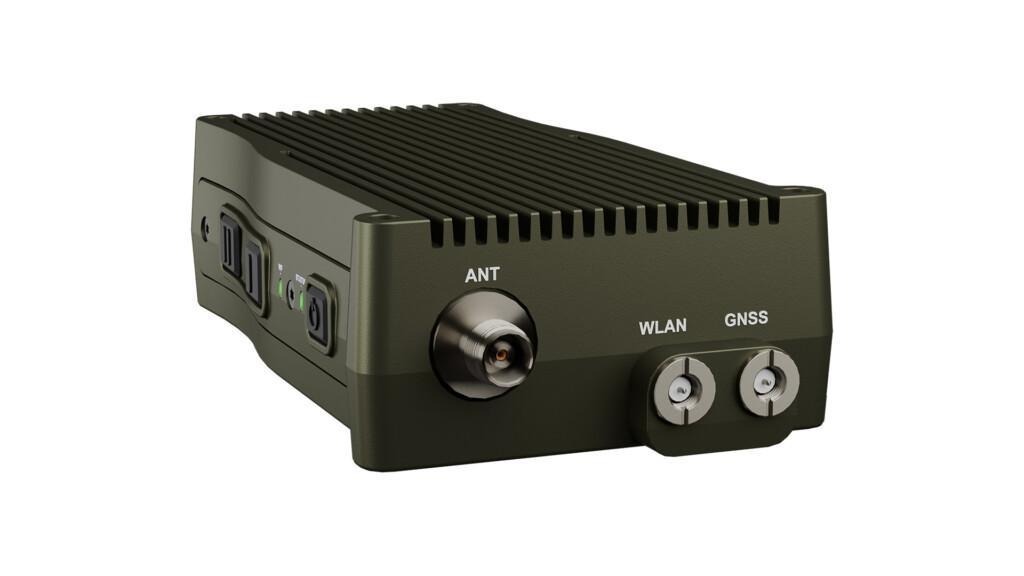
The account identifies progress in beyond-line-of-sight connectivity. That phrase should not be treated as a universal guarantee of continuous communication at any range or in any environment. A link’s usefulness is tied to the tested arrangement and the information it supports. The article’s twenty-kilometre handoff distance and the broader communications development describe related but different aspects of the event.
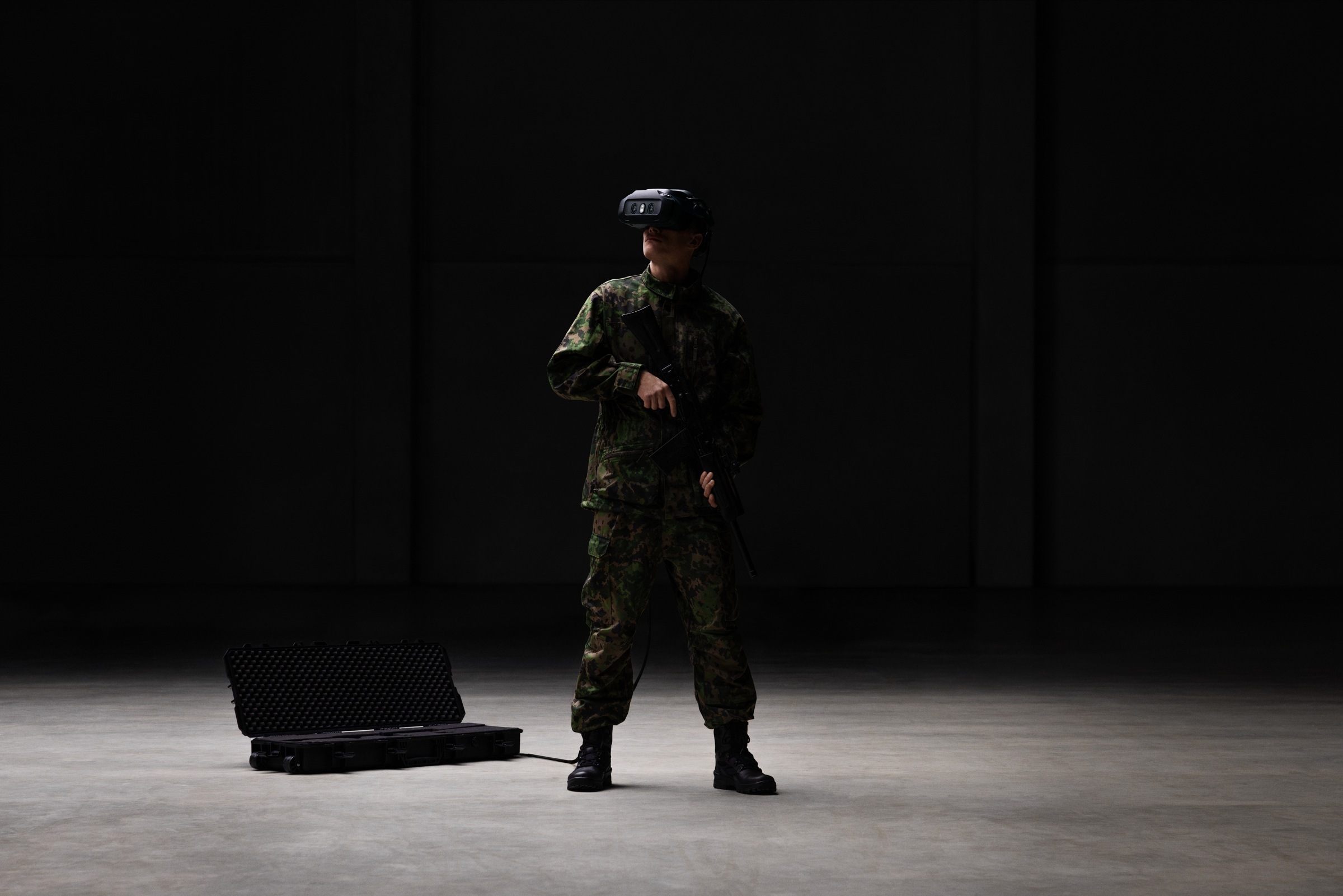
The man-packable control tablet also changes how operators might be positioned, while leaving training, support and integration questions. A portable interface can reduce one kind of physical burden without establishing the staffing required for every mission. A practical assessment should consider the complete sequence through which a team receives, controls and relinquishes an aircraft, including how it verifies the current aircraft and mission state.
The aircraft remains inside a prototype program
Airbus describes the effort as part of the Aerial Logistics Connector rapid-prototyping program. That framing matters because the purpose of repeated tests is to build evidence toward operational demonstrations and experiments. A successful event can retire a development question while leaving others open. It is therefore more informative to track the capability demonstrated at each event than to present the program’s test count as a direct measure of readiness.
Thermal-management modifications illustrate the same boundary. Preparing equipment for higher-temperature conditions is a development step; demonstrating sustained performance in those conditions is another. The company’s account should be read as progress on the modifications it identifies, without inferring an unreported environmental qualification. Separating the change from the eventual acceptance evidence allows subsequent test updates to add information rather than repeat an inflated readiness claim.
A future report can make that progression concrete by identifying the control-station configuration and the acceptance objective behind each event. This would allow readers to distinguish expanded capability from repeated confirmation of a function already shown in an earlier test.
The immediate contribution is a reported control-transfer result in a flying logistics prototype. Its longer-term significance depends on whether distributed teams can use that arrangement predictably through representative operations, with clear responsibilities and manageable support. The next persuasive evidence would connect the demonstrated handoff to repeated operational exercises and the program’s acceptance objectives. That would show how the prototype’s growing set of functions becomes a usable delivery service for the people it is intended to support.
Source organizations: Airbus U.S. Space & Defense, Shield, L3Harris, Parry Labs.
This analysis draws on the public sources linked in the text. Send corrections to [email protected].