Source chronology: Company release dated November 24, 2026. Analysis published 24 November 2026.
Removing the crew from a ship changes the meaning of a routine equipment fault. A problem that a technician could inspect locally becomes a question of detection, containment and recovery at a distance. Arc’s selection for Defiant’s electrical systems is important for that reason. It places a less visible part of maritime autonomy, keeping the vessel’s essential services working, alongside the more familiar problem of navigating without people on board.
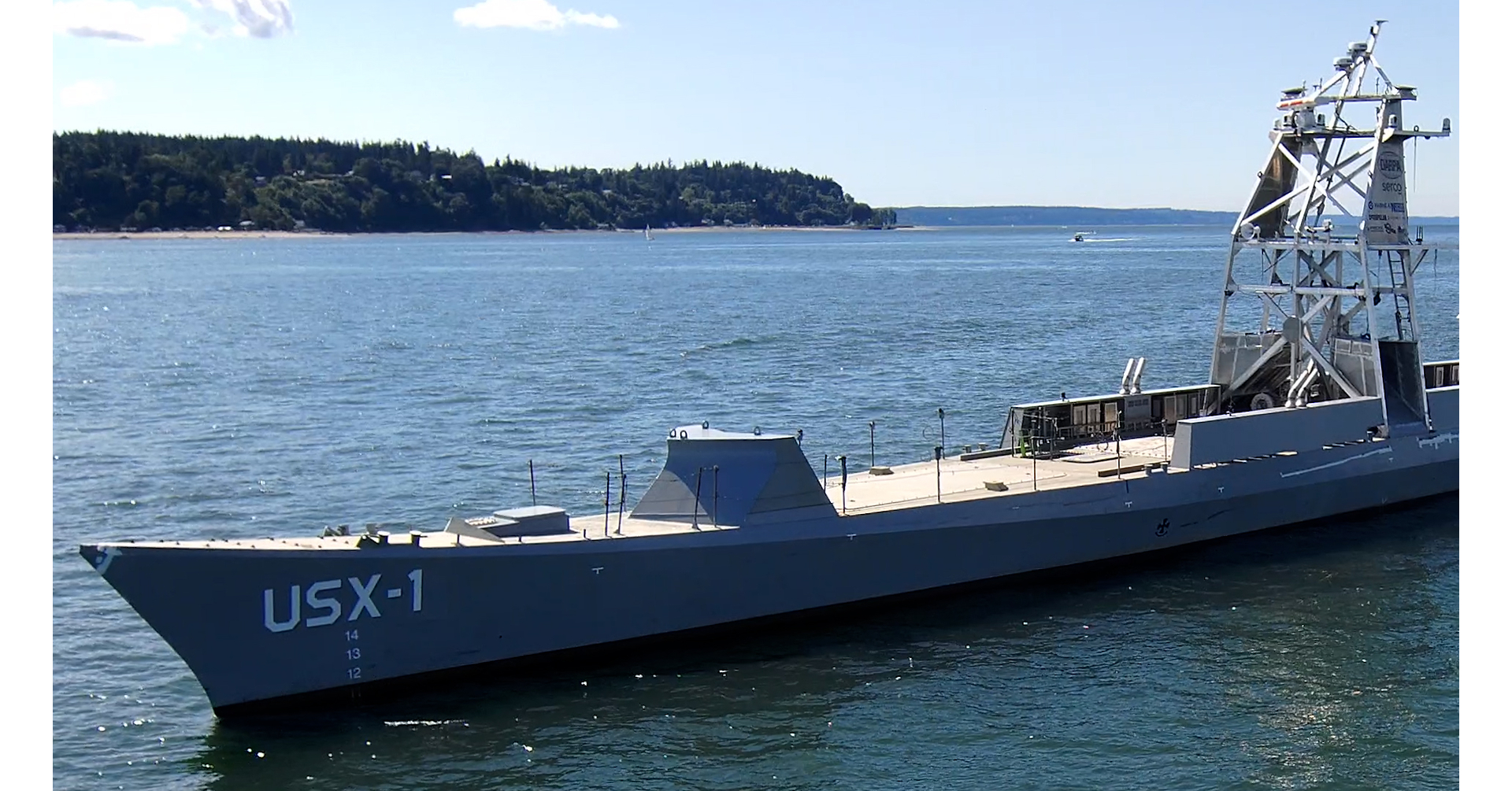
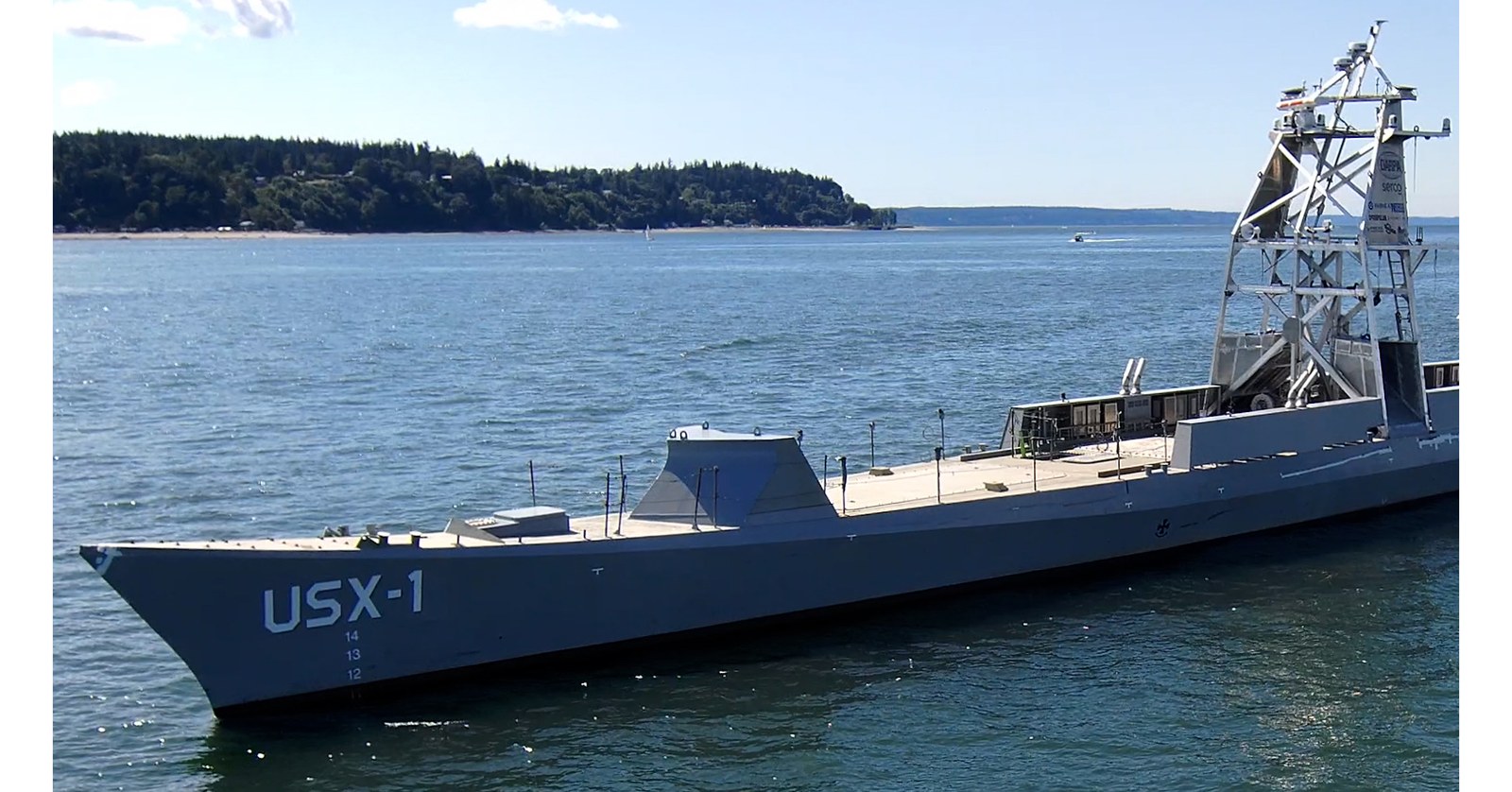
In a November 24 company release, Arc says it has been selected under a funded agreement to provide power-management and electrical systems for USX-1 Defiant, part of DARPA’s NOMARS programme. The release describes a fault-tolerant DC architecture and remote startup of high-voltage systems. It presents extended uncrewed endurance as a demonstrator objective. It does not provide independent reliability measurements or a completed endurance-test record for the announced integration.
The maintenance function becomes part of the design
A crewless vessel cannot rely on every unexpected condition being resolved by a person walking to the affected equipment. Some problems can be addressed through redundancy or isolation. Others require a controlled shutdown, reduced capability or a return for maintenance. A credible autonomy architecture should distinguish these responses and make the resulting operating limits clear to the supervising organization.
That requirement makes diagnostics consequential. Recognizing that a value is unusual is different from identifying the component responsible. A mistaken diagnosis could disconnect a healthy subsystem or repeatedly restart a failing one. We would therefore look for evidence of fault isolation, appropriate degraded operation and clear escalation when the system cannot determine a reliable remedy. A broad description of self-healing does not establish all three.
Power also connects otherwise separate functions. A change in an electrical state can affect communications, sensors and propulsion at the same time. Testing components independently is useful, but integration must show what the whole vessel does during an interruption. The important result is the availability of required functions under declared faults, with the vessel’s response and operator burden recorded together.
Power-system qualification should also identify maintenance and restart work performed between demonstrations. An apparently uninterrupted mission can depend on preparation that is invisible in a short release. A complete operating record would make the support burden assessable.
Test recovery as carefully as normal operation
The strongest argument for a software-defined electrical architecture is that it can make system state visible and support repeatable responses. The strongest objection is that added software can introduce its own configuration and failure dependencies. The appropriate comparison includes the benefits of controlled recovery and the cost of maintaining the logic that performs it. Neither side can be settled from an integration announcement alone.
A useful trial record would identify the initial fault, which functions remained available, whether recovery succeeded and how much human assistance was required. It should include cases the system correctly declined to repair automatically. A safe decision to reduce capability can be more valuable than an aggressive recovery attempt that creates another problem. Clear operating criteria make that distinction assessable.
Remote supervision requires similar discipline. The number of interventions, their duration and the specialist knowledge needed should be measured. A successful mission can still be expensive if a large engineering team remains continuously engaged. Demonstrating reduced onboard staffing is a different claim from demonstrating reduced total personnel effort, and the programme should make both visible where possible.
Our judgment is that this agreement addresses a real enabling constraint for uncrewed ships. The next milestone is integrated fault testing and sustained operation showing what the electrical architecture can recover from, what it must defer and how reliably it protects the vessel’s essential services. That evidence would give the autonomy claim operational substance.