An aircraft selection changes the relationship between a supplier and a military user. It moves attention from whether a platform is worth considering to how it will be introduced, supported and incorporated into existing work. Kraus Hamdani Aerospace's announced K1000ULE Army award is therefore a meaningful commercial and program step. Our assessment is favorable about that progression, while the operational judgment still depends on what units receive and can keep available.
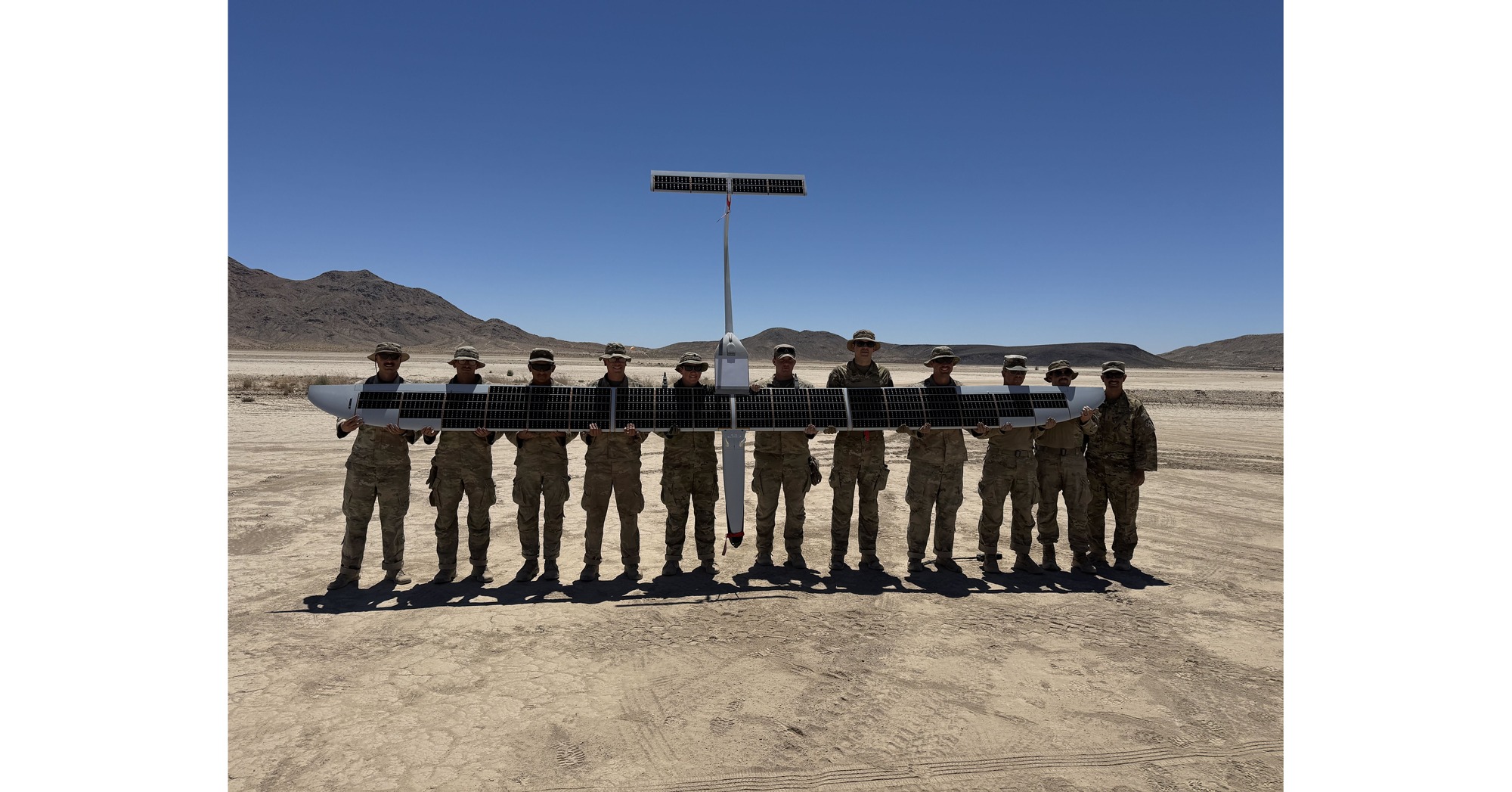
In its November 12 company release, Kraus Hamdani says the Army selected its K1000ULE for a program of record. It describes a Group 2 electric aircraft with vertical takeoff and landing capability, intended for reconnaissance and related missions. The release identifies earlier Air Forces Central contracting and Blue UAS listings as part of the platform's adoption history. It does not disclose an Army aircraft quantity or a unit-by-unit fielding schedule.
Selection creates a different evidence obligation
A procurement milestone matters because it can fund work that an evaluation alone cannot sustain. It can give users access to training, support and an established supply relationship. None of those benefits should be assumed from the aircraft name. The delivered configuration, accompanying equipment and contractual support obligations determine what the customer is actually acquiring.
For that reason, a useful fielding account would connect aircraft acceptance with the people and infrastructure required to use them. A system may arrive before trained personnel, approved procedures or maintenance capacity are ready. Conversely, an existing user organization may be able to absorb a new configuration with little additional work. The distinction affects when an award becomes useful military capacity.
Endurance must be connected to usable information
The company's emphasis on sustained airborne operation addresses a real ISR problem: users need observations at the time they can act on them. Our inference is that endurance becomes most valuable when it reduces gaps or handovers in a defined information service. Flight duration alone cannot show whether the sensor, communications link and operator workflow meet that requirement.
The right comparison therefore follows a mission from a request for information through collection and delivery to the authorized user. It should expose conditions in which the aircraft contributes little, as well as those in which it works well. Weather, maintenance interruptions and integration effort belong in the account. We are identifying evaluation questions here, not reporting a new test of the K1000ULE.
A modular platform still needs a baseline
Kraus Hamdani describes an open, modular architecture. Such an approach could help a customer change payloads or integrate new functions, but each useful combination still needs an identified baseline. A result measured with one payload should not silently become evidence for another. The maintenance and training implications can also change when equipment changes, even when the airframe remains familiar.
The strongest objection to emphasizing support is that an early award cannot publish every detail. That is fair. Absence of public detail is not proof that the work has been neglected. It is a limit on what outside readers can conclude. The company release substantiates a selection and intended delivery; it does not allow an independent estimate of fleet readiness, staffing savings or operational performance.
The next useful milestone would show accepted deliveries and the support arrangement around them, followed by a representative service record. We would look for availability, useful collection and the workload required to sustain both. The award is a constructive step because it makes those questions concrete. Its wider significance will emerge as fielding evidence replaces an announcement as the principal basis for judgment.
Sources and media credits
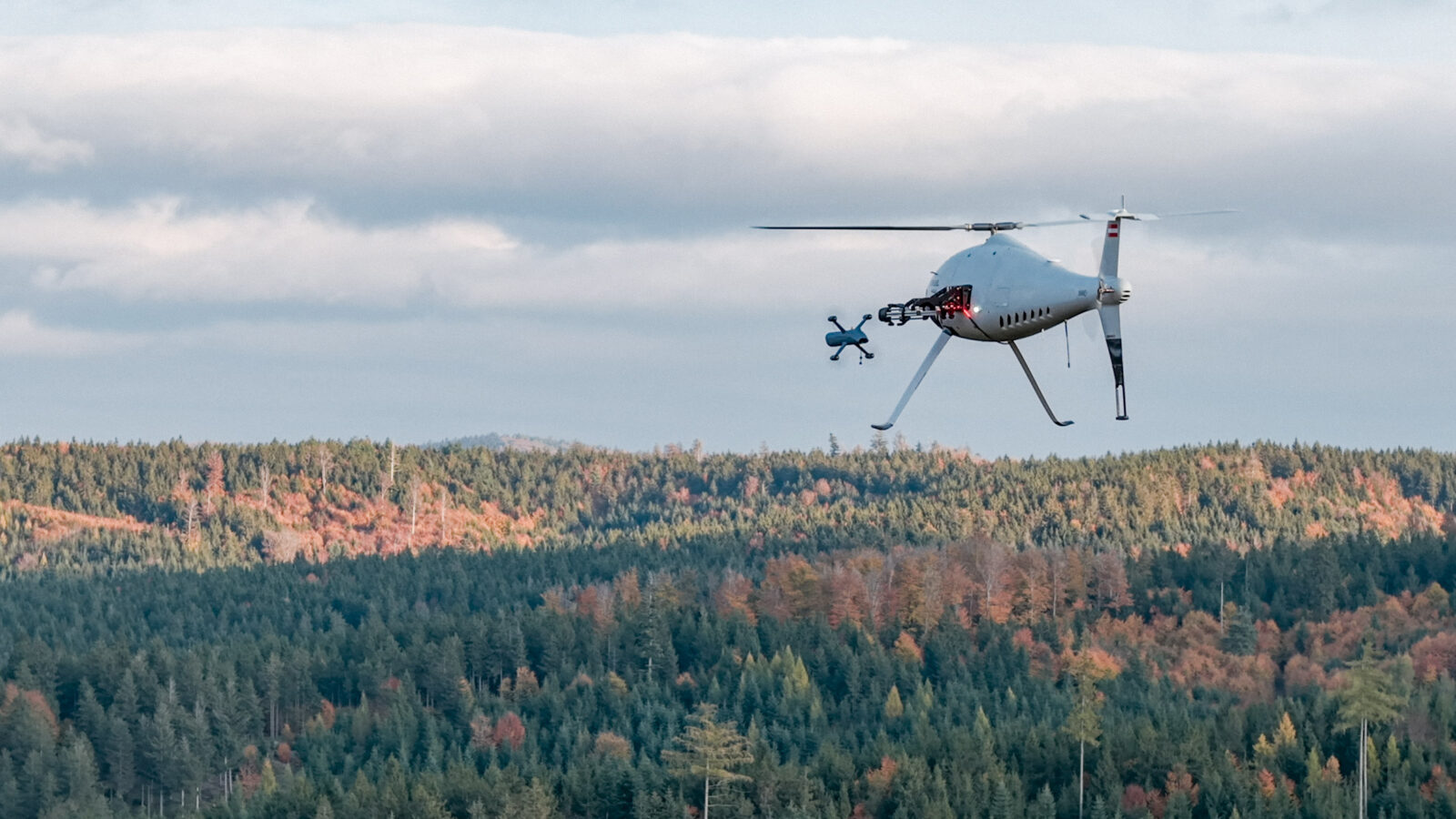
K1000ULE flight photograph supplied with the company’s Army-selection announcement. Capture date not independently established. Image: Kraus Hamdani Aerospace
This analysis draws on the public sources linked in the text. Send corrections to [email protected].