A lesson learned during field use becomes useful to another customer only after someone turns it into a controlled engineering change. A modified robot may solve an immediate problem while introducing new dependencies in software, repair procedures or operator training. Industrial partnerships matter when they make that transition repeatable.
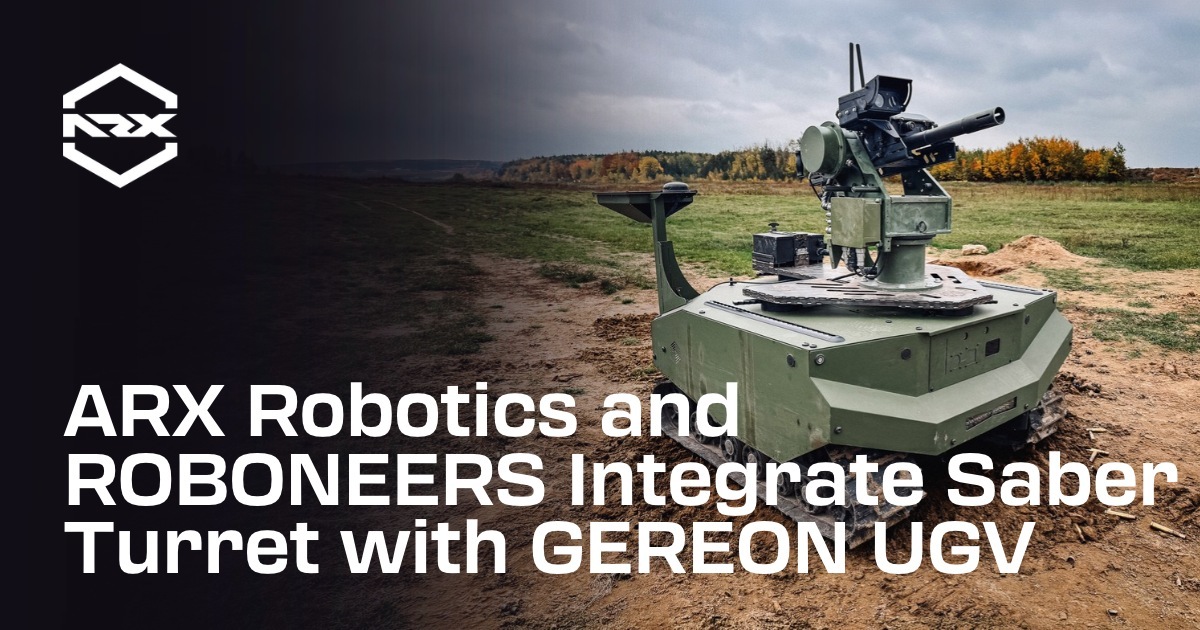
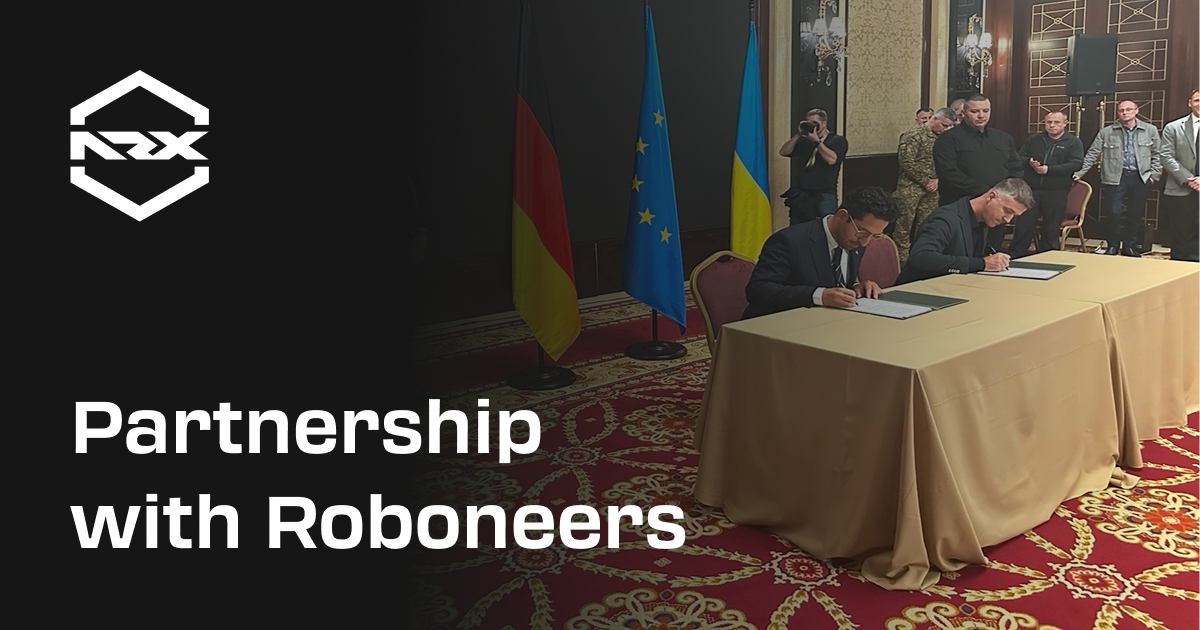
ARX Robotics announced a technology partnership with Roboneers on October 4, covering technical integration and joint development. The release links it to their previously announced production venture for Rys Pro vehicles in Ukraine and Germany. This is an analysis of that dated agreement, not a new October 27 delivery announcement. The source does not publish a measured result for a newly integrated fleet. Read the original announcement.
Feedback needs a version and an owner
A useful development process can identify which configuration produced an observation, whether the issue was reproduced and which change addressed it. Those records distinguish a transferable improvement from an anecdote. The partners’ agreement provides a reason to ask about that process; it does not disclose all of its implementation details.
Joint development also creates a practical question about support authority. If a vehicle combines components from both organizations, a receiving unit needs a clear route for diagnosis and repair. The relevant boundary is the tested configuration, rather than the nationality of the component or the location of final assembly.
Production is only one measure of capacity
Manufacturing more platforms can be valuable while leaving maintenance and training as constraints. A buyer can assess the capacity to deliver complete supported systems: equipment, spares, software versions, documentation and a route for handling faults. Counting bare vehicles would miss part of that requirement.
The immediate opportunity is to request a documented integration milestone, followed by a customer evaluation that reports both successful tasks and interventions. Conditions should remain attached to the result. Evidence from one site or mission can inform another evaluation, but it should not silently become a guarantee for unfamiliar terrain or a different payload.
An engineering change needs a return path
Consider an illustrative repair issue that appears in several vehicles carrying the same payload. A field team may find a temporary workaround, while the manufacturer later changes a connector, a software setting or a maintenance instruction. For the improvement to travel, the next receiving unit needs to know which change applies to its vehicle and how to verify the result. Simply hearing that another team solved the problem is insufficient.
A joint-development arrangement could make that return path clearer by assigning who reproduces a fault, approves a change and updates the support material. The public announcement does not supply those assignments. Their absence from a release is not proof that the partners lack a process; it is a boundary on what an external reader can conclude from the release alone.
Training and configuration records also affect how one deployment’s experience can inform another. A reported intervention may reflect unfamiliar controls, a maintenance issue or a limitation of the equipment. Grouping all interventions as one measure would conceal those differences. A useful evaluation can preserve enough context to make the result actionable while withholding sensitive details that do not belong in a public account.
For a buyer, the wider industrial question is whether the partnership can support more than one production location without creating incompatible versions of the same product. Shared documentation, a controlled change history and an identified support route would make that easier to assess. The evidence need not disclose operational tactics. It needs to show how a supported product remains recognizable as engineering work and production are distributed across organizations.
The wider value would be a durable learning process
A partnership could help different forces benefit from experience accumulated elsewhere, provided sensitive operational detail is protected and changes remain traceable. The next evidence is therefore not another broad cooperation statement. It is a supported configuration, an explicit division of engineering responsibilities and an account of how feedback changed the product without breaking its existing uses.
Source organization: ARX Robotics.
This analysis draws on the public sources linked in the text. Send corrections to [email protected].