Undersea awareness depends on connecting observations over time, not simply placing more autonomous equipment in the water. Sensors, communications and remote operations need to deliver information that an authorized naval user can interpret. The Royal Navy's Atlantic Net announcement addresses that service-level problem. Our assessment is positive about its integrated scope, while the announced framework should be distinguished from completed procurement and a demonstrated operating network.
The Royal Navy's November 10 account describes a framework with Ocean Infinity Solutions intended to enable £90 million of investment. It places Atlantic Net within the broader Atlantic Bastion program and says the framework was due to be signed that day. The stated capability combines maritime systems, sensing, communications, remote operations and data services under Royal Navy direction. The announcement does not provide an executed contract, a funded task-order schedule or independent performance measurements.
Coverage is a property of the connected service
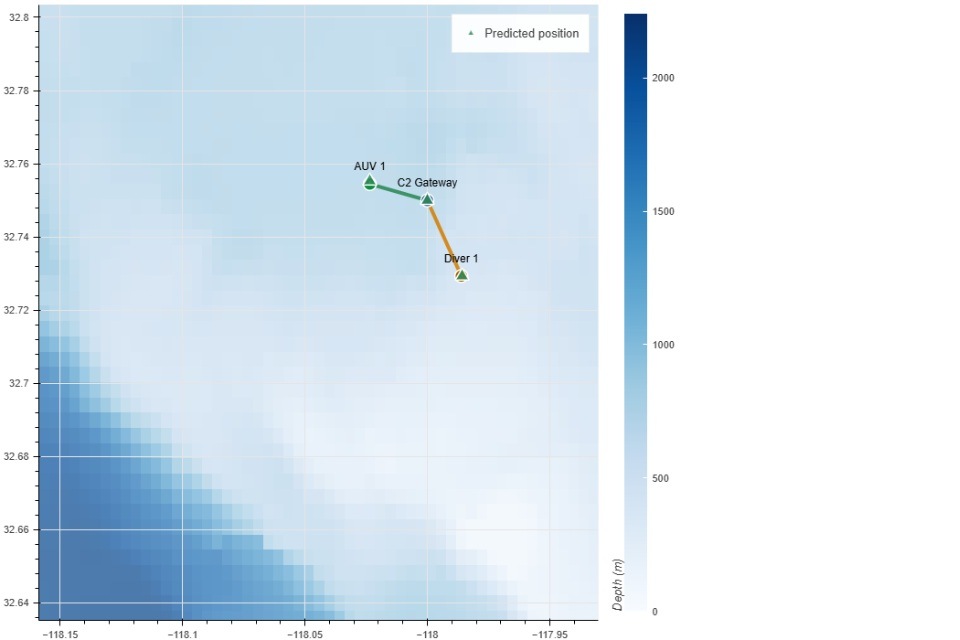
A collection of sensors can generate more observations without giving decision-makers a clearer account. Different systems may describe the same event differently or deliver information at different times. Our inference is that Atlantic Net's value will depend on making those relationships understandable: where an observation came from, how recent it is and what uncertainty remains. The public announcement identifies the integrated ambition, rather than measuring that outcome.
The stated Royal Navy direction is also significant. It distinguishes a supplier's collection of technical capabilities from the customer's responsibility for commissioning work and interpreting its results. An effective operating model should specify who owns an incomplete or delayed observation, who can change a requirement and who determines whether the delivered information is useful. A common interface alone cannot settle those responsibilities.
A framework opens a route to delivery
Frameworks can organize future work and make relationships easier to use. Their announcement should not be read as proof that every anticipated service has already been ordered, paid for or accepted. This distinction is especially important when a headline investment figure is associated with a capability that will develop in phases. The subsequent commitments and acceptance records will establish what the spending actually buys.
The strongest counterargument is that a networked program cannot wait for every element to mature before delivering value. That is reasonable. An early phase could provide a useful, bounded service while later elements remain under development. The evidence should describe that phase's actual coverage and limitations, rather than allow its successful operation to stand in for the entire future architecture.
Measure what reaches the user
For the customer, a useful service record would connect requirements with delivered observations and the work needed to interpret them. Equipment counts and time at sea are relevant inputs, but neither establishes whether an information need was met. Reporting should also show interruptions and restoration to service, because a network's limitations can matter as much as its most successful collection period.
Support deserves a place in that record from the beginning. Remote operations can move personnel away from some tasks while increasing demand for technical staff elsewhere. Data integration can save an analyst time or add another stream to reconcile. A credible account should make those effects visible without assuming that automation necessarily reduces total staffing.
The next milestones are the executed arrangements, the scope of funded work and an account of the first accepted capability. We would then look for evidence of sustained delivery against that defined scope. The announcement is consequential because it frames autonomy as part of an integrated naval service. Its promise will be realized through dependable information and accountable operation, rather than the novelty of any single platform.
Sources and media credits
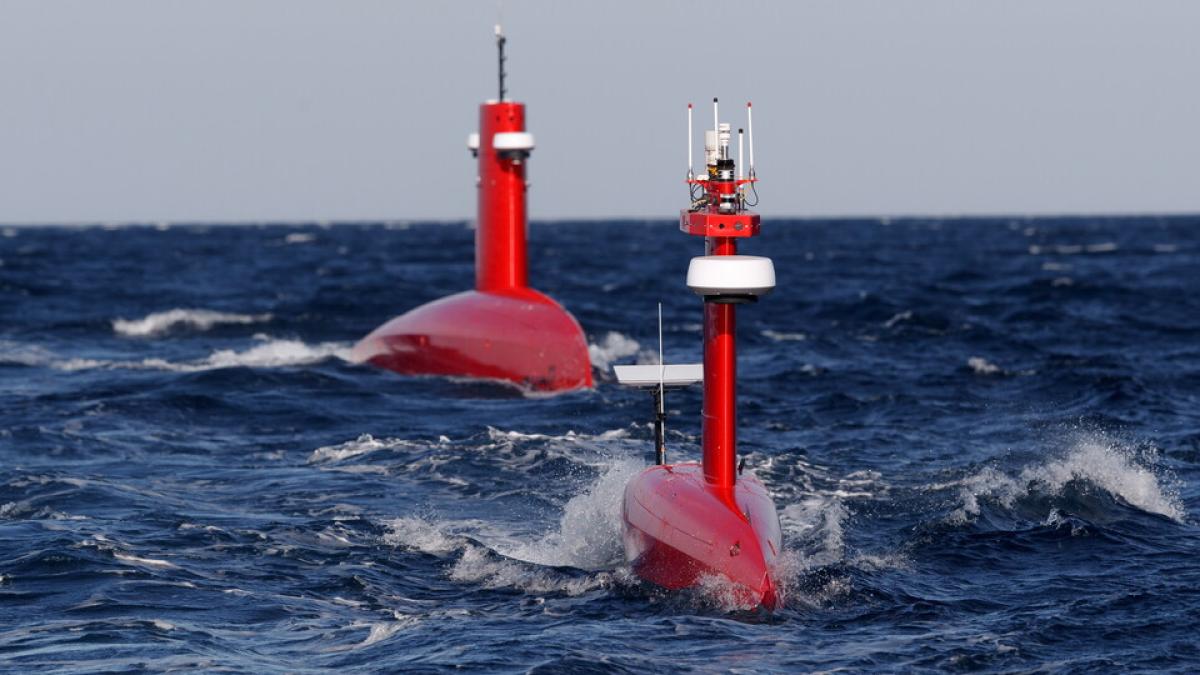
Royal Navy source image illustrating autonomous maritime technology. Context for Atlantic Net, not proof of completed service acceptance. Image: Royal Navy
This analysis draws on the public sources linked in the text. Send corrections to [email protected].