Autonomous vessels become useful fleets when operators can keep them working after the first deployment. Buying the hull is only one part of that task. Maintenance, trained supervisors and dependable mission data determine whether an uncrewed platform adds capacity or creates another equipment queue. Exail's latest American DriX orders are therefore significant for more than the number of boats involved. They put additional demand on an existing support operation, offering a practical test of whether maritime autonomy can become a repeatable service.
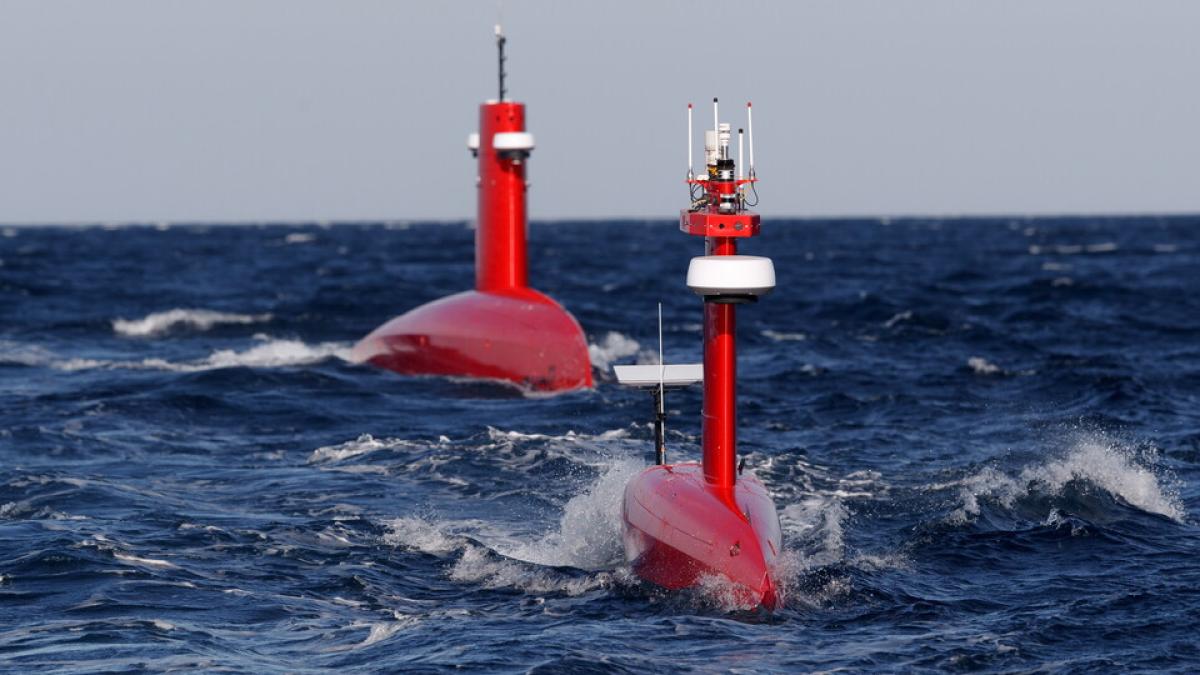
In its November 18 announcement, Exail reports orders for five vessels: two O-16s and an H-9 for a civil operator, plus two H-9s for separate institutional customers. It describes the combined value as several tens of millions of euros, without identifying the buyers. These are commercial commitments, not evidence of completed delivery. The institutional label does not establish military ownership, and the announcement should not be presented as a US Navy purchase.
A support network is part of the autonomy system
The relevant autonomous function is navigation. Exail's product account links that function to its inertial navigation systems and describes an architecture that can accommodate different mission sensors. A vessel navigating without an onboard crew still depends on people to define the work, assess exceptions and judge the usefulness of its output. The announcement does not quantify that supervisory burden.
This distinction matters to defense readers even though the disclosed customer mix includes commercial offshore work. Surveying, infrastructure monitoring and maritime surveillance can all benefit from keeping people away from long or demanding voyages. But useful civil experience does not automatically demonstrate suitability for a particular military mission. Requirements for communications, information handling and acceptance must be assessed separately rather than borrowed from the broader platform's reputation.
Exail says it has supported US DriX customers through a local maintenance and training hub since 2023. That is a consequential detail. A customer evaluating autonomous capacity needs to know how a disabled vessel returns to service, how replacement staff learn the operating procedures and who resolves a sensor fault. Those arrangements affect available days at sea just as directly as advertised endurance does.
Count useful work, not only distance travelled
The strongest evidence in favor of the commercial thesis is a repeatable platform family attracting several customers. Multiple buyers can spread demand across a common service organization and provide experience from different operating conditions. That could make support more economical and training more consistent. It remains an inference about the opportunity, not an outcome established by the five orders.
The strongest objection is that adding customers can also overload the same organization. More hulls mean more maintenance cases, software configurations and people needing assistance. If support demand grows faster than staffing and spare-parts availability, an apparently larger fleet can deliver less useful work per vessel. Procurement should therefore ask how service capacity grows alongside deliveries, rather than assuming that a local address proves adequate coverage.
A suitable acceptance record would connect three things: vessel availability, the quality of the collected information and the human effort required to obtain it. Distance travelled alone cannot show whether a survey met its specification. Likewise, a completed mission cannot establish low operating cost unless the record includes preparation, supervision, recovery and rework. These are evaluation criteria we would apply, not results Exail has disclosed for the new orders.
Separate platform maturity from customer readiness
The near-term beneficiaries are the purchasing organizations if the vessels arrive in usable configurations with trained personnel and responsive support. Exail gains a larger installed base to sustain. Both sides also inherit integration work: a familiar hull does not eliminate the need to qualify each customer's payload, procedures and data flow. The announcement gives no basis for assigning a date to full operational readiness.
Over time, a common fleet could support a more durable market for maritime autonomy. Repeatable maintenance and training may reduce the effort needed for the next customer to begin operating. The alternative is a collection of individually customized projects whose support costs remain stubbornly high. Evidence of shared procedures and predictable service turnaround would help distinguish the two.
Our assessment is that the orders strengthen the commercial case for DriX, while leaving the operating economics open. The milestone to watch is accepted delivery followed by documented, sustained customer work. A larger order book matters most when the support system can turn it into more reliable days of useful operation.
This analysis draws on the public sources linked in the text. Send corrections to [email protected].