Commercial shipbuilding offers an attractive starting point for an autonomous naval vessel: established hulls, industrial skills and a supply chain that already builds ships. The difficult work is translating that foundation into an accepted military capability. Balaena and Kongsberg Maritime's Arctic Hunter agreement is best understood through that transition. Our view is that the industrial pairing is credible, with its naval significance dependent on integration and customer acceptance still ahead.
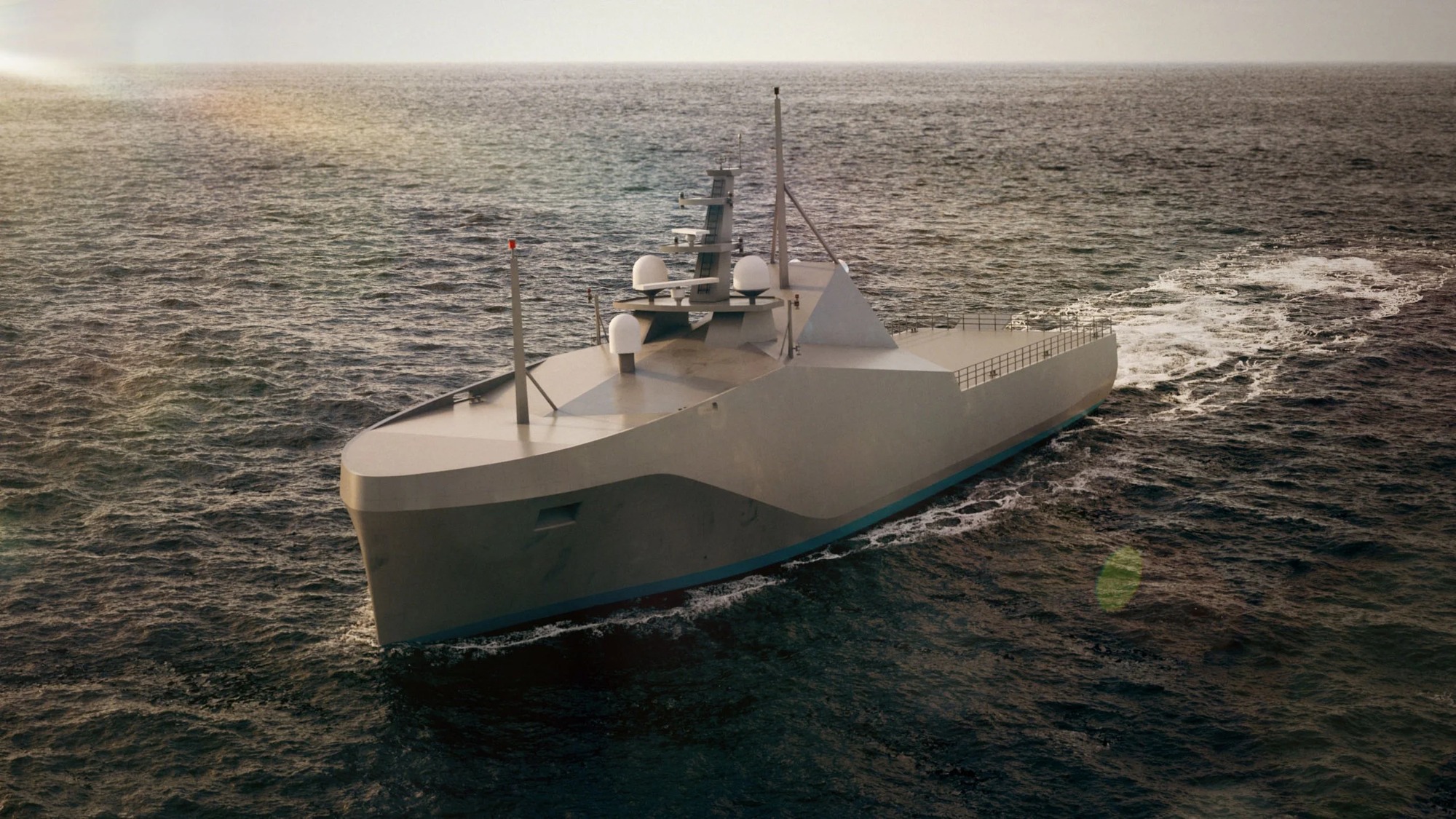
Balaena's November 11 announcement records a memorandum with Kongsberg Maritime supporting Arctic Hunter, a proposed solution for the Royal Navy's emerging Type 92 requirement. The concept combines commercial vessel design with remote and autonomous technologies, sonar and military communications. Balaena identifies Birkenhead as the intended construction location and describes an ambition for vessels ready for military integration before the decade ends. These are proposed program arrangements, not a disclosed Royal Navy construction award.
A familiar hull does not settle the system design
Reusing a vessel design can reduce the amount of unfamiliar engineering in a program. It does not remove the need to establish how the integrated system behaves. Remote operations, communications, sensors and the human authority structure must function together. The relevant acceptance object is that combination, rather than a hull with an attractive heritage and a list of planned equipment.
The announcement's distinction between construction and military integration is therefore important. A vessel ready to receive or integrate military systems has achieved a different milestone from one accepted for operational service. Keeping those stages visible allows a buyer to recognize genuine industrial progress without assigning it the performance of a completed naval system.
Persistence has a maintenance side
The proposed High North role makes dependable operation central to the concept. Our inference is that persistence should be assessed across the vessel's support cycle, including the periods when equipment needs attention. A long-duration claim is useful only when the program also understands interruptions, inspections and restoration to service. These are program-level questions; no specific operating procedure is being proposed here.
A commercially derived platform may have advantages in that support discussion. Existing manufacturing and maintenance knowledge could reduce some uncertainties. The strongest objection is that adding specialized sensors and control systems can create dependencies not shared with the commercial fleet. An affordable ship does not guarantee an affordable surveillance service. The program needs an account of both.
Separate industrial readiness from procurement certainty
Balaena's existing yard infrastructure gives the proposal a specific industrial setting. That is more informative than an unlocated intention to manufacture in Britain. It still leaves questions about the funded program, delivery responsibilities and the work required before military acceptance. Public readers should not infer an order book from a memorandum or treat a company ambition as an official service-entry date.
The immediate practical impact is a clearer division of potential industrial contributions. That can help partners and customers assess which parts of the proposed program already have an institutional home. It can also expose interfaces needing further agreement. The useful next documents would define what each organization must deliver and how those contributions will be tested together.
We would judge the next phase by the progression from concept to funded configuration and from construction to representative trials. A transparent account of those stages would strengthen the claim that commercial shipbuilding can accelerate naval autonomy. The partnership deserves attention for connecting relevant capabilities. Its credibility will increase when the evidence describes an accepted service, with the conditions and limitations of that acceptance made clear.
Sources and media credits
Supplier Arctic Hunter concept image accompanying the November 11 memorandum; not a delivered naval vessel. Image: Balaena
This analysis draws on the public sources linked in the text. Send corrections to [email protected].