Source chronology: November 19, 2026. Analysis published 24 November 2026.
An uncrewed combat aircraft changes a force only when it can be tasked, supported and returned to service reliably. The first handover is an important point in that process because responsibility begins to move from a development programme toward a user organization. Baykar’s reported Kizilelma deliveries deserve recognition as that kind of milestone. Their significance should be judged through the operating system that follows, rather than through the most expansive interpretation of the aircraft’s description.
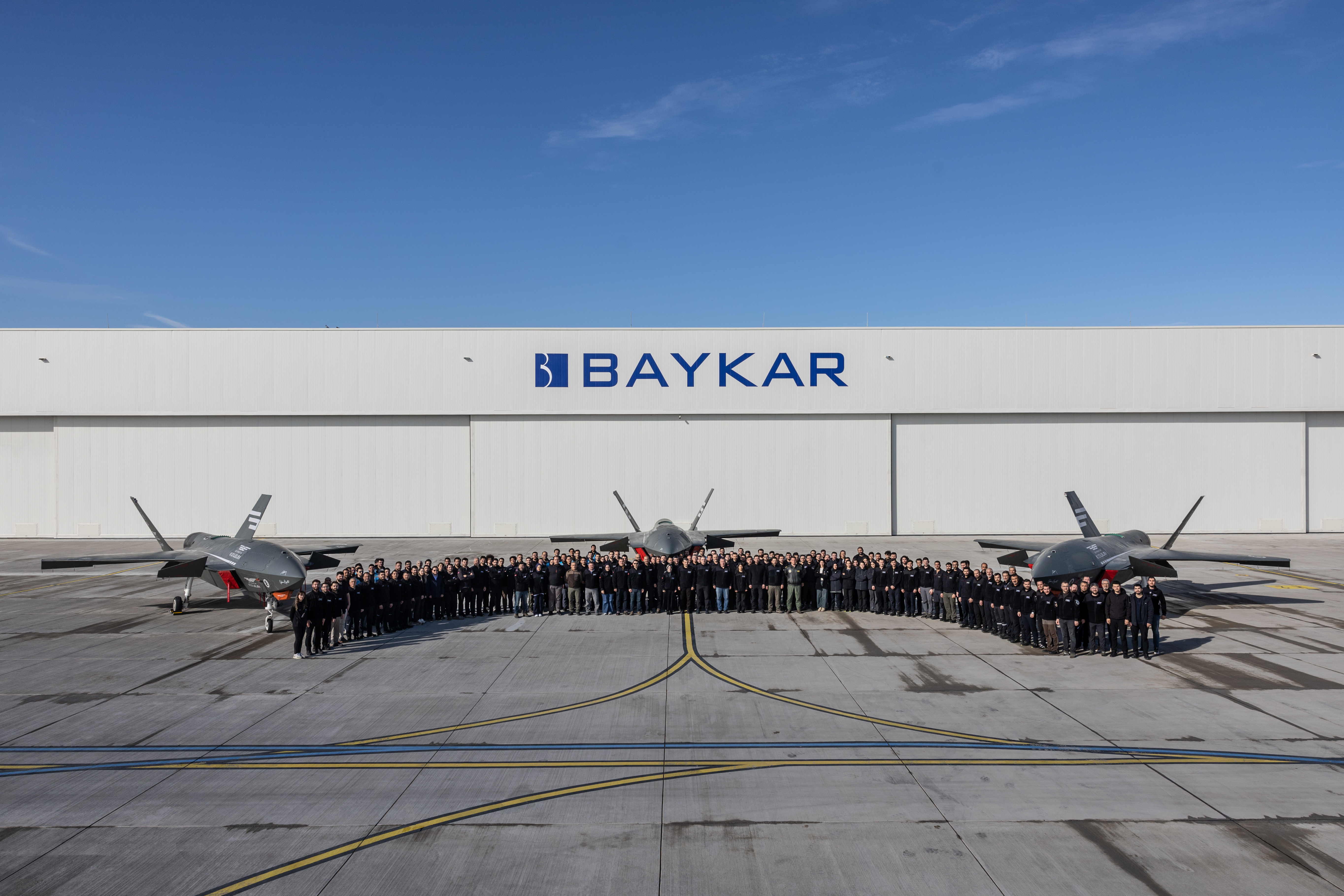
In its November 19 announcement, Baykar says the first three Kizilelma aircraft completed acceptance tests and were delivered to Turkish security forces. The company also reports cumulative test and training activity. These are attributed supplier statements about programme progress. The announcement does not publish the complete acceptance criteria, sustained mission-availability data or an independent assessment of combat effectiveness.
Acceptance opens a different phase of evidence
A development team can concentrate engineers and specialist support around a small number of aircraft. A user organization needs repeatable procedures that work across shifts, weather conditions and maintenance cycles. That transition should be visible in the evidence. Accepted delivery establishes that a defined milestone was reached; it does not automatically establish how often the aircraft can perform the missions customers ultimately want.
The word autonomous also needs a function attached to it. Automatic flight control, navigation, coordinated behaviour and authorization for an operational action are different matters. Readers should not infer one from another. A useful public account would identify which functions have been demonstrated, under what constraints and with what supervisory arrangement, while respecting legitimate limits on sensitive detail.
For a new platform, the supporting information chain is part of readiness. The receiving team must understand software configuration, approved payloads, communications requirements and the conditions that trigger intervention or recovery. An airframe can be available while a required sensor or ground-system component is not. Reporting the complete usable configuration avoids treating those separate states as identical.
A follow-up operating record should distinguish aircraft accepted, aircraft available for a task and aircraft completing the intended task. Those counts answer different readiness questions. Publishing them with a defined period would make the inventory milestone more informative without requiring disclosure of sensitive mission details.
Readiness includes the work around the aircraft
The strongest argument for a small initial delivery is that it creates a bounded learning opportunity. Operators and maintainers can discover problems before a larger fleet multiplies them. The strongest objection is that early success may depend on exceptional support that cannot scale. Both possibilities should be tested through ordinary operating records rather than assumed from the first handover.
A useful assessment would connect planned missions, completed tasks, cancellations and maintenance activity. It should record the personnel effort required to prepare and recover the system. A flight that succeeds after extensive troubleshooting provides different readiness evidence from one completed through a stable routine. Counting both as a single successful sortie can obscure the resource requirement.
Software changes deserve equal scrutiny. A revised capability can improve one task while altering another interface or support procedure. Configuration-controlled acceptance and representative regression testing help the customer understand what has changed. An uncrewed aircraft’s ability to evolve is valuable when the user can retain confidence in the functions already relied upon.
Our judgment is that the reported deliveries represent meaningful progress, with the important qualification that sustained readiness is the next research and operational question. Evidence of repeatable customer missions, support turnaround and a clear supervisory boundary would make the case materially stronger. The delivery milestone should start that assessment, rather than stand in for its conclusion.