Producing an established robot in another country can change who supplies parts and who learns from failures. The value is not simply another assembly address. A receiving manufacturer needs enough knowledge to integrate, maintain and update the machine without losing the experience accumulated by its original developer.
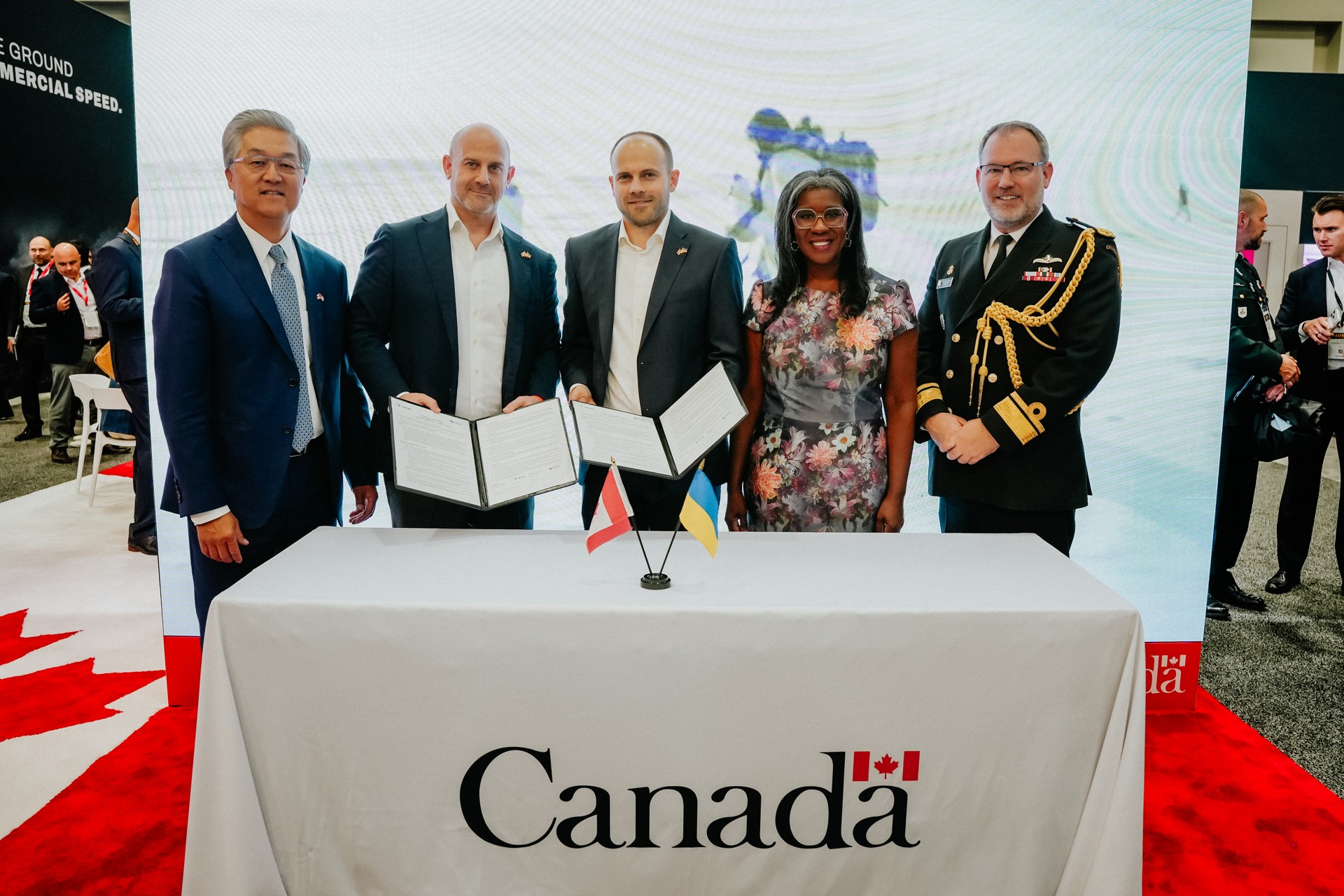
Dominion Dynamics announced an October 13 memorandum with Ukraine’s TENCORE to manufacture TerMIT unmanned ground vehicles in Canada. The proposed arrangement includes technology transfer and support from TENCORE technicians, with production targeted for 2027 and an intended connection to Dominion’s AuraNet. Definitive agreements remain a future step. The announcement is therefore a manufacturing proposal, not evidence of Canadian deliveries. Read the source account.
Transfer the operating knowledge with the design
A vehicle developed under demanding conditions can offer useful practical lessons, but the Canadian configuration still needs its own acceptance evidence. Communications, payloads and operating environments can change the behavior of the complete system. An announced software connection should be assessed as an integration task until the resulting configuration has been demonstrated.
Technology transfer also has a human dimension. Training local technicians is useful when it leaves maintainers able to diagnose recurring faults and distinguish routine repairs from changes needing engineering review. The release does not disclose a quantified transfer package or demonstrate that Canadian support can already operate independently.
How to evaluate a transferred production process
A practical transfer test could ask Canadian technicians to assemble and diagnose a representative vehicle using the proposed documentation and tools. The question would be whether knowledge has become repeatable outside the original development team. This is a suggested assessment, not an announced test. Requiring the receiving team to explain a fault and restore a documented configuration would reveal a different kind of readiness from a polished driving demonstration. Both can be useful, but they answer different questions about the proposed local capability.
The AuraNet connection adds another responsibility to define. A customer needs to know what information and commands cross that interface, which versions were tested together and what happens when the connection is unavailable. The physical vehicle can be manufactured locally while its operational integration remains incomplete. Conversely, a working software demonstration would not show that production tooling or supplier qualification is ready. Treating those milestones separately makes it possible to track progress without allowing one successful activity to stand in for the entire program.
Production targets also need a denominator. A target year can refer to a first prototype, initial assembly or repeatable output of an accepted configuration. The announcement does not settle that distinction through a disclosed delivery schedule. A more informative follow-on would identify the intended first deliverable, its acceptance process and the source of critical components. That evidence would help a customer understand whether local production mainly changes final assembly or provides a deeper ability to sustain and modify the vehicle over time.
The wider argument for technology transfer is learning. Fault reports from a new operating environment should reach people authorized to improve the design, while approved changes should return to the production and maintenance teams. A partnership can create that feedback route without guaranteeing that it already works. The 2027 objective becomes more meaningful when accompanied by evidence that the partners can preserve a common configuration and act on problems together. No production-rate or battlefield-performance estimate is inferred from the memorandum.
The release’s account of TENCORE’s prior manufacturing experience should remain attributed to the company, rather than becoming an independent production audit. Experience can inform the transfer plan without proving a Canadian line is ready. A receiving customer can request evidence for the specific processes it will rely on, including supplier qualification, acceptance inspections and technician training. Those records would connect the original platform’s history to the proposed Canadian capability instead of assuming that one automatically establishes the other.
The next milestone
The next evidence is a definitive agreement, an identified production configuration and results from representative local testing. If those steps preserve the original developer’s experience while building local support, the partnership could offer more than imported hardware. A memorandum and a target year establish the intended direction; they do not establish manufacturing readiness.
What would change the assessment
Look for the next documented configuration, its test conditions and its support responsibilities. The current source establishes the announced stage; later results should identify what changed.
This analysis draws on the public sources linked in the text. Send corrections to [email protected].