An imported ground robot needs more than a shipping route. A customer must be able to assemble, repair and sustain the particular configuration it buys. Local industrial partnerships matter because they can move those responsibilities closer to the receiving force, provided the division of work becomes specific enough to support.
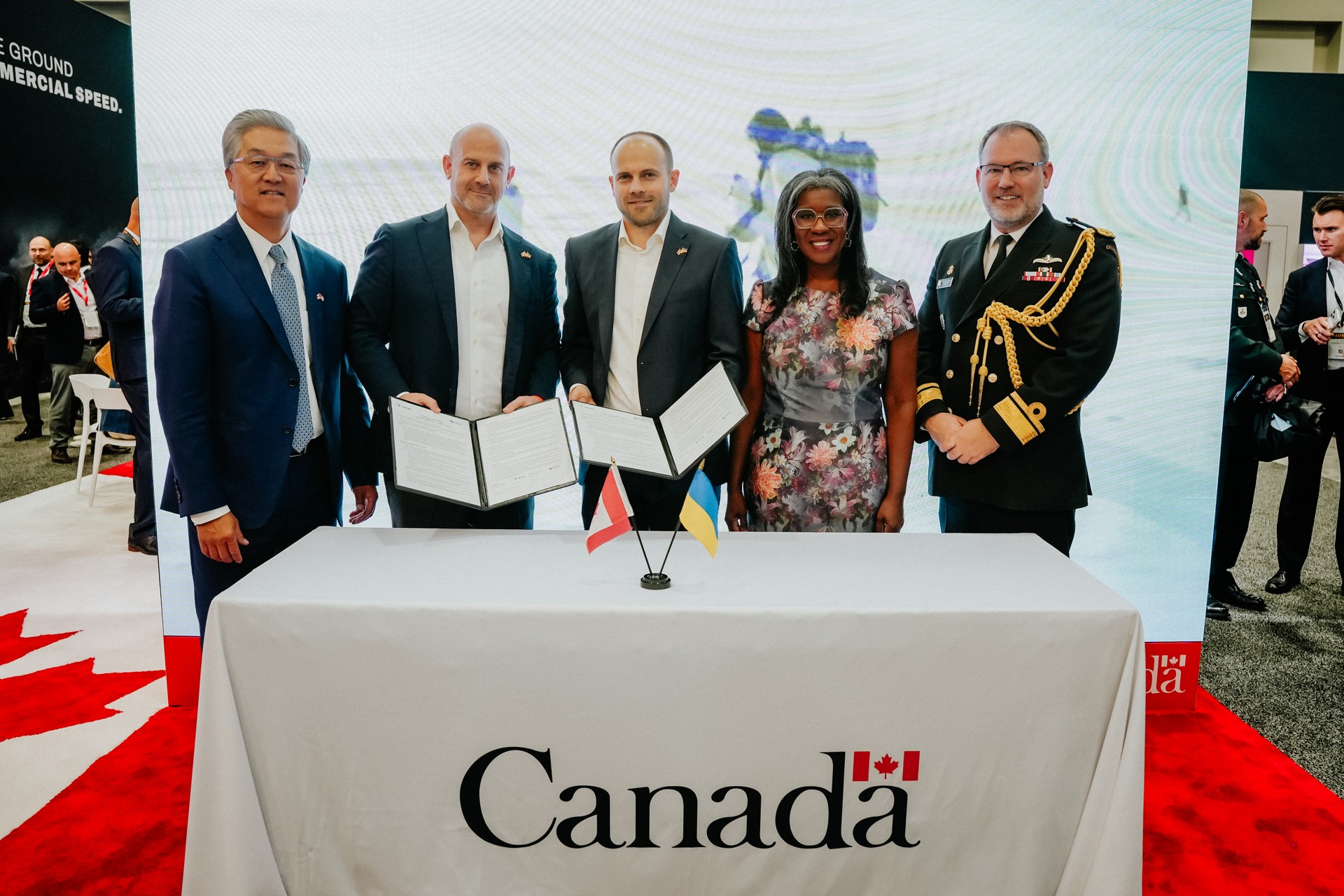
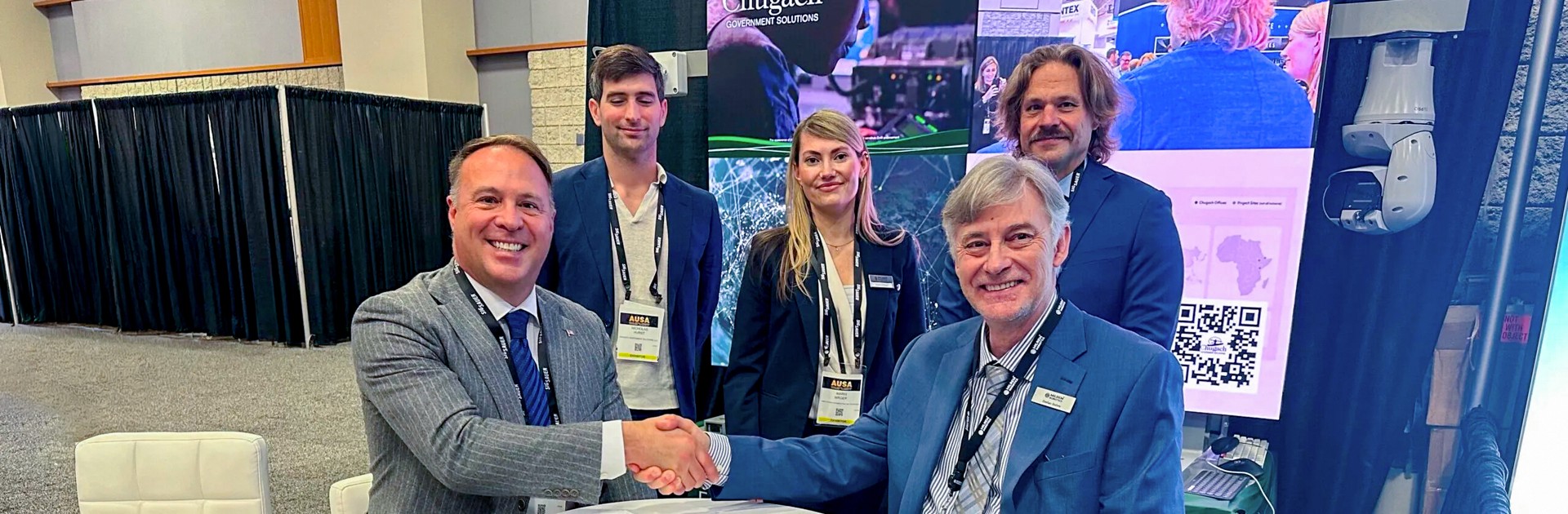
Milrem Robotics announced an agreement with Chugach Alaska Corporation on October 14 to explore long-term US production and support of unmanned ground systems. The memorandum identifies a possible US industrial partner for production, assembly, integration and lifecycle support, including foreign military sales. It establishes cooperation to investigate that arrangement; it does not announce a completed facility, a production quantity or a procurement award. Read the source account.
A support arrangement must identify the configuration
Local assembly can shorten one part of the supply chain while software, sensors and specialist components remain dependent on the original developer. The meaningful next detail is which tasks Chugach would perform, which technical information it could use and which repairs would still require overseas assistance. These are assessment questions, not disclosed contract provisions.
A customer also needs to know who accepts a repaired vehicle back into service. A mechanical repair can change sensor alignment or vehicle behavior. A support agreement becomes more useful when it specifies how the industrial partners preserve the tested configuration and manage later changes. The release provides no measured turnaround times or readiness comparison.
What a customer can ask the industrial partners to demonstrate
Consider a vehicle returned from training after an intermittent control fault. A US support team needs to determine whether the cause is a damaged connector, an incompatible software release or a sensor installation that has shifted. This is an illustrative maintenance scenario, not a reported Milrem failure. It shows why access to diagnostic tools and engineering decisions can matter more than the place where final assembly occurs. The customer benefits when the team can resolve the problem through a documented process instead of repeatedly shipping an otherwise serviceable vehicle abroad.
A production arrangement also needs a way to preserve changes made during local integration. Radios and payloads may be selected for a particular customer, and their installation can affect power, weight and electromagnetic compatibility. Local production becomes more transferable when the partners can identify the approved bill of materials and the evidence supporting substitutions. Neither the memorandum nor a signing photograph establishes that this configuration-management work has been completed. It is a concrete subject for a later agreement and demonstration.
The commercial boundary deserves equal clarity. A sustainment promise can cover spare parts while excluding software updates or field engineering. A buyer comparing proposals would need to identify those inclusions, response arrangements and responsibilities over the intended service life. That comparison should include work retained by the customer, such as storage, inspection and transport. Counting a local industrial partner as a complete support solution would obscure the remaining workload. A defined support package can make the same partnership much easier to assess without assuming a particular contracting outcome.
Finally, foreign military sales can involve a different recipient and operating environment from domestic US use. A production capability that supports one configuration does not automatically qualify every export configuration or establish an export approval. The useful evidence would connect a specific customer requirement to the local work package and the original developer’s engineering support. These distinctions keep the industrial claim testable while allowing the memorandum to serve its intended purpose: creating a framework in which the partners can work out how production and support might actually function.
A pilot support exercise could follow one vehicle through receipt, inspection, a repair and return to training. Recording elapsed time and work performed by each organization would show where local capacity changes the process. It would also expose remaining dependencies without requiring the partners to claim that every repair is already domestic. The memorandum does not report such an exercise. Its purpose here is an assessment framework that a customer could use to turn an industrial proposal into observable evidence.
The next milestone
For Milrem, a US partner could make an established platform easier to propose as a supported service. For a buyer, the next milestone is a definitive industrial arrangement with responsibilities, capacity and acceptance criteria. The memorandum opens that route without demonstrating that the route has already delivered a fleet.
What would change the assessment
Look for the next documented configuration, its test conditions and its support responsibilities. The current source establishes the announced stage; later results should identify what changed.
This analysis draws on the public sources linked in the text. Send corrections to [email protected].