A ground robot can join an existing vehicle fleet only if operators and maintainers understand how it fits the work they already perform. A local industrial partner may help translate a platform into that setting, but common ownership of a proposal does not automatically create a common operating system.
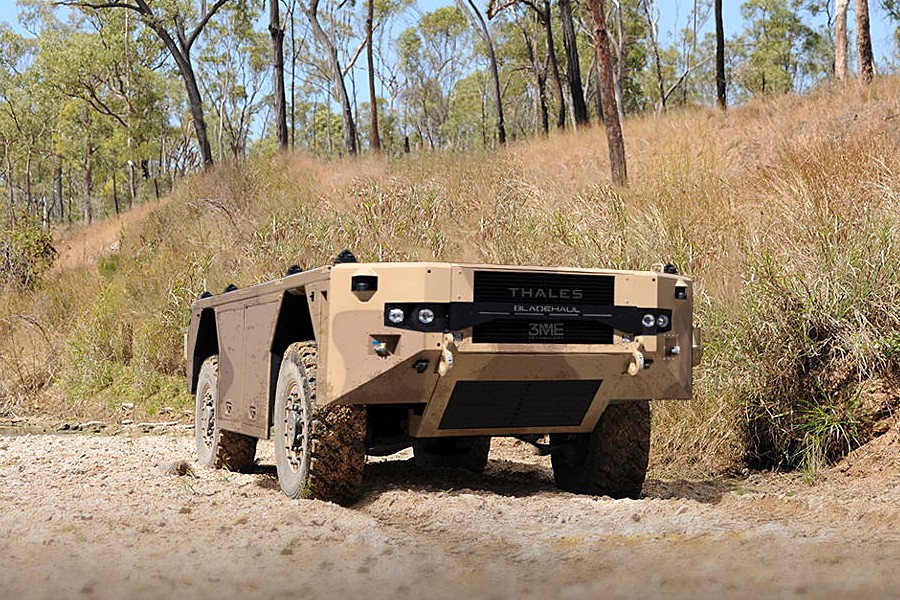
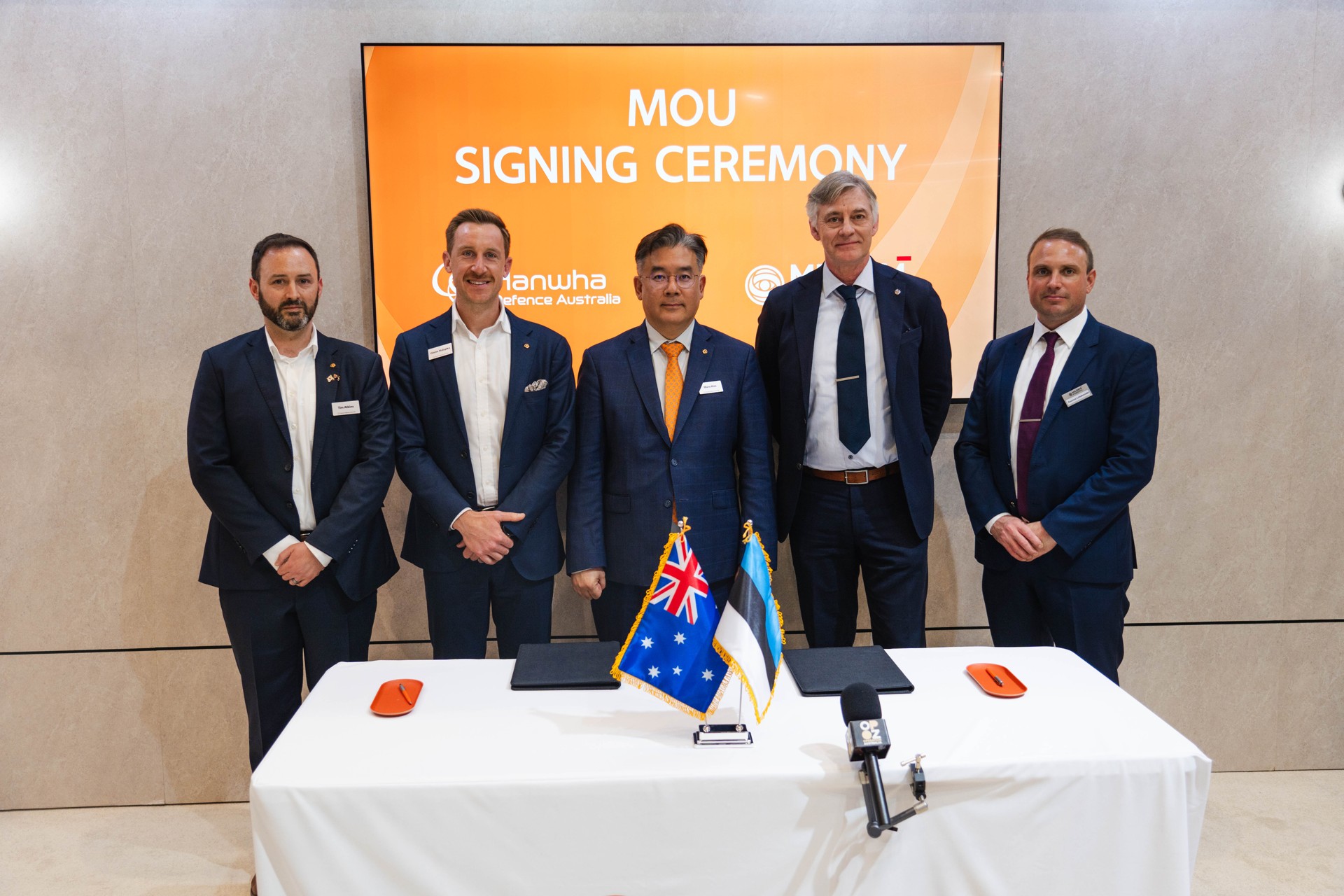
Hanwha Defence Australia announced an October 6 memorandum with Milrem Robotics at Land Forces 2026. Hanwha purchased a THeMIS vehicle for the Perth display and described a framework for local marketing, manufacture and sustainment through its Australian industrial presence. The announcement also discusses possible integration with Redback and Huntsman systems and future training and demonstrations. It does not report a fielded combined fleet. Read the source account.
Demonstrate the relationship between the vehicles
The purchased vehicle gives the parties a concrete integration asset. It does not establish how a crew would task it, supervise movement or recover it after a fault. A useful demonstration would specify which vehicle and software versions participated, what information crossed between them and which decisions remained with the operator.
Local sustainment offers a separate test. The customer needs a clear account of parts, training and engineering authority rather than an assumption that a nearby facility can support every subsystem. No local production volume or measured support performance is established by this memorandum.
Make the proposed teaming task explicit
A useful demonstration scenario could involve a crew assigning a bounded movement task to the THeMIS and receiving a clear acknowledgement, progress state and stop indication. That is an illustrative test design, not an activity reported as completed at the exhibition. It would make the integration claim observable without assuming a particular tactical role. The customer could see which part of the task was automated and which part still depended on a separate controller, a local safety operator or specialist engineering support.
Teaming with a larger vehicle also changes the information presented to its crew. The crew must understand the robot’s location and status without losing attention needed for its own vehicle. An additional screen can provide visibility while increasing workload. A combined interface can reduce screen switching while hiding important distinctions between systems. Neither arrangement is inherently sufficient. Testing should identify the personnel involved and the occasions when they needed to intervene, rather than treating a shared brand or industrial partnership as evidence of a settled human-machine interface.
The industrial proposal has similar boundaries. Manufacturing a platform, integrating a customer payload and sustaining a fielded configuration require different equipment and skills. A local facility may support some of those functions before it supports all of them. The meaningful question is which responsibilities the partners intend to place in Australia and which remain with the original manufacturer. A purchased demonstration vehicle helps them investigate the answer; it does not establish a complete local production or repair capability.
Configuration records would connect these strands. If a demonstration succeeds, the customer needs to know which sensors, communications equipment, autonomy software and payload were used, and which later changes require another check. That allows a result to remain useful after the exhibition vehicle evolves. A bounded, repeatable integration result would be a stronger milestone than a broad statement that the platforms can work together. The memorandum creates room for that work while leaving its actual outcomes to subsequent evidence.
A sustainment demonstration could start with a routine replacement part and finish with the robot returning to its approved configuration. The relevant result would include the documentation used, personnel involved and any engineering assistance required. This is a suggested check, not a reported outcome. It would complement a vehicle demonstration by showing whether the proposed Australian industrial arrangement can support ordinary ownership tasks after visiting engineers and exhibition staff have left. That is a distinct source of operational value.
The next milestone
The next milestone is evidence from the proposed integration work and a defined industrial arrangement. Those steps could make an imported ground platform easier to adopt within an Australian fleet. Until they are documented, the agreement is a credible starting point for cooperation rather than proof of an operational teaming capability.
What would change the assessment
Look for the next documented configuration, its test conditions and its support responsibilities. The current source establishes the announced stage; later results should identify what changed.
This analysis draws on the public sources linked in the text. Send corrections to [email protected].