Uncrewed vessels become part of a naval force when observations, tasking and supervision can move through a common operating process. Integrating that process can matter as much as improving an individual vehicle. A demonstration is useful when its claims remain tied to the systems and scenarios actually involved.
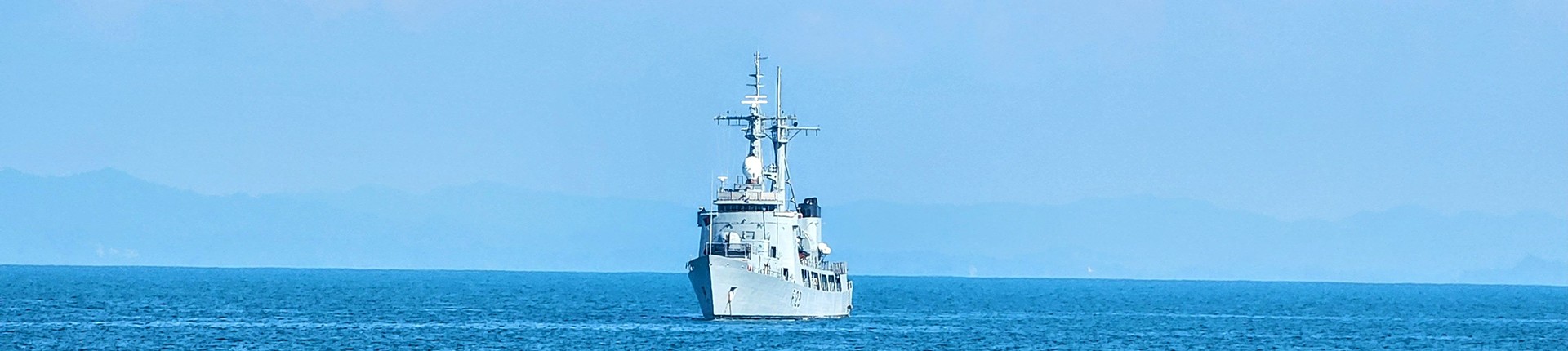
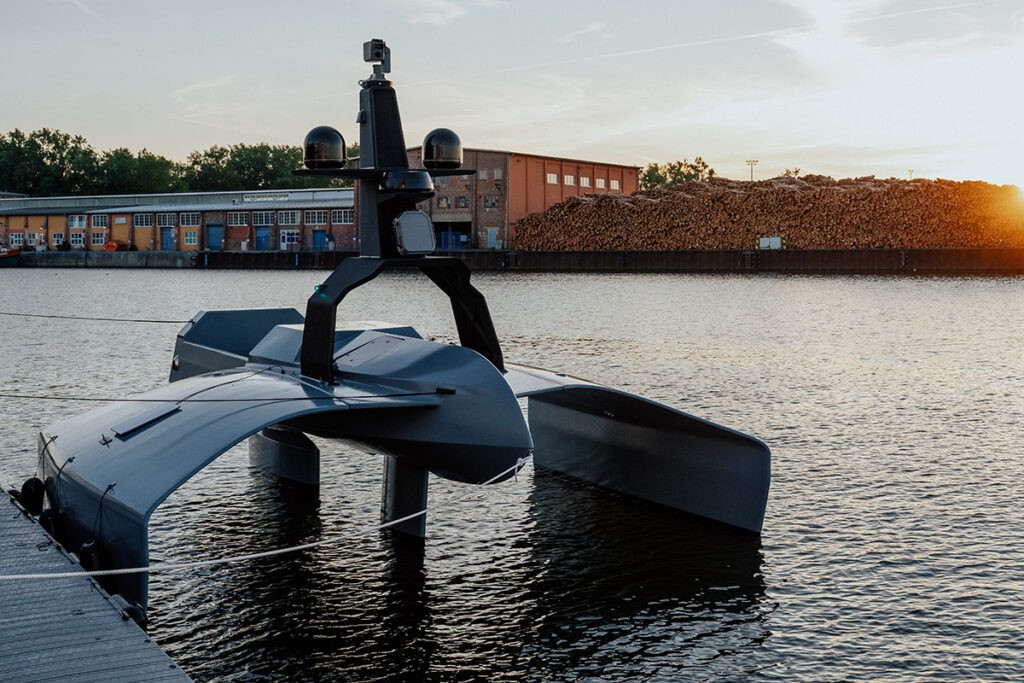
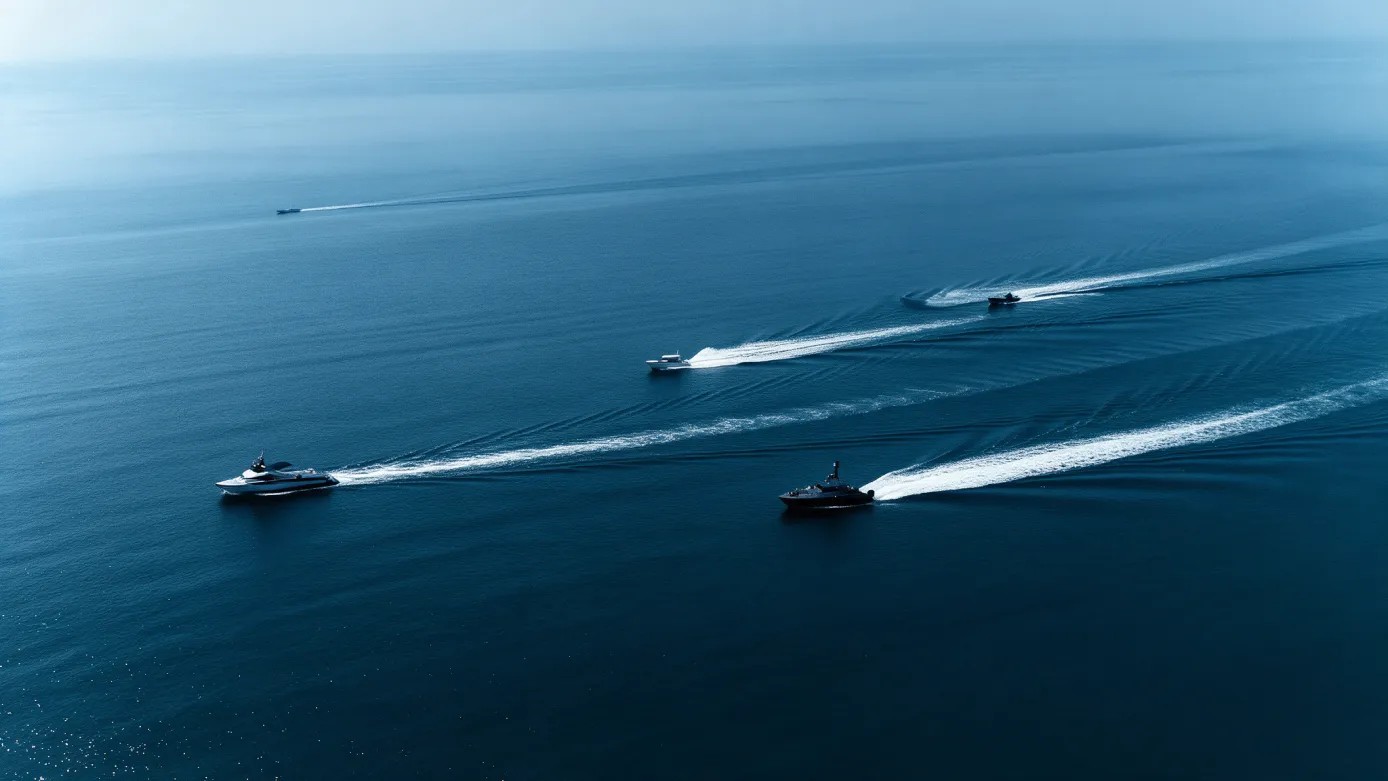
EDGE’s October 21 release describes a UAE Navy demonstration with US Navy participation, combining uncrewed surface vessels, sensors and command systems for reconnaissance and protection scenarios. EDGE identifies TACTICA AI’s naval command layer, the Technology Innovation Institute’s Maritime Autonomy Kit and a 17-metre M-DETECTOR among the integrated capabilities. This is an integration account from the supplier, not an independently published assessment of operational effectiveness. Read the source account.
A shared picture must preserve command responsibility
Sensor fusion can reduce the number of separate screens an operator must inspect. It still needs visible distinctions between an observation, an inferred track and an authorized task. A common display alone does not establish how disagreements, stale information or lost connections are handled. The release does not provide that detailed test record.
The announced mix of counter-drone, navigation-protection and imaging systems also makes configuration important. A result from one combination should not automatically transfer to every vessel, payload or partner network. An informative follow-on would identify the tested interfaces and report interventions alongside successful scenario completion.
Separate the common display from the decisions it supports
An illustrative protection scenario might begin with a sensor detecting an object and end with an operator assigning another platform to investigate. Each transition needs an intelligible state: an observation exists, a track has been formed, a task has been issued and the receiving system has acknowledged it. This is an analytical example, not a reconstruction of the demonstrated event. It shows why a common command layer should be evaluated through complete workflows rather than through the presence of several platform icons on one screen.
The release names both targeting-related and sensing technologies, but that does not establish an autonomous engagement policy or a public record of how authority was exercised in every scenario. The article does not infer one. A responsible technical assessment would keep the observed integration separate from undisclosed rules and procedures. The relevant public evidence would explain which decisions were automated, which remained with people and how the system represented uncertainty. A supplier statement about orchestration describes the intended operating model without providing a complete independent audit of its execution.
Navigation protection is similarly a bounded capability claim. An anti-jamming system may improve performance under particular interference conditions, but its inclusion in an exercise does not prove immunity to all interference or deception. A useful result would name the installed configuration and the conditions actually tested. The same discipline applies to imaging and radar: a component’s presence does not establish a detection rate across every sea state, weather condition or target type. The announcement does not publish those quantitative results, and none are invented here.
Allied participation provides an integration setting without automatically establishing certification for every allied network. Interfaces can be arranged for an exercise, while sustained use requires documented configurations, support and change management. A receiving navy needs to know whether it can repeat the arrangement and diagnose a fault after the original integration team leaves. Reporting those support tasks would make the demonstration more transferable. It would also distinguish the success of a particular event from a broader claim that all proposed partner systems can already operate interchangeably.
The source links a video of the demonstration, but a selected sequence would still need to be interpreted alongside the exercise account. Edited footage can show participating assets and a reported activity without supplying the denominator of attempted tasks or interventions. This article therefore relies on the release for the stated milestone and treats the image as a selected source view. A more complete after-action record could strengthen the operational argument by preserving both successful coordination and the exceptions that required human attention.
The next milestone
The immediate milestone is a concrete multi-organization demonstration with named systems. Its wider value will depend on whether the integration can be repeated, supported and understood by the receiving crews. The next evidence should connect the common command picture to measurable workload and reliable mission execution.
What would change the assessment
Look for the next documented configuration, its test conditions and its support responsibilities. The current source establishes the announced stage; later results should identify what changed.
This analysis draws on the public sources linked in the text. Send corrections to [email protected].