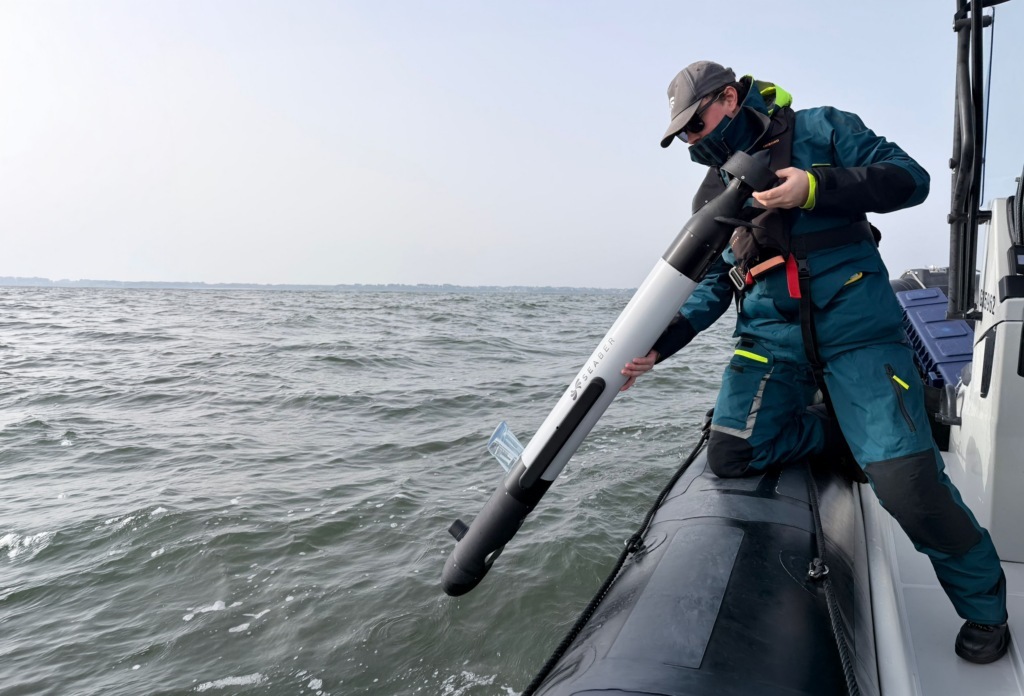
A small uncrewed vessel has limited room for the equipment that tells it where it is. Losing an external positioning signal does not remove that requirement. It changes the question from the latest received position to how uncertainty develops while the vehicle continues operating.
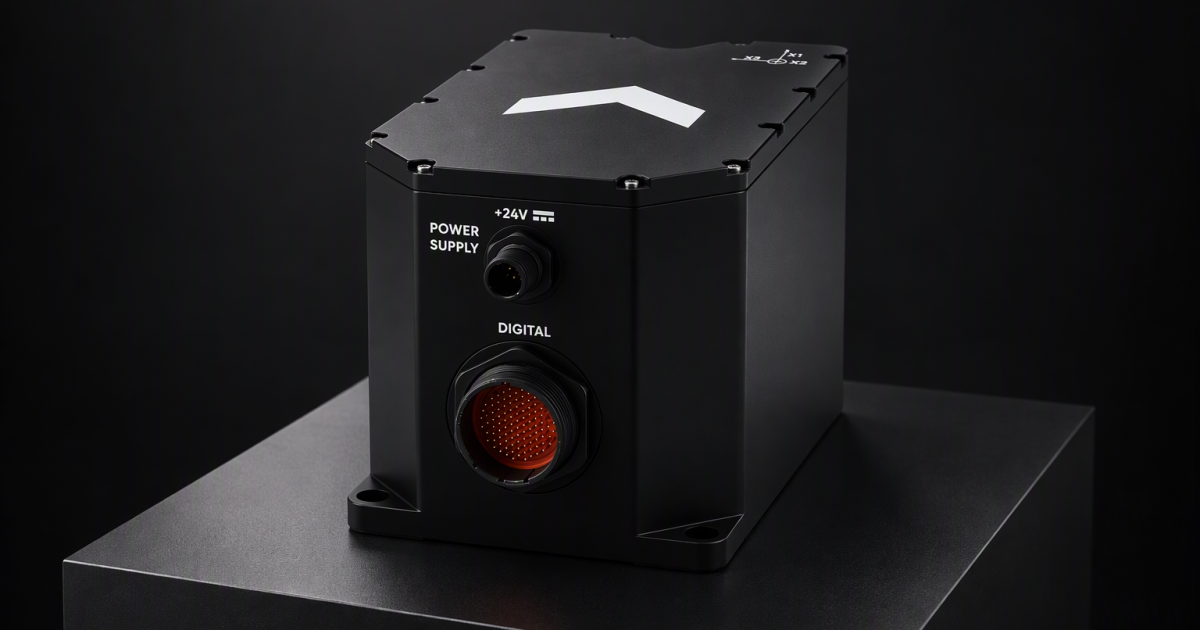
Exail introduced Marins M1 on October 26 for smaller naval and autonomous platforms. The company states a maximum position drift of one nautical mile after three hours without external aiding. Its fiber-optic-gyroscope product is a navigation component; the launch is not a public acceptance report for an entire autonomous vessel. Read the original announcement.
Keep the condition attached to the number
The phrase without external aiding is essential to interpreting the specification. A navigation system used with other measurements is a different configuration from one operating unaided. Comparing quoted figures without preserving that distinction can make systems appear equivalent when their test conditions differ.
Position uncertainty also needs to reach the people and software using the estimate. A precise-looking symbol on a map can conceal a growing uncertainty. An integration review can examine whether the receiving system carries the appropriate uncertainty information and whether operators understand the limits of the estimate.
Integration is the immediate decision
For a platform designer, the near-term question is whether the component fits the actual vehicle’s installation, power and support constraints. Performance should be assessed in that configuration, with a documented measurement reference and operating conditions. The supplier’s specification is a basis for that evaluation, rather than a substitute for it.
A comparison can also account for the work required to install, calibrate and maintain the system. A compact unit may expand the options available to a designer while leaving other constraints unchanged. No reduction in staffing, operating cost or collision risk has been independently measured by this publication.
The receiving platform needs the uncertainty, too
Consider an illustrative operator display that continues showing a vehicle’s position after an external positioning input becomes unavailable. The symbol alone cannot explain how much confidence remains in that position. A useful integration test would compare the information supplied by the navigation unit, what the receiving application records and what the operator can see. This is a proposed information-quality test, not a finding about an Exail installation.
The test also needs a clear reference for evaluating drift. A headline figure is meaningful only with the conditions under which it was obtained and the boundary of the measurement. Customers can ask how installation, calibration, motion and any additional aiding affect the configuration they intend to use. The release’s unaided specification should not silently become a claim about every combination of those factors.
Maintenance can change the evaluation boundary as well. Replacing a component or modifying its installation may require checks before the platform returns to service. A support record should identify what changed and how the resulting configuration was verified. This matters especially when the navigation unit is one part of a larger autonomous system maintained by several organizations.
The wider procurement benefit would be greater choice with traceable performance. A buyer could compare candidate systems against the same requirement rather than choose the smallest quoted drift number from unlike tests. Publicly reported platform trials would help make that comparison possible. Until they appear, the launch supplies a component option and a specification to investigate, while the complete-platform result remains a separate question.
Exail positions the new unit within its established Marins product range. Experience with a product family can inform a buyer’s assessment of supplier support, but it does not replace the specification and acceptance evidence for the new unit. The smaller platform remains the relevant integration boundary. Public reporting should keep the family’s history separate from results actually measured for Marins M1.
A component can widen choices without certifying a mission
If smaller platforms can carry navigation that meets their requirements, designers may have more flexibility in how they combine sensors and control systems. The benefit depends on validated integration and a clear explanation of operating limits. The next evidence is an identified platform evaluation that connects the component specification to the behavior of the complete vessel.
Source organization: Exail.
This analysis draws on the public sources linked in the text. Send corrections to [email protected].