A vessel that follows an autonomous route has answered only part of a naval mission question. It may also need to operate equipment, receive updated tasking and remain understandable within a wider command arrangement. Those connections determine whether movement becomes useful work. Exercise reports are most informative when they identify which interfaces were demonstrated and keep that evidence separate from broader claims about the future fleet.
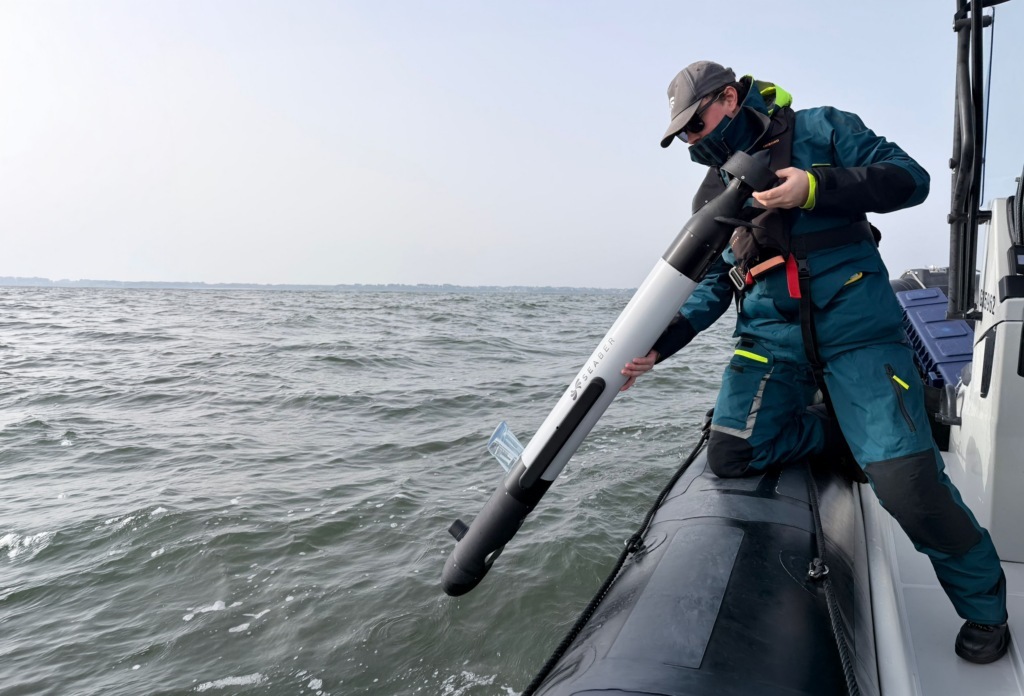
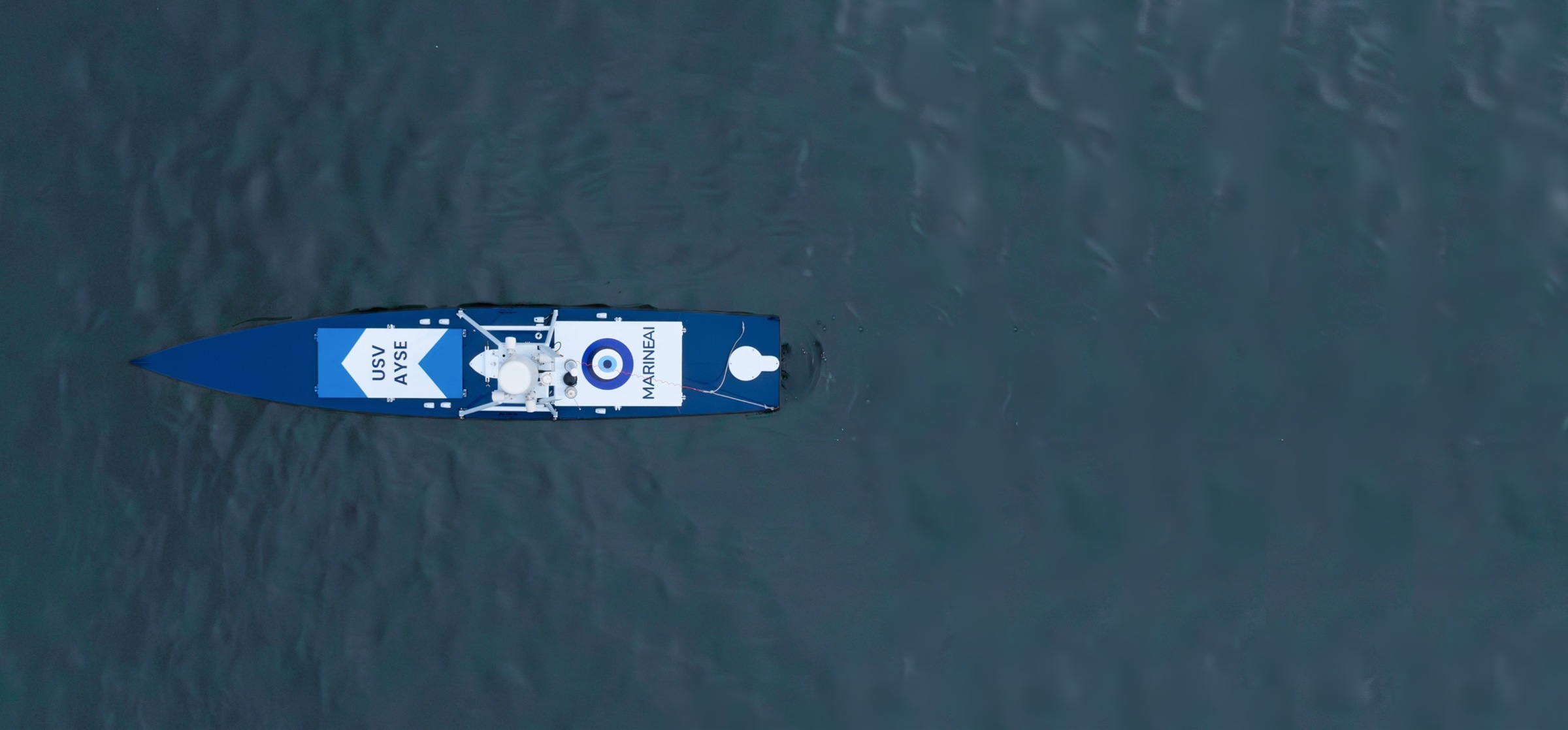
Marine AI’s October 29 Deep Dive session was organized around GuardianAI ORION work at REPMUS 2026. The company’s published agenda identifies autonomous variable-depth-sonar deployment with Kongsberg, mid-mission sonobuoy deployment with Dstl and live tasking through STANAG 4817. This article assesses that bounded source account. It does not claim access to the webinar discussion, an independent trial report or undisclosed measurements from the exercise. Read the primary source account.
Payload operation extends the system boundary
Connecting vessel control to a payload introduces a dependency between the platform’s state and the equipment being operated. A useful demonstration can show that the intended sequence is possible under selected conditions. It does not automatically establish the range of conditions in which the complete arrangement remains dependable. The company’s agenda identifies the functions it says were demonstrated, while not publishing the full qualification envelope for them.
That distinction matters for interpreting autonomy progress. A new payload interface can represent real engineering work even if the vessel’s basic navigation is already established. It should be assessed on the problem it addresses rather than reduced to another instance of an uncrewed boat moving at sea. Conversely, the presence of a payload does not by itself establish a measured improvement in detection or another downstream mission outcome.
Live tasking needs a traceable interpretation
The STANAG reference identifies an interoperability pathway named by the company. Receiving a message and carrying out an appropriate mission change are related but distinct parts of the operating sequence. An evaluator needs to know which task was received, how the system interpreted it and what a responsible person could observe or change. The public agenda does not provide that detailed record, leaving the interface’s demonstrated scope as an important follow-up question.
A common protocol can reduce one source of integration friction, while equipment and software configurations still matter. Implementations can differ in the parts they support and the assumptions surrounding them. A useful trial record would therefore preserve the tested versions and the actual interaction, rather than treating a standard’s name as proof that all systems using it can work together without further integration.
An exercise is a place to learn, not a blanket readiness label
REPMUS gives participants an opportunity to try combinations with partners in a shared experimentation setting. The Royal Navy’s separate October account describes work on underwater threats and infrastructure surveillance during the exercise. That supports the broader context, while it should not be used as independent confirmation of every Marine AI-specific claim. The company and service accounts cover different levels of detail.
The next useful information would include repeated task completion, operator interventions and the conditions that required another attempt. Those records help distinguish a selected successful sequence from a dependable operating process. They also make integration failures informative: a team can identify whether a problem came from task interpretation, platform behavior or a payload interface, rather than treating the entire demonstration as one indivisible result.
The source’s description of a world-first sonar deployment remains the company’s claim. The public agenda does not provide a comparative history sufficient to verify that superlative independently. The technically useful information is the named payload collaboration and interface milestone, which can be assessed without depending on an unverified priority claim.
For industry partners, the immediate significance is a named set of payload and command-interface milestones that can guide further evaluation. The longer-term possibility is an uncrewed vessel that fits more naturally into an existing mission system. That depends on repeatable behavior and clear control boundaries as much as navigation capability. Detailed exercise evidence and subsequent acceptance work would show whether the reported connections remain useful beyond the particular demonstrations summarized in the October agenda.
Source organizations: Marine AI.
Royal Navy exercise context; not independent confirmation of each supplier-specific claim.
This analysis draws on the public sources linked in the text. Send corrections to [email protected].