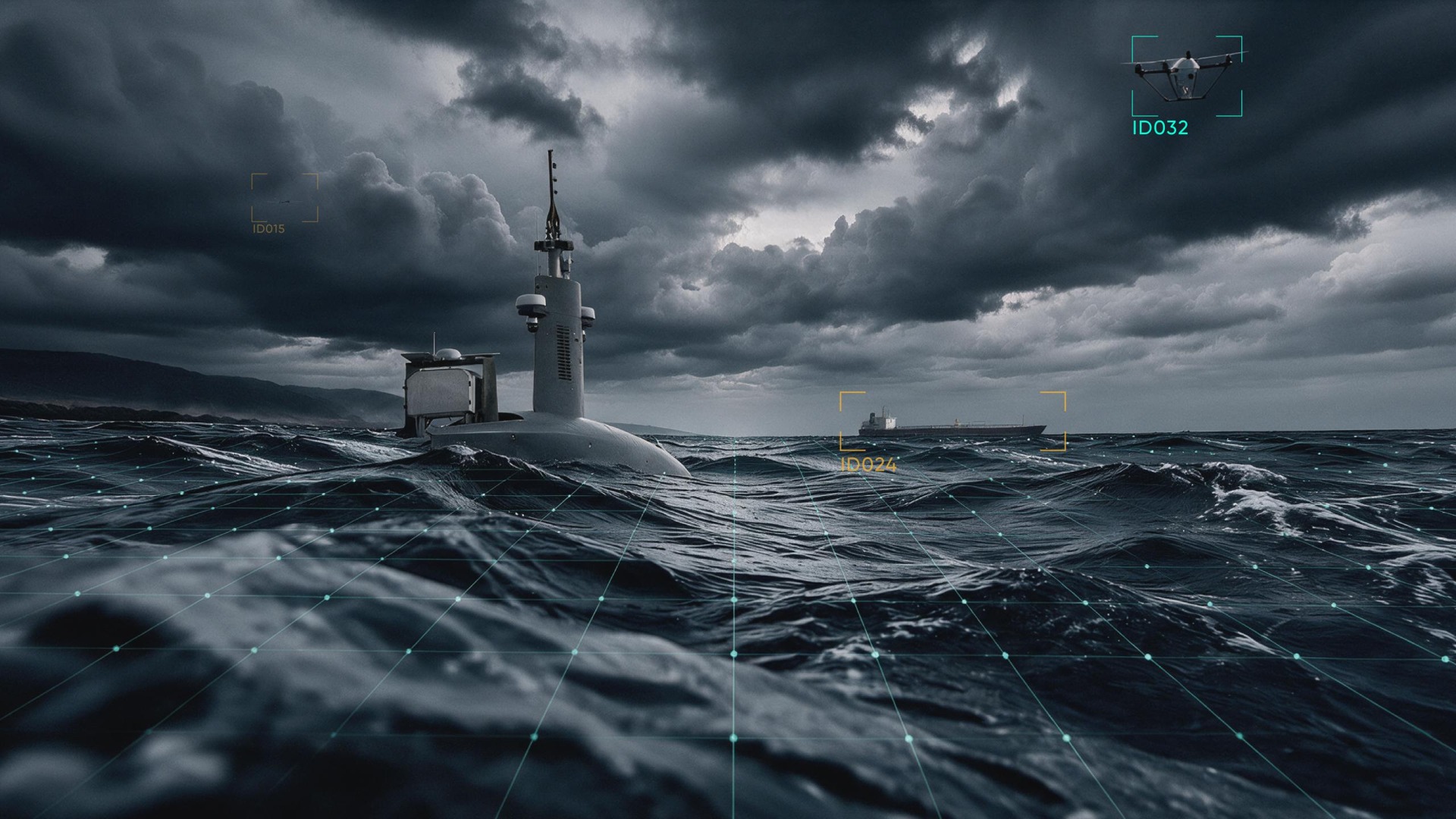
Persistent maritime surveillance requires more than keeping one vessel at sea. Different sensors and vehicles must produce observations that can be reconciled, while crews on shore understand which parts of the picture are incomplete.
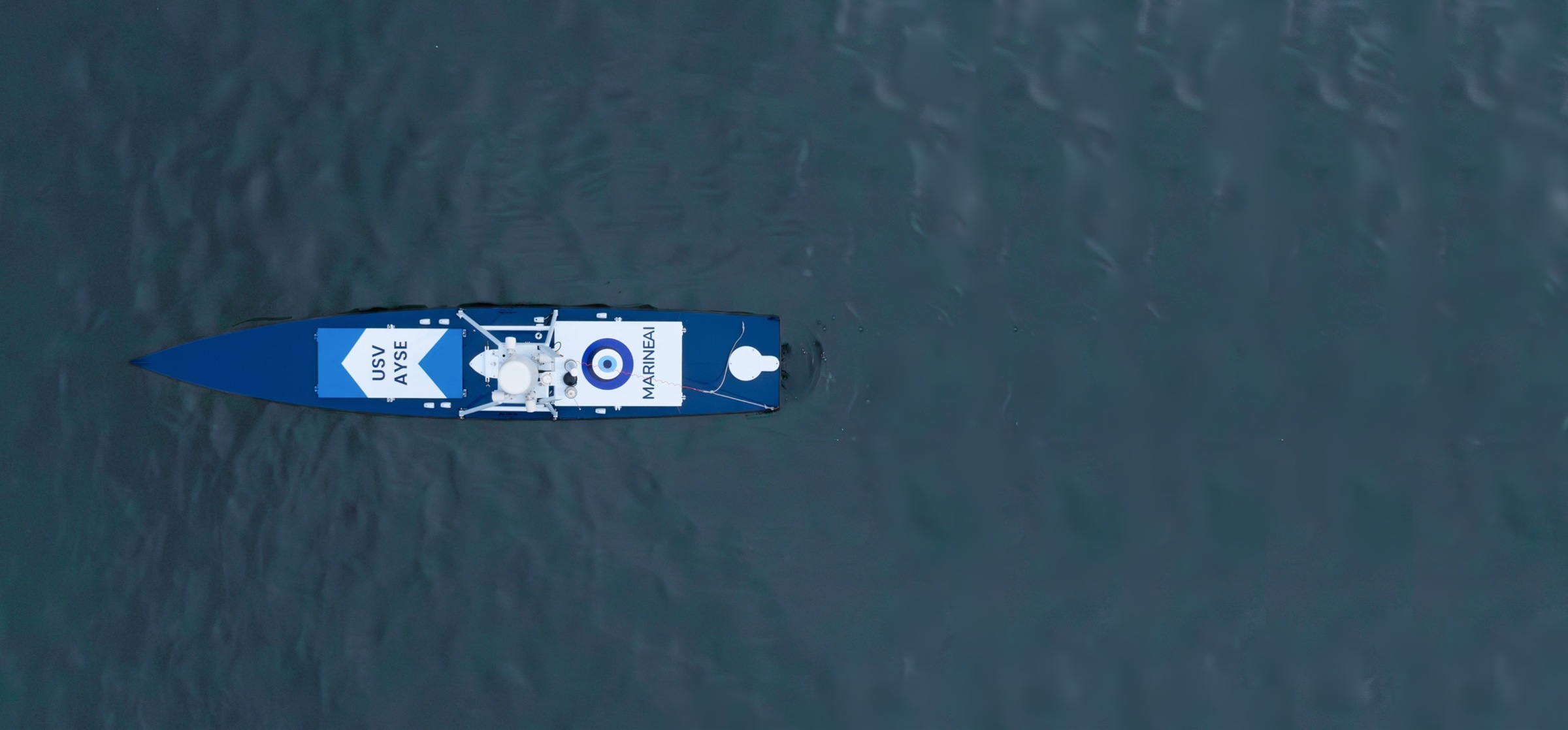
Exail’s October 9 Neptis announcement describes an integrated surveillance system built around the Oryx family of uncrewed surface vessels, payloads and mission command software. The company positions it for several naval missions and says it will present the system at Euronaval in November. This is an announced system architecture, with future presentation plans.
Keep platform experience in its proper place
Exail cites experience with existing maritime robots and integrated mine-countermeasure systems. That background is relevant to execution, but it should not be read as an operating history for every new Oryx configuration or Neptis mission.
The new integration boundary is the important test. A common interface should retain the source, age and confidence of observations rather than making unlike sensors appear interchangeable. It also needs to reveal a missing asset rather than silently presenting an incomplete picture as current.
Look for a defined configuration
The next useful evidence would identify a particular vessel, payload set and mission-software configuration, with the conditions in which they worked together. That is more assessable than a portfolio-wide claim that aggregates experience from different systems.
Neptis offers a route to coordinated maritime observation. Its value will depend on the combined system’s availability and on whether it reduces the work required to turn distributed observations into a trustworthy operational picture.
Primary source and reported conditions.
Distributed observations create a reconciliation task
When several platforms observe the same area, more data can create both opportunity and work. An apparent disagreement may reflect different viewpoints, observation times or sensor limits rather than a physical change. The command system should help a reviewer understand those possibilities. Merely placing the observations on one display does not establish that the reconciliation problem has been solved.
An illustrative acceptance exercise could preserve the original observations and ask reviewers to explain a combined finding using that record. If the conclusion changes after one input is removed, the dependency should remain visible. This is not a proposed naval operating procedure; it is a way to evaluate whether the information product is inspectable. It applies to a surveillance architecture regardless of the particular vehicle providing a measurement.
Architecture and operating service mature at different speeds
A modular architecture can make future changes easier, but each supported combination still needs configuration control. A customer should be able to identify which payload, software version and interface definition were used for a result. That record matters when equipment is replaced or a service is expanded: an earlier successful configuration is useful evidence, but it is not automatically evidence for the revised one.
Support arrangements are equally important. A distributed system may involve several suppliers whose individual products work as specified while the combined workflow still produces a problem. Clear ownership of integration faults, updates and customer support helps avoid a situation where each supplier can explain its own component but no one can explain the end-to-end result. The announcement establishes the intended integrated offering; these practical responsibilities remain points for a buyer to examine.
The wider implication is that maritime autonomy is increasingly sold as a system and a service rather than as a vessel alone. That shift can improve the usefulness of persistent collection if the information arrives in a form that people can trust and maintain. The decisive evidence will connect the architecture to supported configurations and recurring customer work. A public demonstration at an exhibition would be one milestone on that path, with sustained operational evaluation still a separate step.
The same approach can guide a customer’s discussion of expansion. Adding another platform should create a documented change in capacity and responsibility, rather than an assumption that the existing workload simply scales linearly. New assets can also add communication traffic, review demand and maintenance work. An integrated architecture is useful if it exposes those tradeoffs and helps the operator understand them. It should not make the cost of coordination invisible. That is why the combined operating record will matter more than the number of platform types shown in the portfolio.
This analysis draws on the public sources linked in the text. Send corrections to [email protected].