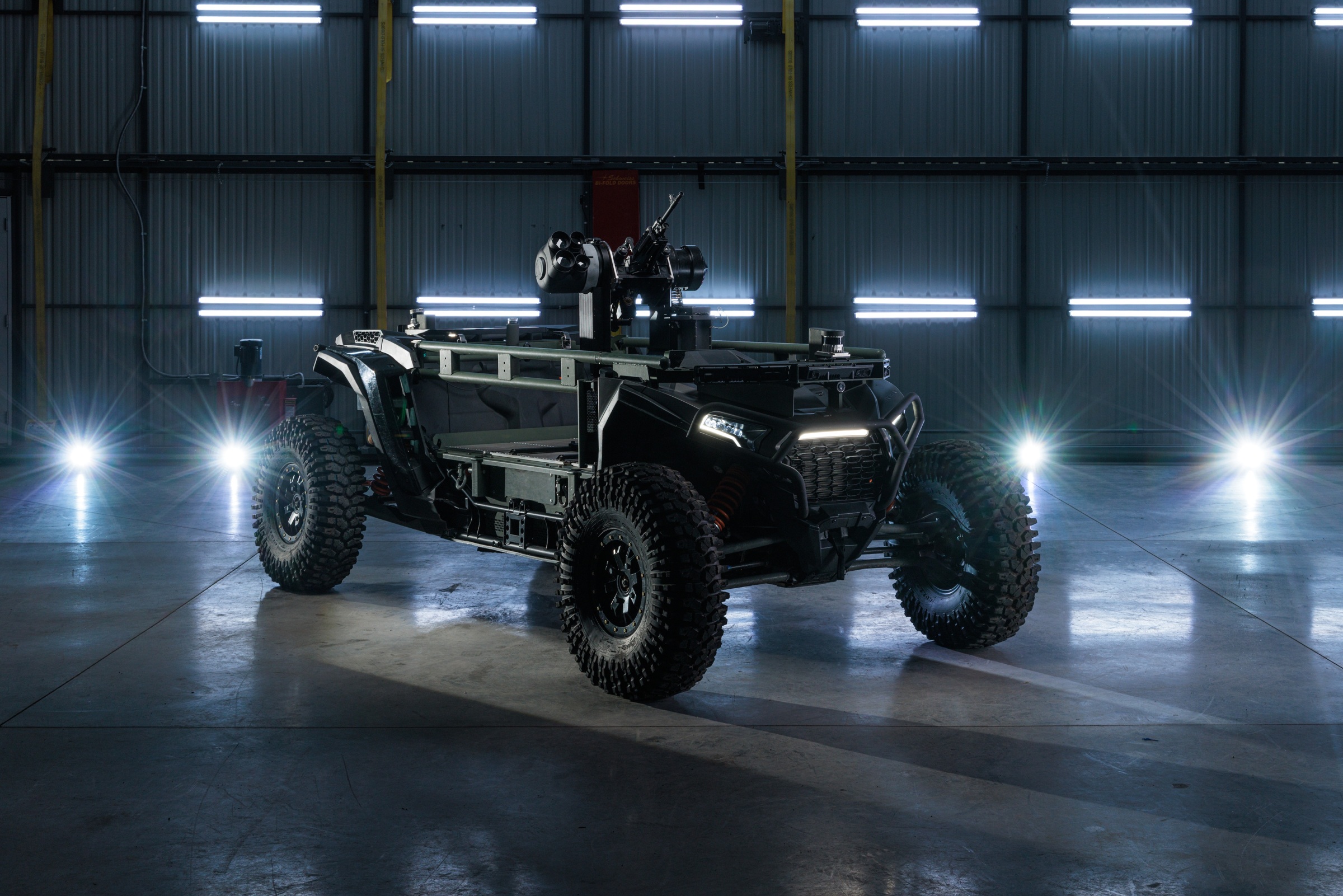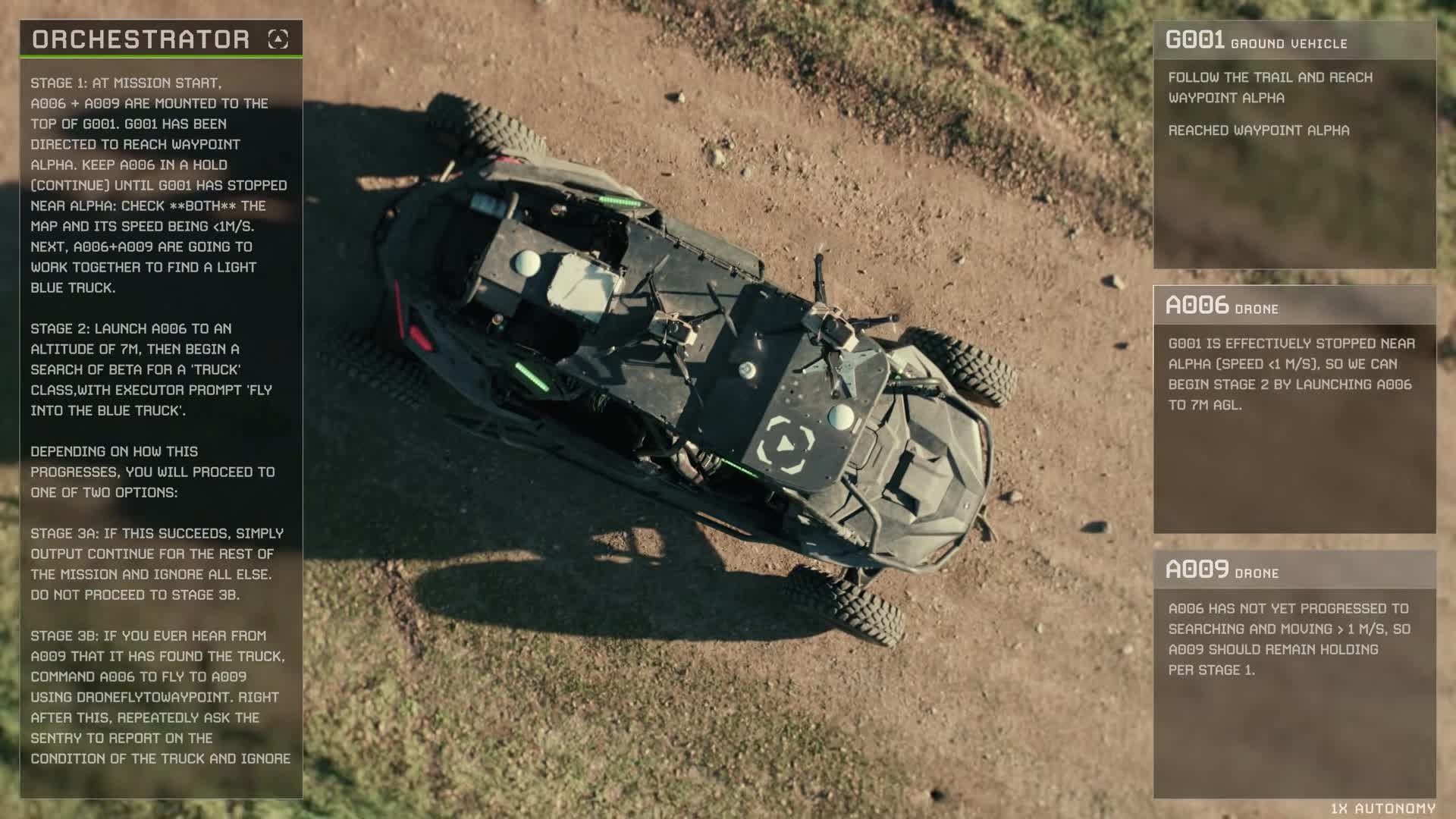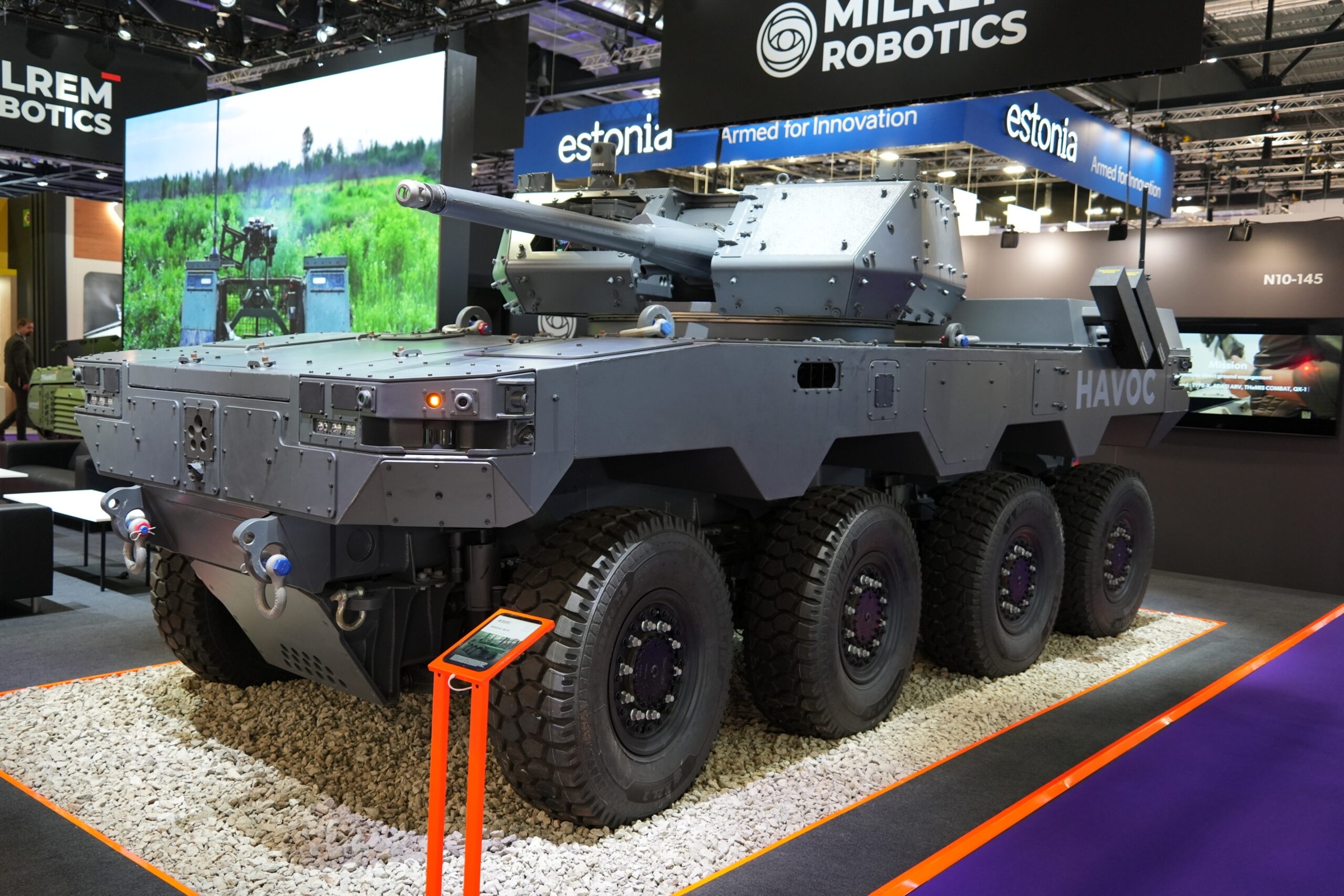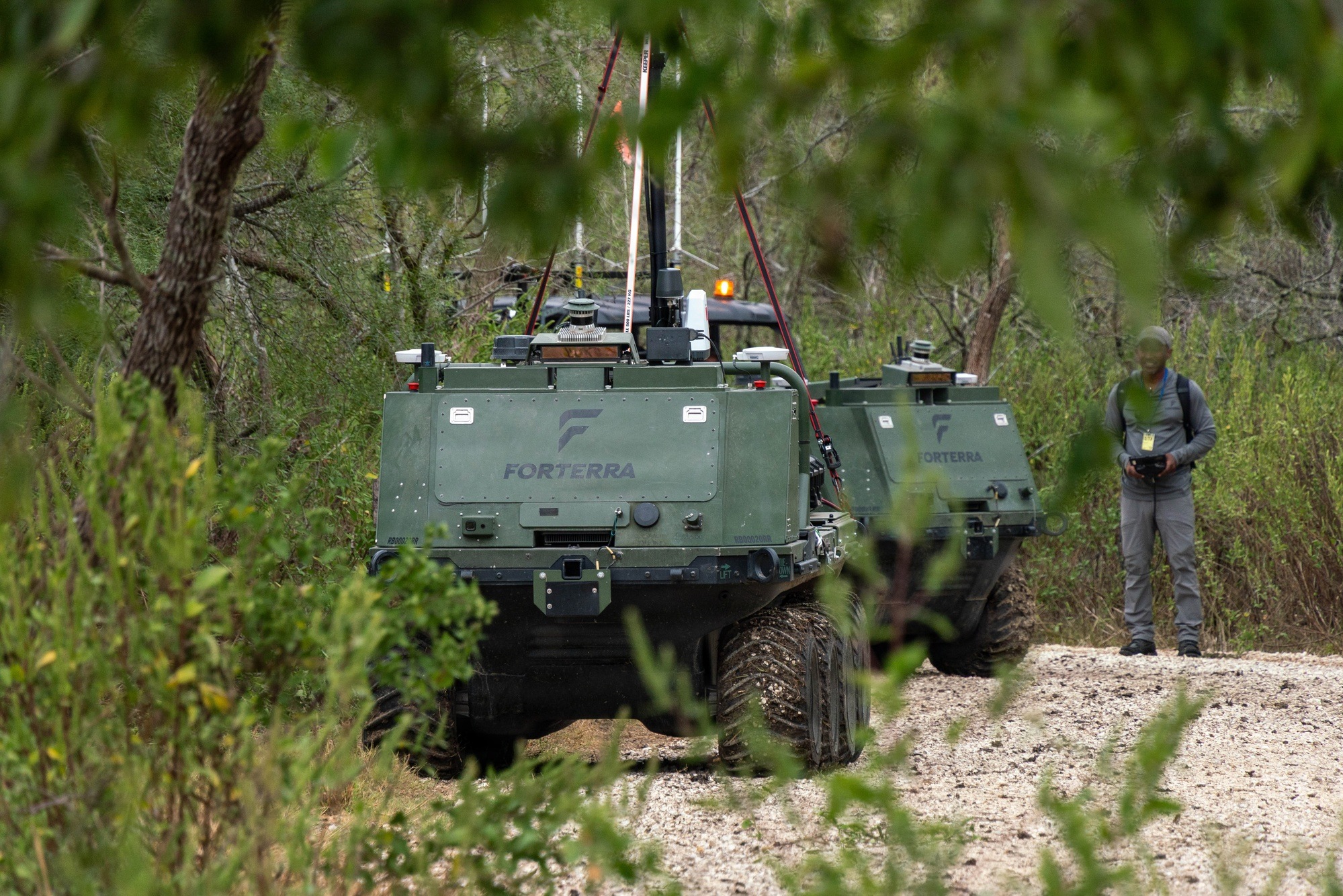
An army can own thousands of useful vehicles and still wait years for a robot built from scratch. Adding autonomous driving to an existing vehicle offers a different route: keep familiar engines, parts and transport arrangements, then change how the vehicle moves. Forterra’s Infantry Squad Vehicle work matters because it tests whether a software upgrade can deliver new options without making the service replace its whole motor pool.
The Army published account announced agreements with Forterra, Overland AI and Scout AI in August 2025 to integrate commercial autonomous mobility on existing vehicles. It described an evaluation intended to inform future decisions, not a fleet-wide production award. Forterra’s supporting source account says its AutoDrive system would be integrated into four Army-provided Infantry Squad Vehicles. Those statements establish a funded integration effort. They do not establish how reliably the resulting prototypes perform in operational use.
The vehicle stays familiar; its responsibilities change
An Infantry Squad Vehicle is normally a way to move soldiers. Converting one to uncrewed movement introduces a different relationship between driver, vehicle and mission. A human must describe where the vehicle should go, what it should avoid and when it must wait. Software then has to convert that intent into steering and speed decisions while recognizing obstacles. A destination is easy to enter; sensible behavior around people and unexpected terrain is harder to specify.
Our assessment is that using an existing vehicle can remove some mechanical uncertainty while exposing integration uncertainty more clearly. Braking, steering and power must accept commands consistently. The autonomous system needs access to vehicle health information and a safe way to relinquish control. A familiar truck with unfamiliar failure behavior is still unfamiliar to the soldier who must recover it. The trial should therefore test transitions between modes, not just autonomous miles.
Watch the footage
Forterra demonstrates autonomous resupply with a robotic transport vehicle. Company-produced scenario footage; this is not the Army’s acceptance test of its four ISV prototypes.
Video: Forterra · Original source ↗ · Video watch page ↗Compare the upgrade against the job it changes
Consider a proposed supply run behind a unit. The relevant comparison is a crew driving the vehicle versus the complete staffing needed for autonomous delivery, including loading, planning, monitoring, unloading and repair. This is an evaluation scenario, not a reported Forterra result. If autonomy removes a driver from one exposed stretch but requires a supervisor throughout the journey, the protection benefit may still be important. Its manpower benefit would be a separate, smaller claim.
A retrofit also needs a configuration discipline. The receiving unit must know which sensors, vehicle modifications and software version were tested together. Small changes to tires, loading or sensor position could alter the conditions the software sees. That does not mean every adjustment defeats autonomy. It means the government needs an explicit boundary between routine maintenance and changes that require another evaluation, rather than leaving maintainers to infer that boundary in the field.
What the upgrade actually has to do
Autonomous driving is more than replacing a foot on the accelerator. Forterra’s AutoDrive description separates perception, localization and behavior generation. In plain language, the system must identify what is around it, estimate where it is and choose a movement that fits the situation. Commands then reach the existing vehicle through electronic steering, braking and acceleration controls. A good map cannot compensate for a brake command that the vehicle executes differently under a heavy load.
The company describes redundant localization and sensor fusion intended to support operation when GPS is unavailable. Those are design claims, not an independent measurement of this ISV configuration. Their importance is practical: a vehicle that loses confidence in its position needs a defined response. Continuing, slowing and stopping carry different consequences on a crowded route. The evaluation should explain which response is appropriate in which conditions, and how an operator learns why it happened.
This also makes a filmed demonstration easier to interpret. A clip can show obstacle avoidance or a vehicle moving without a driver. It usually cannot show the complete map preparation, off-camera supervision or recovery work behind the run. The accompanying Forterra footage explains the company’s broader approach; it should not be mistaken for the Army’s acceptance test of the four ISV prototypes. The most convincing next evidence would connect a demonstrated behavior to a repeatable task and disclose the work needed when that behavior fails.
An integration award should produce usable evidence
The useful output is a documented mission envelope: routes and conditions the vehicle can handle, intervention rates, reasons for stopping and the effort needed to return it to service. The Army’s stated intent to assess operational value creates room for that evidence. Vendor language about broad deployment should remain separate from the result of the particular prototypes. These sources do not provide an independent performance scorecard, so a reader should not treat selection as a readiness certificate.
For procurement, the strategic attraction is the option to apply successful capability to more vehicles. That option becomes real when the interfaces are documented, upgrades can be maintained and another supplier can understand the installation. A retrofit that only its original engineers can support may preserve the chassis while creating a new dependency in everything that makes it uncrewed.
What would change the assessment
Watch for prototype results that report mode transitions, mission completion and maintainer workload, rather than assuming the planned evaluation produced a fielded capability.
The wider impact
The wider consequence is a different pace of modernization. If a vehicle already in the force can gain bounded autonomous mobility safely, the Army can introduce new tasks without waiting for a wholly new fleet. The payoff will come from transferable integration knowledge and workable support, rather than the fact that one familiar vehicle can drive itself.
This analysis draws on the public sources linked in the text. Send corrections to [email protected].