A driver’s seat shapes a military vehicle even when a proposed mission does not need a person aboard. Remove that requirement and the same vehicle can become a carrier for supplies, sensors or another machine. Overland AI’s ULTRA makes that design choice explicit. The important question is whether a platform built around uncrewed tasks can deliver a useful mission more simply than a conventional vehicle with autonomy added later.
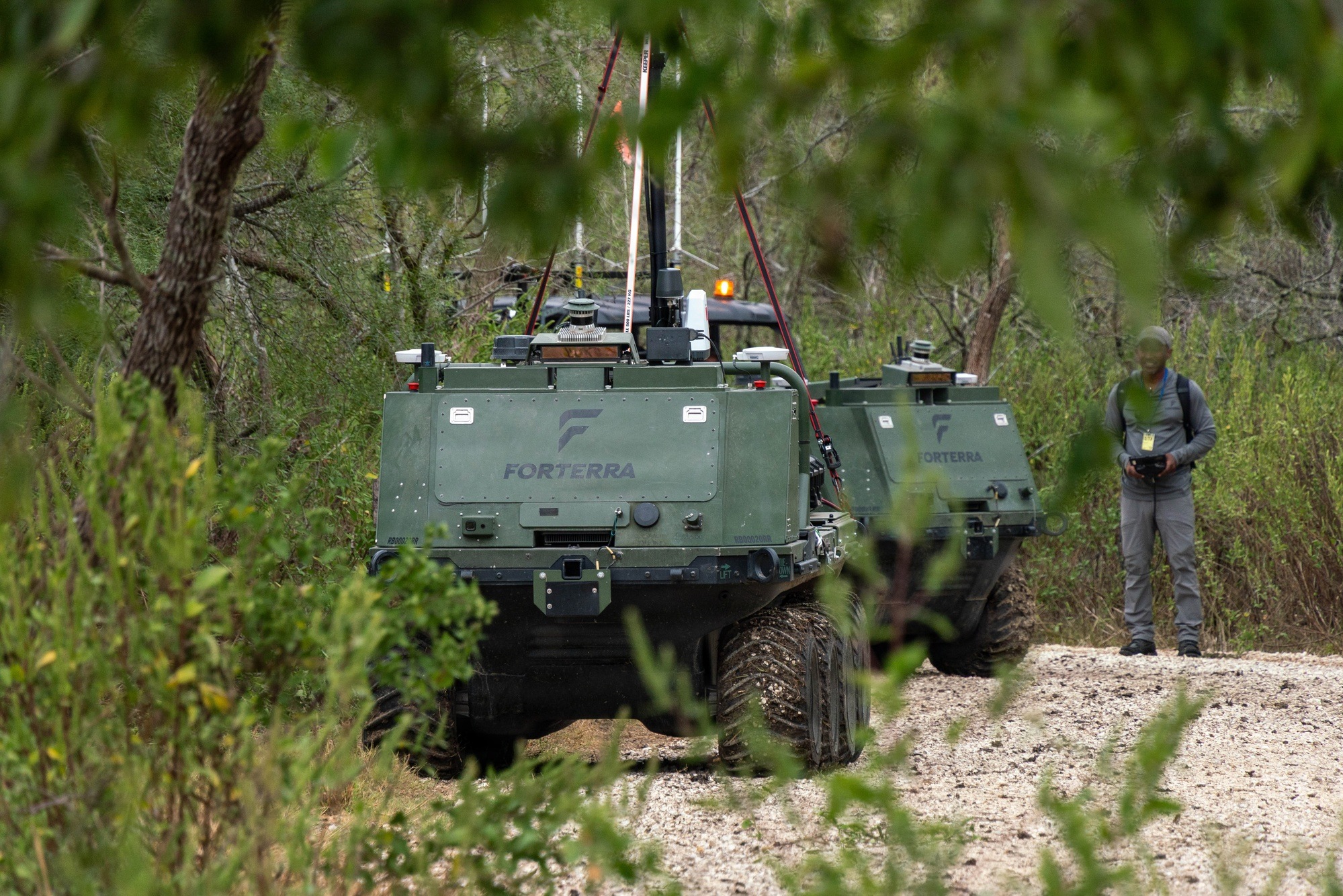
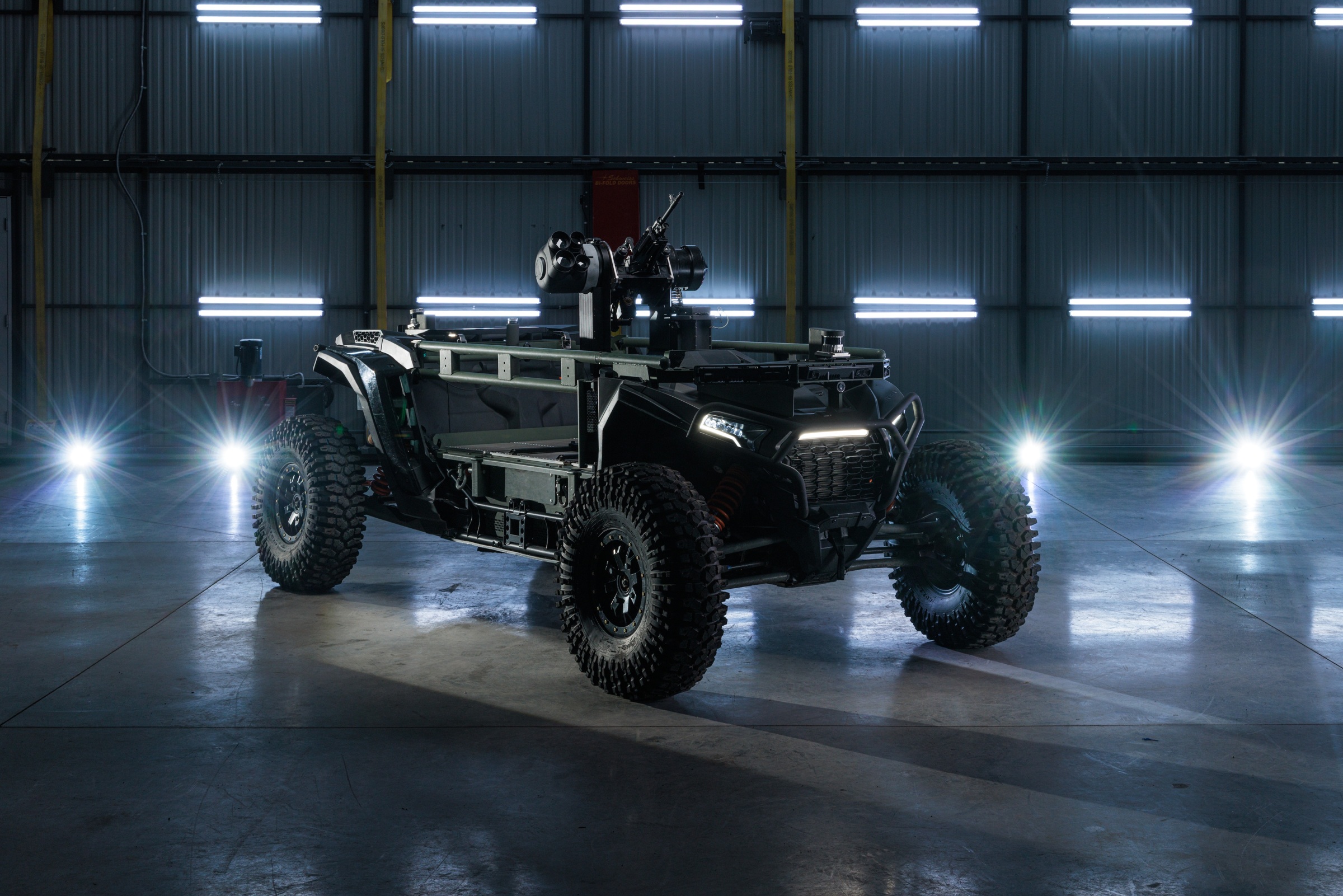
Overland’s April 2025 launch announcement presents ULTRA as a fully autonomous tactical vehicle with a modular design. That is the manufacturer’s description, not independent evidence that every advertised mission is ready. An August 2025 supporting source Army account documents soldiers testing an autonomous tactical prototype. Such testing provides a stronger operational context than a launch video, but a documented event still needs measured outcomes before it can establish a repeatable capability.
Modularity changes what a buyer must evaluate
A modular vehicle carries equipment that can change with the task. That is attractive when one unit wants cargo transport and another wants a mobile sensor. It also creates a responsibility split. The driving system must understand where it can move; the payload may consume power, obscure sensors or alter the vehicle’s weight. Integration therefore reaches beyond fastening equipment to a flat surface. Each combination needs a clear account of what has been tested together.
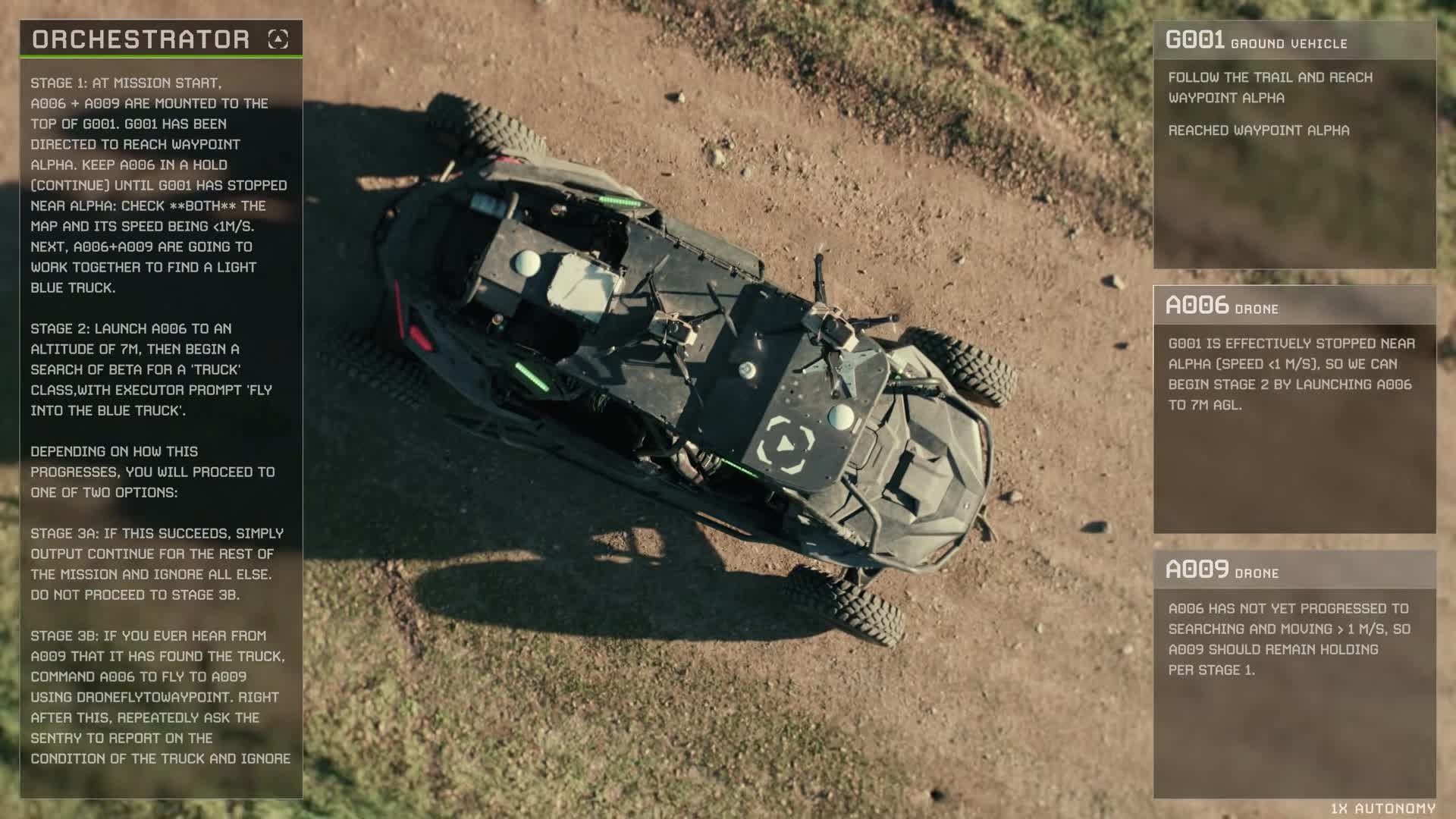
Our assessment is that the most valuable common feature could be the vehicle’s ability to support a mission workflow rather than a particular piece of equipment. Loading a supply container, reaching a destination and allowing safe unloading is one workflow. Carrying a drone launcher, positioning it and coordinating airspace is another. Even if both use the same driving software, they require different procedures. A successful cargo journey cannot certify the launcher workflow by association.
Watch the footage
Overland AI demonstrates ULTRA in several terrain and payload configurations. Manufacturer footage; it does not independently establish readiness for every advertised mission.
Video: Overland AI · Original source ↗ · Video watch page ↗The absence of a crew does not remove the unit
Consider a vehicle waiting with ammunition until a mortar team needs resupply. This is a proposed acceptance scenario, not a claim about a published ULTRA result. The vehicle might reduce repeated trips by soldiers, while loading and release authority remain with people. A useful trial would record how often the team gets what it needs on time, how much monitoring the vehicle requires and what happens when the planned unloading point is no longer accessible.
That last problem is especially important for a purpose-built robot. A conventional driver can interpret a signal from a soldier, negotiate a changed access route or notice that a supposedly ready destination is occupied. An uncrewed platform needs an interface through which the unit can express those changes. The operational gain depends on whether retasking is quick and comprehensible under pressure, not merely whether the vehicle can navigate a selected course.
Production claims need mission-specific support
The manufacturer’s production and autonomy language should be evaluated separately from the Army’s testing account. A platform can be manufacturable while its payload integration and tactical procedures remain immature. Conversely, a small number of prototypes can yield valuable lessons before a large buy. Neither circumstance is a reason to dismiss the design. They are reasons to request the evidence for the particular task a buyer intends to fund.
A careful customer would pair mission results with a support plan covering charging or fueling, software releases, spare parts and recovery. It would also specify how quickly a payload can be exchanged without specialist assistance and which safety checks accompany that exchange. That would show whether the modular vehicle reduces the number of systems a unit must support or instead places several distinct integration problems on the same chassis.
A carrier is also a shared point of failure
A mission deck also changes the trade between capacity and redundancy. Putting several functions on one carrier can simplify transport, but a broken carrier then removes every function attached to it. Keeping separate vehicles may cost more space while letting one task continue after another machine fails. Neither arrangement is universally better. For ULTRA, the buyer should make the trade using the tasks that must remain available together, rather than assume that a longer list of compatible payloads always means more resilient capability. A mission module that is quick to remove could help, provided a second suitable carrier and the people to transfer it are actually present.
That makes the design relevant to how a unit organizes its equipment. A common carrier could become a reusable part of the unit’s daily work, with crews choosing a configuration as needs change. It could also remain a specialist platform reserved for a narrow task. The difference will emerge from the time and effort of preparing, using and restoring each configuration. ULTRA’s opportunity is to turn uncrewed mobility into a practical service for other capabilities, with the cost of changing tasks visible alongside the benefit.
What would change the assessment
Look for soldier-led reports naming the payload, software configuration and complete mission outcome, with production statements kept distinct from readiness evidence.
The wider impact
ULTRA’s larger significance is the chance to design a vehicle around what the mission needs to carry, instead of around a person operating it. That can create useful flexibility, but flexibility becomes military value only when changing the payload also preserves reliable movement, clear authority and a support burden the receiving unit can sustain.
This analysis draws on the public sources linked in the text. Send corrections to [email protected].