A ground robot can add capability while also adding another screen that a team must watch. When different vehicles bring separate maps, status messages and tasking tools, the operator becomes the point at which those systems are joined. Integration therefore needs to reduce coordination work without hiding which machine is responsible for a reported state.
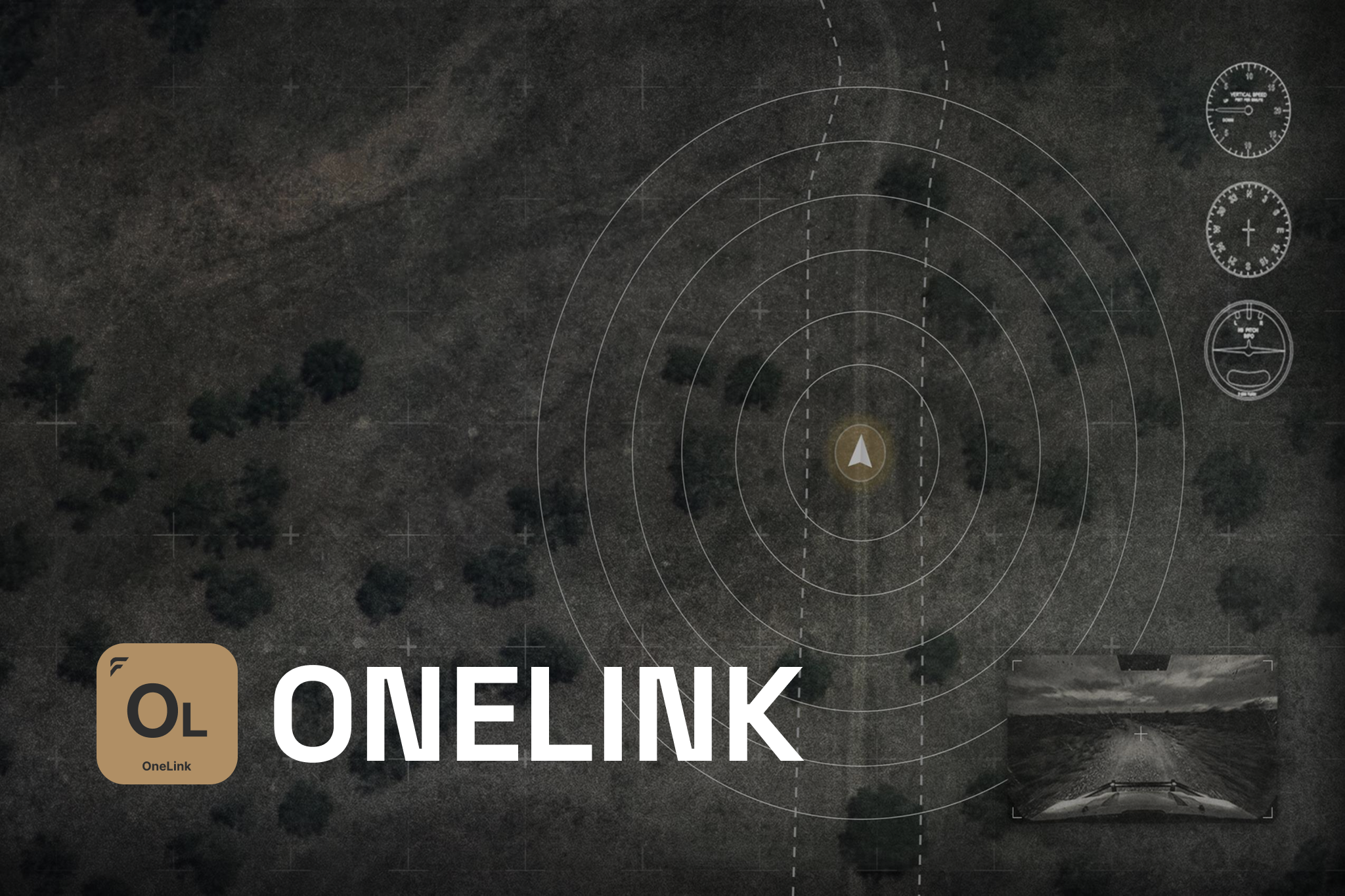
Forterra’s October 12 OneLink announcement describes a mission integration platform within OASIS. The company says it works alongside existing command tools, connects equipment from different vendors and includes native desktop applications for offline operation. It identifies work at the Army’s Joint Readiness Training Center. These are supplier statements about an integration platform, not a published comparative trial of operator workload. Read the original announcement.
A common display needs a common explanation
A single interface is useful when a person can distinguish a vehicle’s last reported condition from its current confirmed condition. Combining controls on one screen does not eliminate those distinctions. An acceptance review can examine whether source identity, update age and acknowledgement remain visible as equipment is added or communications are interrupted.
Offline support changes that review. Information retained locally may be valuable during a disconnected period, but it must be reconciled when a connection returns. A proposed test would compare the local record with the receiving system’s record after reconnection, including actions that remained pending. This is an assessment method, not a claim that OneLink mishandles reconnection.
Integration effort should include the next change
An initial connection can succeed because engineers know the particular configuration well. The more revealing question is what happens when a customer changes a supported payload or updates one application. The relevant cost includes configuration, verification, documentation and the effort required to restore a known working state if the update causes a disagreement.
The near-term opportunity is to evaluate a bounded workflow with the actual vehicles and command tools a unit uses. Customers can compare the number of separate steps, unresolved acknowledgements and interventions against their existing process. Reporting the workload as well as successful demonstrations would make the comparison informative without assuming that fewer screens automatically mean less work.
A practical comparison would follow one task
Consider an illustrative exercise in which an operator receives a request, assigns a vehicle, checks progress and hands the record to the next shift. The comparison should follow the same task through the existing tools and the proposed shared interface. It should preserve the number of corrections, ambiguous status messages and separate records the operator has to reconcile. This does not assume a particular OneLink feature. It defines the work against which an integration claim can be assessed.
A clean demonstration can conceal the cost of exception handling. If a connected system stops reporting, the operator needs to distinguish a missing update from a completed task or a failed vehicle. Recording the time spent determining that state is more informative than counting screens alone. The test can also ask whether another operator, unfamiliar with the demonstration, can understand the record without relying on an engineer’s explanation.
The support organization needs the same visibility. When two tools disagree, a clear record of the software versions, timestamps and acknowledged actions can help determine which interface or configuration needs attention. Without that record, consolidating the display may simply move a difficult diagnosis behind a more attractive screen. This is a general integration risk, not a reported defect in Forterra’s product.
That comparison can make a pilot useful even before any broad deployment decision. A customer might find that a shared interface improves one handoff while another still requires a specialist application. Reporting both outcomes would identify a credible adoption boundary. It would also give suppliers a concrete improvement target instead of demanding a universal interoperability claim that no single demonstration can establish.
What a transferable result would show
If the same supported interfaces let teams add equipment without recreating the integration each time, the platform could make mixed fleets easier to sustain. That is conditional on documented compatibility and clear ownership of faults. The next useful evidence is a configuration-specific customer account that explains what was connected, what happened offline and who maintained the result.
Source organization: Forterra.
This analysis draws on the public sources linked in the text. Send corrections to [email protected].