A ground robot used near the front will meet problems that its designers did not see at the factory. Getting those problems back to an engineer, receiving a fix and returning the machine to work can matter as much as the initial specification. ARX Robotics’ Ukrainian production presence therefore deserves attention as an operating model. The potential advantage is a shorter learning cycle between the people using a vehicle and the people able to change it.
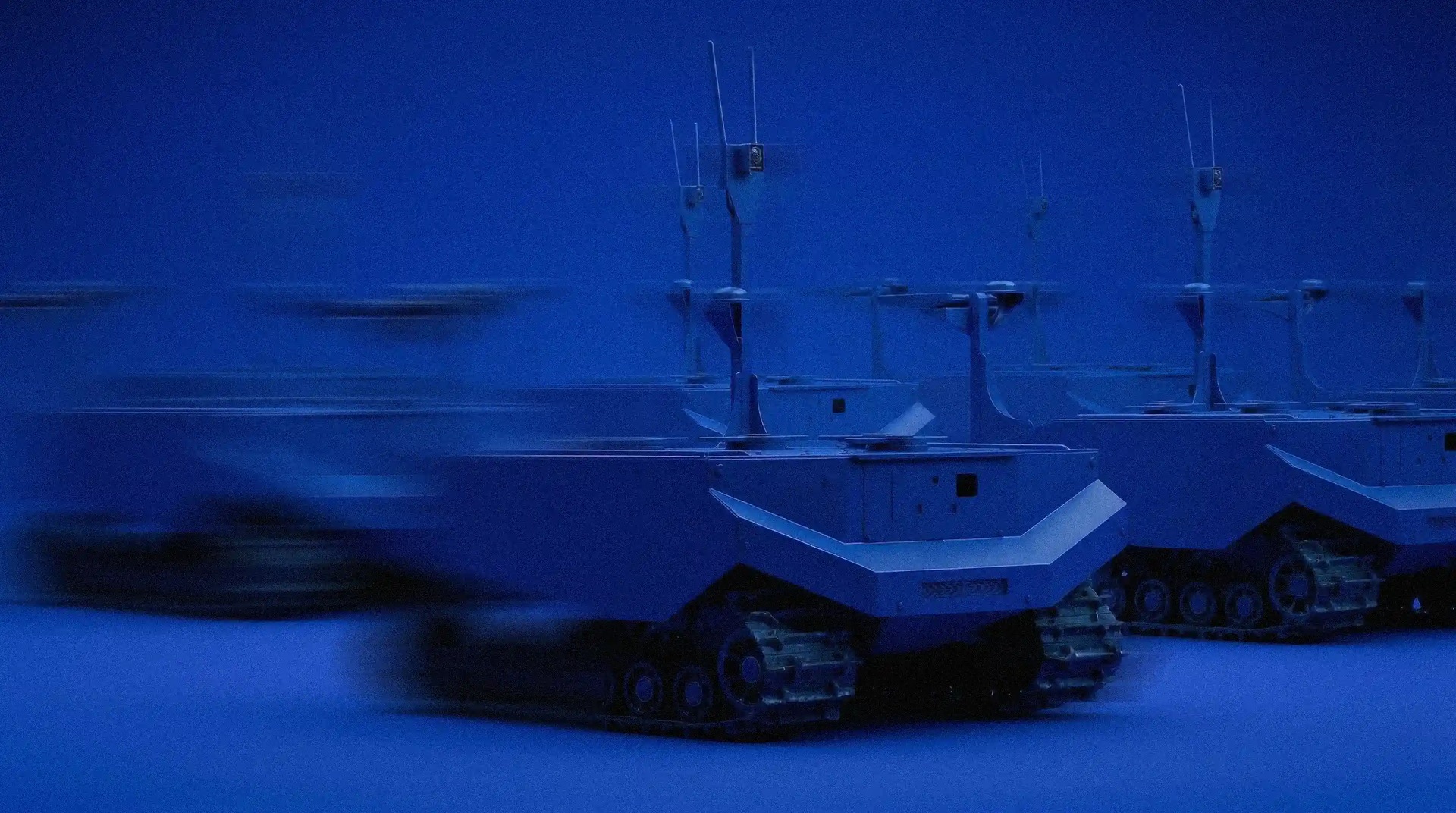
ARX’s announcement description identifies Gereon as a modular ground vehicle with manual and autonomous modes. Ukrainian technology outlet AIN’s February 2025 supporting account reporting describes the company joining the Diia.City framework, moving part of production into Ukraine and the transfer of 30 vehicles that month. These are documented product and industrial developments. They do not establish the proportion of missions driven autonomously or independently measure the vehicles’ reliability in frontline service.
Local work can shorten a feedback loop
A fault report becomes useful when it contains enough information to reproduce the failure. A nearby engineering team may be able to inspect damaged equipment, talk to operators and test a modified component more quickly. That is a plausible advantage of local production and support, not a measured Gereon result in these sources. It depends on staff, access to parts and an agreed process for translating a field problem into a controlled change.
Our assessment is that proximity is most valuable when it improves both speed and traceability. A rapidly modified vehicle can return to work, but other units need to know whether the same change applies to their configuration. Without that record, a fleet may accumulate several versions with superficially identical names. Spare parts and training can then lag the actual machines, defeating part of the reason for localizing support in the first place.
Watch the footage
Official NATO footage of Gereon RCS testing and factory work. Useful selective movement moment 30–35 seconds; does not prove Ukrainian fleet availability.
Video: NATOchannel · Original source ↗ · Video watch page ↗Manual and autonomous service should be counted separately
A robot that moves supplies by remote control can still save a dangerous journey by a person. Calling the result useful does not require calling it fully autonomous. The distinction matters because the control link, operator workload and behavior after disruption differ between modes. A buyer should know what share of the intended task the machine performs itself and where the person remains continuously responsible.
A hypothetical route change shows why that detail matters. A damaged road may require an operator to choose another way around, or the software may handle the obstacle within approved limits. This is a proposed evaluation scenario, not a claim about Gereon’s behavior. Logging the difference would show whether a software improvement reduces recurring intervention or whether successful missions continue to depend on an experienced person anticipating the route’s hazards.
Industrial scale is not an availability measure
The number transferred establishes procurement activity. The number able to work today depends on maintenance, losses, operator availability and the equipment fitted. Industrial announcements about capacity or additional orders should therefore remain distinct from operational fleet counts. This article uses the dated February report for its documented milestone rather than converting newer undated promotional pages into a precise claim about the current deployed total.
The most useful follow-up would connect production records to field configuration and service outcomes. It would show which changes originated in operator feedback, how those changes were checked and whether repair time fell. That would turn local manufacturing from a general industrial virtue into an observable military benefit, while helping outside buyers understand what can be transferred to a different support environment.
A local fix needs a route into the fleet
Local engineering can be especially useful when failures arise from the interaction of several ordinary details. A mounting bracket, a cable route and a maintenance procedure may each look reasonable in isolation yet fail together after repeated vibration or rough handling. Inspecting the complete vehicle and hearing the operator’s account can help identify that interaction. A distant fault report may miss it. Proximity provides an opportunity for better diagnosis, although the public production account does not measure how often ARX has achieved that result.
The next step is deciding which field change should become a fleet change. An improvised solution may suit one mission while creating a problem elsewhere. Recording why it worked, which configurations it fits and how it was checked allows a local repair to become reusable knowledge. That is the deeper industrial opportunity behind Gereon’s Ukrainian presence. More production near the user could mean faster replacement; a disciplined learning process could mean better machines and more dependable support. Those are related benefits, but only evidence of the feedback process can establish the second.
What would change the assessment
Seek dated operational and repair results; distinguish the documented 2025 transfer from undated claims about a larger current fleet.
The wider impact
Gereon’s broader relevance is the possibility of building a robotic force through continuous contact between production and use. Local capacity could make adaptation faster and repairs less distant. The lasting gain will depend on preserving knowledge across that process, so each improvement becomes something the whole supported fleet can use safely.
This analysis draws on the public sources linked in the text. Send corrections to [email protected].