Defending against many aerial threats is not only a question of having enough interceptors. Sensors, decisions and response systems have to agree on what they are observing, while operators retain a usable understanding of the engagement picture.
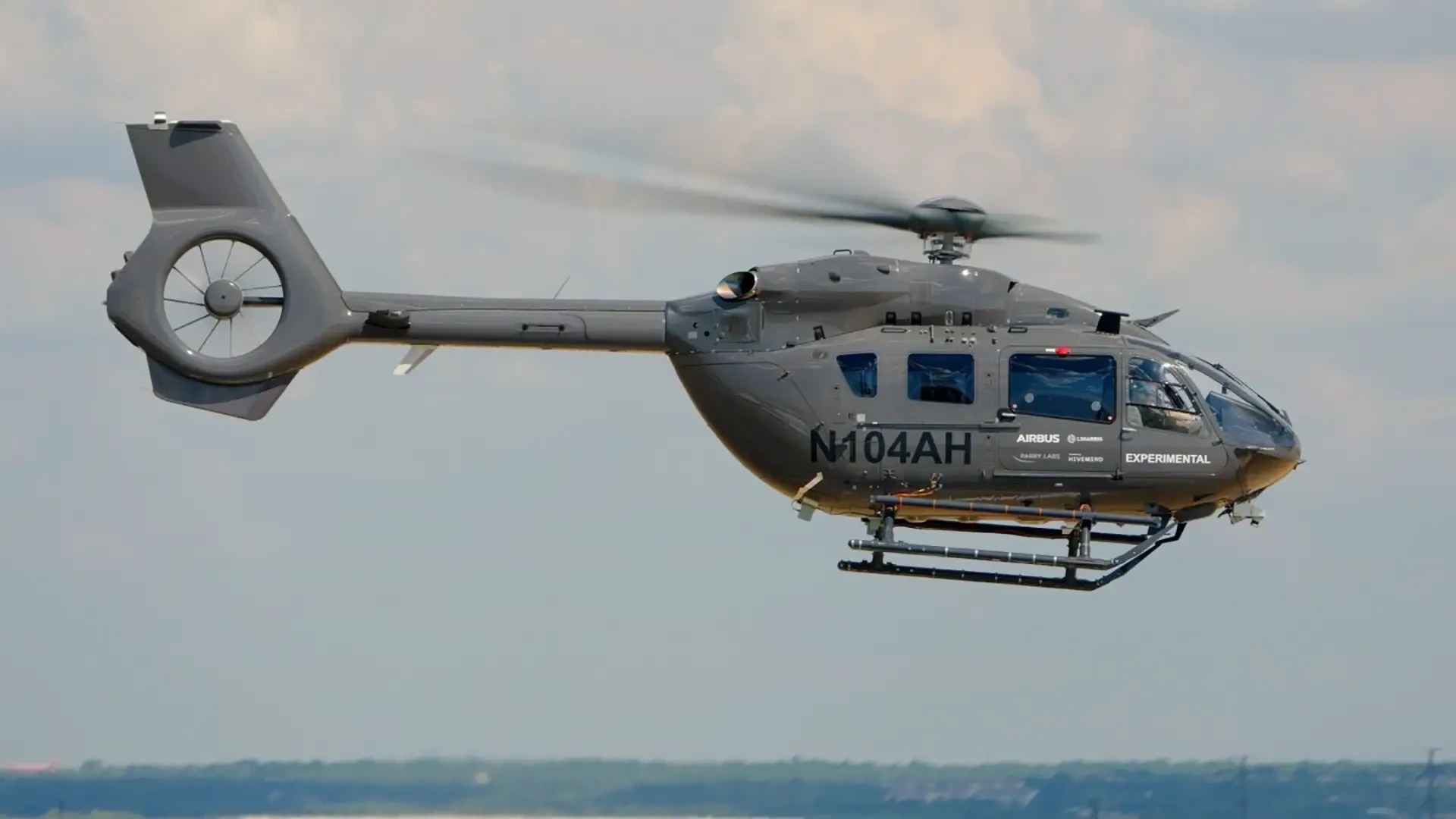
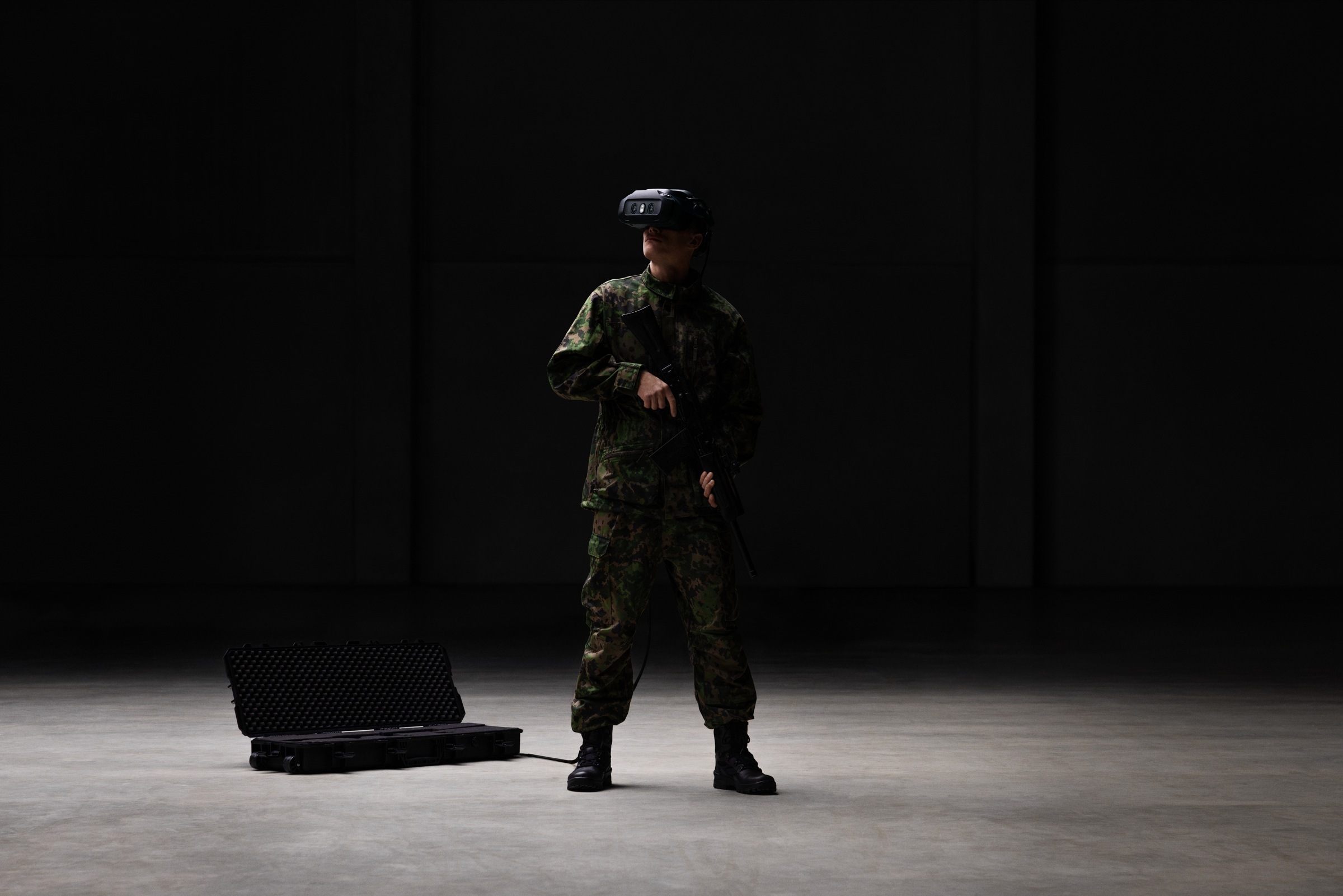
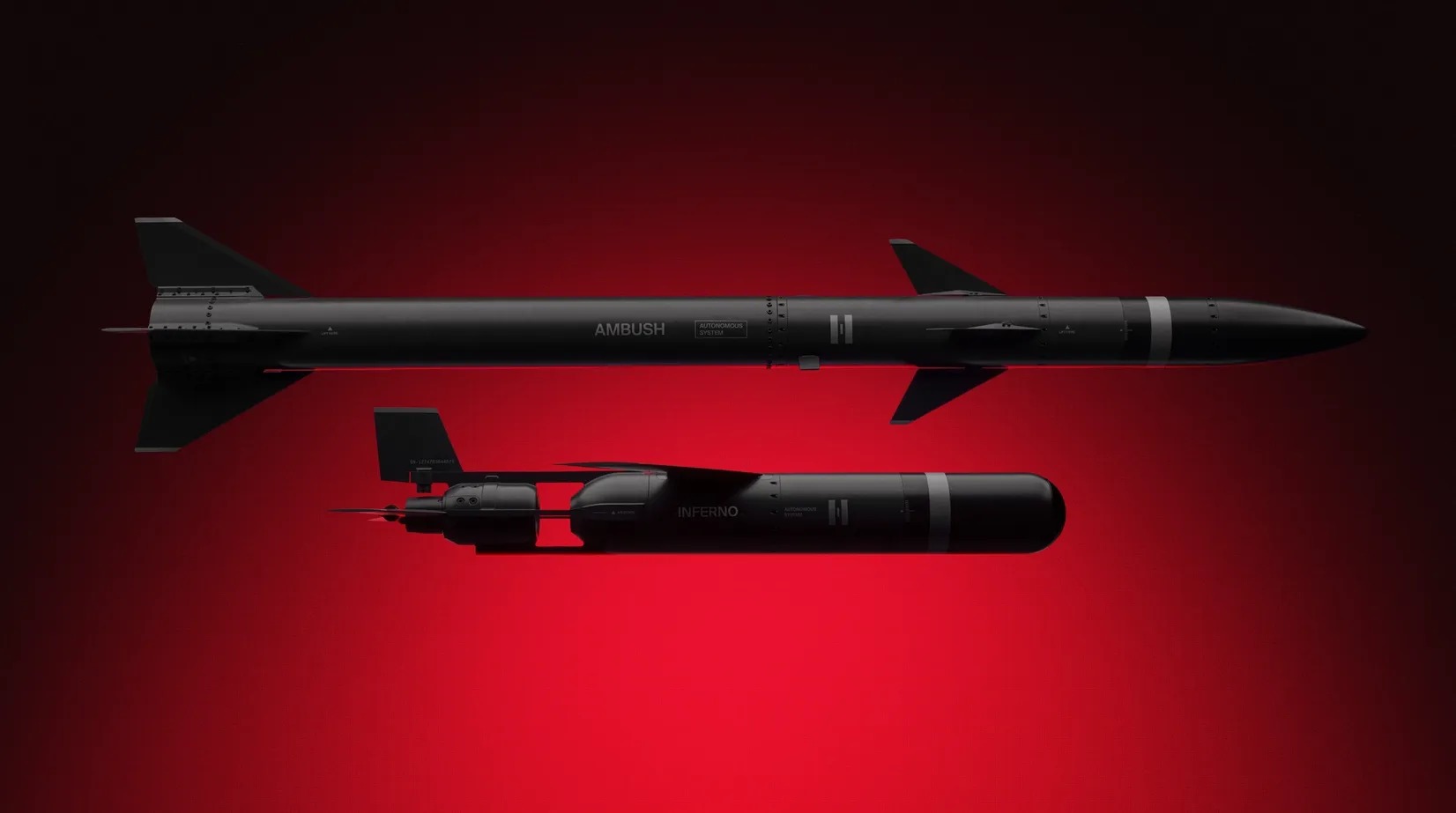
Helsing’s October 26 announcement introduces Contra, built on its Altra command platform, and the AD-1 Inferno and AD-2 Ambush interceptors. The company describes third-party hardware integration and large-scale simultaneous engagement as design capabilities. It also outlines future production through its factories. The announcement is a supplier account, not an independently documented operational evaluation.
Integration is a testable claim
Adding a sensor or response system involves more than receiving a data feed. The combined system must preserve timing, identity and authority across its interfaces. Public evidence should therefore identify which configuration was tested and what conditions the test covered.
A system designed for large numbers of threats also needs evidence about workload when observations are uncertain or components become unavailable. A headline capacity figure cannot describe all those states by itself.
Separate the product announcement from production
A procurement assessment should distinguish the proposed architecture, completed demonstrations, accepted equipment and recurring output from factories. Each reduces a different uncertainty. Factory plans do not establish delivered capacity, just as an integration demonstration does not establish a sustained operating record.
Contra is a significant new supplier proposal in this category. The next useful evidence is a clearly scoped account of testing, human control and supported integrations, followed by production and acceptance milestones that can be assessed independently.
Primary source and reported conditions.
What scale should mean in an evaluation
A claim of large simultaneous capacity needs an accompanying definition of the workload. A system can receive many observations without having the same capacity to resolve ambiguous tracks, present exceptions to people and coordinate the connected equipment. Evaluators should know which of those stages the number describes. Otherwise, two suppliers may publish apparently comparable figures that measure different things. The public announcement does not provide enough detail to normalize that comparison.
An illustrative assessment could distinguish ordinary observations from cases that require review, then record how the combined system handles each class. The purpose would be to measure the clarity and continuity of the workflow, not to prescribe engagement tactics. If the same item is represented differently by two sensors, the operator should be able to understand the disagreement. A fused display has to preserve useful uncertainty rather than conceal it behind a single confident symbol.
Human control is a system property
Saying that people retain control is only the starting point for evaluating the interface. The operating team needs a clear view of the permissions in force, the current status of connected equipment and the effect of an instruction. Those requirements span software, procedures and training. They cannot be established from a product name or from the presence of a human confirmation button alone.
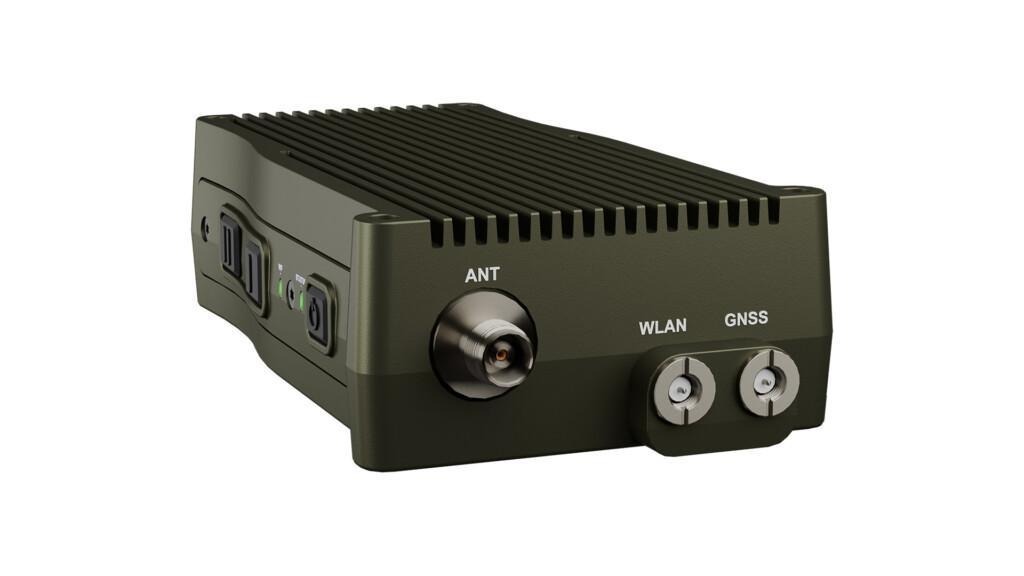
Similarly, hardware openness should be evaluated through documented interfaces and supported configurations. A successful connection to one partner’s equipment can be meaningful without proving that an arbitrary future component can be integrated on the same schedule. Changes need a record of testing and responsibilities so that an operator can understand what remains supported after an update. This is particularly relevant when the commercial proposition emphasizes adding equipment from different manufacturers.
The announcement’s broader significance is its proposal to organize sensing and response as one software-led system. The unresolved question is whether the combined product can demonstrate the promised scale while remaining understandable and supportable. Publicly scoped trials, independently assessable milestones and clear limits would make that proposition easier to judge. Until those appear, the correct description is an ambitious supplier offering with a testable integration thesis, rather than a demonstrated answer to every air-defense workload.
This distinction also matters when describing cost. A proposed lower unit price is only one part of the service a customer would have to acquire and support. Integration, training, maintenance and availability affect the total requirement. The release does not provide a complete comparison of those costs, so it cannot settle the economic case on its own. A meaningful assessment would keep the quoted hardware proposition separate from the broader cost of sustaining a configured system and from the evidence that the system meets its intended requirement.
This analysis draws on the public sources linked in the text. Send corrections to [email protected].