Source chronology: HII announcement November 16, 2026; delivery figure stated as of October 21, 2026. Analysis published 24 November 2026.
A production order for underwater robots is most useful when the customer can turn delivered equipment into repeatable work. Launch, recovery, mission preparation and maintenance all influence that result. HII’s expanded Lionfish order is a meaningful sign of programme commitment. It also raises a practical question about how the support organization grows alongside the number of vehicles customers expect to use.
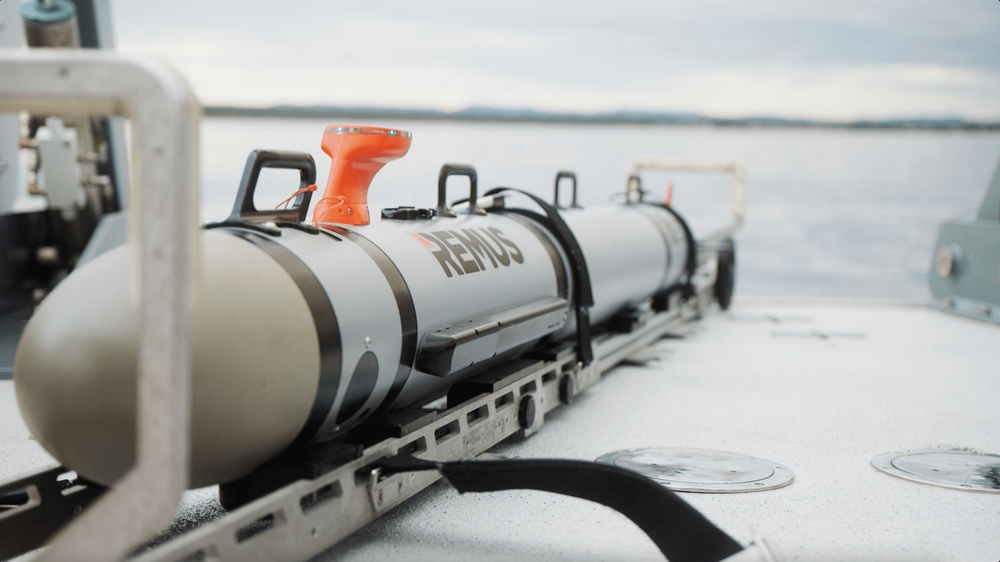
HII’s November 16 announcement reports an updated U.S. Navy contract for 82 additional Lionfish small unmanned undersea vehicles. The company says the programme’s ordered total reaches 175, with potential to increase further, and separately reports 50 deliveries as of October 21. Those are different measures: ordered production and completed delivery. Neither should be presented as the number of vehicles available for a specific mission today.
A vehicle fleet needs a repeatable operating cycle
Small underwater systems can make specialist sensing available without committing a larger crewed platform to every task. The practical benefit depends on how easily a team can prepare the mission, verify the equipment and recover useful information afterward. A vehicle that is physically present but awaiting a required check contributes differently from one ready to operate. Availability reporting should preserve that distinction.
The programme’s connection to an established commercial platform offers an argument for maturity and maintainability. It can provide experience with hardware, procedures and a supporting supplier base. But a family history does not establish the performance of every customer configuration. New payloads, operating conditions and software releases still need qualification against the tasks for which they will be used.
The same applies to autonomy. A vehicle following a prepared mission plan can reduce continuous steering without taking over the entire operational decision. People remain responsible for the requirement, the conditions under which the system may operate and the interpretation of the information collected. A useful acceptance record identifies the automated functions and the assistance they continue to require.
Keep production and availability in the same assessment
The strongest case for scaling a common platform is that customers can share procedures and support knowledge. Repeated production can also expose recurring problems and make improvements easier to distribute. The strongest objection is that a larger fleet can multiply maintenance demand before the supplier and customer have the capacity to absorb it. Both possibilities are compatible with a growing order book.
A useful assessment should therefore connect accepted deliveries with readiness and task completion over time. It should count cancelled or incomplete missions and preserve the reasons. A result set containing only successful operations can hide delays caused by preparation, support equipment or recovery conditions. Recording those cases makes a comparison with alternative approaches more informative.
Software and payload variation deserve particular attention as the fleet grows. The customer should know which configuration produced a result and whether a later update changes the operating envelope. A controlled upgrade can add useful capability. An accumulation of individually customized systems can make training and support more difficult, reducing the advantages of a common platform family.
There is also an economic distinction between unit price and useful output. Training time, consumables, maintenance and personnel support belong in the cost of a completed task. Those factors can strengthen or weaken the case for autonomous systems without appearing in the initial procurement figure. The announcement does not resolve them, and our analysis does not assign an unreported savings estimate.
Our assessment is that the order strengthens Lionfish’s production case. The next evidence to watch is a growing record of accepted systems performing sustained customer work, supported by predictable maintenance and training. That would show how the manufacturing commitment becomes usable undersea capacity.