Counter-drone procurement has to turn urgency into a repeatable protective capability. Ordering equipment is part of that process, but people also need to receive it, learn its limits, connect it to their procedures and keep it available. The larger readiness question is how quickly a purchased system becomes something a unit can use and support with confidence.
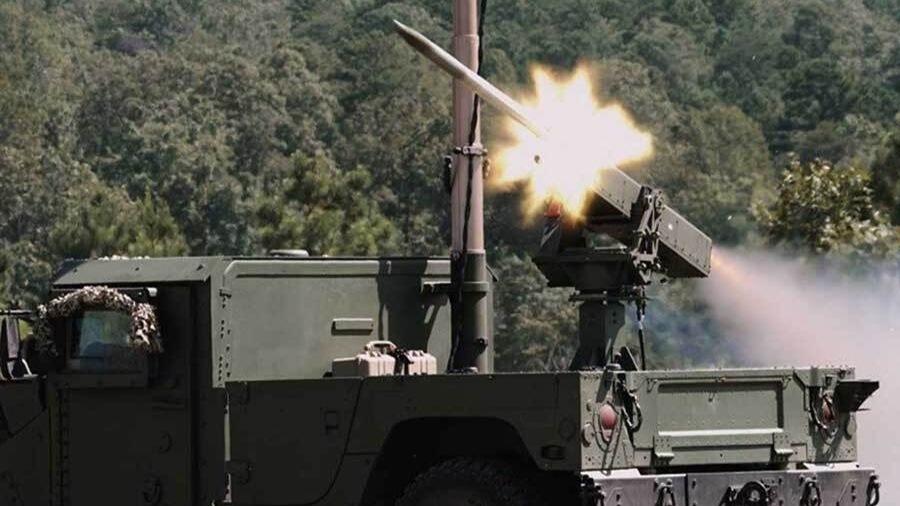
L3Harris reported a concrete step along that path on October 13. In its delivery announcement, the company said initial VAMPIRE counter-unmanned systems reached the U.S. Army within two months of a $106 million order. It also described a dedicated production facility in Huntsville, Alabama. The release is evidence of the supplier’s stated delivery milestone. It does not provide a unit-by-unit readiness record or an independent assessment of effectiveness against every drone threat.
What a delivery milestone tells a reader
Delivery reporting helps distinguish a procurement commitment from equipment that has started moving to its customer. That distinction matters in a market where a contract announcement can attract attention long before operational users receive the resulting hardware. Initial deliveries make the industrial timeline more concrete without establishing that the full order has arrived.
The meaning of speed also needs a defined starting and finishing point. An order-to-delivery interval describes a particular part of the process. It should not be interpreted automatically as the time required to identify a need, evaluate alternatives, train a unit and establish sustained availability. Those other intervals can matter to the user even when the supplier meets its own milestone promptly.
For the same reason, a contract’s total value cannot by itself establish the price of an individual system. A public announcement would need enough detail about quantities, configuration and included support to make that calculation defensible. This analysis does not infer a unit price from the $106 million figure or treat it as a measure of cost per successful engagement.
Watch the footage
Official L3Harris product presentation published September 24, 2026. Product demonstration and manufacturer claims; not footage of the October Army deliveries or Operation Jailbreak. It does not independently verify combat performance.
Video: L3Harris Technologies · Original source ↗ · Video watch page ↗The immediate work is a complete support package
The near-term consequence is that acceptance, training and support questions become more pressing. A unit receiving equipment needs to understand its approved role, the information its operators require and the procedures for working alongside other protective measures. Those questions concern how a capability is introduced, rather than providing tactical instructions for using a weapon.
Maintenance and replenishment also belong in that discussion. A system that arrives quickly can still require an organized supply of components, software support and appropriately trained personnel. The relevant evidence would connect initial delivery to sustained availability over a stated period. The release does not supply that record, so any claim about the resulting readiness level would go beyond the public evidence examined here.
A useful follow-up announcement could report accepted quantities, the support package provided and the progress of user training without disclosing sensitive deployment details. That would give the public a clearer picture of transition into service. It would also help separate manufacturer output from the customer’s ability to keep the equipment ready.
The longer-term impact is industrial and institutional
If production and support can expand together, a repeatable delivery process could give customers more confidence in planning subsequent purchases. The benefit would be predictability: knowing not only that additional equipment can be built, but that it can be absorbed into a supported fleet. That outcome depends on customer evidence and future performance, not solely on the existence of a dedicated facility.
The institutional lesson is broader than this one product. Counter-drone modernization can be assessed as a chain of milestones: selection, ordering, accepted delivery, training, integration and sustained availability. Keeping those stages visible would make it easier to identify where progress is occurring and where delays remain. It would also prevent a positive result at one stage from being mistaken for completion of the entire effort.
The next question is therefore what happens after the first units arrive. Reporting on accepted equipment and supported user readiness would connect the supplier’s two-month delivery claim to the larger protective mission. L3Harris has announced progress on getting hardware to the Army. Evidence of how that hardware is sustained and absorbed will determine the significance of that progress for the force.
Sources and limits
- L3Harris, October 13, 2026: First Army VAMPIRE deliveries, checked October 16, 2026.
- Public-source analysis, not an independent operational test. No unit price, delivery quantity or readiness level is inferred from the contract value.
What would change the assessment
Watch for repeatable test results and customer evidence that connect this announcement to the practical outcomes discussed in this analysis.
This analysis draws on the public sources linked in the text. Send corrections to [email protected].