The most important question about an autonomous weapon is not whether its video looks impressive. It is whether the people responsible can explain, constrain and evaluate what the system is allowed to do. When a machine is intended to keep operating without a continuous human connection, responsibility does not disappear. More of that responsibility has to be expressed in advance, through authorization, design limits, testing and a record of what happened.
Skylark Labs' VIPER-A material makes that shift explicit. The manufacturer presents the product as a loitering munition with onboard perception and autonomy, rather than a platform dependent on continuous remote guidance. This article examines that public proposition at a high level. It does not treat edited footage as proof of operational reliability, and it does not provide instructions for employment or technical optimization of a weapon.
The main contribution: less dependence on a continuous connection
In its July 6, 2026 use-case article, Skylark says VIPER-A performs key functions onboard and operates within constraints established by a human commander. The company also describes confidence-based fail-safe behavior and field-adaptive models. These are consequential manufacturer claims because they place substantial weight on what the software can determine without ongoing human supervision. The public account does not supply a complete independent safety evaluation or measured error distribution.
Our analysis is that moving computation onto the aircraft changes where assurance is required. A remote operator cannot be assumed to compensate for every ambiguity if the advertised operating concept does not require a live connection. The organization evaluating the system therefore needs to understand how uncertainty is represented, how constraints are enforced and what evidence supports the stated fallback behaviors. Those are questions of accountability, not details that a dramatic demonstration can settle.
Watch the footage
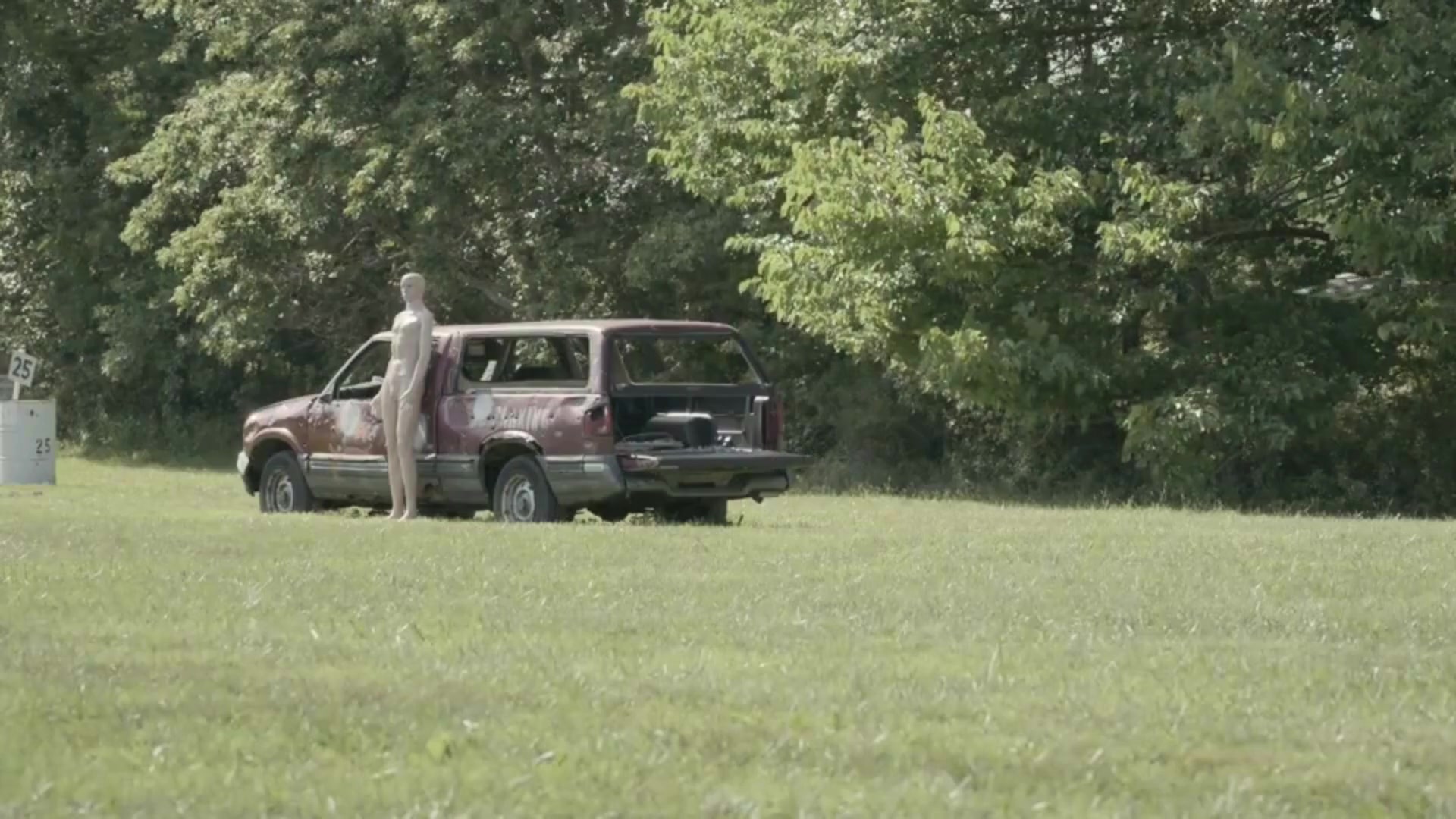
A short Skylark Labs demonstration showing a vehicle target. Company footage does not establish operational reliability, target discrimination or policy compliance.
Video: Skylark Labs · Original source ↗ · Video watch page ↗Human authorization needs a precise meaning
The manufacturer describes a human authorizing the mission while the aircraft executes within specified limits. That distinction is central to understanding the proposal, but it leaves practical questions for an evaluator. What exactly has the person authorized? How does the organization establish that the machine's later behavior remains within that authorization? What happens when the environment no longer resembles the assumptions used in approval? Clear answers matter more than a generic assurance that a human remains involved.
Responsibility also extends beyond the person who approves a particular use. Software suppliers, procurement officials, testers and commanders each make decisions that affect the outcome. Our assessment is that the assurance case should identify those decisions, the evidence supporting them and the conditions that require renewed review. A meaningful chain of responsibility cannot depend on everyone assuming that a different part of the organization has checked the difficult questions.
The official video is a demonstration, not a statistical result
Skylark embeds a VIPER-A capability video in the use-case article. It is appropriate to show it with a clear manufacturer attribution and an explanation that it illustrates the claimed capability. A short sequence cannot reveal the full denominator: unsuccessful runs, changing conditions, uncertain classifications or the range of situations the system never encountered. The important journalistic distinction is between evidence that a sequence occurred and evidence that a product will perform reliably across a stated operating envelope.
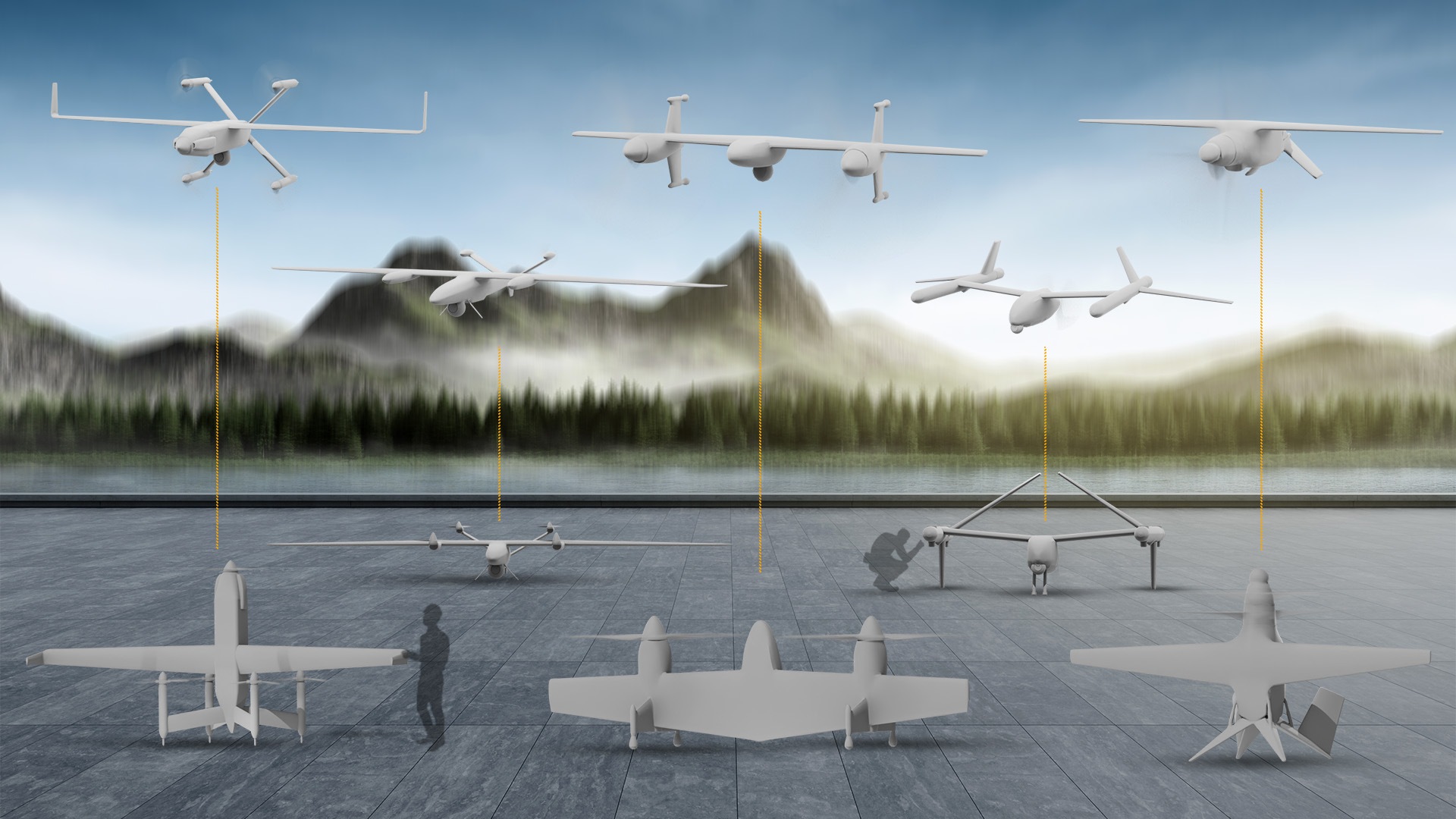
For the same reason, the article's cover should avoid presenting a successful-looking moment as an audited performance verdict. A high-resolution still from attributable product material is useful context. A hover preview should show a representative view of the platform or demonstration, with no misleading substitution of footage from the surveillance configuration. Visual clarity should help the reader understand the subject without exaggerating what has been verified.
Learning creates another assurance question
The phrase field-adaptive can sound like an unqualified advantage. In a consequential system, improvement must also be understandable and controlled. Our analysis is that any claimed ability to learn after deployment raises a versioning question: what changed, who approved the change, and how was the changed behavior evaluated? An organization cannot assume that evidence for one model state automatically establishes the reliability of every later state.
That does not mean adaptation is inherently unacceptable. It means the public claim should be evaluated alongside mechanisms for bounded change, traceability and revalidation. Readers should look for evidence that the system can distinguish permitted adaptation from behavior requiring a new review. The public VIPER-A presentation explains the vendor's direction but does not provide enough independently assessed detail to close these assurance questions.
Sources & evidence
What would change the assessment
Independent results for the exact configuration, with operating conditions and limits disclosed, would strengthen this assessment.
The wider impact
Skylark says its design aims to align with U.S. Department of Defense Directive 3000.09. That is the company's characterization. It must not be rewritten as government approval, certification, a completed legal review or authorization for a particular customer. Nor should a general product description be treated as establishing that a specific proposed use would be lawful. Those conclusions require their own evidence and appropriate institutional processes.
There is also a product-naming inconsistency. The main drone page identifies VIPER-A as the attack configuration and VIPER-S as surveillance, but its FAQ instead associates ARIES with loitering munitions and counter-UAS. We follow the dedicated VIPER-A use-case page for this article and flag the mismatch rather than assuming all names are interchangeable. The ARIES detection announcement should be covered separately.
The bigger picture is a change in the burden of proof. Autonomy can promise continuity when communication is unreliable, but the significance of that promise depends on demonstrable boundaries and accountable decisions. VIPER-A is worth examining because it brings that tradeoff into view. Its lasting importance will depend on the quality of the assurance around the machine, not simply on how much work the machine claims to perform alone.
This analysis draws on the public sources linked in the text. Send corrections to [email protected].