A fielded autonomous vehicle is a complete system: sensors, control software, communications, maintainers and mission procedures all contribute to whether it can do useful work. An operating history is therefore stronger evidence than an isolated demonstration, but it does not automatically identify which component produced the result.
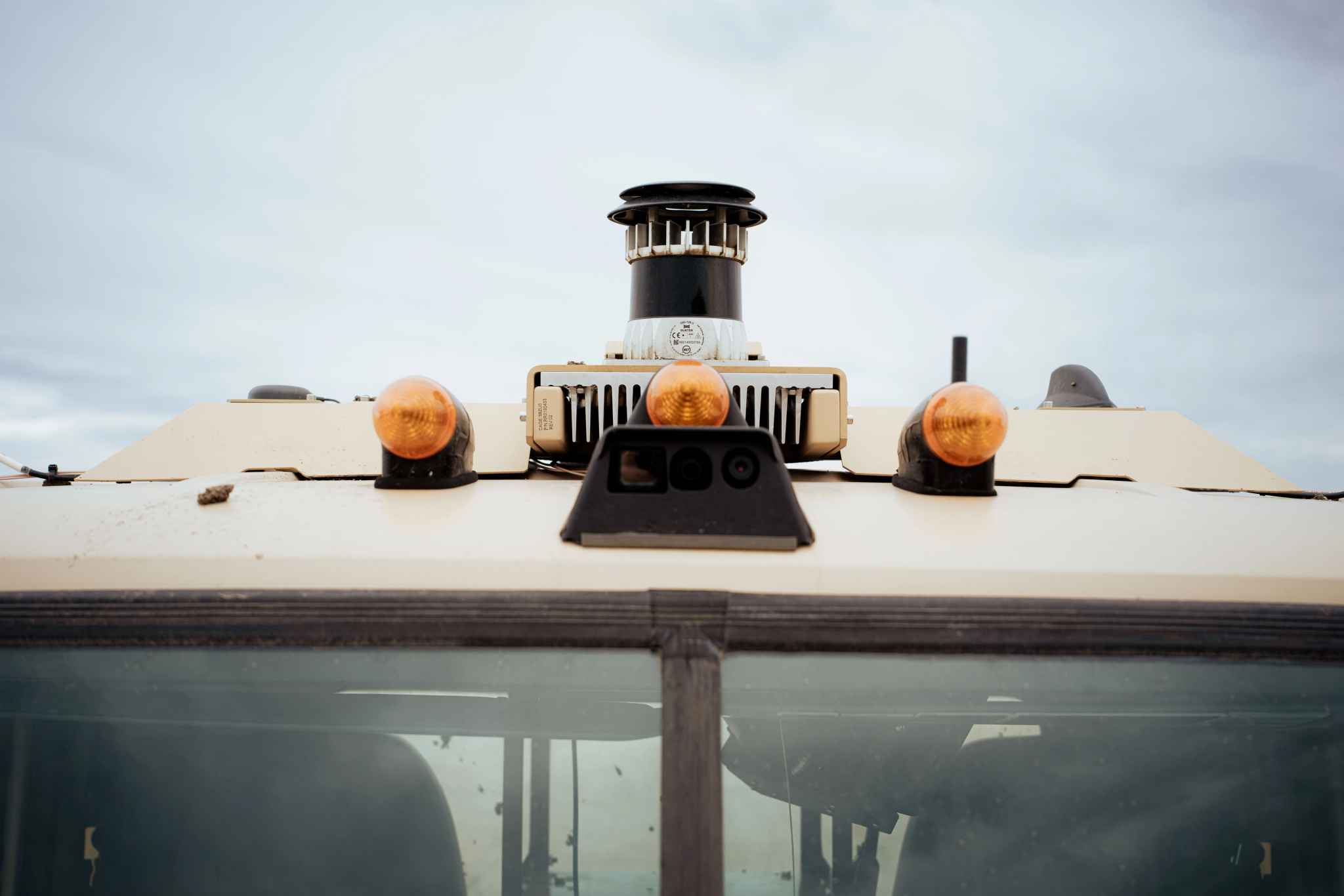
Ouster and Forterra’s October 21 release reports 1,426 Lancer missions and 88 casualty evacuations in Ukraine, with Rev7 OS1 lidar included in the perception stack. It says 105 vehicles were delivered in under six months. The companies also describe plans to advance AutoDrive using Rev8 sensors. These are supplier-reported figures, and the existing missions must remain separate from the proposed upgrade.
A count needs its operating context
The report does not provide a controlled comparison that isolates lidar’s contribution. Readers should not convert completed missions into a sensor accuracy rate or assume the absence of a disclosed failure count means there were no failures. Independent field evaluation would need consistent definitions of completion and intervention.
The upgrade raises another question: which parts of the existing operating record transfer to the new configuration? A changed sensor can affect timing, calibration and the data passed to perception software, even when the vehicle itself is familiar.
Preserve the configuration history
The near-term value of the account is a documented claim of repeated real operations, with a named component generation. A stronger future release would tie outcomes and maintenance demands to particular configurations and exposure conditions.
That distinction helps procurement teams assess both maturity and change. Evidence for the deployed vehicle can inform a decision without being stretched into proof that its next sensor configuration has already delivered the same results.
Primary source and reported conditions.
Why component attribution is difficult
A useful way to read the announcement is to separate three layers of evidence. The first is that a named vehicle family has been used for real missions. The second is that the vehicle includes a named sensor. The third would be a measured explanation of how that sensor changed the outcome. The release supports the first two as company statements; it does not provide the controlled evidence needed for the third. This distinction allows readers to recognize a meaningful operating milestone without assigning every benefit to one supplier.
Consider an explicitly hypothetical comparison between two otherwise similar vehicle fleets. One receives a sensor update at the same time that its routes, operator training and maintenance procedures change. A subsequent improvement cannot be attributed confidently to the sensor alone. The fleet record remains useful, but the engineering explanation needs more detail. Configuration histories and consistent outcome definitions help separate those changes. This is an assessment example, not a claim about how Forterra ran the reported missions.
What a stronger operating record would contain
For buyers, exposure should be reported alongside successful work. The number of vehicles, time in service, mission duration and conditions encountered help explain what a completion count represents. Interventions, aborted work and equipment replacements are also relevant. A record can show substantial operational value while still revealing constraints that matter to a different customer. Leaving those constraints visible is more useful than converting the entire experience into a universal reliability claim.
The planned sensor change should be tracked as a new configuration within that record. Earlier evidence can inform its evaluation, particularly where equipment and support arrangements remain similar. It should not remove the need to check the altered sensing path, the software that consumes it and the maintenance procedures around it. The key procurement question is therefore not whether the supplier can cite an impressive total, but whether the evidence matches the configuration and task that the buyer would actually receive.
A public report does not have to reveal sensitive routes or tactics to improve this assessment. Aggregated definitions, clear configuration dates and a distinction between observed results and future expectations would already make the evidence more portable. For the wider autonomy market, this is the significance of the release: repeated field use invites a more demanding conversation about how performance is documented. That conversation is valuable precisely because a real operating history contains more information than a polished demonstration.
This analysis draws on the public sources linked in the text. Send corrections to [email protected].